AMLR Solutions
  AMLR Consultation
 EUDI Wallet
 Onboarding
 Ongoing Monitoring
 FRAML
FRAML KYC
KYC KYB
KYB KYI
KYI Age Assurance
 Workforce IAM
 Candidate Verification
 Account Takeover
 Bonus/ Promotion Abuse
 Chargeback Fraud
 Deepfake
 Document Fraud
 Fraud Networks
 Impersonation Fraud
 Money Mule Activity
 Multi-Accounting
 Party Fraud
 Regulatory & Compliance Risks
 Synthetic Identity Fraud
 Adult Content
 Banking
 Crypto
 Fintech
 Forex
Forex Compliance
 Fraud prevention
 Trust & safety
 Global expansion
 Compliance Officers
 Developers
 Fraud Analysts
 Product Managers
 Journey Builder
  Global Trust Platform
 Customer Profiles
 Vendor Comparison
 IDV Case Management
 AML Case Management
 Regulatory Reporting
 Agentic Rule Builder
  AI Compliance Co-Pilot
  Fraud Analytics
 Fraud Hub
  OCR
OCR Shufti AI
 Bank Account Verification
  Biometric Duplication
 Database Checks
 Document Intelligence
 Government ID
 Mobile Driver's License
 NFC
NFC Selfie Liveness
 Brand Personalisation
 Deployment Options
 Identity Methods
 IDV Modes
 Multi-tenancy
 On-Premise IDV
 Secure Capture
 Shufti MCP













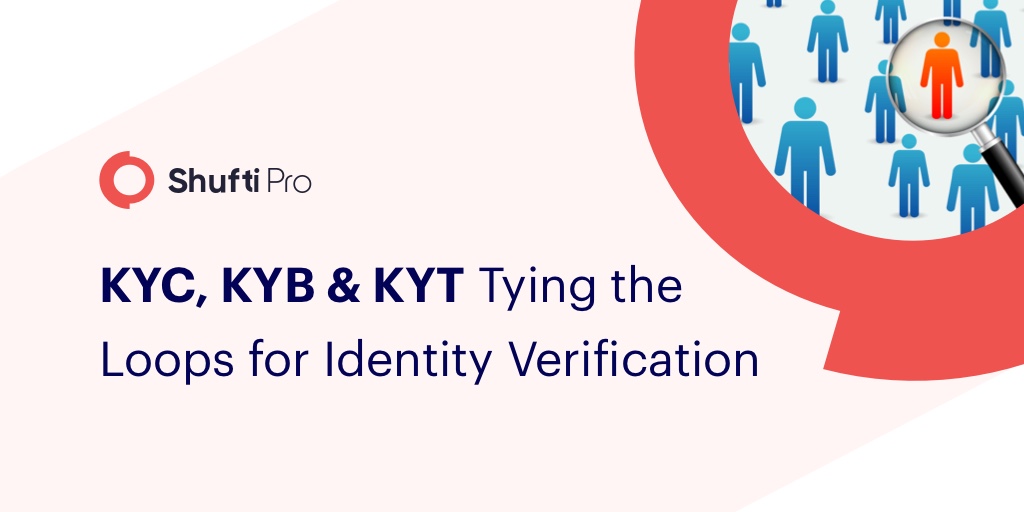
KYC, KYB, and KYT are the three foundational identity and transaction verification frameworks used by regulated businesses to prevent fraud and meet AML compliance requirements. KYC (Know Your Customer) verifies the identity of individual customers before onboarding. KYB (Know Your Business) verifies the legitimacy of business entities and their ownership structures. KYT (Know Your Transaction) monitors financial transactions in real time to detect suspicious activity, money laundering, and terrorist financing. Together, they form a layered compliance architecture that covers who a customer is, whether a business is legitimate, and whether the money moving through an account is clean. Shufti provides automated KYC, KYB, and AML screening solutions across 240+ countries, covering 10,000+ document types in 150+ languages.
Key Takeaways
- KYC (Know Your Customer) verifies individual identity at onboarding using ID documents, biometrics, and AML checks
- KYB (Know Your Business) verifies business legitimacy, confirming a company is real, not a shell company, and not controlled by sanctioned individuals
- KYT (Know Your Transaction) monitors all customer transactions in real time to detect money laundering, terrorist financing, and suspicious activity
- All three are regulatory requirements: KYC and KYB under FATF guidelines, and KYT under transaction monitoring obligations in most jurisdictions
- Used together, KYC + KYB + KYT create a complete compliance loop: verifying who a person is, whether a business is legitimate, and whether money flows are clean
- Shufti automates all three across 240+ countries
Digital fraudulent activities are rising with every passing day, businesses are adopting reactive measures to put a halt on the malicious activities that have taken the internet to storm. To expose fraudsters and scammers digital identity verification solutions are of great help. It’s the goal of every business to identify legitimate customers in an effortless and effective manner. Such innovative solutions are meant to identify and verify each customer while providing a better customer experience. Digital identity verification solutions can completely authenticate an individual in mere seconds saving time and efforts of businesses. According to regulation authorities, it is necessary to authenticate any customer before onboarding them for which KYC verification is mandatory.
KYB which stands for Know Your Business is another element of identity verification procedure in which businesses need to fully verify the business they are about to deal with. To make sure the other company is real and not a shell company KYB has to be performed. Whereas, KYT which stands for Know Your Transactions, means to have a stringent check over the transactions happening so you have an eagle’s eye over money laundering activities. We’ll see in detail how these solutions help any business to fight back frauds and save them from plenty of malicious activities like money laundering, identity theft, account takeover, and data breaching.
A Detailed Insight to KYC & Its Benefits:
To comply with regulatory authorities and to put a defense against fraudsters from entering into the system, customers need to be verified by the business at the time of onboarding. This verification process of customers refers to KYC checks. To trace and tackle suspicious activities and illicit transactions and to fulfill stringent regulations KYC has to be performed by businesses.
In the KYC process, the customers are required to submit their identity documents which include government-issued ID card, driving licence, passport, and are validated digitally. In Digital document verification, by using OCR technology the information from these documents is extracted and checked in order to identify the individuals. Another form is to complete customer due diligence by Video KYC in which a customer is on a video call with a business representative who asks the customer to upload or show various documents to the camera for validation. This method is quick and not frustrating like manual identity verification. The team of analysts verify each document and assign a risk factor to the customers based on the predictions from the data. Depending upon the predictions and risk factor, the businesses decide whether to onboard customers or not.
Read Also: Digital KYC to Trace and Tackle High-Risk Customers
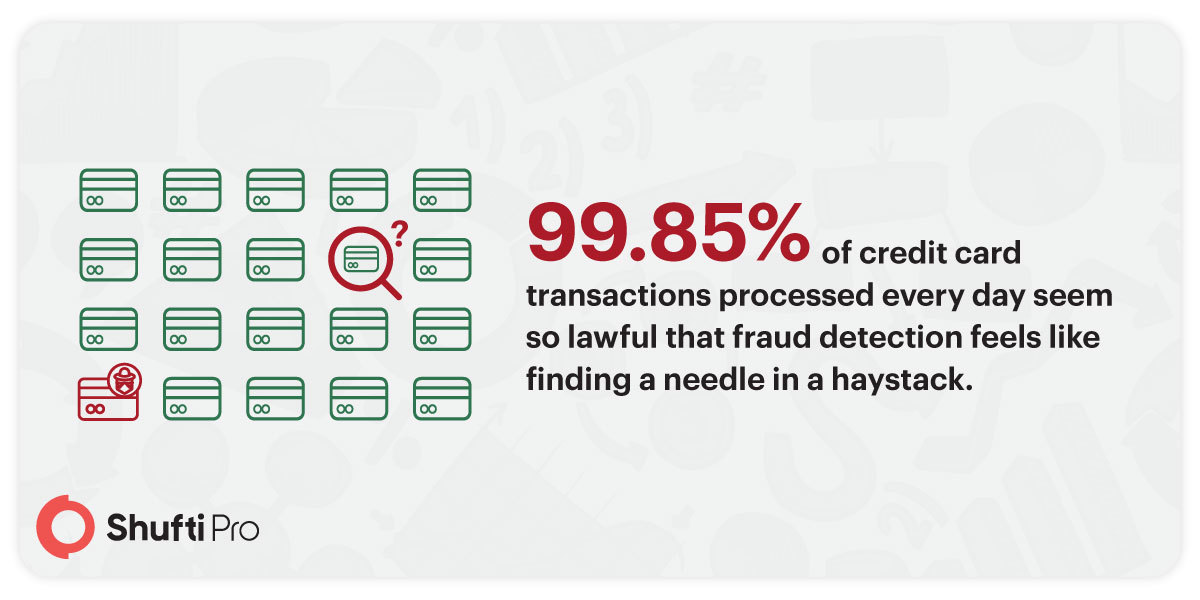
Fraud is like a weed that grows wild and cannot be erupted so it is impossible to eradicate it once and for all. Cybercriminals continuously adapt their methods, and AI-powered KYC solutions use hybrid technology to help businesses recognise and fight against fraudsters in real time. So digital KYC solutions provide a contactless way to authenticate an identity before falling in the pit of fraudsters. AI-powered KYC solutions use hybrid technology to help the businesses in recognizing and fighting against fraudsters which are needed more than ever during this coronavirus outbreak.
A Deep Dive in Know Your Business:
The KYB process is to check if you are dealing with authentic business entities or just the shell companies present on papers only, saving businesses from trusting the wrong entities for partnerships or deals. Many data breach cases in the past have occured due to the reason that companies trusted wrong businesses for their private data without authentication if they are real or not. For KYB, AML checks are performed to make sure that the business you are about to deal with has never been involved in any money laundering activity. Proper document verification is mandatory by the regulators when dealing with foreign entities to authenticate that the company is real and not a shell company. Such verification can be performed in the matter of seconds with the help of digital document verification of the top management through official identity documents and Anti Money Laundering Checks.
To determine the true identity of a verifying business and to check for the financial risk attached to that business digital KYB checks are performed. With Anti Money Laundering services businesses can check the involvement or presence of any official of the company in any watchlist or financial risk database. So it will help the business not to go blind and lose private data and billions in hands of wrong business dealings.
All About Know Your Transactions:
KYT Know Your Transaction is the process of monitoring every financial transaction on a customer account in real time to detect suspicious activity, money laundering, terrorist financing, and other financial crimes. Where KYC establishes who a customer is at onboarding, KYT provides ongoing visibility into whether that customer’s financial behaviour matches their stated profile.
Financial transactions monitored under KYT typically include cash transactions (domestic), card transactions, cross-border payments, remittances (inward and outward), trade finance transactions, and bills and letters of credit.
KYT works by applying rule-based and AI-driven analysis to transaction patterns. When a transaction falls outside expected behaviour an unusual volume, an unexpected destination, a structuring pattern that resembles smurfing the system flags it for review. If the activity is confirmed suspicious, the institution files a Suspicious Activity Report (SAR) with the relevant financial intelligence unit.
For banks and fintechs operating across borders, KYT is not optional. The FATF Recommendations require institutions to monitor transactions throughout the customer relationship and report suspicious activity. Shufti’s Transaction Monitoring solution automates this process, reducing the manual workload of compliance teams while maintaining the coverage required by regulators.
For banks and other financial institutes, Know your transaction KYT is the process to monitor all the transactions done by the customers to have complete data-centric information. There are major financial transactions happening on the customer account including:
- Cash Transactions(Domestic)
- Trade Finance Transaction
- Card Transactions
- Cross Border Transactions
- Remittances( Inwards and Outwards)
- Bills & LC Transactions.
To identify when any suspicious transaction takes place and to trace money laundering, terrorist financing or any other fraudulent activities such transaction checks play a vital role. If any business is found to be a part of any kind of money laundering activity, it will not only stain their reputation but they will have to pay a hefty fine to the regulatory authority. Digital KYT is a process to have a proper check to avoid falling in any such fraudulent charge.
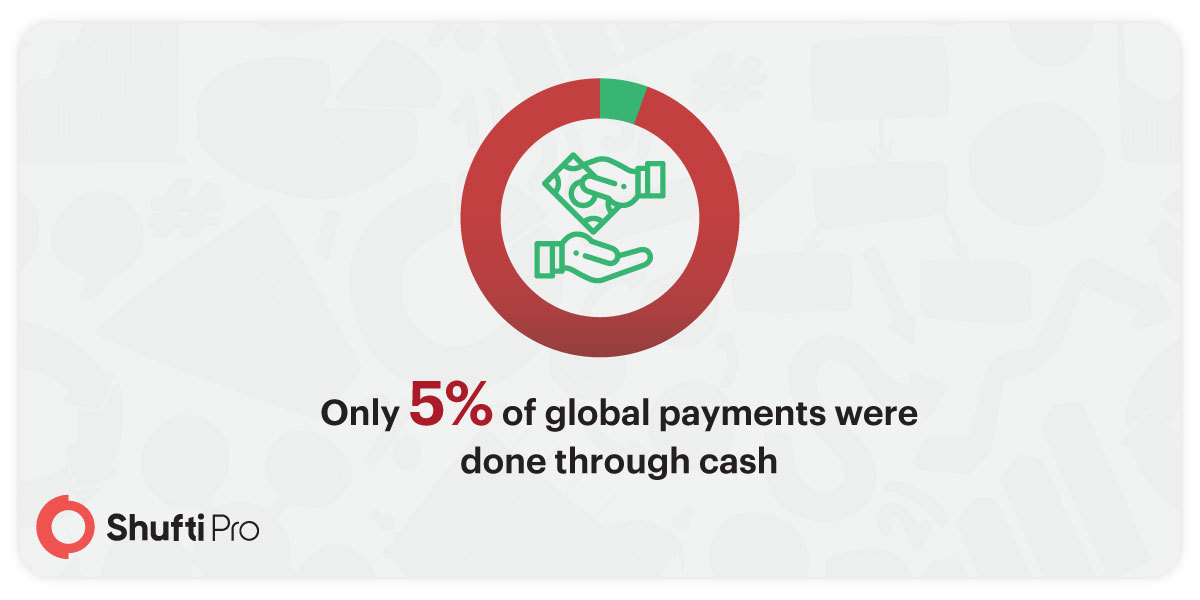
A study revealed, only 5% of the global payments were done through the paper which highlights the major change in the payment mix, and growth in the cashless transactions. Business analysts explain this growth in relevance With the advent of online and mobile banking that offers frictionless customer experience, cashless transactions have become very common. So KYT is the need of the hour for constant monitoring of the transactions for fraud detection and to make you businesses free from fraudulent activities. Businesses can always stay a step ahead of cybercriminals if they have proper checks and solutions to perform identity verification of individuals.
Frequently Asked Questions
What does KYB stand for?
KYB stands for Know Your Business. It is the process of verifying the identity, legal status, ownership structure, and risk profile of a business entity before entering a commercial relationship with it. KYB checks typically include confirming company registration, identifying Ultimate Beneficial Owners (UBOs), screening the business and its directors against sanctions and PEP lists, and assessing risk based on jurisdiction and industry. Shufti's Business Verification solution automates KYB checks across 240+ countries.
Where is KYT from? / What is KYT?
KYT stands for Know Your Transaction and originates from the broader AML (anti-money laundering) compliance framework developed by the Financial Action Task Force (FATF). It emerged as a natural extension of KYC, while KYC verifies who a customer is, KYT monitors what that customer does with their money. KYT is now a standard component of AML programmes at banks, fintechs, and other regulated financial institutions globally. Shufti's Transaction Monitoring product covers KYT requirements across 240+ countries.
What are the benefits of KYT?
The key benefits of KYT (Know Your Transaction) are:
1) Real-time detection of suspicious activity: catching money laundering and fraud patterns as they happen rather than after the fact.
2) Regulatory compliance: meeting FATF and jurisdiction-specific transaction monitoring requirements.
3) Reduced manual review workload: AI-driven analysis flags only genuinely anomalous activity.
4) SAR filing support: automated audit trails simplify suspicious activity reporting to financial intelligence units.
5) Full transaction visibility: a 360-degree view of customer financial behaviour that complements KYC identity checks.
What is the difference between KYC and KYB?
KYC (Know Your Customer) verifies the identity of an individual, a person. KYB (Know Your Business) verifies the identity and legitimacy of a business entity. KYC checks a person's name, date of birth, address, and identity documents. KYB checks a company's registration number, registered address, legal status, Ultimate Beneficial Owners, and AML/sanctions risk. Both are required in regulated onboarding: KYB for the business entity, KYC for the individuals who control it.