










 AMLR Solutions
  AMLR Consultation
 EUDI Wallet
 Onboarding
 Ongoing Monitoring
 FRAML
FRAML KYC
KYC KYB
KYB KYI
KYI Age Assurance
 Workforce IAM
 Candidate Verification
 Account Takeover
 Bonus/ Promotion Abuse
 Chargeback Fraud
 Deepfake
 Document Fraud
 Fraud Networks
 Impersonation Fraud
 Money Mule Activity
 Multi-Accounting
 Party Fraud
 Regulatory & Compliance Risks
 Synthetic Identity Fraud
 Adult Content
 Banking
 Crypto
 Fintech
 Forex
Forex Compliance
 Fraud prevention
 Trust & safety
 Global expansion
 Compliance Officers
 Developers
 Fraud Analysts
 Product Managers
 Journey Builder
  Global Trust Platform
 Customer Profiles
 Vendor Comparison
 IDV Case Management
 AML Case Management
 Regulatory Reporting
 Agentic Rule Builder
  AI Compliance Co-Pilot
  Fraud Analytics
 Fraud Hub
  OCR
OCR Shufti AI
 Bank Account Verification
  Biometric Duplication
 Database Checks
 Document Intelligence
 Government ID
 Mobile Driver's License
 NFC
NFC Selfie Liveness
 Brand Personalisation
 Deployment Options
 Identity Methods
 IDV Modes
 Multi-tenancy
 On-Premise IDV
 Secure Capture
 Shufti MCP


eSignature
eSignature Verification For Trusted Contract Execution
Connect identity verification to every eSignature event with Shufti. From routine agreements to regulated contracts. Every signer confirmed before the document executes.

The World’s Largest Identity Network







Everything Your Signing Workflow Needs in One Platform
Verify the Signer. Replace Two Vendors with One
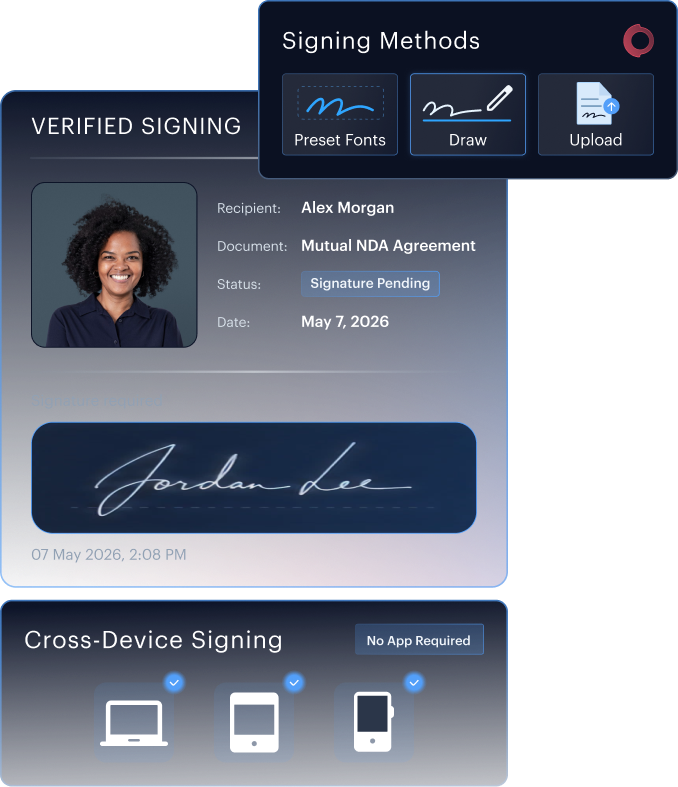
Shufti connects identity verification to the signing event. Face Verification, ID Document Verification, AML Screening and Two-Factor Authentication are configurable within the proprietary e-signature verification process at the point of signing
Signers choose from preset font signatures, draw using stylus or mouse, or upload a scanned wet signature image. No account creation required for recipients.
Recipients access signing requests via a secure email link on any device. No app download or account creation required.
From Sending to Signed: E-Signature Online, Fully Tracked
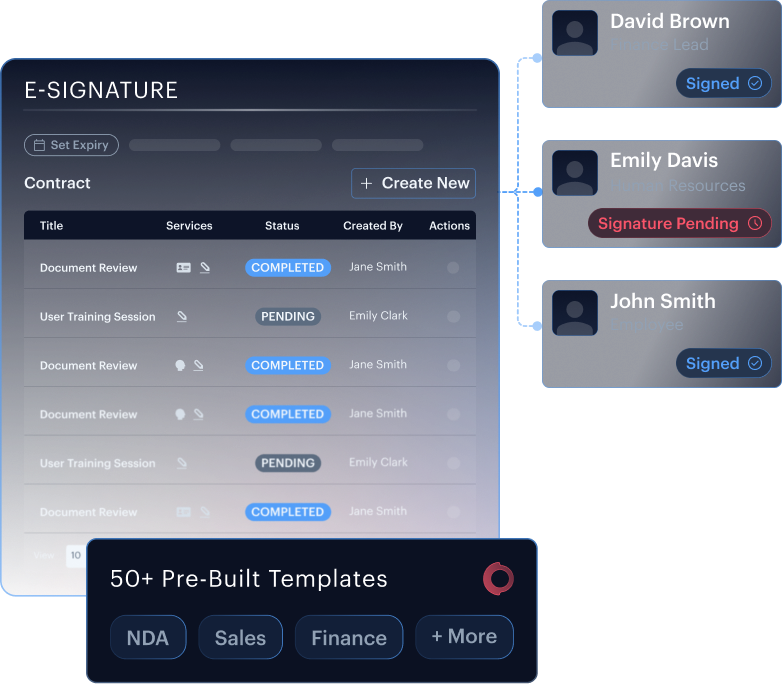
Shufti eSignature sends documents instantly and tracks every recipient action in real time from Contract Central. Set expiration deadlines, resend, download or archive contracts without leaving the platform.
Choose from 50+ pre-built templates across 8 categories including NDAs, employment agreements, sales contracts and service agreements. Templates are reusable and editable.
Multiple stakeholders execute the same document in a single workflow with automated tracking of each party's status in real time.
Records Built for Every Signing Event
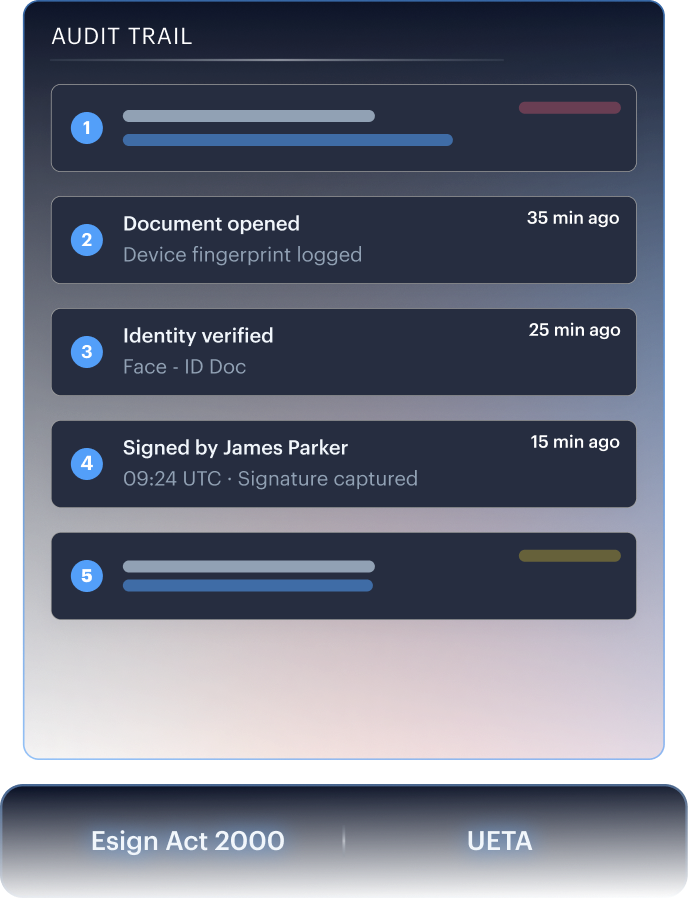
Every signed document generates an consolidated audit trail capturing signer identity, timestamps and IP address.
Legally binding under the ESIGN Act 2000 and UETA for all US-jurisdiction agreements and equivalent statutes across Latin America, APAC and MENA.
Built for Your Brand and Scale
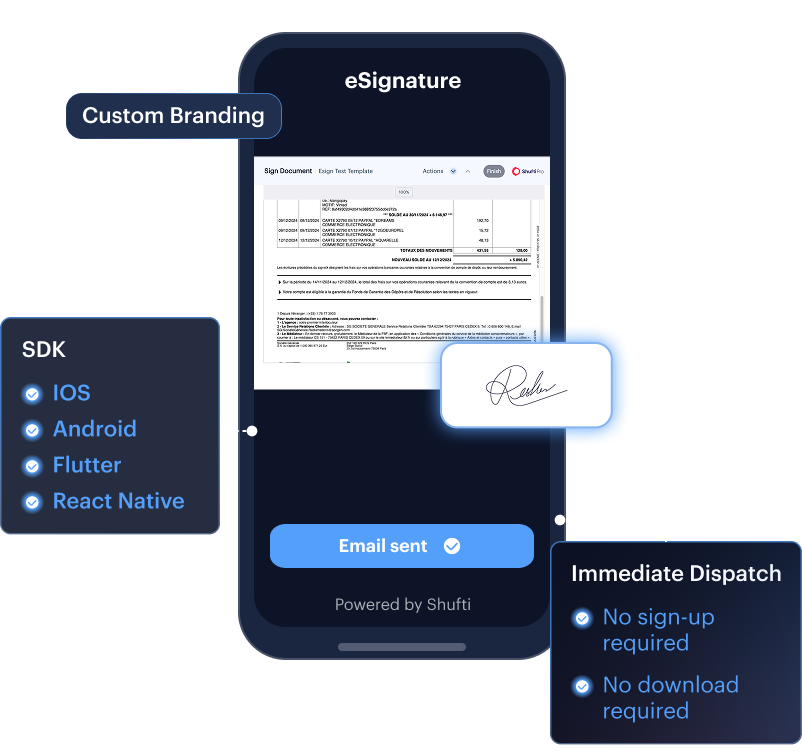
Shufti eSignature supports custom branding. Organisations can integrate eSignature via proprietary SDK across iOS, Android, Flutter and React Native.
Dispatch documents to recipients immediately via secure email link. No sign-up or download required on the recipient side.
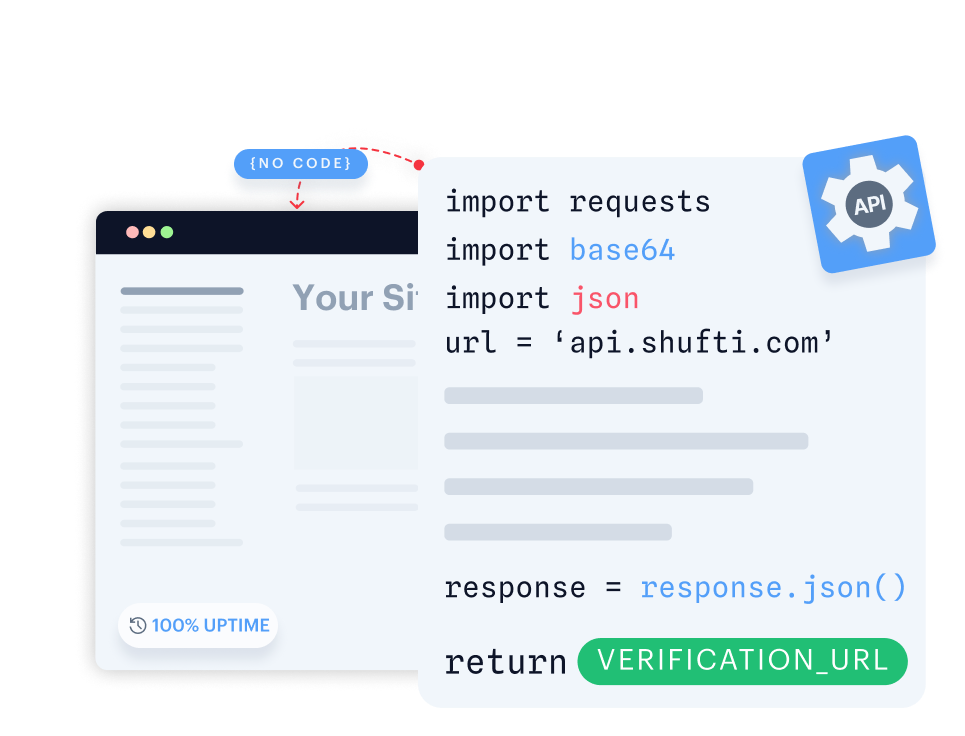
Single API, Seamless Integration
Build fully customisable verification flows with seamless backend integration.
- Gain full control by customising verification flows end-to-end.
- Integrate seamlessly with your backend for quick implementation.
- Design flexible verification journeys tailored to your users.
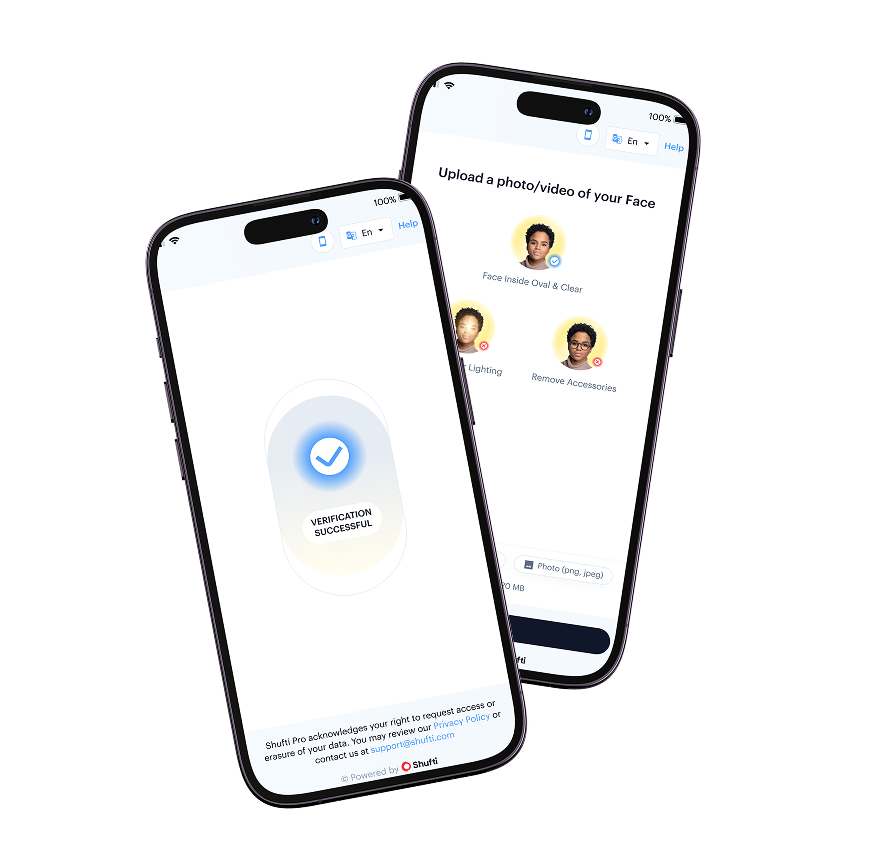
Launch a native verification experience in your mobile app within minutes.
- Launch native verification within minutes on iOS or Android.
- Use ready-made UI with camera, capture, and real-time feedback.
- Customise flows to fit seamlessly into your mobile app.
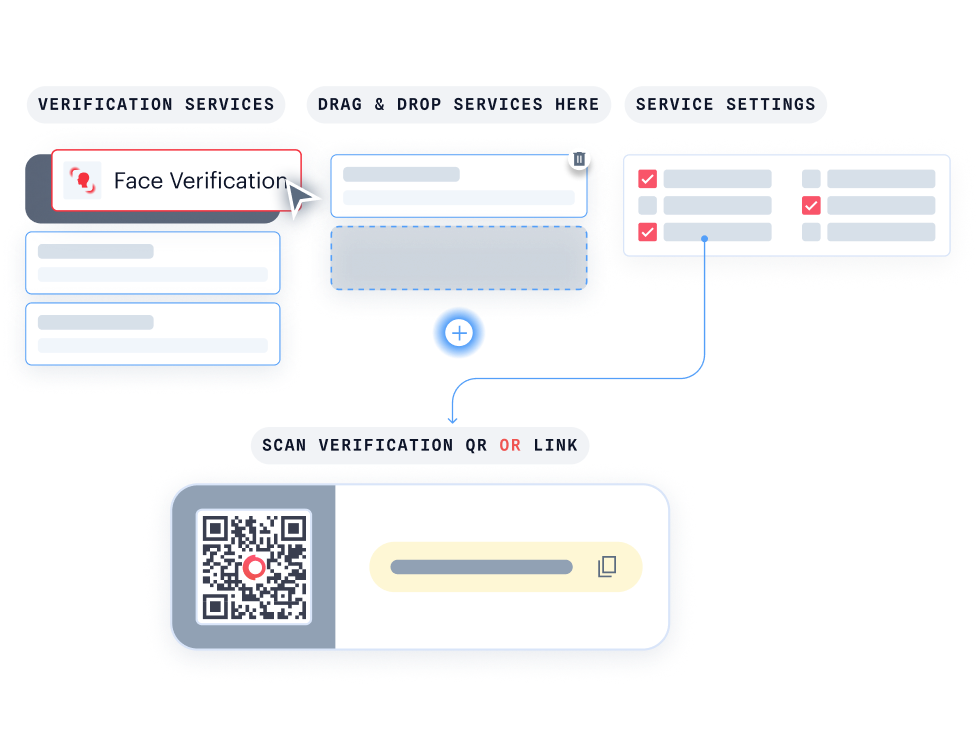
With KYC Journey Builder, create personalised verification journeys without writing a single line of code.
- Customise your journey effortlessly with drag-and-drop functionality.
- Instantly see how your verification flow looks for your users.
- Easily connect with Hosted Verification for a consistent, branded experience.
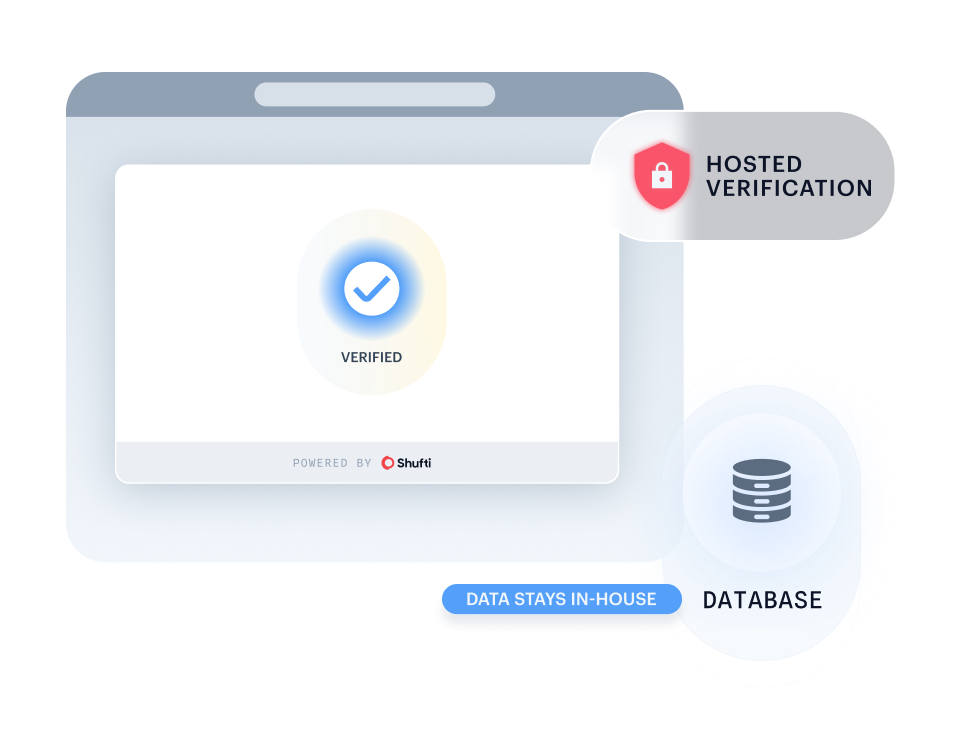
Run Shufti within your own identical-capability infrastructure for maximum data control and privacy.
- Keep all sensitive information in-house to meet strict governance and data residency requirements.
- Keep sensitive information fully private and secure in-house.
- Deploy in highly regulated sectors without compromising compliance.
WHERE SHUFTI SIGNATURE FITS BEST
Built for Regulated and High-Stakes Signing Workflows
Verified Signers, Complete Consent Records
Account opening forms and loan consents signed without confirmed signer identity leave KYC records incomplete. Shufti eSignature links identity verification to every customer agreement within the same signing event.

Don’t just take our word for it, hear from our customers
The Confidence Our Clients Share

The future of digital identity is defined by trust, interoperability, and regulatory alignment, so our partnership with Shufti reinforces DevCode Identity’s commitment to supporting our global customers with the most secure, best-in-class, compliant identity verification solutions available today.
Combining our Conversion Driven Compliance Orchestration Platform with Shufti’s global KYC and IDV capabilities allows our customers not only to navigate complex regulatory demands but also to maintain a seamless customer onboarding experience with the highest achievable conversion rates.
We’re proud to continue our partnership with Shufti as we expand into new jurisdictions.
Shufti’s verification technology not only strengthens our compliance framework but also ensures our players enjoy a smooth, secure onboarding experience.
We aim to offer our clients and their traders the very best tools with which to do their jobs, we’re excited to be able to work with Shufti.
They’re a leading company, and we’re looking forward to offering their solutions to our clients through our CRM.
The relationship with Shufti was born out of frustration with an existing provider, so we started our discussion with Shufti.
The response time was excellent, from the start of speaking to sales to getting up and running with the demo.
Everything you need to know in one place
Frequently Asked Questions
What is the difference between an e-signature and an identity-verified e-signature?
A standard electronic signature records that a document was signed. It captures a name, an email address, and a timestamp. An identity-verified e-signature adds a layer of confirmed signer identity before execution: biometric face verification, ID document authentication, AML screening, or two-factor authentication, depending on the risk level of the transaction. Shufti eSignature supports both. Apply standard signing for routine agreements and configure identity verification for regulated workflows where a typed name is not sufficient proof of authorisation.
Which regulations does Shufti eSignature satisfy?
Shufti eSignature is legally binding under the ESIGN Act 2000 and UETA in the United States, and under equivalent local electronic transaction statutes across Latin America, APAC, and MENA. GDPR Article 7 consent documentation requirements are addressed through the tamper-evident audit trail and digital certificate issued per signing event.
How does KYC-linked signing work?
When a signing workflow is created, administrators configure which verification steps apply to that document: Face Verification, ID Document Verification, AML Screening, or Two-Factor Authentication. Each is independently configurable. The signer completes the configured verification before the document becomes available for execution. The verification result and signing action are recorded in a single unified audit trail, accessible via Contract Central and exportable on demand.
What does the audit trail capture, and can it be exported?
The audit trail records signer identity (including any KYC verification result), timestamp, IP address, and each recipient's complete action sequence from document open through to execution. A digital certificate is issued automatically on completion. Audit records are exportable in PDF format for regulatory examination, legal proceedings, or compliance review. The audit trail is tamper-evident. Any post-execution modification to the document invalidates the certificate.
How long does API integration take?
Most integrations complete within one working day. Shufti provides a sandbox environment, REST API documentation, and native SDKs for iOS, Android. A dedicated project manager supports integration onboarding. API credentials and sandbox access are available within 24 hours of request. For organisations consolidating from a separate signing tool and a separate KYC vendor, Shufti's integration team provides migration support and parallel-run configuration.
What file formats does Shufti eSignature support?
Shufti eSignature accepts PDF, DOC, PNG, and JPEG documents. For DOC files, text and variable fields including name, date, address, and company name are editable before the document is sent for signing. PDF, PNG, and JPEG documents are sent as-is with signature fields added. Completed signed documents are available in PDF format with the embedded digital certificate.
Stop Signing Documents Without Confirming Signers
Signing tools confirm a document was executed. They cannot confirm who executed it. For regulated organisations, that gap is a compliance risk.