








INVESTOR VERIFICATION (KYI)
The Regulated Workflow For Investor Verification
Shufti streamlines investor onboarding by reusing your existing forms and combining with document and face verification, in either pre- or post-KYC sequence.

Flexible Investor Verification Process for Private Placements
Configurable Forms for Investor Verification
Standard onboarding forms fail to capture the evidence compliance teams actually need. Shufti supports up to twenty configurable questions per form, including progress-saving functionality that lets users continue where they left off.
Unstructured responses create additional manual work during reviews. Shufti supports eleven answer types including Text, Dropdown, Radio Buttons, Email, File Upload, Integer, Float, Linear Scale, Date, Paragraph and Country Lists to collect data in the format your process requires.
Static forms slow onboarding by asking every investor the same questions. Shufti uses proprietary Question Rules and Page Rules to display only relevant sections based on previous answers, creating a faster and more personalised verification flow.

MLRO Flexibility
High onboarding volumes can overwhelm compliance teams. Shufti lets you use your in-house MLROs or Shufti’s trained specialists, with workflows intelligently configurable by jurisdiction, offering type or investor volume.

Investor Verification & Evidence Management
Investor due diligence requires collecting multiple types of supporting evidence. Shufti supports twelve document categories, including incorporation certificates, proof of address, bank statements, source-of-funds and source-of-wealth letters, ownership structures and shareholder registers.
Scattered investor documents create operational risk and slow regulatory audits. Shufti securely gathers and stores identity and business documents in a single consolidated verification record, making evidence retrieval simple during compliance reviews and regulator inspections.

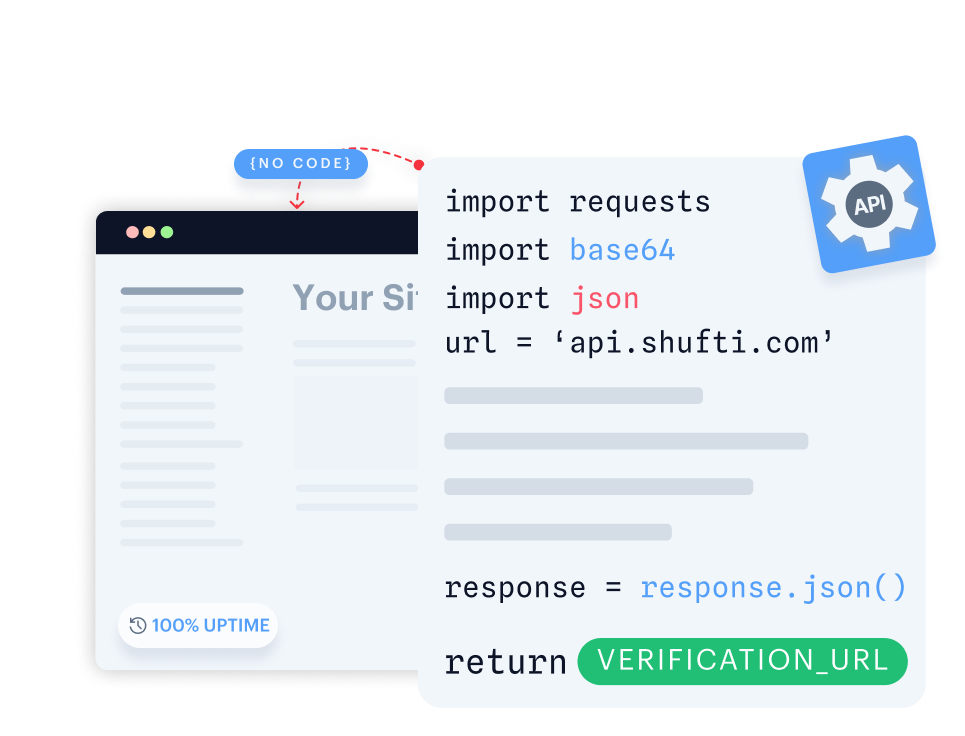
Single API, Seamless Integration
Build fully customisable verification flows with seamless backend integration.
- Gain full control by customising verification flows end-to-end.
- Integrate seamlessly with your backend for quick implementation.
- Design flexible verification journeys tailored to your users.
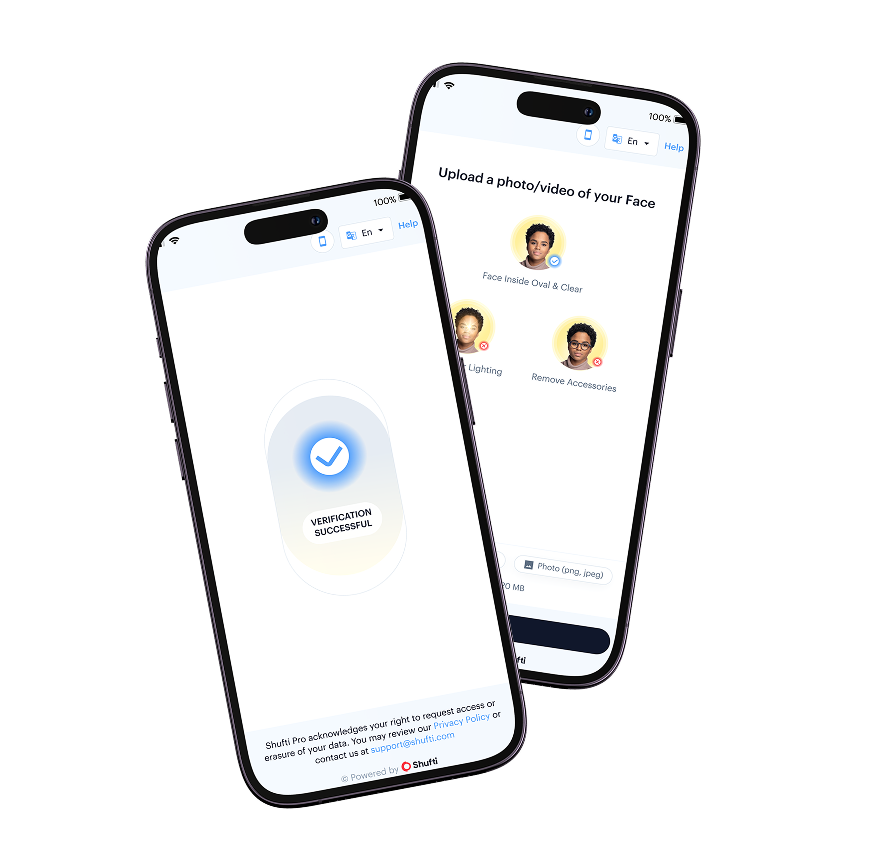
Launch a native verification experience in your mobile app within minutes.
- Launch native verification within minutes on iOS or Android.
- Use ready-made UI with camera, capture, and real-time feedback.
- Customise flows to fit seamlessly into your mobile app.
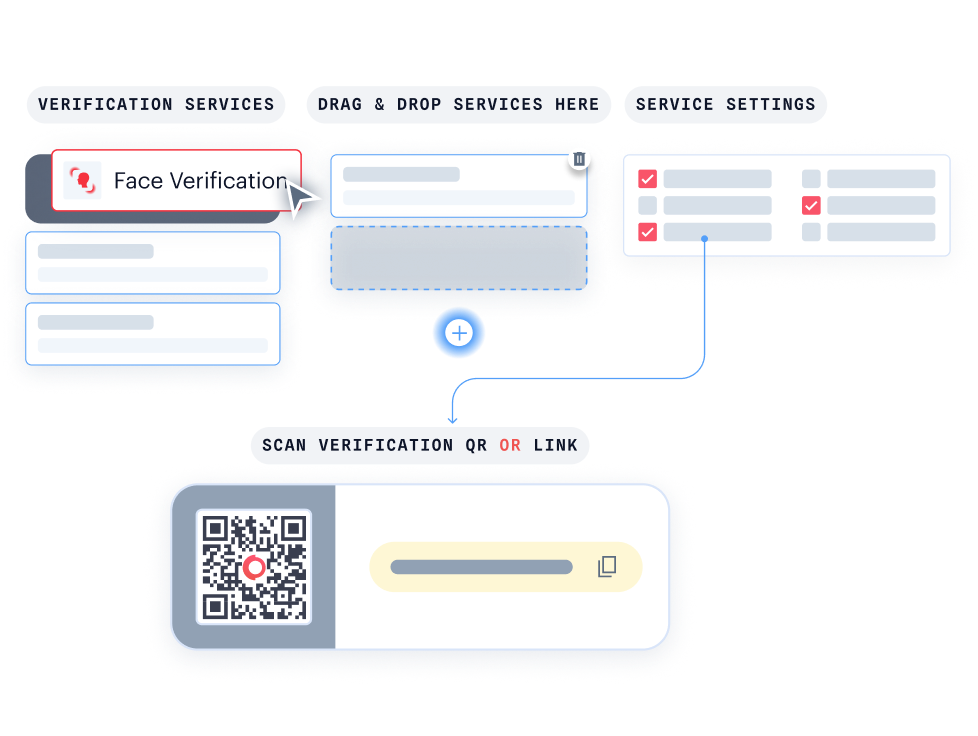
With KYC Journey Builder, create personalised verification journeys without writing a single line of code.
- Customise your journey effortlessly with drag-and-drop functionality.
- Instantly see how your verification flow looks for your users.
- Easily connect with Hosted Verification for a consistent, branded experience.
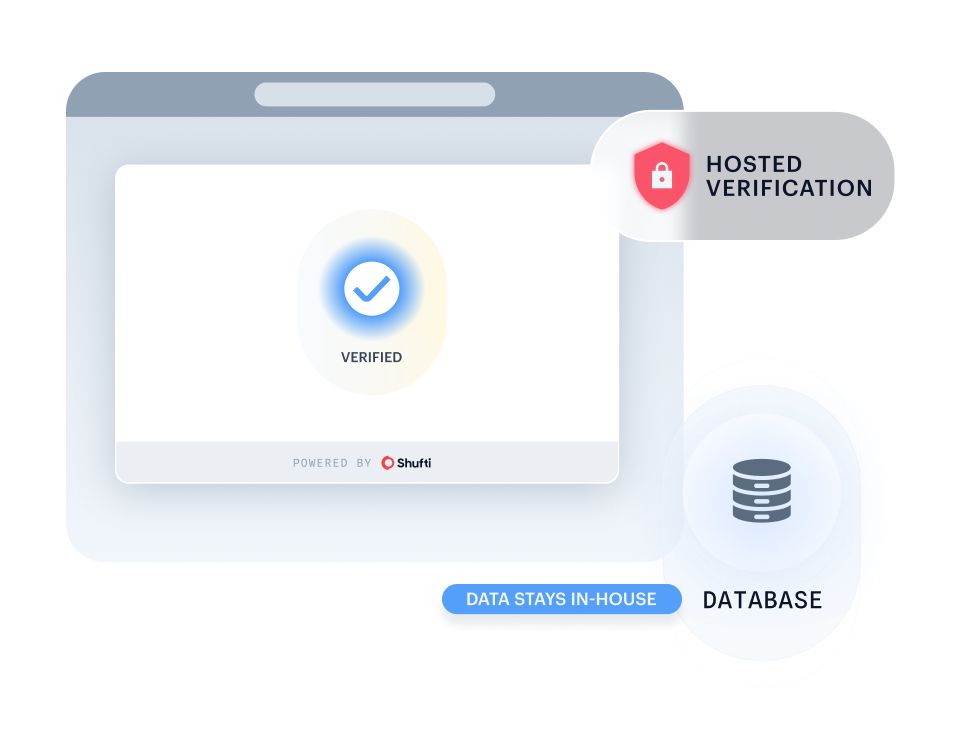
Run Shufti within your own identical-capability infrastructure for maximum data control and privacy.
- Keep all sensitive information in-house to meet strict governance and data residency requirements.
- Keep sensitive information fully private and secure in-house.
- Deploy in highly regulated sectors without compromising compliance.
BUILT FOR YOUR INDUSTRY
Investor Qualification for Every Regulated Industry
Verify on every admission
Equity and investment marketplaces need investor verification on every offering admission, often at scale. Shufti verifies at admission speed and stores documentary evidence in one place.

Don’t just take our word for it, hear from our customers
The Confidence Our Clients Share

The future of digital identity is defined by trust, interoperability, and regulatory alignment, so our partnership with Shufti reinforces DevCode Identity’s commitment to supporting our global customers with the most secure, best-in-class, compliant identity verification solutions available today.
Combining our Conversion Driven Compliance Orchestration Platform with Shufti’s global KYC and IDV capabilities allows our customers not only to navigate complex regulatory demands but also to maintain a seamless customer onboarding experience with the highest achievable conversion rates.
We’re proud to continue our partnership with Shufti as we expand into new jurisdictions.
Shufti’s verification technology not only strengthens our compliance framework but also ensures our players enjoy a smooth, secure onboarding experience.
We aim to offer our clients and their traders the very best tools with which to do their jobs, we’re excited to be able to work with Shufti.
They’re a leading company, and we’re looking forward to offering their solutions to our clients through our CRM.
The relationship with Shufti was born out of frustration with an existing provider, so we started our discussion with Shufti.
The response time was excellent, from the start of speaking to sales to getting up and running with the demo.
Everything you need to know in one place
Frequently Asked Questions
What is investor verification?
Investor verification is the process of confirming an individual or institution's identity, eligibility and source of funds before they invest, transact or access regulated financial products. It goes beyond standard KYC by checking accreditation status, ownership structures and the legitimacy of capital being committed.
How is investor verification different from KYC?
KYC confirms who the customer is. Investor verification confirms whether that customer is qualified, eligible and funded to participate. The same person can pass KYC and still fail investor checks because they don't meet accredited-investor thresholds, can't evidence source of wealth, or sit inside an ownership structure that needs deeper review.
Can we reuse our existing onboarding forms?
Yes. Shufti's investor verification is built around your existing form, not a replacement for it. You decide whether the investor check runs before KYC, after KYC, or in parallel and whether the form is enriched, replaced, or kept as it is and supplemented with new questions.
What documents does Shufti collect?
The workflow supports up to 12 document types, including government-issued ID, proof of address, bank statements, articles of association, certificates of incorporation, registers of directors and shareholders, source-of-funds and source-of-wealth evidence, credit reports, and professional certificates.
Can the form be customised for different investor types?
Yes. Each form supports up to 20 questions across 11 answer formats text, dropdown, radio buttons, email, file upload, integer, float, linear scale, date, paragraph and country list. You can branch the form using question rules and page rules to show different paths for retail, accredited, professional and institutional investors.
How does Shufti support accredited and qualified-investor checks?
Shufti captures the evidence required to validate accredited and qualified investor status, including income statements, asset documents, professional certifications, and corporate ownership records. Ambiguous or high-risk cases are automatically routed to your MLRO or compliance reviewer before approval.
What happens when a case needs MLRO review?
Cases that fall outside automated rules are passed to your designated MLRO or reviewer with the full document set attached. The reviewer can approve, reject or request additional documents from inside the same workflow, with every action timestamped for audit.
How long does verification take?
Most automated checks complete in minutes. Complex cases involving corporate ownership, multiple document reviews or MLRO sign-off depend on how quickly the investor submits documents and how your reviewer team is resourced.
How is investor verification deployed?
Shufti integrates through API, hosted forms or embedded SDK. You can run it as a standalone investor-onboarding journey or chain it with KYC, KYB, AML screening and ongoing monitoring inside one orchestrated workflow.
Build Shufti Investor Verification Into Your Existing Onboarding Flow
Run accredited-investor checks, collect supporting documents and manage MLRO reviews inside one configurable workflow. Shufti helps regulated businesses verify investors faster while maintaining complete audit-ready records
Your Go-To for KYC/AML & Fraud
Resources
6 January, 2026
Risk-Based KYC for Modern Compliance and Fraud Prevention
Regulators keep pushing risk-based KYC while older systems stay rigid. Explains why they fail and how checks can flex to the risk each individual customer carries.
Guide