 Runs On Your Cloud
 No Data Sharing
 No Contract Required
 Explore Now






 Face Verification
 Address Verification
 Document Verification
 Age Verification
 VideoIdent
 Fast ID
 eIDV
eIDV
 NFC Verification
 Consent Verification
 Business Verification
 Due Diligence
 Investor Verification
 E-Signature
 Behavioural Biometrics
 Device Fingerprinting
 MFA
MFA
 AML Screening
 Business AML Screening
 User Risk Assessment
 Transaction Screening
 Adverse Media Screening
 Identity Verification
 KYC
KYC
 KYB
KYB
 KYI
KYI
 Bonus Abuse
 Fraud Prevention
 Deepfakes
 Multi-Accounting
 Banking
 Crypto
 Fintech
 Forex
Forex
 Gaming
 Gig Economy
 Marketplace
 Social Networks
 Product Managers
 Compliance Officers
 Fraud Analyst
 Global Trust Platform
 Journey Builder
 Vendor Comparison
 Content library
 Blogs
Blogs
 News
News
 Reports
 Insights
 Knowledgebase
 ROI calculator
 Blind Spot Audit
 Deepfake Detection
 Liveness Detection
 Document Originality
 Document Deepfake
 Events & Webinar
 Podcast Studio
 Spotlight Studio
 API Documentation
 Mobile SDKs
 Service Status
 Help Center
 Contact Us
 Technical Support
 Compliance
 Supported Documents
 About
About
 Career
 Press Release
 Certifications
 Partnership
 Awards
Document Verification
Document verification Solution that holds up across regions and scripts
Verify any government-issued document types with in-house technology that doesn't outsource your data. From recursive OCR for non-Latin scripts to handling cropped or worn IDs, Shufti delivers high-assurance decisions in under 15 seconds.
Request Demo
Document verification at global scale
Key Performance Signals
<15s
Decision Time
150+
Global Languages
99%
OCR accuracy
250+
Regions Covered
Powering Compliance at Scale
Why Regulated Enterprises Trust Shufti
In-House Verification Stack with deployment control
Shufti operates an in-house identity, with no aggregators and no third-party dependencies. Document Verification sits within the wider KYC suite (KYB, KYC, AML Screening, and Face Verification), giving teams consistent performance, clearer accountability, and stronger control over data handling. Deploy in cloud or on-prem to meet stricter security, privacy, and compliance requirements.
Verify documents at enterprise speed
Shufti supports government-issued IDs and supporting documents across global regions and returns outcomes quickly at scale, typically within 10 seconds for enterprise workflows.
ID-optimised OCR
Shufti’s in-house OCR is trained for identity documents, and has been benchmarked against Google OCR across nine languages, matching or exceeding it in six, including Arabic (92.17% vs 90.24%), Japanese/Chinese (86.87% vs 82.89%), and Burmese (94.41% vs 64.36%), so you spend less time on manual correction in multilingual onboarding.
Built for complex scripts and varied ID formats
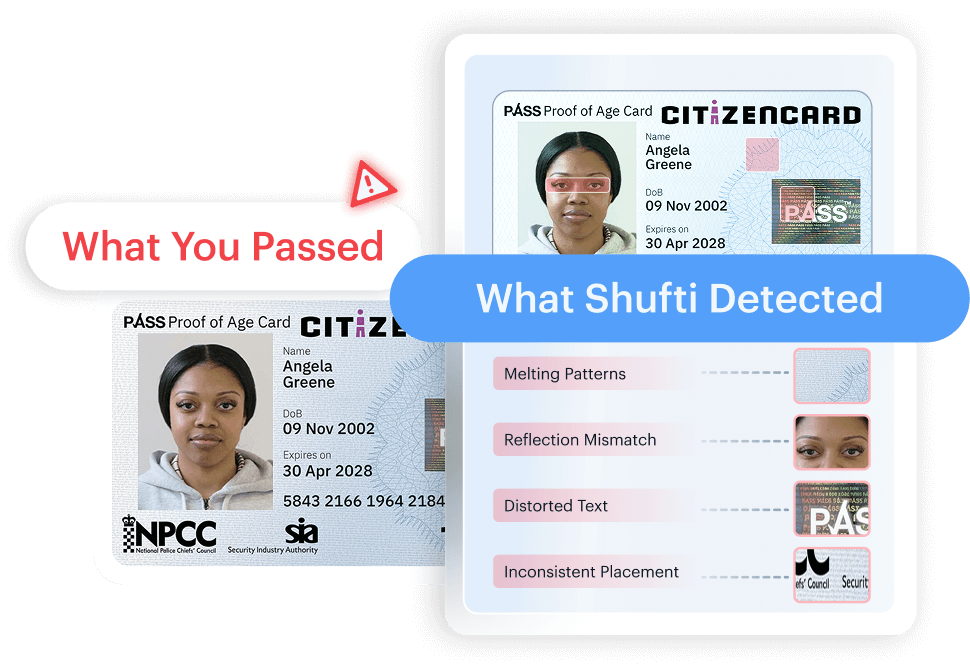
Shufti standardises verification across complex scripts and mixed national ID ecosystems, so policy and outcomes stay consistent across regions. Proprietary OCR and normalisation handle native character sets (including Devanagari, Ge’ez, Arabic, and Kanji), then transliterate and standardise fields for downstream matching and cross-border checks. This approach stays reliable across older layouts, legacy formats, and mixed-language documents that generic OCR engines often misread or reject.
POWERING ORIGINALITY CHECKS ACROSS REGIONS AND SCRIPTS
End-to-end document verification for regulated onboarding
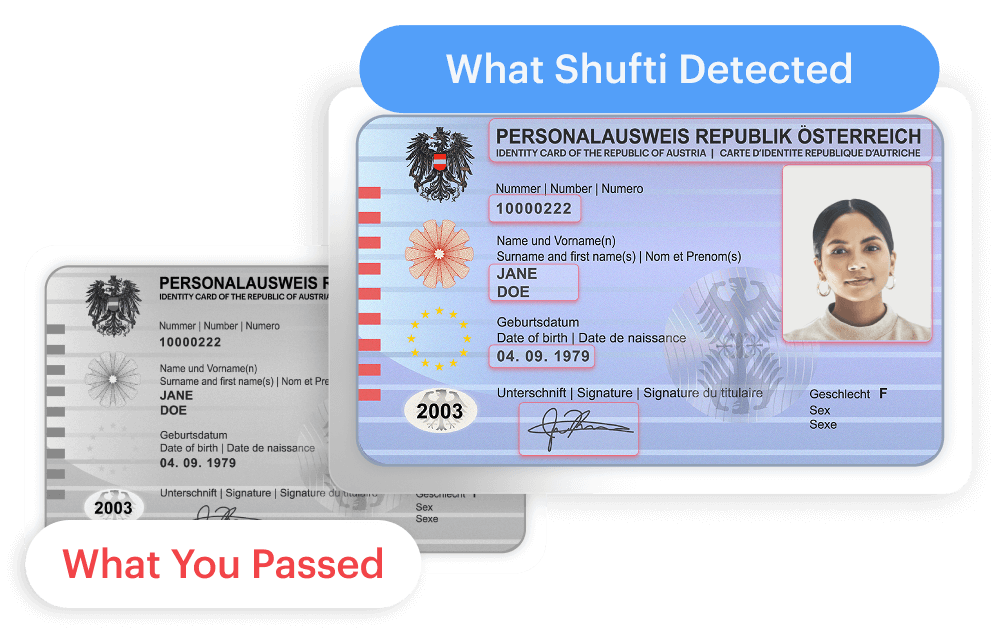
Originality & Authenticity Engine
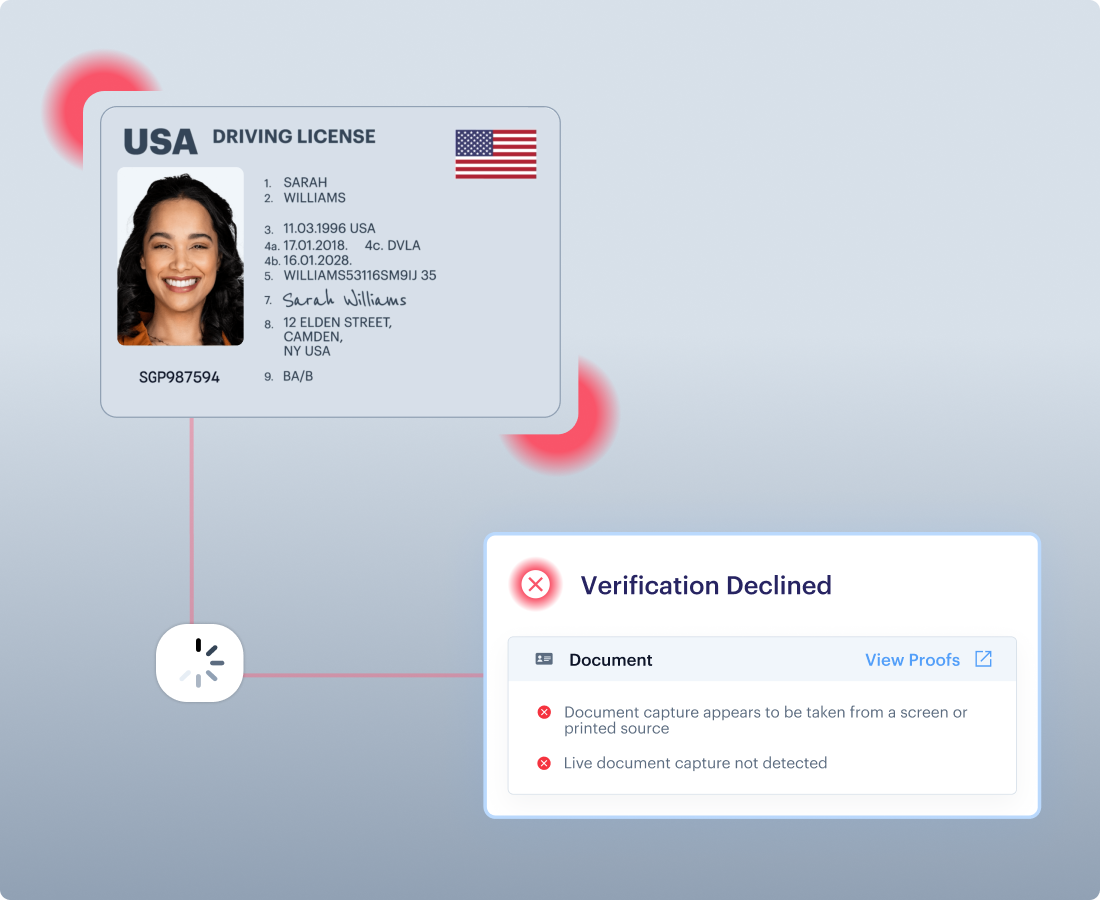
Screen recapture and replay defence
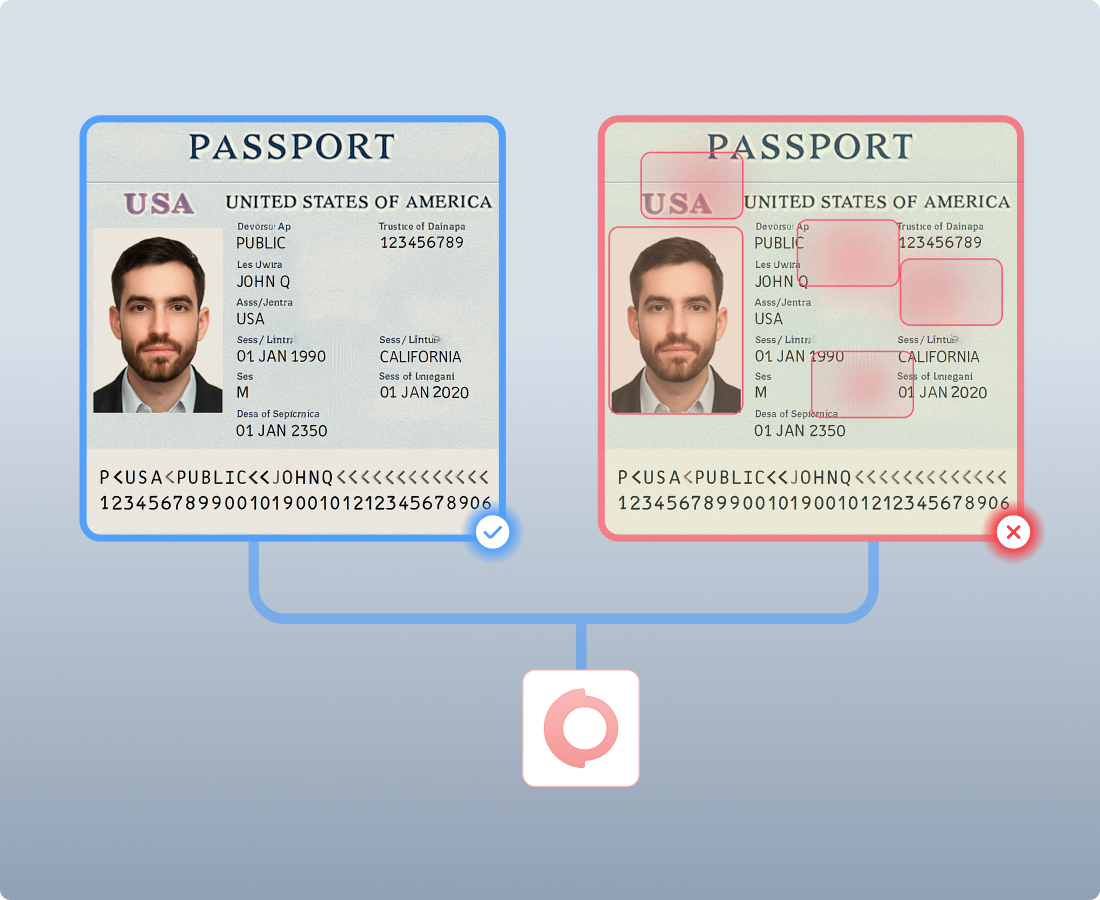
Detects screen recapture, scan and print replay, and screenshot-style submissions using file- and capture-level indicators, so onboarding is not fooled by injected or second-hand documents.
GenAI & Synthetic Document Detection
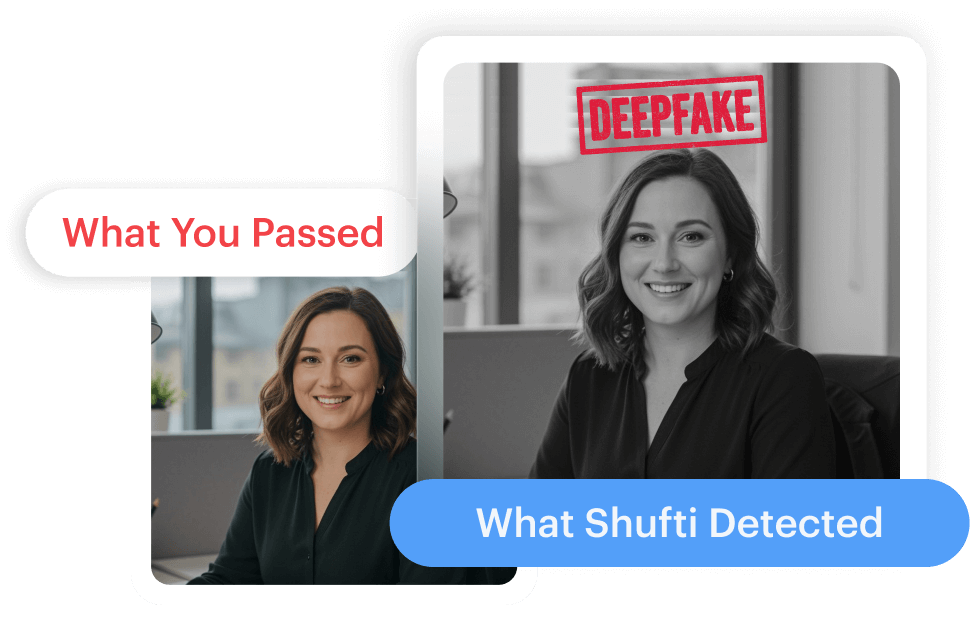
Flags synthetic artefacts and generator-style patterns early, including AI-produced textures and suspicious digital fingerprints
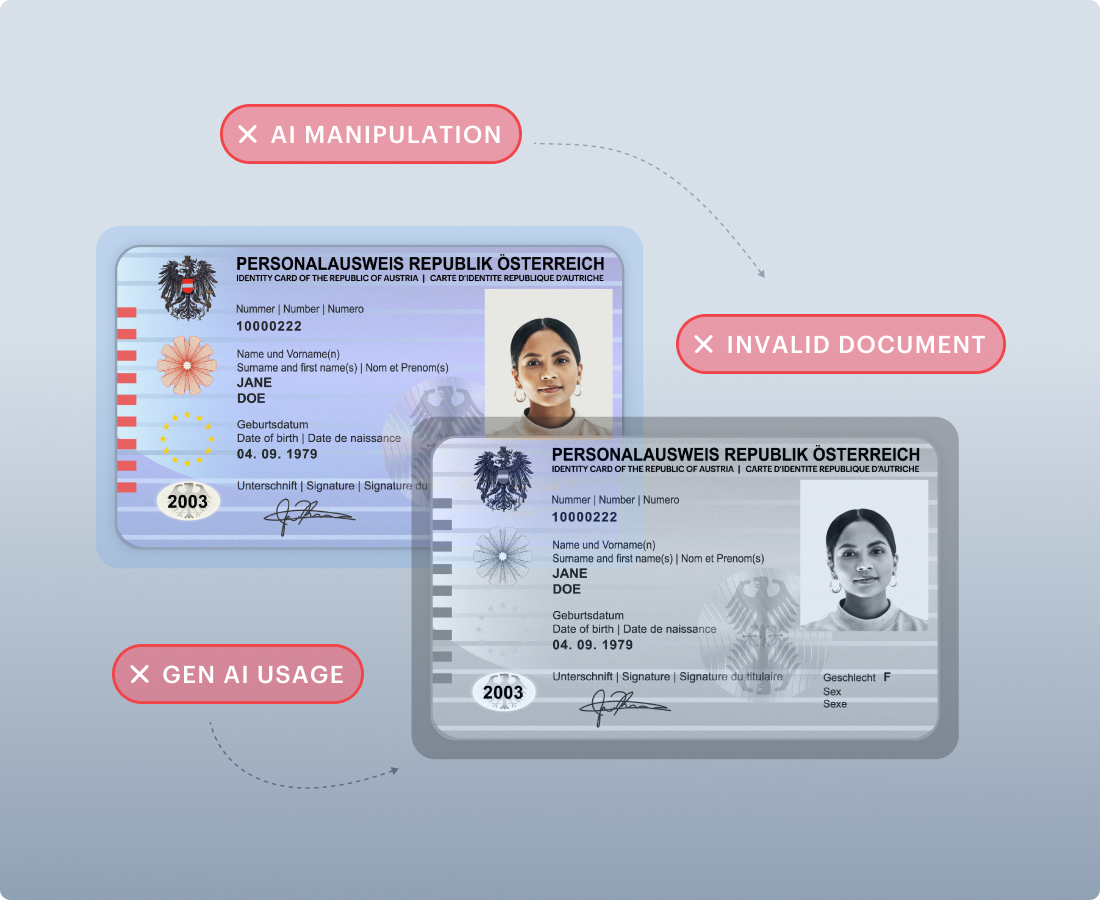
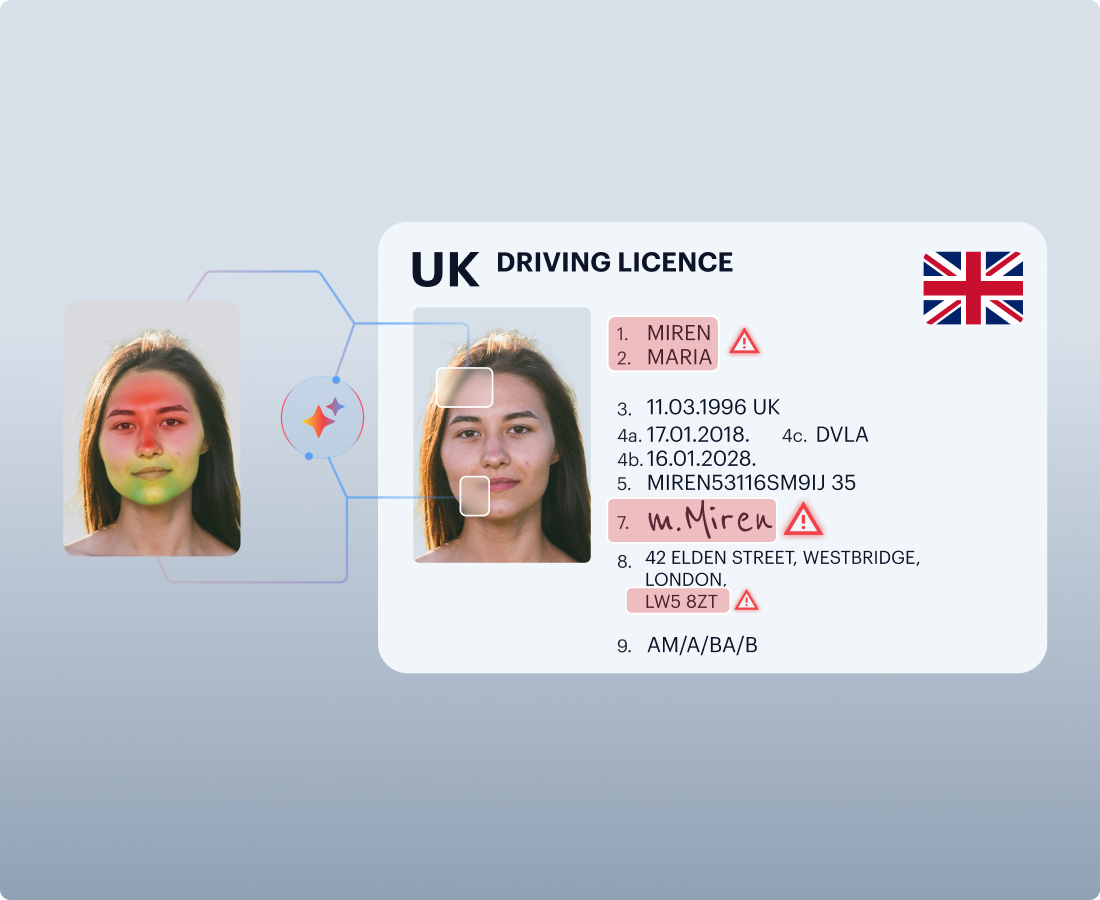
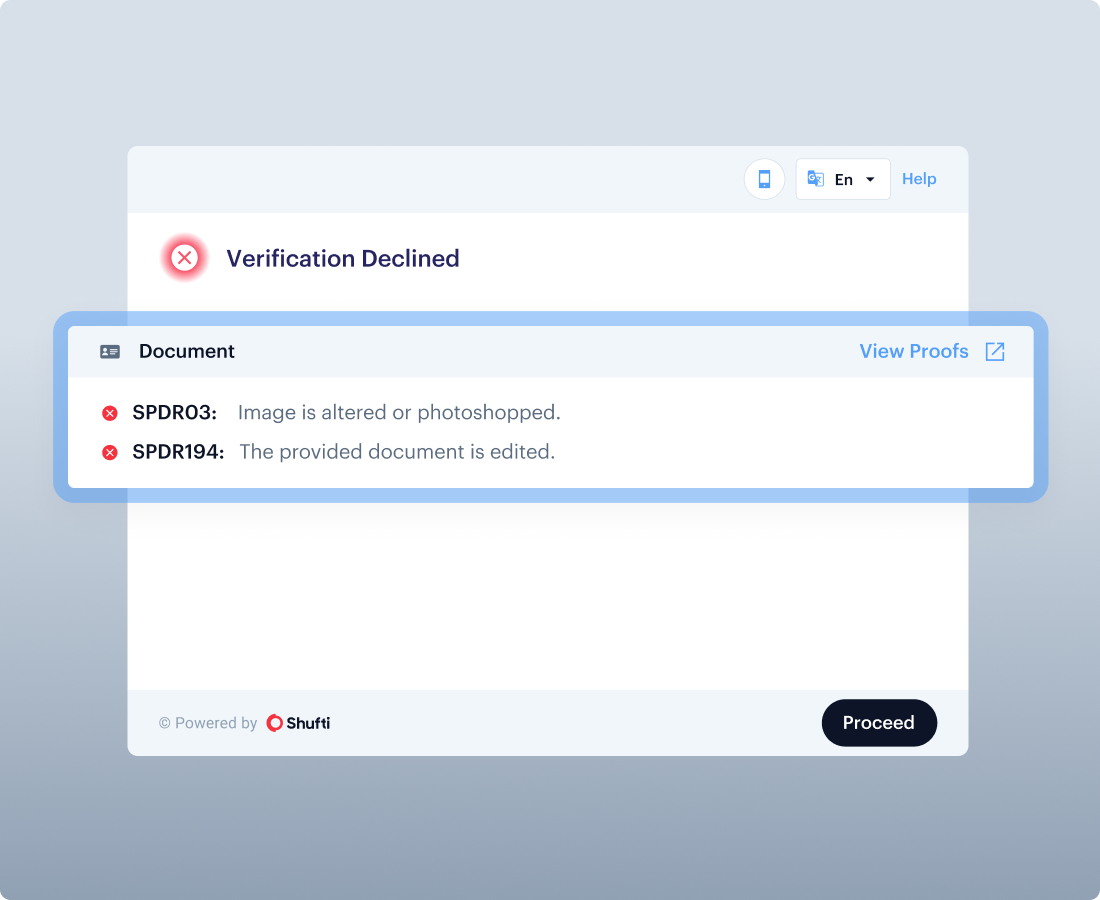
Tamper & Manipulation Detection
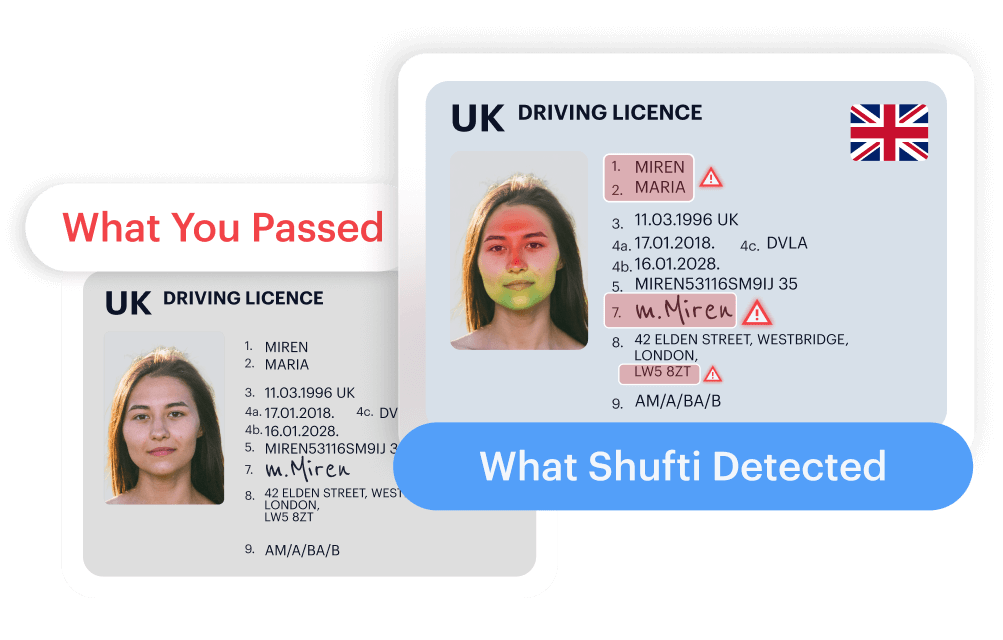
Surfaces edits, swaps, copy-move, slicing, and recompression anomalies with reviewable signals, so authenticity is assessed with evidence, not visual guesswork.
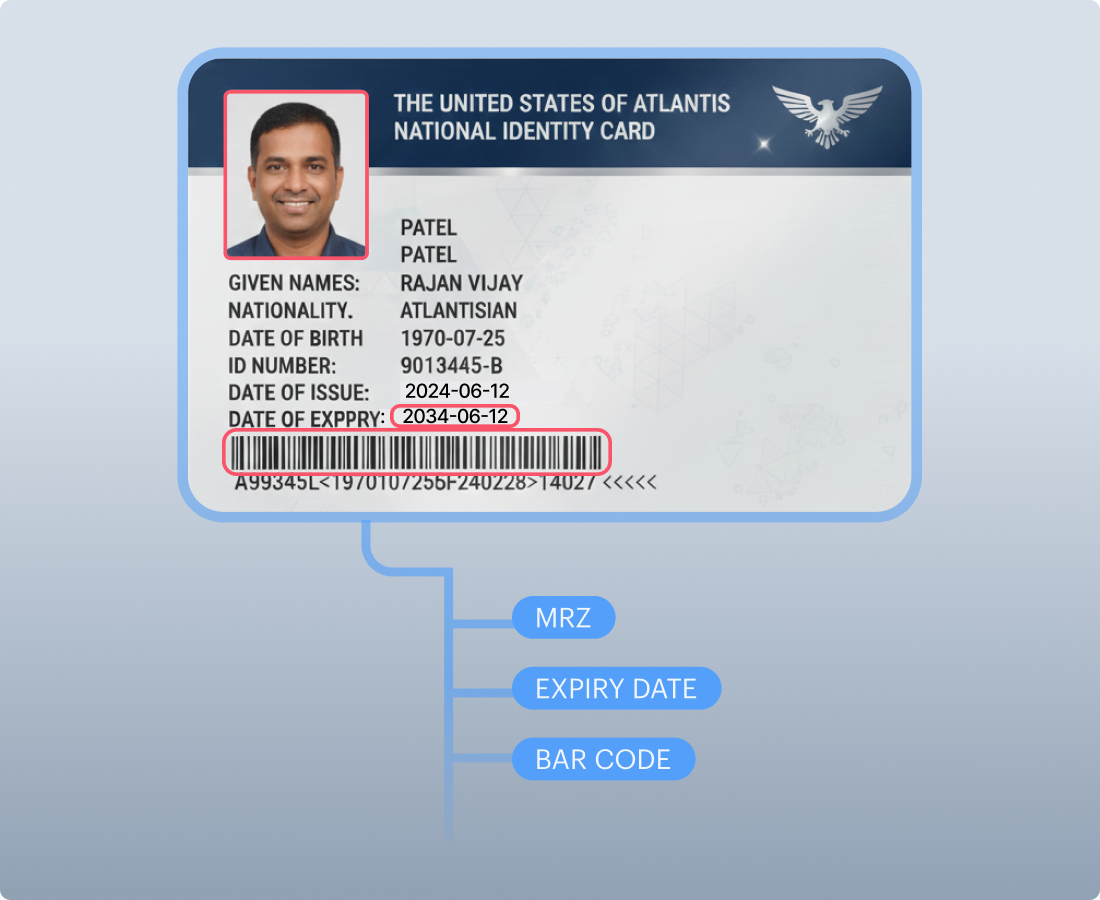
Continuous document verification Process
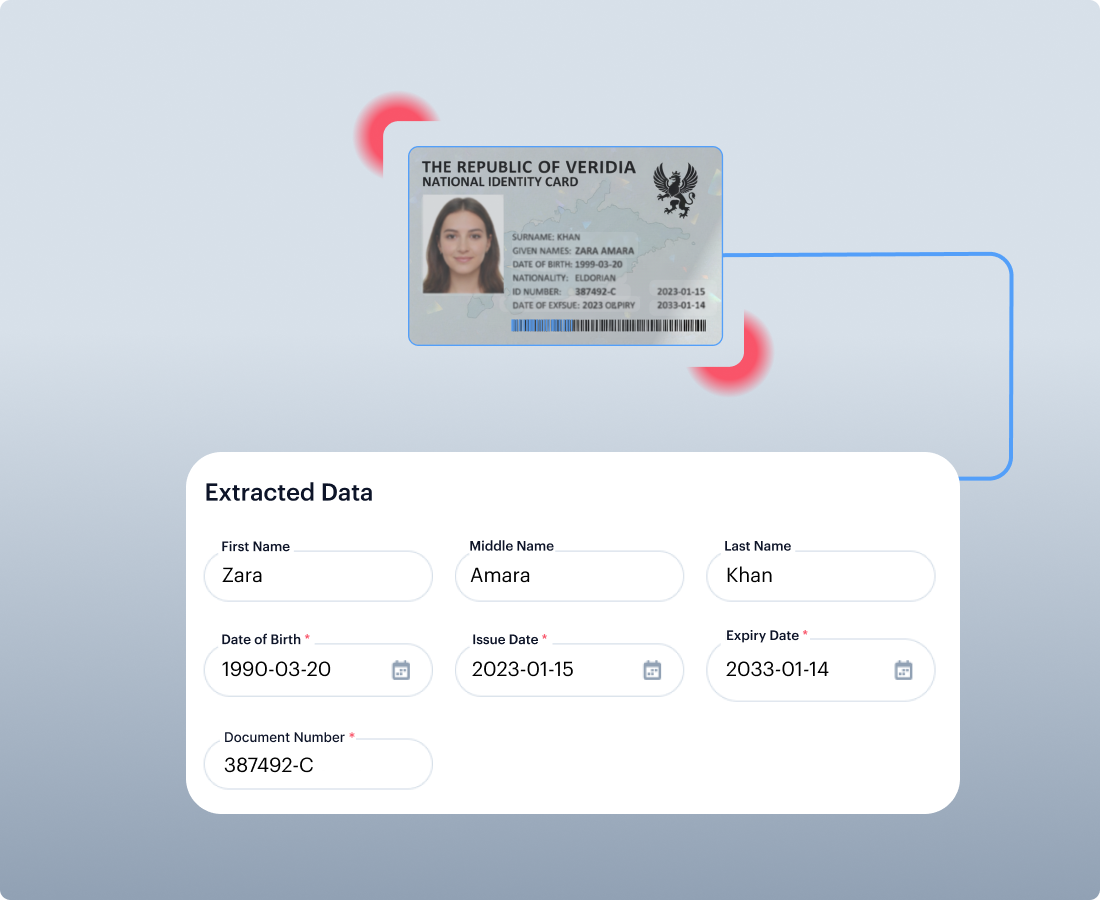
Identifies expired and soon-to-expire documents, verifies MRZ and barcode checksums where available, and applies country-specific date rules to surface invalid submissions before approval.
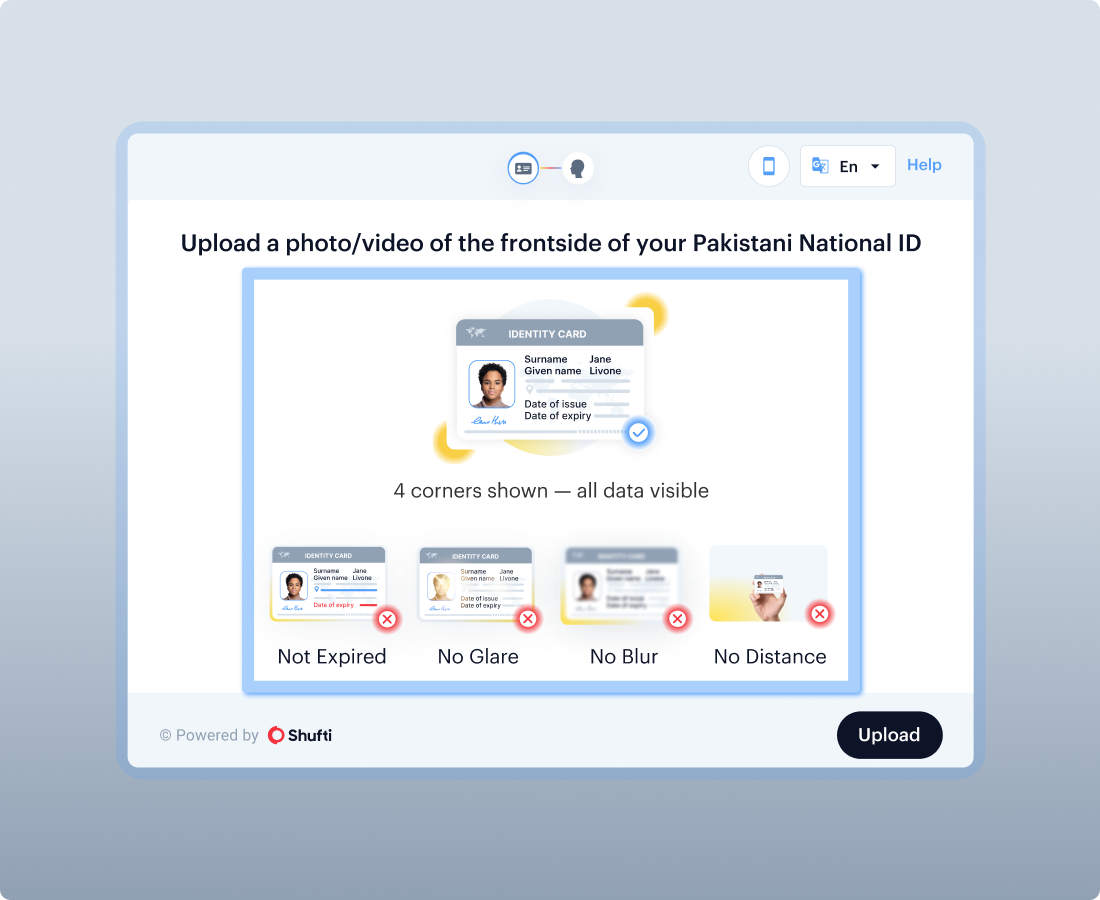

Doc360 capture resilience
Pre-upload image quality checks
Catches avoidable capture issues such as crop, glare (including laminated glare), blur, obstruction, and damage, then requests a recapture only when needed.
Submission-Type Aware Document Validation
Applies the right checks based on how the document was produced or shared: photo, scan, e-document, colour copy, or black-and-white copy, so the same policy holds across mixed document ecosystems.
Copy, reproduction, and reuse signals
Flags reproduction cues and high-risk submission patterns (scan signatures, screen capture indicators, copy traits) to spot second-hand documents and repeated misuse earlier.
Low-signal extraction resilience
Maintains extraction and integrity checks in low-signal conditions such as low contrast, poor lighting, print wear, and handwritten fields (including non-Latin scripts), so outcomes stay consistent across regions and scripts.
Cross-verification and review outputs
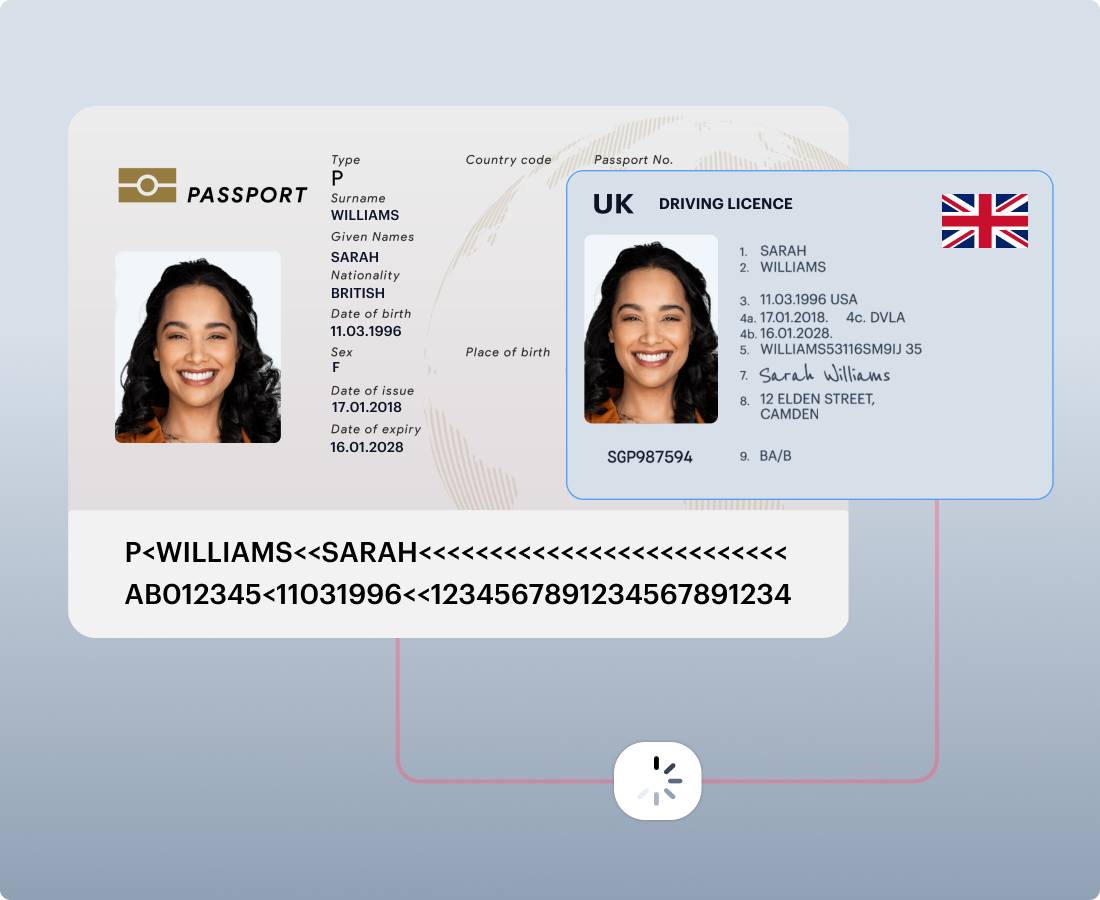
Multi-document cross-verification
Verifies each document independently, then cross-checks key fields across proofs (for example, passport vs proof of address) to confirm identity coherence.
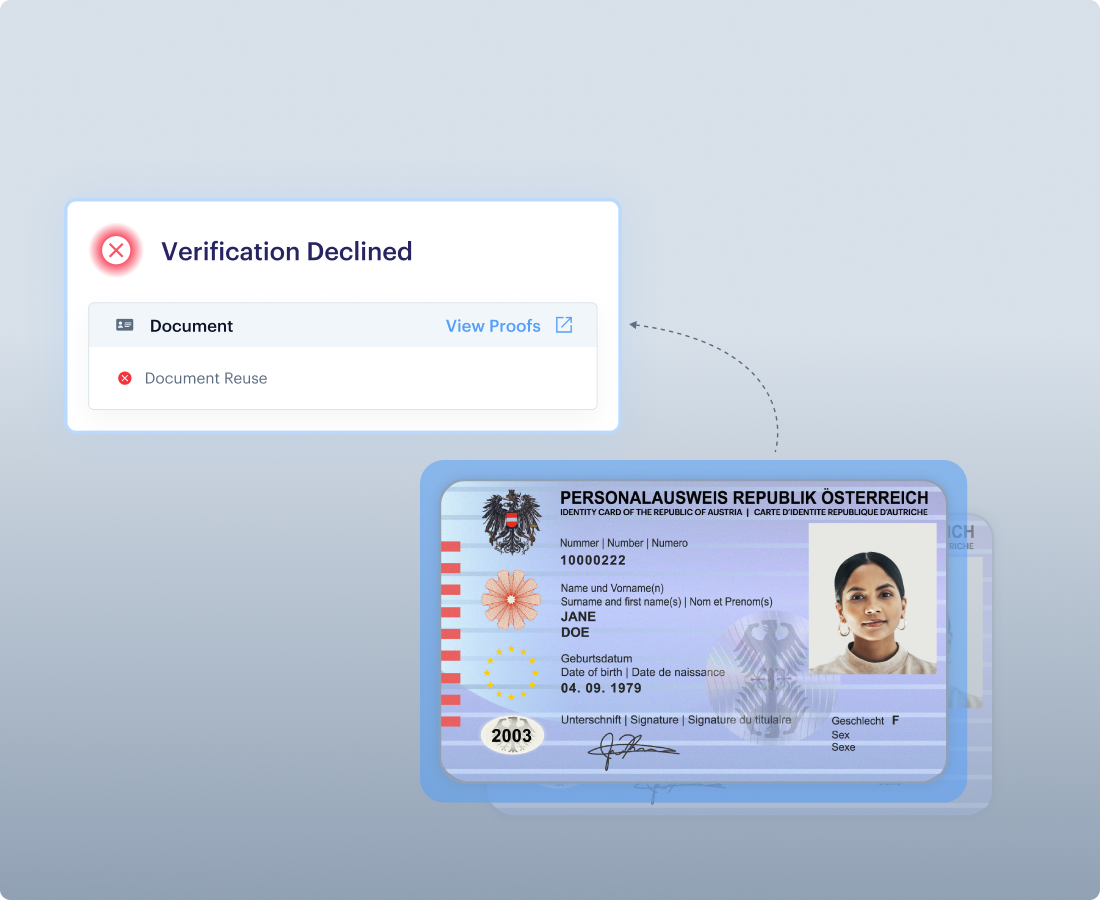
Fraud memory and deduplication
Flags document reuse and repeat-attempt patterns to reduce account cycling and re-registrations.
Review-ready outcomes
Returns coded reasons and supporting signals so compliance and operations teams can resolve cases faster and defend outcomes with evidence.
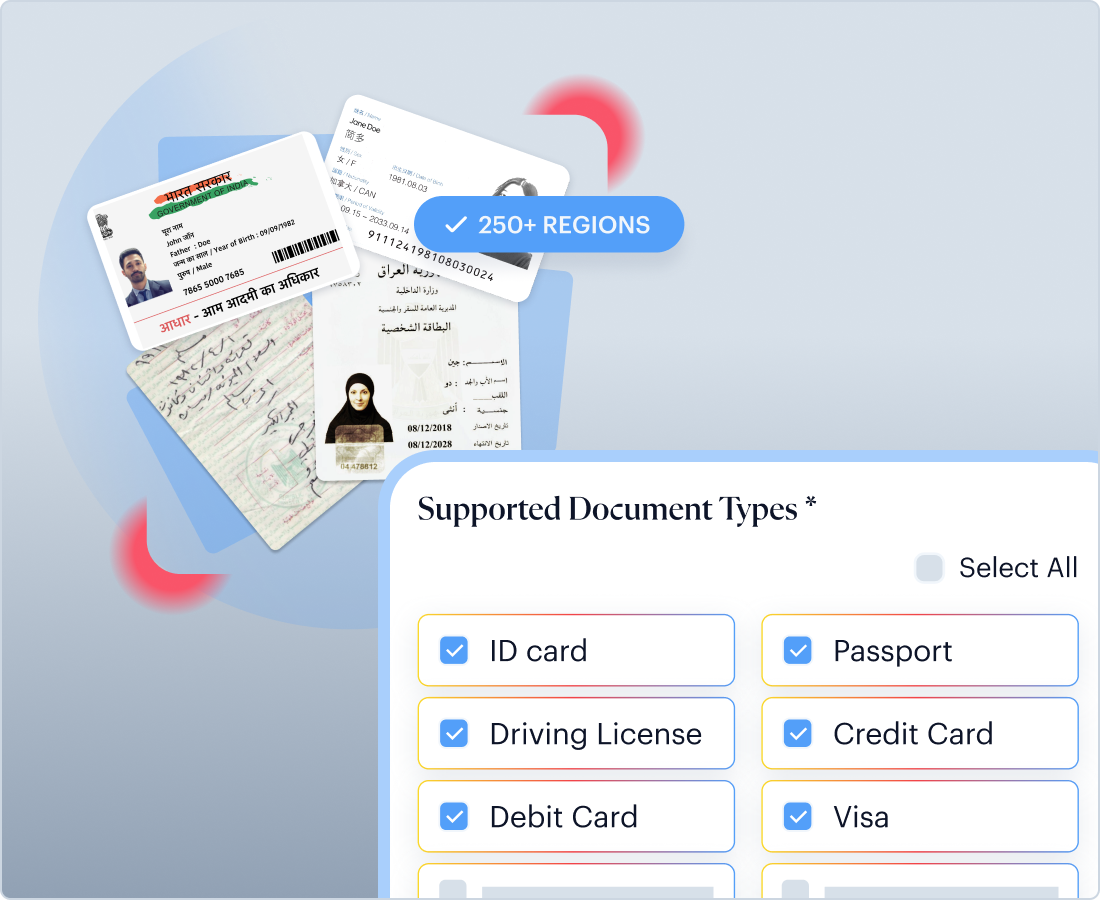
Supported document types
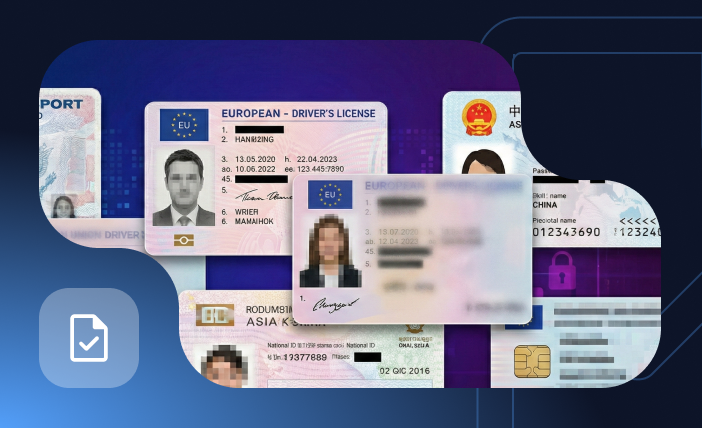
Supports government-issued IDs including passports, national ID cards, driving licences, residence permits and visas, plus supporting documents such as proof of address (for example, bank statements and utility bills), across 250+ regions.
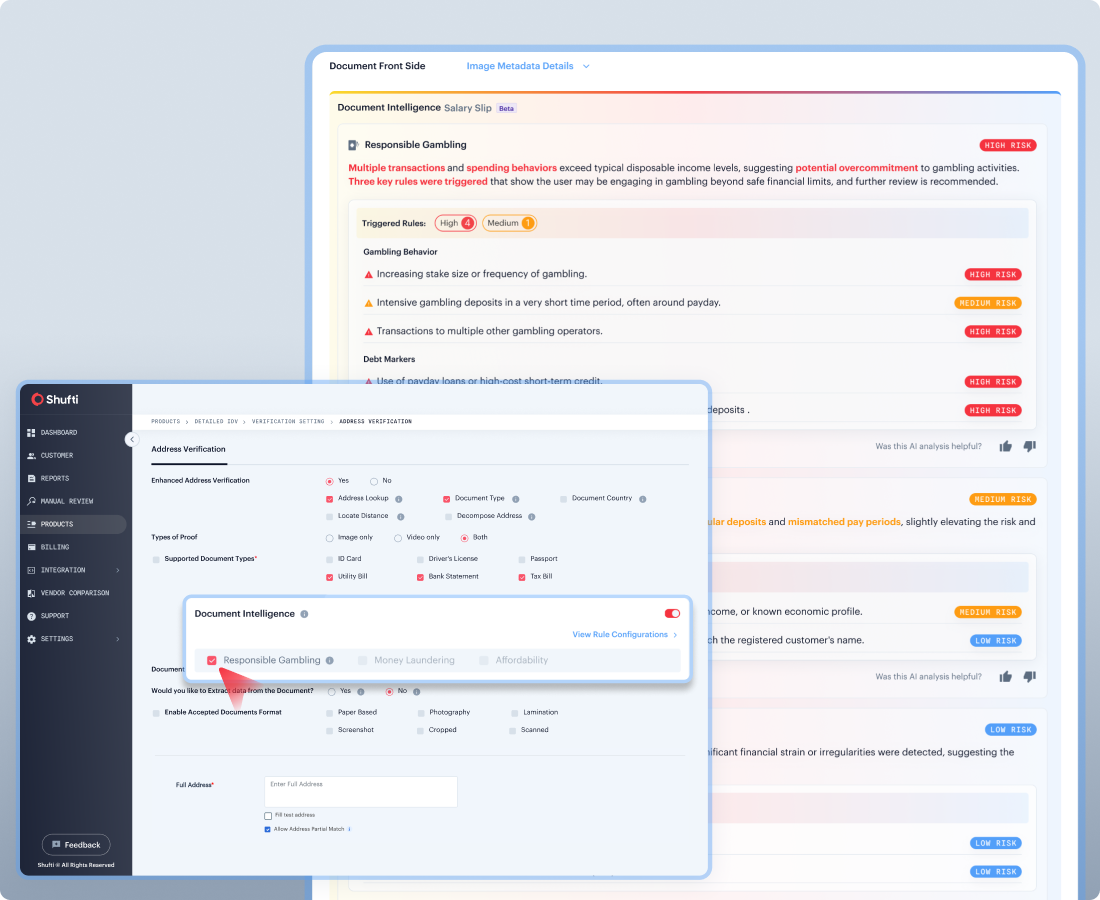
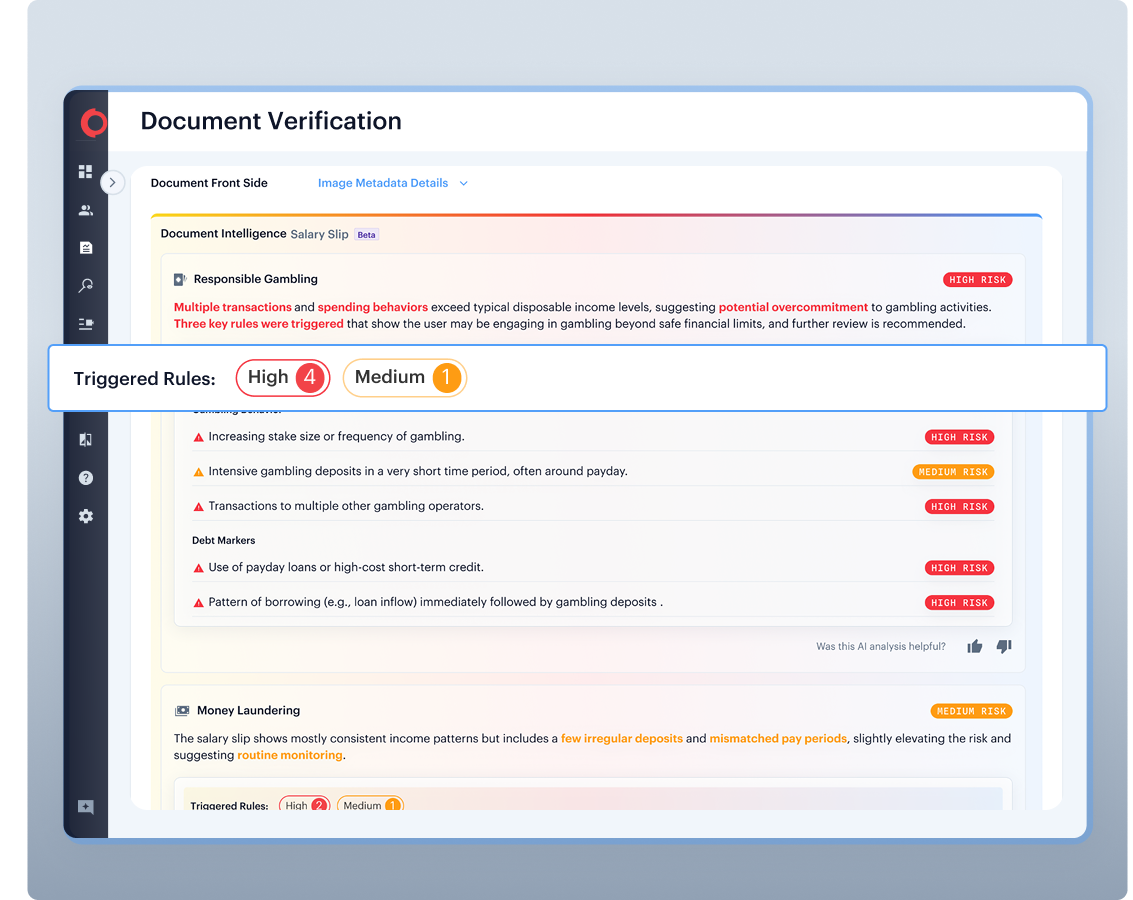
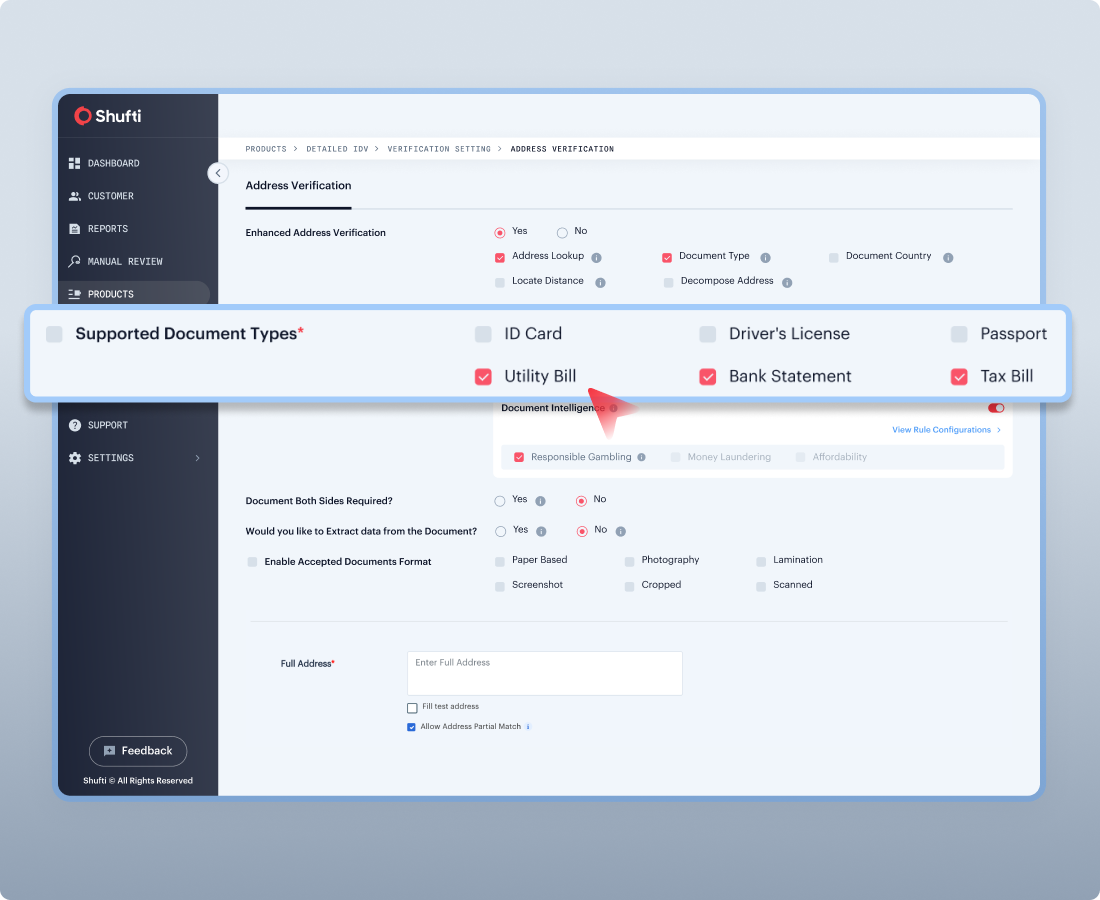
Document Intelligence
Affordability and vulnerability assessment
Helps compliance teams understand whether players are gambling within their means, and spot vulnerability early before it becomes a compliance issue or regulatory exposure.
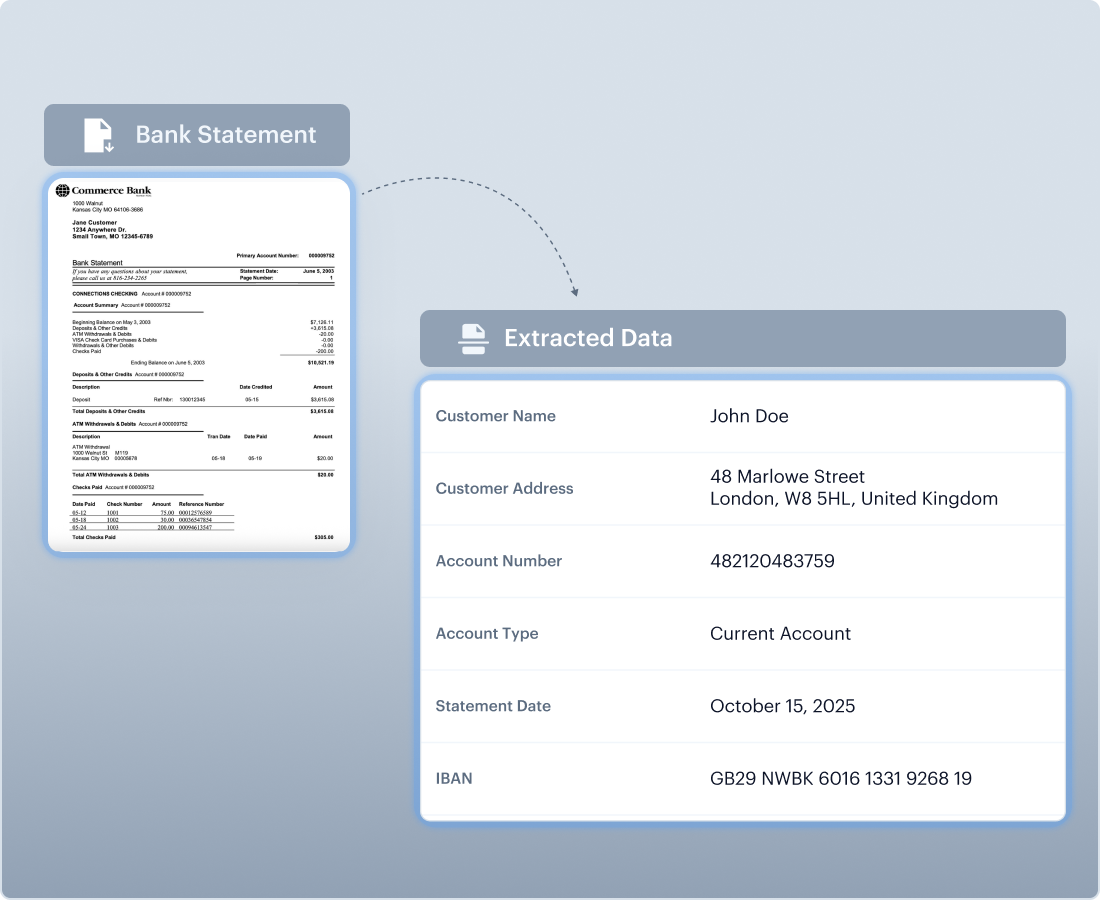
AI-powered financial document extraction
Uses proprietary AI and OCR to transform raw financial documents into actionable, explainable risk profiles for affordability checks, behavioural risk, and compliance reporting.
Explainable risk outcomes
Returns an overall player risk level (Low, Medium, High) with a rule-by-rule breakdown to defend decisions with confidence. Generates clear, human-readable reports and routes higher-risk cases to human review, while enabling faster decisions for low-risk players.
Supported financial document types
Bank statements, credit card statements, tax bills, and property/local tax notices.
Integration options for regulated journeys
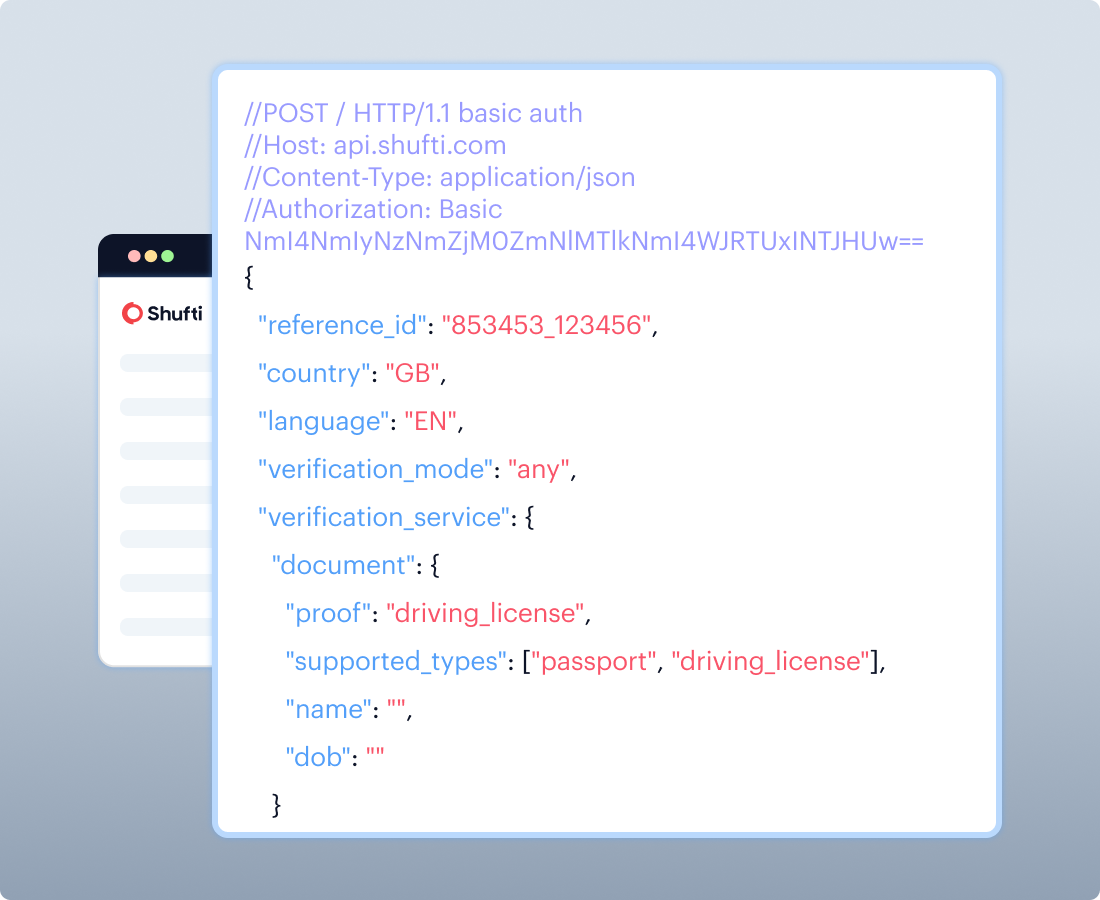
REST API
Submit document images, choose checks (originality, extraction, multi-document), and receive structured results with reason codes.
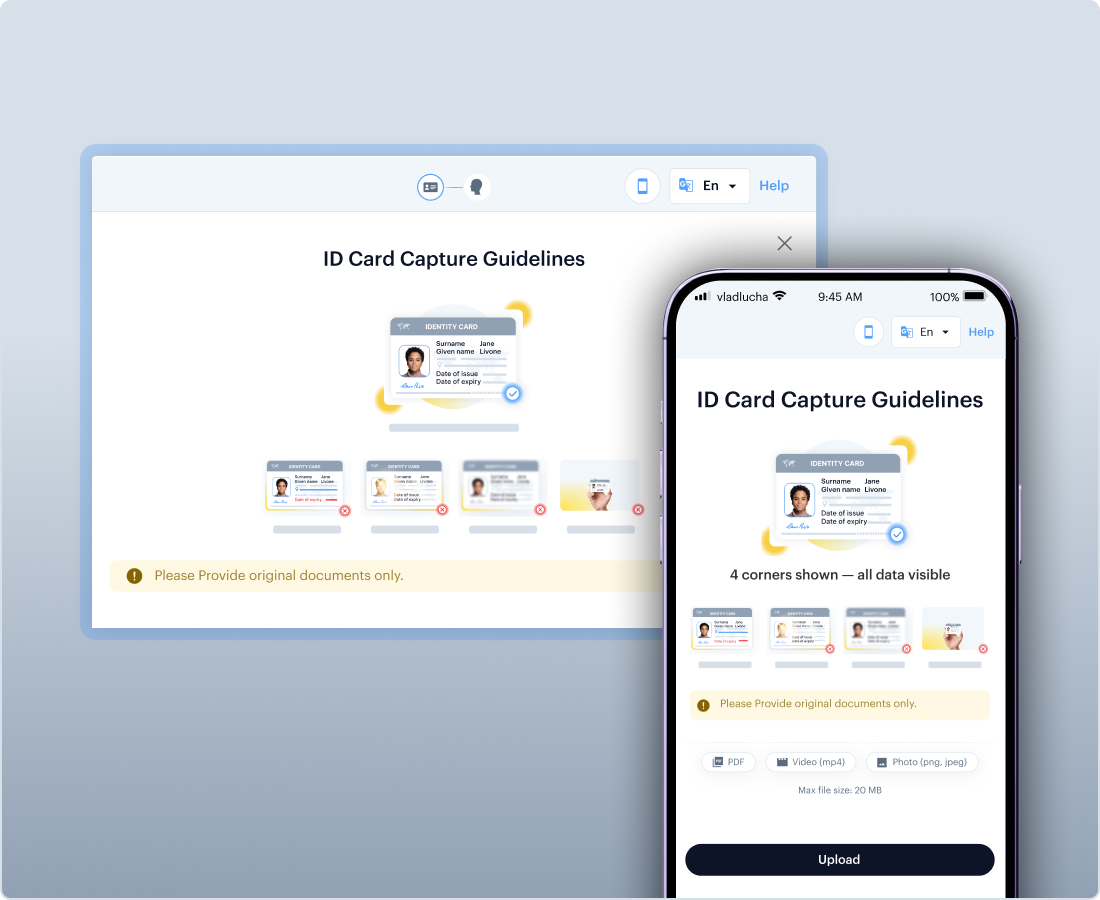
Mobile and web SDKs
Embed guided capture with quality prompts (glare, blur, crop) so users fix issues before submission and retries drop.
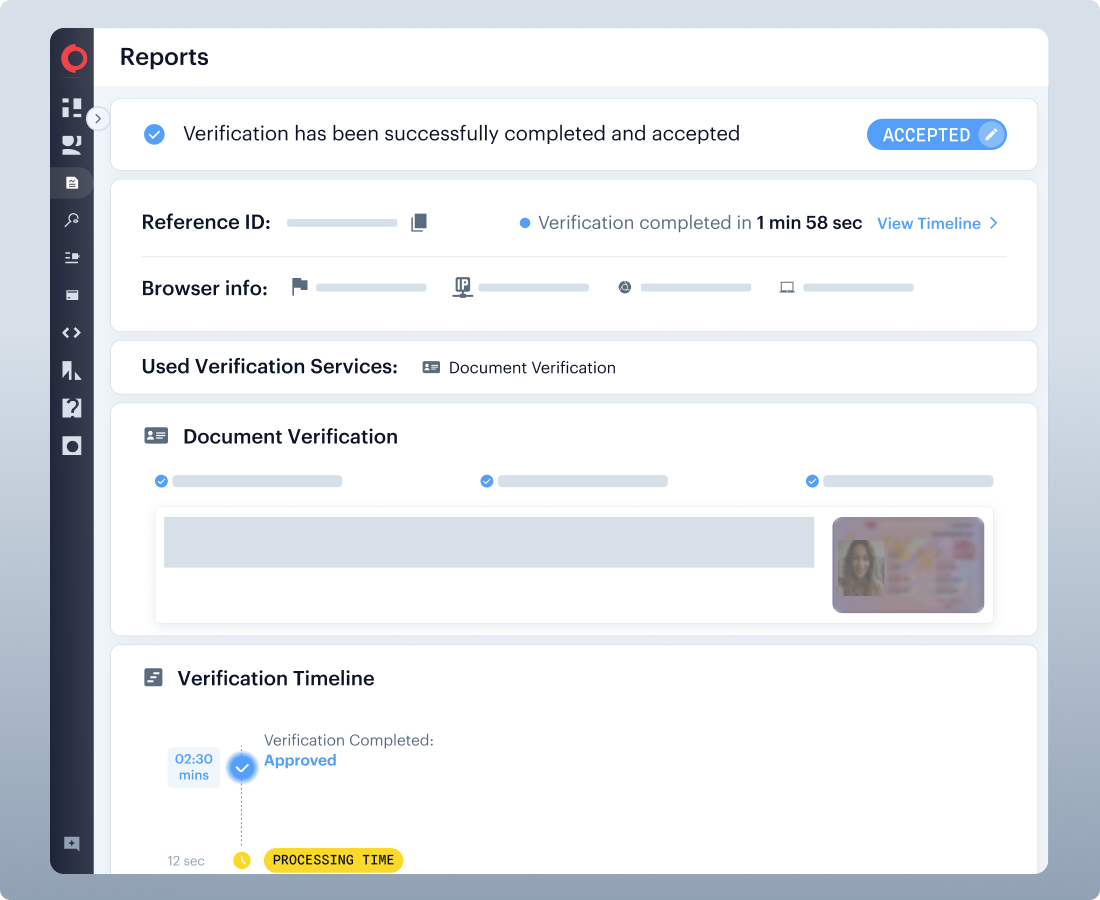
Back office
Review exceptions with supporting signals and evidence so investigations are faster and decisions stay defensible.
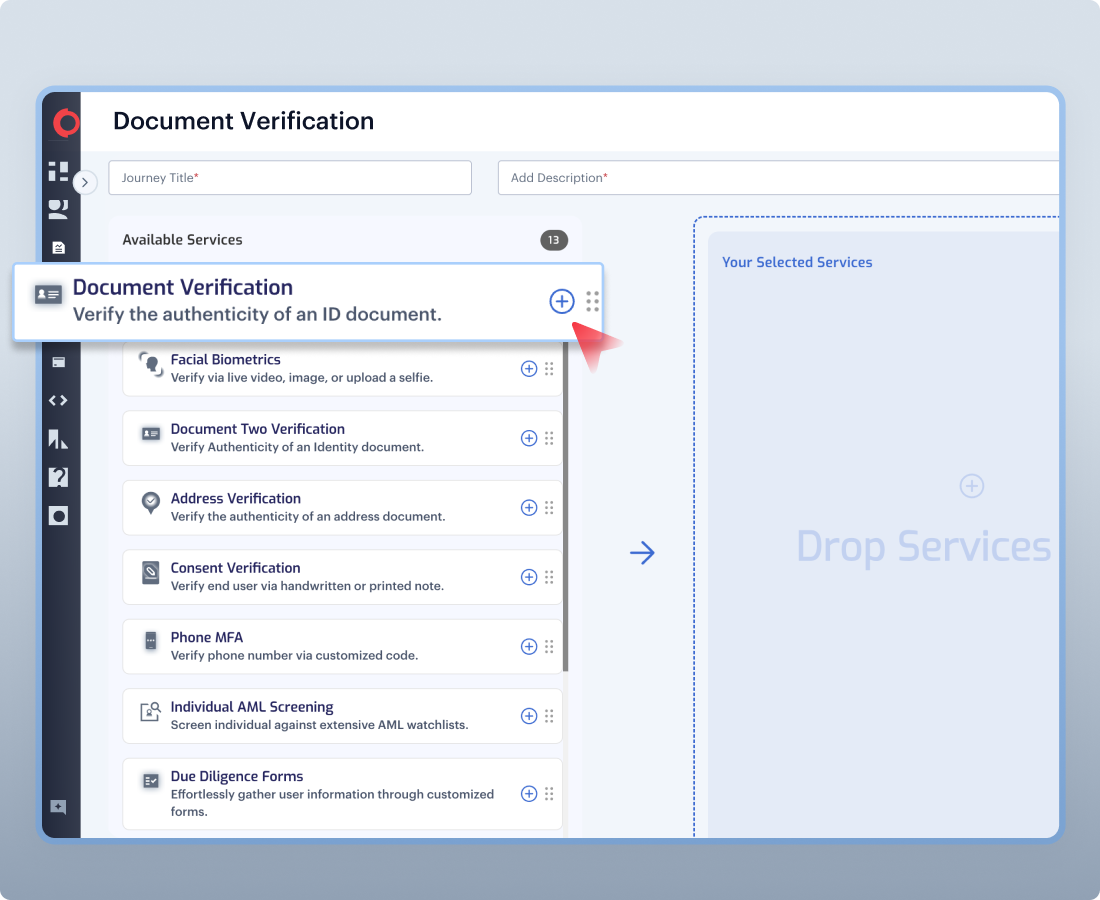
Journey builder
Configure which checks run, set thresholds, and route outcomes by risk tier without rebuilding onboarding flows.
End To End: Quality, Integrity, And Validity Checks
Four Steps of Document Verification Process
01
STEP 01
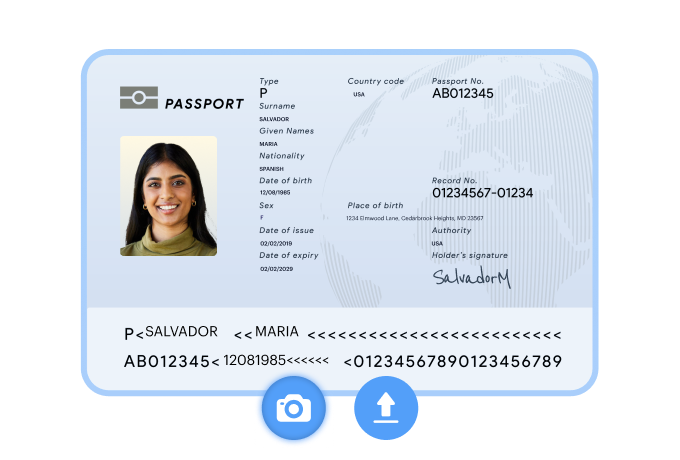
Capture
The user captures or uploads an image of their ID document.
02
STEP 02
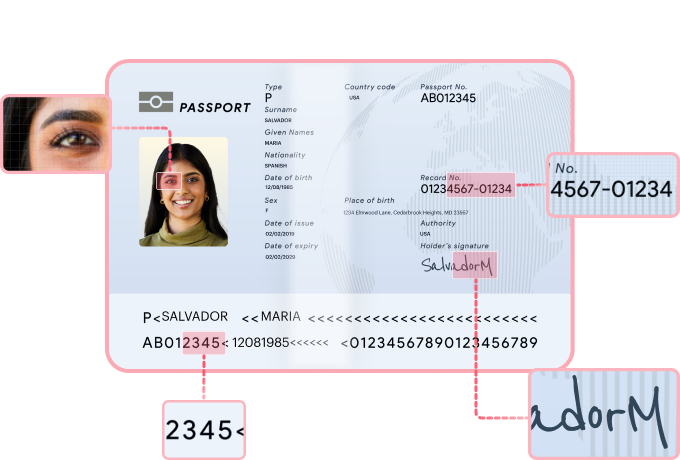
Assess Quality
Shufti checks visibility and clarity (edges, glare/blur, obstruction) and requests recapture only if needed.
03
STEP 03
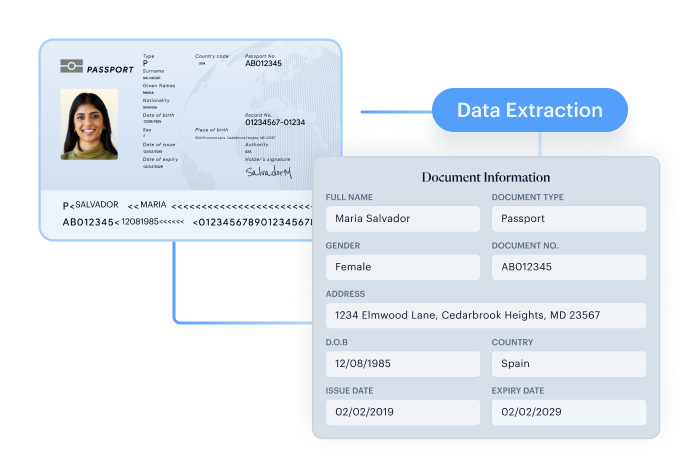
Authenticate & Extract
Shufti checks authenticity and integrity (tamper, replay/re-capture signals, synthetic patterns) and extracts key fields.
04
STEP 04
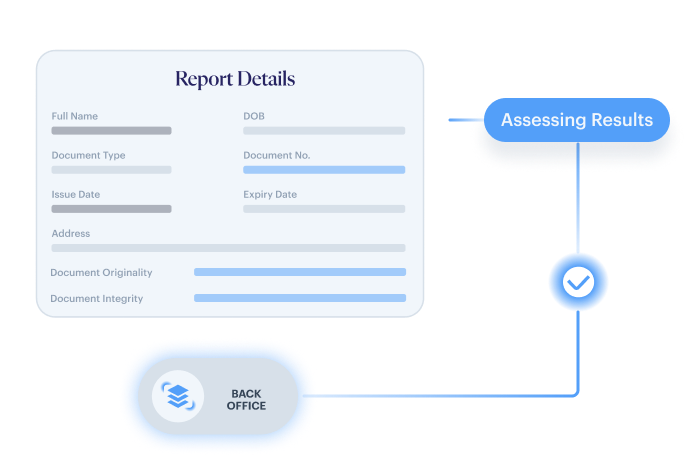
Decision
Results are returned with reasons; outcomes are recorded securely in Shufti’s back office.
Evidence-led document checks
Built for regulated and high-risk onboarding
Scale sign-ups with fewer exceptions
Multi-script extraction and capture-quality gating reduce avoidable re-uploads and manual queues, while originality checks keep synthetic/edited documents out without adding friction for genuine users.




Consistent verification across regions
Standardised checks across mixed document ecosystems keep outcomes stable market-to-market, with clear reasons for manual review when edge cases appear.



Audit-ready document authenticity
Evidence-led checks (integrity scoring, tamper detection, replay defence) help reduce false positives/negatives, keep policy consistent across markets, and make exceptions easier to justify in audits and partner reviews.




Keep onboarding smooth, block repeat abuse
Originality checks and fraud memory help flag reused documents and suspicious re-attempt patterns, reducing account cycling while keeping genuine players moving.



Faster worker verification, fewer re-checks
Capture-quality checks plus robust extraction across scripts and document conditions reduces drop-off and rework, while integrity signals keep risky submissions reviewable and defensible.



Stop mule onboarding and account farming
Replay and synthetic detection (screen/scan/print/screenshot signals + GenAI patterns) helps block high-risk submissions early, while repeat-attempt signals surface re-registrations and cycling behaviour.




Trustworthy sellers, less cycling
Document integrity scoring, tamper detection, and repeat-attempt signals help reduce seller fraud and re-registration loops, with exception handling that stays evidence-backed.




Scale sign-ups with fewer exceptions
Multi-script extraction and capture-quality gating reduce avoidable re-uploads and manual queues, while originality checks keep synthetic/edited documents out without adding friction for genuine users.
Consistent verification across regions
Standardised checks across mixed document ecosystems keep outcomes stable market-to-market, with clear reasons for manual review when edge cases appear.
Audit-ready document authenticity
Evidence-led checks (integrity scoring, tamper detection, replay defence) help reduce false positives/negatives, keep policy consistent across markets, and make exceptions easier to justify in audits and partner reviews.
Keep onboarding smooth, block repeat abuse
Originality checks and fraud memory help flag reused documents and suspicious re-attempt patterns, reducing account cycling while keeping genuine players moving.
Faster worker verification, fewer re-checks
Capture-quality checks plus robust extraction across scripts and document conditions reduces drop-off and rework, while integrity signals keep risky submissions reviewable and defensible.
Stop mule onboarding and account farming
Replay and synthetic detection (screen/scan/print/screenshot signals + GenAI patterns) helps block high-risk submissions early, while repeat-attempt signals surface re-registrations and cycling behaviour.
Trustworthy sellers, less cycling
Document integrity scoring, tamper detection, and repeat-attempt signals help reduce seller fraud and re-registration loops, with exception handling that stays evidence-backed.
Scale sign-ups with fewer exceptions
Multi-script extraction and capture-quality gating reduce avoidable re-uploads and manual queues, while originality checks keep synthetic/edited documents out without adding friction for genuine users.
Consistent verification across regions
Standardised checks across mixed document ecosystems keep outcomes stable market-to-market, with clear reasons for manual review when edge cases appear.
Audit-ready document authenticity
Evidence-led checks (integrity scoring, tamper detection, replay defence) help reduce false positives/negatives, keep policy consistent across markets, and make exceptions easier to justify in audits and partner reviews.
Keep onboarding smooth, block repeat abuse
Originality checks and fraud memory help flag reused documents and suspicious re-attempt patterns, reducing account cycling while keeping genuine players moving.
Faster worker verification, fewer re-checks
Capture-quality checks plus robust extraction across scripts and document conditions reduces drop-off and rework, while integrity signals keep risky submissions reviewable and defensible.
Stop mule onboarding and account farming
Replay and synthetic detection (screen/scan/print/screenshot signals + GenAI patterns) helps block high-risk submissions early, while repeat-attempt signals surface re-registrations and cycling behaviour.
Trustworthy sellers, less cycling
Document integrity scoring, tamper detection, and repeat-attempt signals help reduce seller fraud and re-registration loops, with exception handling that stays evidence-backed.
Everything you need to know in one place
Frequently Asked Questions
What documents does Shufti support?
Government issued IDs and supporting documents across global regions and formats, including varied capture quality and complex scripts.
How does Shufti reduce manual review without increasing fraud?
Quality gating and integrity scoring keep genuine users moving, while exceptions surface with forensic signals and supporting evidence.
Can more than one document be verified in a single flow?
Yes. Multi document verification checks both documents and confirms they belong to the same person.
How are non-Latin scripts and handwritten fields handled?
Multi script OCR, handwritten recognition, and transliteration help keep extraction consistent across markets.
Does Shufti detect repeat attempts and re-registrations?
Yes. Reused documents and suspicious re-attempt patterns are flagged to help prevent account cycling.
How does Document Verification Solution integration work?
API and SDK based deployments with webhook delivery to embed verification into onboarding.
What are Shufti’s Deployment Options?
Deploy in the cloud or on-prem based on your data and compliance needs, and combine document verification with other KYC services in the Shufti suite powered by proprietary technology.
High-precision document forensics for sophisticated fraud checks
Shufti verifies documents using integrity scoring, replay defence, and forensic checks, keeping genuine users moving and exceptions reviewable.
Designed for Identity, Fraud & Compliance at Scale
Resources

January 5, 2026
4 minutes read
Shufti Expert Agent Review Modes
Controlled human-in-the-loop review modes to match verification intensity to your risk appetite.
Solution Sheet