




 Face Verification
 Address Verification
 Document Verification
 Age Verification
 VideoIdent
 Fast ID
 Docless Verification
 Consent Verification
 NFC Verification
 Business Verification
 Due Diligence
 Investor Verification
 E-Signature

 QES
QES
 AML Screening
 Transaction Monitoring
 Adverse Media
 Business AML Screening
 PEP & RCA
 Sanctions
 Watchlist
 Behavioural Biometrics
 Device Fingerprinting
 Biometric Face Authentication
 MFA
MFA
 Fraud Hub
 Onboarding
 Ongoing Monitoring
 KYC
KYC
 KYB
KYB
 KYI
KYI
 Age Assurance
 Identity Verification
 Workforce IAM
 Candidate Verification
 Compliance
 Fraud prevention
 Trust & safety
 Global expansion
 Product Managers
 Compliance Officers
 Fraud Analysts
 Developers
 Deepfake Detection
 Bonus Abuse / Promotion Abuse
 Account Takeover
 Synthetic Identity Fraud
 Document Fraud
 Impersonation Fraud
 Multi-Accounting
 Fraud Networks
 Chargeback Fraud
 Money Mule Activity
 Party Fraud
 Regulatory & Compliance Risks
 Fintech
 Crypto
 iGaming
 Forex
Forex
 Social Network
 Marketplace
 Banking
 Gig Economy
 Payments
 Ride Hailing
 Adult Content
 Blind Spot Audit
 Deepfake Detector
 Liveness Spoofs
 Document Originality
 Document Deepfake
 Global Trust Platform
 Journey Builder
 Case Management
 Shufti AI
 Fraud Analytics
 Vendor Comparison
 Brand Personalisation
 AI Compliance Co-Pilot
 OCR
OCR
 Secure Capture
 Deployment Options
 Identity Methods
 API Documentation
 Mobile SDKs
 Service Status
 Help Center
 Contact Us
 Technical Support
 Supported Documents
 Supported Countries
 Content library
 Blogs
Blogs
 News
News
 Reports
 Insights
 Knowledgebase
 ROI calculator
 About
About
 Career
 Press Release
 Certifications
 Partnership
 Awards
 Events & Webinar
 Interactive Demo
 Podcast Studio
 Spotlight Studio
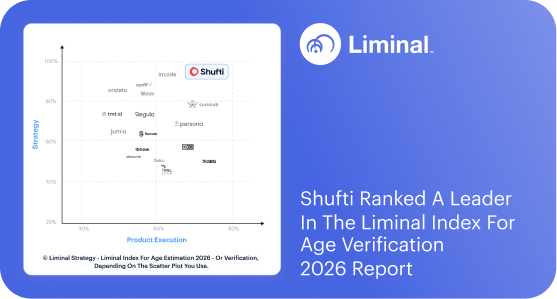
FATF issues new guidance on Digital Identity systems
A guidance paper has been issued by the Financial Action Task Force (FATF) to assist governments, financial institutions, VASPs or virtual asset service providers, and other regulatory bodies to decide whether such systems are relevant for CDD or customer due diligence purposes or not.
Digital transactions are growing by almost 13% a year. Digital ID’s such as ePassports and electronic driving licences using technology like fingerprint and iris scans will become more common. This #FATF guidance paper assesses the issues➡️https://t.co/kwE23V9QN8 #FollowTheMoney pic.twitter.com/LxCMQk8yFu
— FATF (@FATFNews) March 6, 2020
The guidance paper was introduced last month at the FATF meeting and follows the previous draft guidance which was issued in 2019. Although it is focused to be technologically neutral, it still sets a decision process to establish whether a digital identification system meets the FATF requirements for Customer Due Diligence.
According to the FATF, authentic digital identification can make it simple, inexpensive and safe to authenticate individuals in the financial sector. Furthermore, it can also assist with transaction monitoring requirements and reduce weaknesses in human control procedures.
Customer verifications and transactions that depend on authentic digital identity systems with suitable risk minimization protocols in place present an ordinary or low level of risk, according to the guidance paper. It is also highlighted that the use of digital Identity verification systems in customer onboarding can help support financial inclusion targets.
The FATF offers directions for local authorities, specifically to develop explicit guidelines or rules allowing the relevant, risk-based use of reliable, independent digital ID systems by regulatory institutions for AML/CFT purposes. According to the guidance, the risk-based approach depends on consensus-driven assurance models and standards that are constantly polished and modified to develop an extensive worldwide standard for digital identification systems.
For regulated institutions, the guidance says dependence on digital ID systems for customer due diligence should be enlightened by an interpretation of their assurance levels, especially for identity proofing and validation, and whether said assurance levels are suitable for the ML/TF risks associated with the customer, product, jurisdiction, geographic reach, and other factors.