AMLR Solutions
  AMLR Consultation
 EUDI Wallet
 Onboarding
 Ongoing Monitoring
 FRAML
FRAML KYC
KYC KYB
KYB KYI
KYI Age Assurance
 Workforce IAM
 Candidate Verification
 Account Takeover
 Bonus/ Promotion Abuse
 Chargeback Fraud
 Deepfake
 Document Fraud
 Fraud Networks
 Impersonation Fraud
 Money Mule Activity
 Multi-Accounting
 Party Fraud
 Regulatory & Compliance Risks
 Synthetic Identity Fraud
 Adult Content
 Banking
 Crypto
 Fintech
 Forex
Forex Compliance
 Fraud prevention
 Trust & safety
 Global expansion
 Compliance Officers
 Developers
 Fraud Analysts
 Product Managers
 Journey Builder
  Global Trust Platform
 Customer Profiles
 Vendor Comparison
 IDV Case Management
 AML Case Management
 Regulatory Reporting
 Agentic Rule Builder
  AI Compliance Co-Pilot
  Fraud Analytics
 Fraud Hub
  OCR
OCR Shufti AI
 Bank Account Verification
  Biometric Duplication
 Database Checks
 Document Intelligence
 Government ID
 Mobile Driver's License
 NFC
NFC Selfie Liveness
 Brand Personalisation
 Deployment Options
 Identity Methods
 IDV Modes
 Multi-tenancy
 On-Premise IDV
 Secure Capture
 Shufti MCP











To combat global financial crime, governments and international bodies impose strict penalties known as financial sanctions. These regulations target individuals, entities, and even entire countries that have deemed as posing a risk to global security or in violation of international laws. Sanctions are a powerful tool used to disrupt illicit activity, including terrorism, money laundering, and the distribution of weapons of mass destruction.
Understanding Financial Sanctions
Financial sanctions are restrictions published by organizations such as the United Nations, the European Union, and national regulatory bodies. These measures are designed to protect the financial system from abuse and ensure compliance with international legal standards.
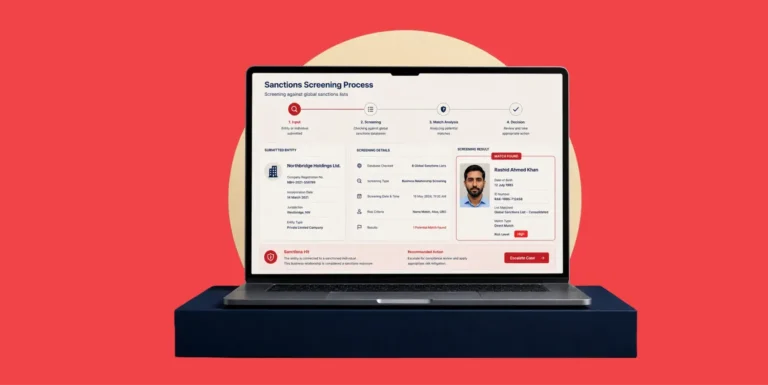
Businesses around the world are legally obligated to follow these sanctions. This means screening customers and transactions against published sanctions lists to detect and prevent ties with high-risk individuals or organizations.
Why Sanctions Lists Are Critical
A sanctions list includes names and identifying details of individuals and organizations considered high-risk. These lists help banks, fintech firms, and other financial institutions avoid unknowingly supporting criminal networks or violating international laws.
Here are some of the most widely used sanctions lists:
1. Specially Designated Nationals and Blocked Persons List (SDN)
Maintained by the U.S. Office of Foreign Asset Control (OFAC), this list includes people and companies connected to targeted countries or illegal activities. Their assets may be frozen, and U.S.-based organizations are prohibited from conducting business with them.
2. Specially Designated Global Terrorist (SDGT) List
Also issued by OFAC, this list targets individuals and organizations associated with terrorism. It supports efforts to counter the financing of terrorists (CFT) by freezing assets and limiting access to financial systems.
3. OFSI Consolidated List
The UK’s Office of Financial Sanctions Implementation (OFSI) publishes this list, which includes asset freezes and financial restrictions across the UK. It helps institutions detect links to criminal enterprises or politically exposed persons.
4. UN Sanctions List
The UN Security Council enforces various sanctions targeting arms proliferation, human rights violations, and terrorism. These measures may include travel bans, asset freezes, and restrictions on trade or commodities.
5. European Union Sanctions
The EU regularly publishes updated sanctions that target industries, entities, and individuals involved in activities that threaten peace, security, or human rights.
6. Other Global Sanctions
Countries like Canada, Australia, and Japan maintain their own sanctions programs, contributing to a broader goal effort to identify and block unlawful activity across borders.
What Information Is Found in a Sanctions List?
Sanctions lists typically include:
- Full legal name
- Date and place of birth
- Nationality
- Passport, ID card, or other identification details
- Unique identifiers such as Social Security
- Date of inclusion on the list
- Known associates, family ties, or linked businesses
This detailed information enables organizations to conduct enhanced due diligence when onboarding customers or processing transactions.
Global Trends in Financial Sanctions
As geopolitical tensions rise to higher highs, sanctions frameworks have become more agile and tech-driven. Recent trends include:
- Real-time sanctions screening using AI and machine learning
- Dynamic list updates reflecting fast-changing global events (e.g., conflicts, political unrest)
- Increased collaboration between countries to close loopholes
- Cryptocurrency-focused regulations to address digital asset misuse
- Sectoral sanctions targeting specific industries like oil, tech, or luxury goods.
Regulators are also cracking down harder on non-compliance. Businesses found to be in violation can face multimillion-dollar fines, reputational damage, and operational disruptions.
Why Compliance Matters
Staying compliant with global sanctions is simultaneously a legal obligation as well as a safeguard against fraud, corruption, and financing of harmful activities. For businesses, this means integrating advanced Know Your Customer (KYC) and Anti-Money Laundering (AML) checks into onboarding, transaction monitoring, and ongoing customer due diligence.
Final Thoughts
Financial sanctions play a crucial role in protecting the global financial system from those that seek to exploit and harm it. With the landscape evolving rapidly, businesses must keep pace through continuous monitoring, intelligent screening, and up-to-date compliance protocols. Staying informed and proactive is the key to reducing exposure to risk and contributing to a safer global economy.