 Runs On Your Cloud
 No Data Sharing
 No Contract Required
 Explore Now





 Face Verification
 Address Verification
 Document Verification
 Age Verification
 VideoIdent
 Fast ID
 eIDV
eIDV
 NFC Verification
 Consent Verification
 Business Verification
 Due Diligence
 Investor Verification
 E-Signature
 Behavioural Biometrics
 Device Fingerprinting
 MFA
MFA
 AML Screening
 Business AML Screening
 User Risk Assessment
 Transaction Screening
 Adverse Media Screening
 Identity Verification
 KYC
KYC
 KYB
KYB
 KYI
KYI
 Bonus Abuse
 Fraud Prevention
 Deepfakes
 Multi-Accounting
 Banking
 Crypto
 Fintech
 Forex
Forex
 Gaming
 Gig Economy
 Marketplace
 Social Networks
 Product Managers
 Compliance Officers
 Fraud Analyst
 Global Trust Platform
 Journey Builder
 Vendor Comparison
 Content library
 Blogs
Blogs
 News
News
 Reports
 Insights
 Knowledgebase
 ROI calculator
 Blind Spot Audit
 Deepfake Detector
 Liveness Detection
 Document Originality
 Document Deepfake
 Events & Webinar
 Podcast Studio
 Spotlight Studio
 API Documentation
 Mobile SDKs
 Service Status
 Help Center
 Contact Us
 Technical Support
 Compliance
 Supported Documents
 About
About
 Career
 Press Release
 Certifications
 Partnership
 Awards
What is Know Your Student? ID Verification in Higher Education

- 01 What is Know Your Student (KYS)?
- 02 Why ID Verification Matters in Higher Education?
- 03 Challenges of the Modern Education Sector
- 04 Challenges Specific to E-Learning and Remote Exams
- 05 Cybersecurity Threats in Education
- 06 Why is ID verification becoming essential for educational institutes?
- 07 Benefits of Identity Verification for Educational Institutions
- 08 How Shufti Supports ID Verification in Higher Education?
The global education sector has undergone a massive digital transformation. Universities now operate online admission portals, virtual classrooms, remote examinations, and digital certification systems. In such an interconnected academic environment, identity verification in education has become essential for maintaining trust and credibility.
Modern institutions must confirm that the person applying for admission, attending lectures, submitting assignments, or sitting for examinations is genuinely the same individual throughout the academic lifecycle. A structured student identity verification process is the first step toward preventing fraud in higher education and protecting academic records, student data, and institutional reputation.
I remember a friend of mine, Jack, from high school, who was one of the most non-serious people I knew when it came to his education, or studying, for that matter. He had barely graduated, getting minimum marks in almost all subjects except art. Back when we were preparing for our A-Level examinations to get ready for college, he was thinking about having another person sit in his place for the exams.
He said there was this person he knew who offered to sit the examinations in his place for $1000 and that he would get him a score in the upper percentile. He said he would take care of the ID as well; it will have his picture instead of Jack’s, but it will still have Jack’s name. He said they really don’t do an extensive ID verification. He also offered services for passing the entrance examinations of educational institutes.
The big day came, and Jack was nowhere to be seen. A couple of months later, I saw Jack jumping around. He brought over his result, and it was exceptional, and I asked him if he actually got this score or if someone else did. He told me that, of course, he (Jack) did it, and I was like, “Yeah, right.” He never told me or confirmed if he had hired that person to be in his place. I told him that he wasn’t present there, and he told me he had been assigned a different venue. Whether he actually cheated or not, he got into his preferred college and took up an art major. That, I believe, was the right choice for him…
Although the incident above can be considered a story, it is based on true events. In fact, a similar incident is documented from 2011—CBSN (2011). Allison Stewart reported in her story, The Perfect News, that Sam Eshaghoff took the SATs for students, who paid him around $2500 each, to ace the examination in their place. He used fake IDs to appear in the test each time. In 2011, he was charged with fraud and criminal impersonation.
In another fictional story, 3 Idiots is a movie that is based on a real person; it depicts how one student was asked to take on the identity of another person since he was not very good at studies. Due to whatever circumstances, someone took on the identity of another individual and got an education, earning an engineering degree that he earned in somebody else’s name. This also supposedly happened in one of the best universities in the nation.
What is Know Your Student (KYS)?
The financial industry relies on KYC (Know Your Customer) to prevent fraud and verify identities. Educational institutions are adopting a similar approach known as Know Your Student.
Know Your Student focuses on verifying applicants and enrolled students before granting access to academic platforms and services. From admissions to graduation, identity checks ensure transparency, fairness, and regulatory compliance. As digital learning continues to expand, KYS frameworks are becoming a standard part of university risk management strategies.
Why ID Verification Matters in Higher Education?
As academic competition increases globally, fraud in higher education is on the rise; more students may attempt shortcuts to secure admission or high grades. Weak verification systems create loopholes that can be exploited.
Preventing Fake Student Registrations
Fraudulent applications submitted using stolen or fabricated identities can compromise institutional integrity. A secure university identity verification framework ensures that only legitimate applicants are admitted.
Ensuring Academic Integrity in Online Exams
Remote assessments require strong online exam ID verification mechanisms to confirm that the registered student is the one taking the exam. This protects grading systems and ensures fair competition.
Compliance with Privacy and Data Protection Laws
Educational institutions handle large volumes of sensitive personal information. Compliance with GDPR, FERPA, and similar data protection regulations requires secure verification processes. Implementing digital identity verification for universities helps institutions meet regulatory standards and reduce legal risks.
Building Trust in Remote Admissions and Certifications
As institutions expand globally through online platforms, credibility becomes critical. Implementing reliable ID verification in online education reassures students, parents, and employers that degrees and certifications are authentic.
Challenges of the Modern Education Sector
The digital expansion of higher education has introduced new vulnerabilities.
Data Security Risks
Universities store academic transcripts, financial data, identification documents, and research information. Weak authentication systems increase exposure to unauthorized access.
Phishing Attacks
Students and faculty are frequent targets of phishing campaigns designed to steal login credentials. Once access is obtained, attackers may manipulate records or extract personal data.
Data Breaches
Higher education institutions have become attractive targets for cybercriminals due to their large centralized databases. A lack of robust verification systems increases the risk of major data leaks.
ID Spoofing and Impersonation
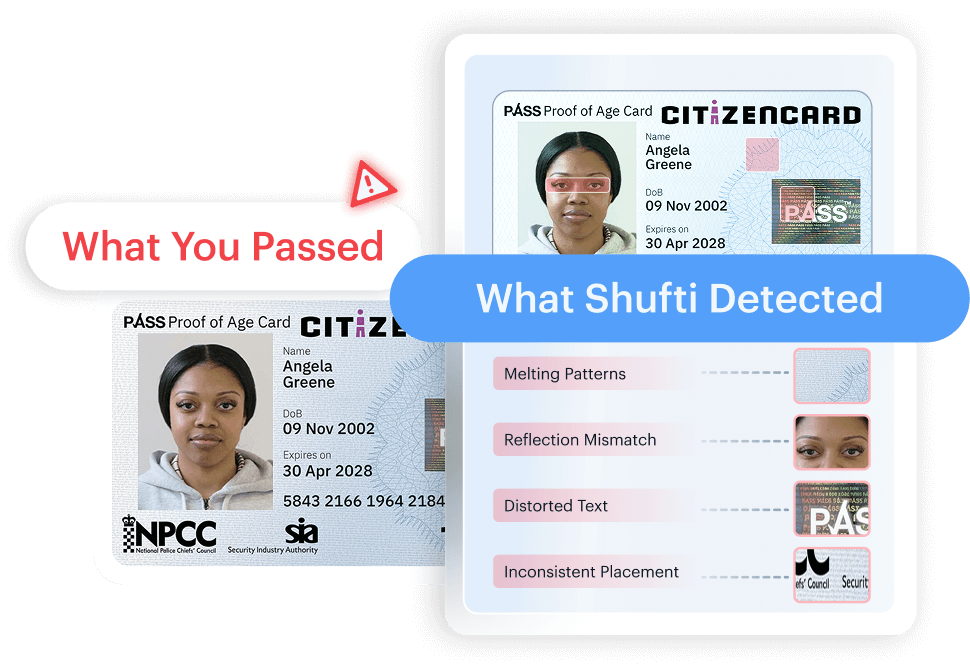
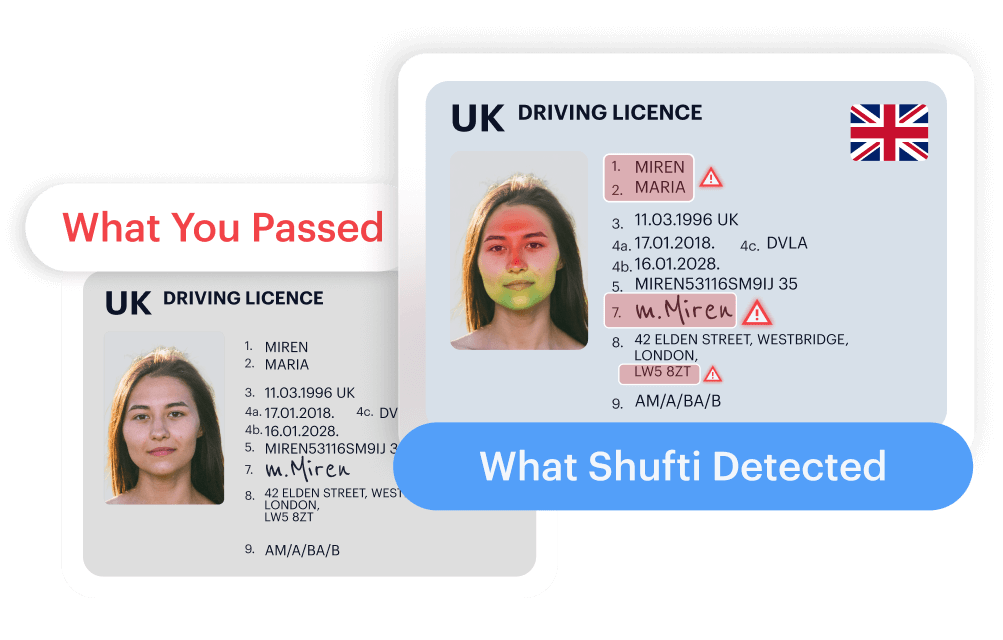
Fraudsters often attempt to manipulate ID documents or use stolen identities. Without advanced biometric ID verification in education, detecting impersonation becomes significantly more difficult.
Expanding Cybersecurity Threat Landscape
Cloud platforms, student portals, and virtual classrooms expand the attack surface. Institutions must continuously upgrade verification and authentication systems to remain secure.
Challenges Specific to E-Learning and Remote Exams
Online education has created verification complexities that traditional classroom environments did not face.
Verifying Remote Students During Assessments
Institutions must confirm student identity before and during online exams. A structured remote learning identity verification process ensures examination fairness.
Multiple Account Fraud
Some individuals attempt to create duplicate or fake profiles for admissions or assessments. Conducting a secure student ID check online prevents such misuse.
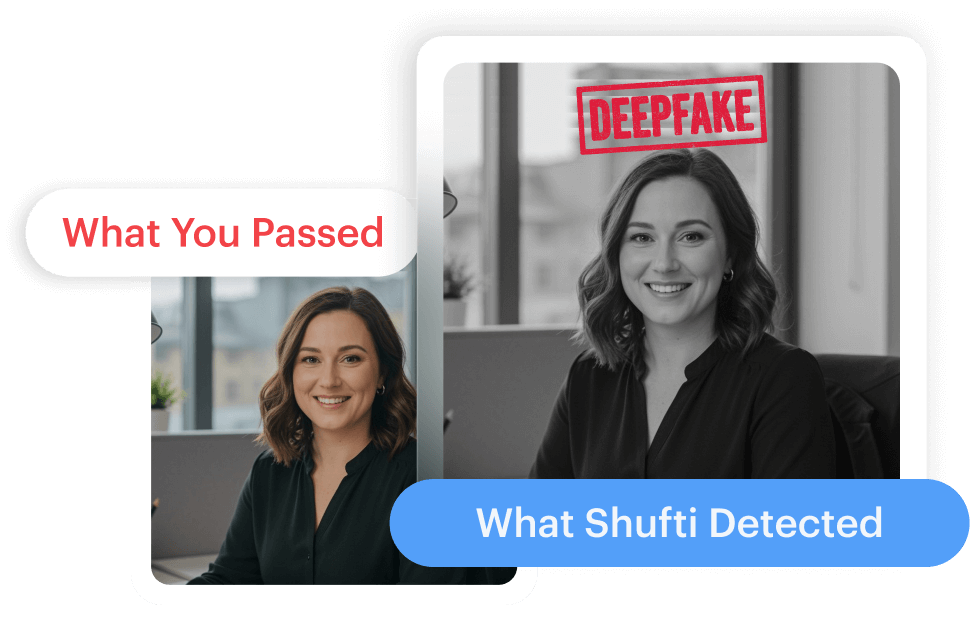
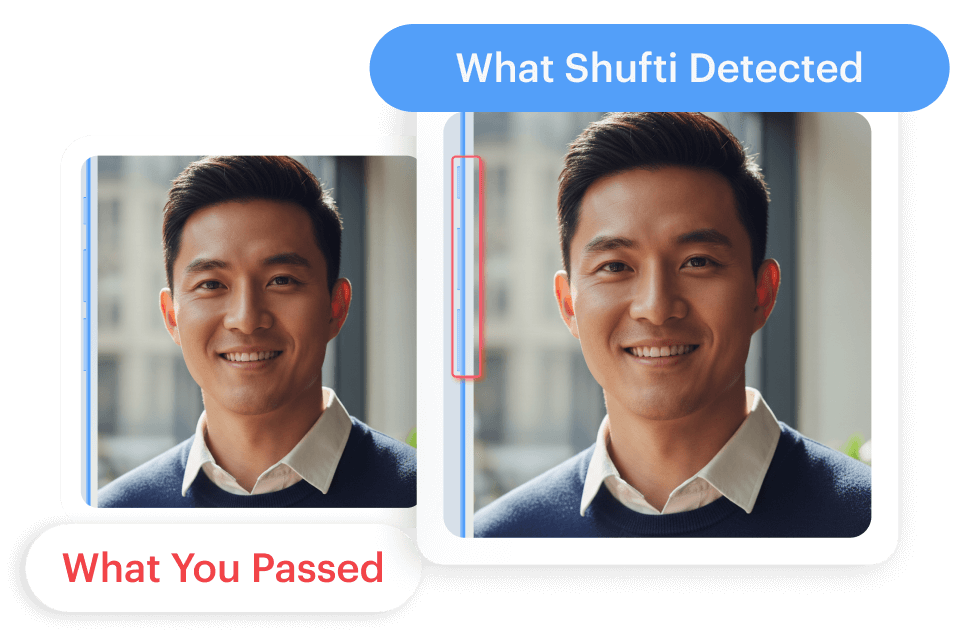
Deepfakes and Photo Manipulation
AI-generated images and edited documents can bypass basic checks. Institutions must use facial recognition, liveness detection, and layered verification tools to counter these tactics.
Protecting Academic Credibility
Digital exam environments require continuous monitoring and authentication measures to prevent academic fraud online and protect institutional standards.
Cybersecurity Threats in Education
Educational institutions worldwide face increasing cyber risks.
Ransomware and DDoS Attacks
Ransomware incidents have disrupted university operations by locking access to critical systems. Distributed denial-of-service attacks can shut down online learning platforms during peak periods.
Weak Access Controls
Poor authentication processes allow unauthorized access to student portals and administrative systems, increasing the likelihood of data breaches.
Real-World Security Incidents
Several universities globally have reported large-scale breaches affecting thousands of student records. These incidents demonstrate the importance of strong identity verification protocols integrated with broader cybersecurity strategies.
Why is ID verification becoming essential for educational institutes?
The problem is that as competition increases, more and more students might be tempted to take the easy way out. Searching for loopholes or laps in verification checks within education institutes, they could succeed in such instances as the one mentioned above. That would be unfair to the students who worked hard for their own results. That is where the KYC (know your customer) process can prove invaluable. As universities and colleges begin to offer online courses, it has become even more essential that, before taking an examination, the prospective candidate go through an e-KYC process that would include ID verification.
What Makes the KYC Process so Effective?
As mentioned in the previous paragraph, the online examinations are becoming more common, and in order to deter any sort of fraud or cheating, an online KYC or e-KYC system proves invaluable. This system is usually offered by 3rd parties and is based on a highly advanced AI system that sometimes has an extra check done by HI (Human Intelligence) to ensure that everything is correct.
The system uses the webcam or the smartphone camera of the candidate and asks them before the examination starts to verify their identity. They ask the individual to face the camera and then show the examination slip (if given) and their ID card. The system then matches the details mentioned in the slip with those on the ID card and those already fed into the system. It can check for tampering with documents and also highlight forgeries.
It also checks the face of the candidate to see if it matches the picture they have on file. The system is smart enough to take into account glasses, facial hair, etc. Once the ID verification is done, the individual can proceed with the examination, provided there are no discrepancies. The webcam ensures that there is no switch of people afterwards.
What to Look for in a Good ID Verification System?
Having mentioned how digital KYC can help educational institutes deter cheating. It would be wise to discuss which aspects one should look for when deciding on getting a digital verification system on board. The first thing to look for is speed and ease of use. The process shouldn’t be too difficult to understand or take too long.
The best companies have verification times in seconds. Another thing is that most of the providers are powered by an advanced AI that does automated checks of the documents as well as picture and face matching. The good ones offer a hybrid system that adds HI to the AI. Live people check the results that the AI has given to make sure everything is in order. One of the most important things to look for is whether the company providing the verification system is aware and up-to-date with the latest industry requirements.
Partnering with non-compliant companies can result in heavy fines and other penalties. An example is the GDPR policy for companies and institutions that are handling the information of European residents/citizens.
Benefits of Identity Verification for Educational Institutions
Implementing a structured identity verification framework delivers measurable operational, regulatory, and reputational advantages for higher education institutions.
Improved Student Onboarding
Efficient verification processes streamline admissions and reduce manual paperwork, improving the overall enrollment experience.
Automated identity checks accelerate approval timelines and minimize administrative delays. A smooth onboarding journey enhances student satisfaction from the very first interaction.
Fraud Prevention and Secure Enrollment
Layered authentication systems reduce impersonation risks and ensure legitimate participation in academic activities.
Advanced document validation and facial matching mechanisms help institutions detect fake identities before enrollment is finalized, protecting academic integrity.
Regulatory Compliance
Strong verification measures help institutions align with international data protection and privacy standards.
Maintaining compliant identity processes reduces exposure to legal penalties and demonstrates a responsible approach toward handling sensitive student information.
Enhanced Reputation and Trust
Universities that invest in secure identity frameworks strengthen their credibility among students, employers, and accreditation bodies.
A transparent and secure verification system reassures stakeholders that degrees, certifications, and academic achievements reflect genuine merit and verified participation.
How Shufti Supports ID Verification in Higher Education?
As higher education continues to digitize, institutions need reliable, scalable, and compliant verification solutions. Shufti empowers universities and colleges with AI-driven identity verification technology designed to secure admissions, remote learning, and online examinations.
With real-time document verification, facial recognition, liveness detection, and global identity coverage, Shufti helps institutions verify students within seconds. Its hybrid AI and human intelligence approach enhances accuracy while maintaining a seamless user experience.
Whether confirming applicants during enrollment or authenticating students before online exams, Shufti ensures academic integrity without disrupting the learning journey.
Secure your institution with trusted verification technology. Request a demo today and discover how Shufti can help you build a fraud-resistant digital education ecosystem.