









 AMLR Solutions
  AMLR Consultation
 EUDI Wallet
 Onboarding
 Ongoing Monitoring
 FRAML
FRAML KYC
KYC KYB
KYB KYI
KYI Age Assurance
 Workforce IAM
 Candidate Verification
 Account Takeover
 Bonus/ Promotion Abuse
 Chargeback Fraud
 Deepfake
 Document Fraud
 Fraud Networks
 Impersonation Fraud
 Money Mule Activity
 Multi-Accounting
 Party Fraud
 Regulatory & Compliance Risks
 Synthetic Identity Fraud
 Adult Content
 Banking
 Crypto
 Fintech
 Forex
Forex Compliance
 Fraud prevention
 Trust & safety
 Global expansion
 Compliance Officers
 Developers
 Fraud Analysts
 Product Managers
 Journey Builder
  Global Trust Platform
 Customer Profiles
 Vendor Comparison
 IDV Case Management
 AML Case Management
 Regulatory Reporting
 Agentic Rule Builder
  AI Compliance Co-Pilot
  Fraud Analytics
 Fraud Hub
  OCR
OCR Shufti AI
 Bank Account Verification
  Biometric Duplication
 Database Checks
 Document Intelligence
 Government ID
 Mobile Driver's License
 NFC
NFC Selfie Liveness
 Brand Personalisation
 Deployment Options
 Identity Methods
 IDV Modes
 Multi-tenancy
 On-Premise IDV
 Secure Capture
 Shufti MCP



Adverse Media Screening
Contextual Adverse Media For Smarter AML Decisions
Shufti’s Adverse Media Screening software structures every story into entity roles, explainable adverse media intelligence, and AML-aligned signals, so compliance teams review actual exposure, apply policy consistently, and keep a clear audit trail from screening to sign-off.

Our Numbers Speak Volumes
sources monitored
covered
AML risk themes







How Shufti Reads the News Differently
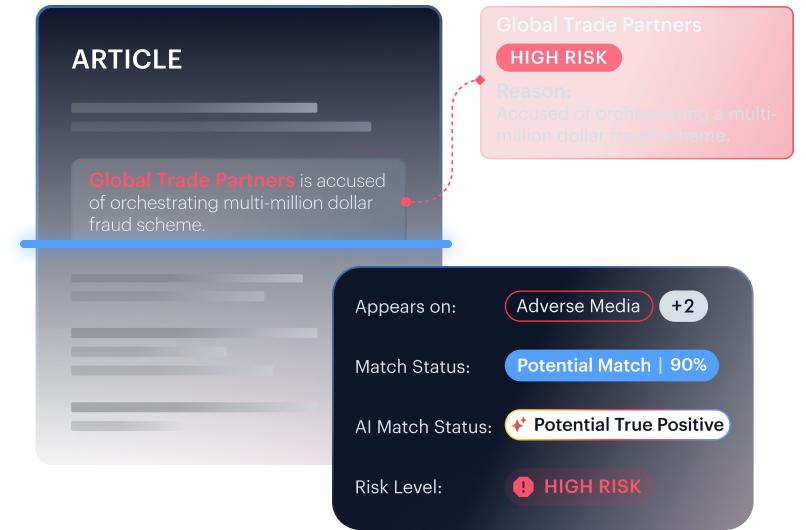
Full-article NLP, not keyword triggers
The proprietary engine interprets complete stories rather than scanning for isolated terms. It distinguishes between an entity accused of fraud and one mentioned as a witness in the same article.
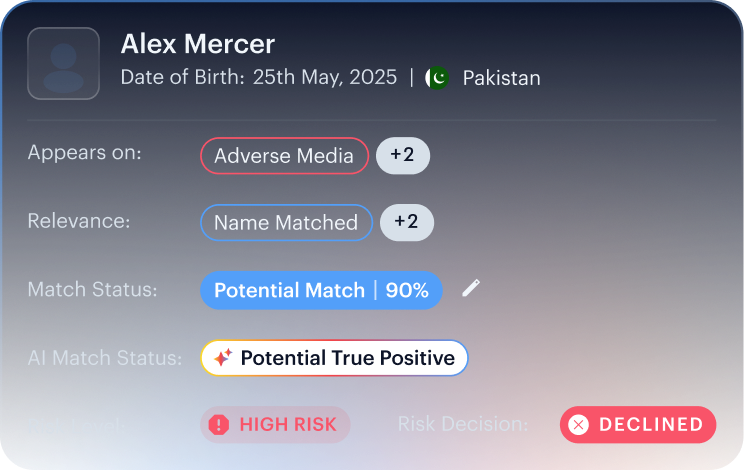
Per-entity profiles built automatically
For each entity detected, Shufti assembles available attributes, country, entity type (person, organisation, group) and date of birth where known. These attributes support confident matching and reduce false positives on common names.
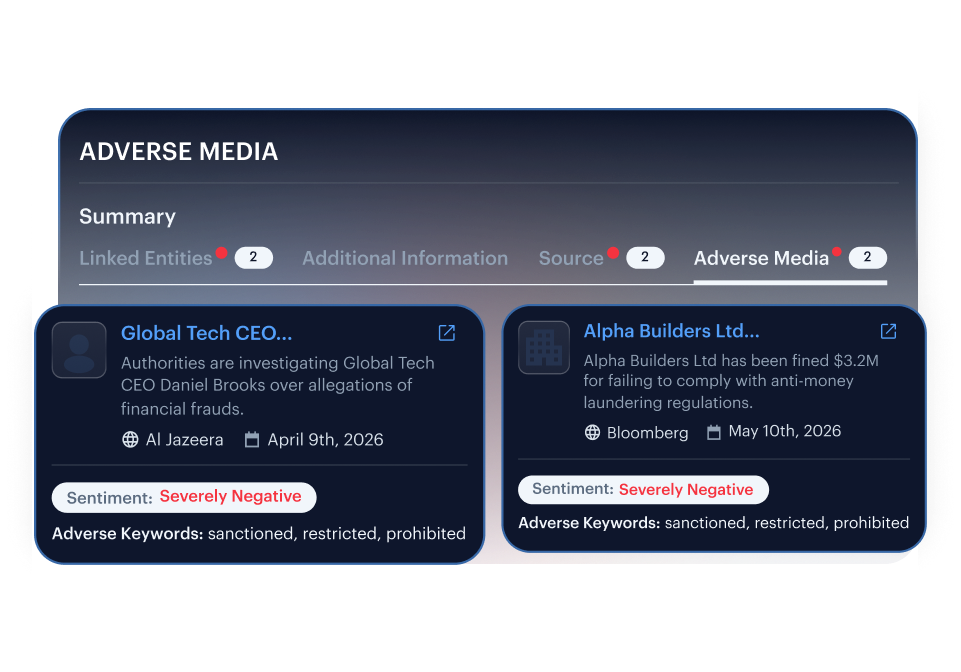
Sentiment with justification
Each mention receives a sentiment with a short written rationale. Analysts see not just “negative” but why, enabling faster, defensible decisions.
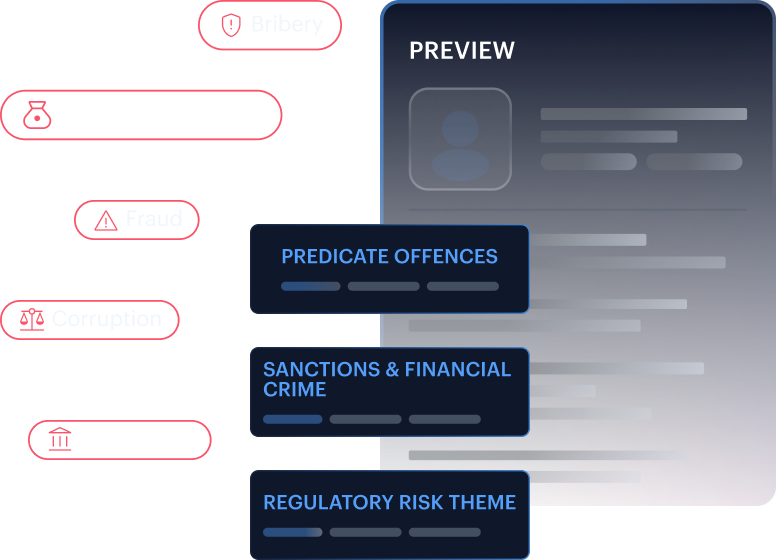
415+ adverse keywords mapped to AML risk themes
Structured tagging tied to predicate offence categories and regulatory risk themes. Consistent categorisation across teams, jurisdictions, and review cycles. The deep multi-entity intelligence stays in the backend. Analysts get a clean, focused view for the entity they are screening.
EXPLORE THE FULL AML SUITE
Adverse Media Is One Layer Here Is the Rest

PEP & RCA Screening
Surface political exposure and map relatives and close associates across jurisdictions with real-time multilingual profiling.
Learn More
Sanctions Screening
Screen individuals and entities against global sanctions regimes with consolidated coverage and real-time enforcement updates.
Learn More
Watchlist Screening
Screen against global watchlists including enforcement registers, criminal records, and law-enforcement lists with continuous refresh cycles.
Learn MoreG2 Leader in Anti-Money Laundering, Fall 2026
Shufti has earned multiple G2 distinctions in Anti-Money Laundering this season, rated by real compliance users and trusted by regulated firms worldwide.





STRUCTERED NEGATIVE NEWS SCREENING
Screening That Fits AML Workflows
From Screening to Sign-Off, Faster
Less Noise, Fewer False Positives
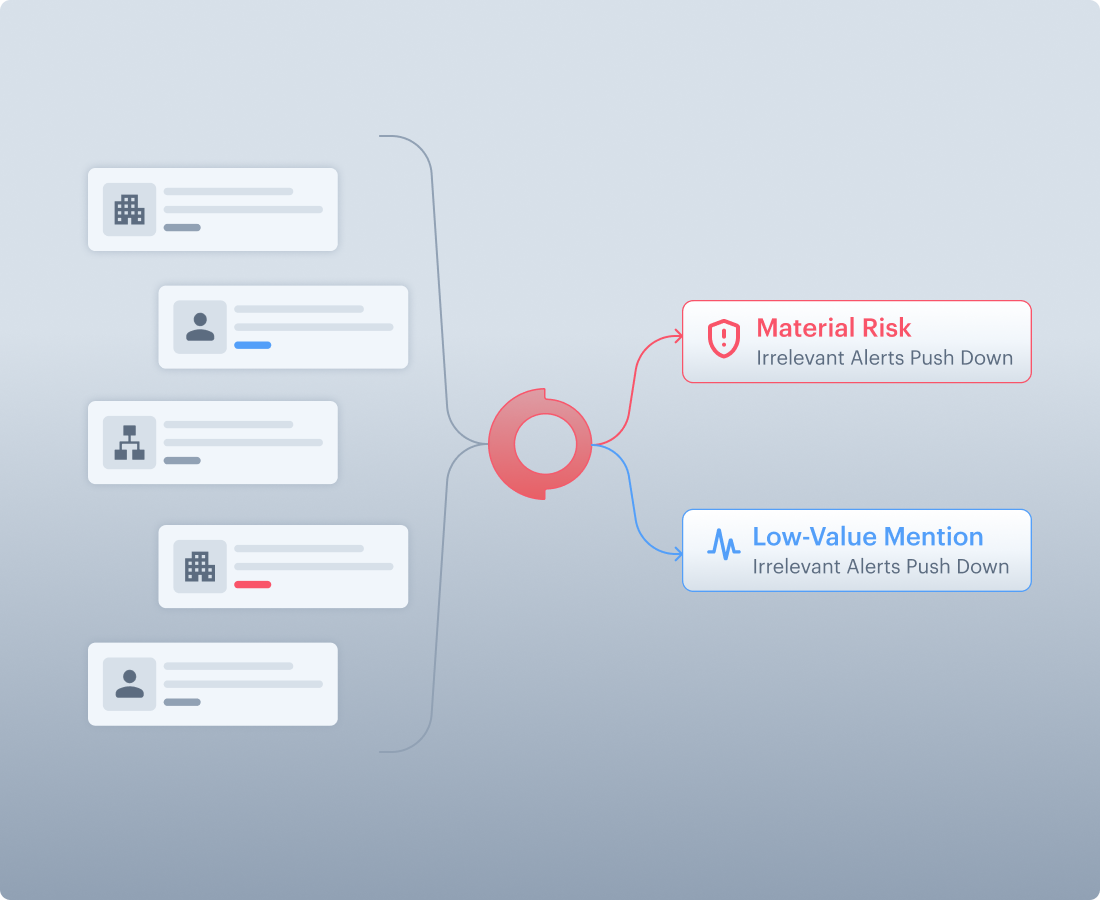
Context-aware AI focuses on entities actually linked to wrongdoing. Sentiment, and adverse keywords push low-value mentions to the bottom. Analysts spend time on material risk, not harmless references.
Faster Reviews, Less Analyst Fatigue
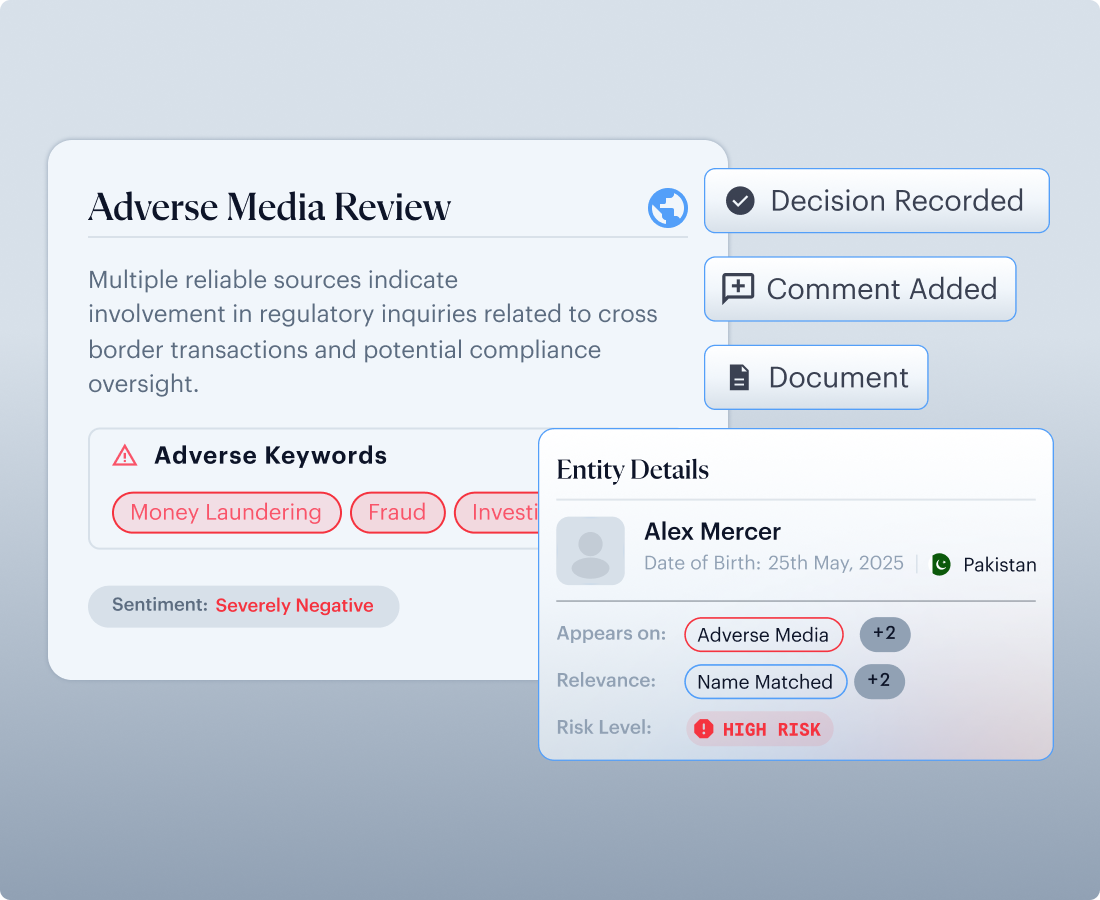
Each alert includes a summary, adverse keywords, entity role, and sentiment with explanation. Per-entity details , country, entity type, industry, DOB , are presented in a single view. Analysts add comments, attach documents, and record decisions in the same consolidated workspace.
Faster Reviews, Lower Review Load
Entity-First Relevance Ranking
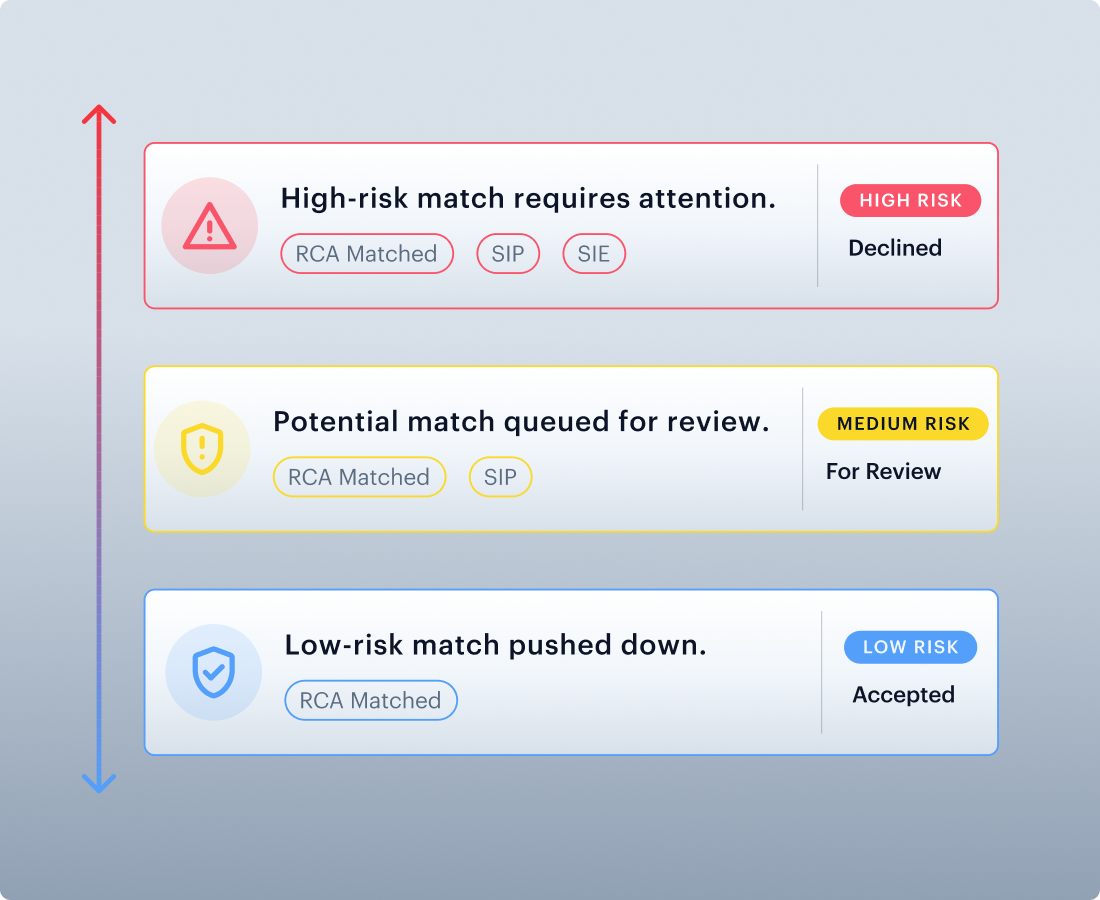
Alerts are intelligently ranked by how serious the matter is, how strongly the match fits, and how recently the story broke. The cases that need a closer look rise to the top of the queue, and minor mentions sit below them.
Syndication Deduplication
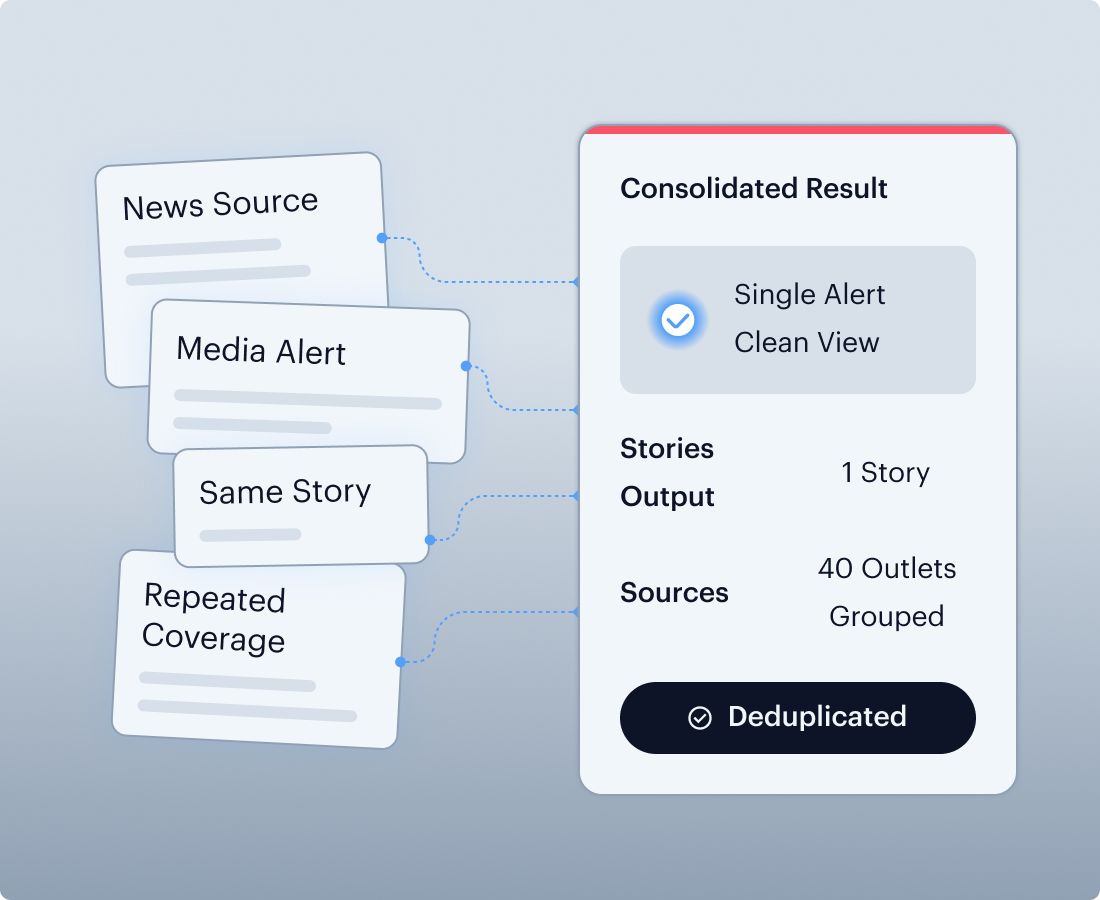
Groups repeated and syndicated coverage into a single consolidated result. The same story published across forty outlets does not generate forty alerts.
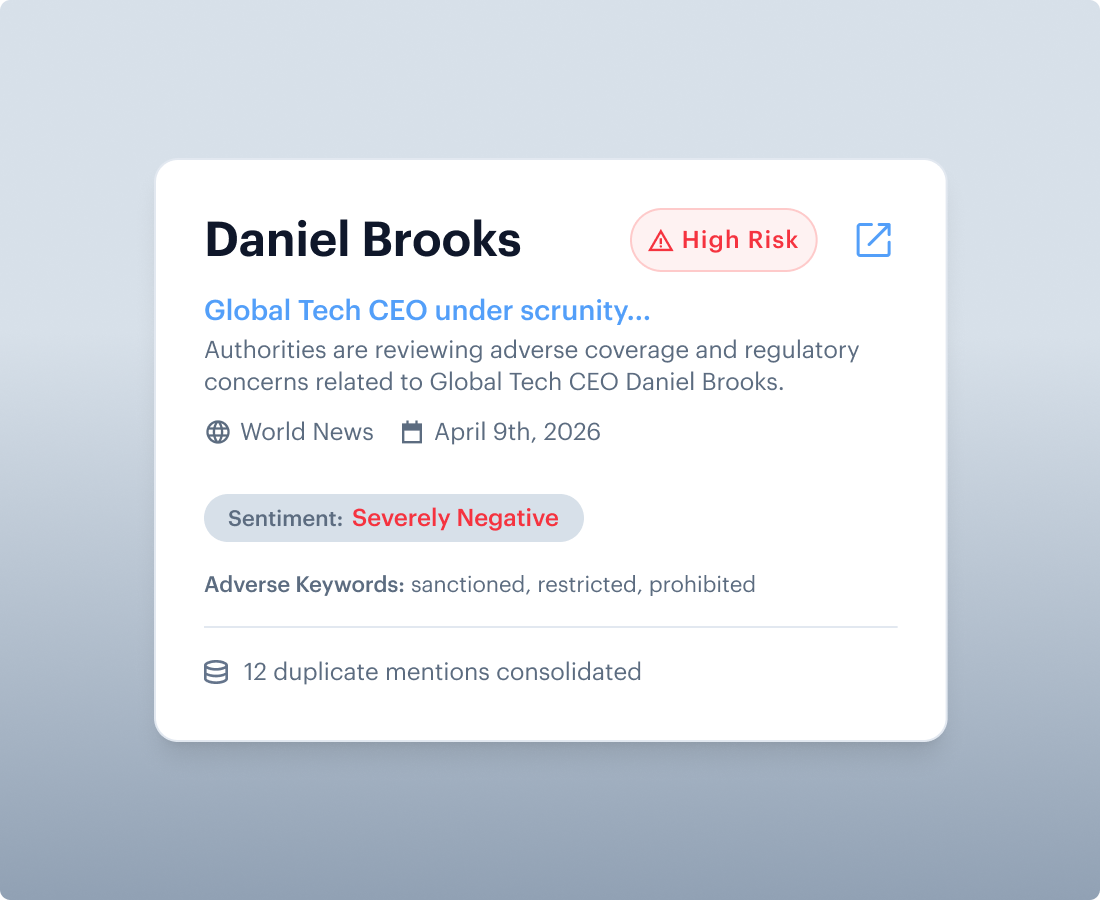
One-View Alert Summaries
Each alert presents the core story upfront. Analysts assess exposure from the summary without opening multiple links.
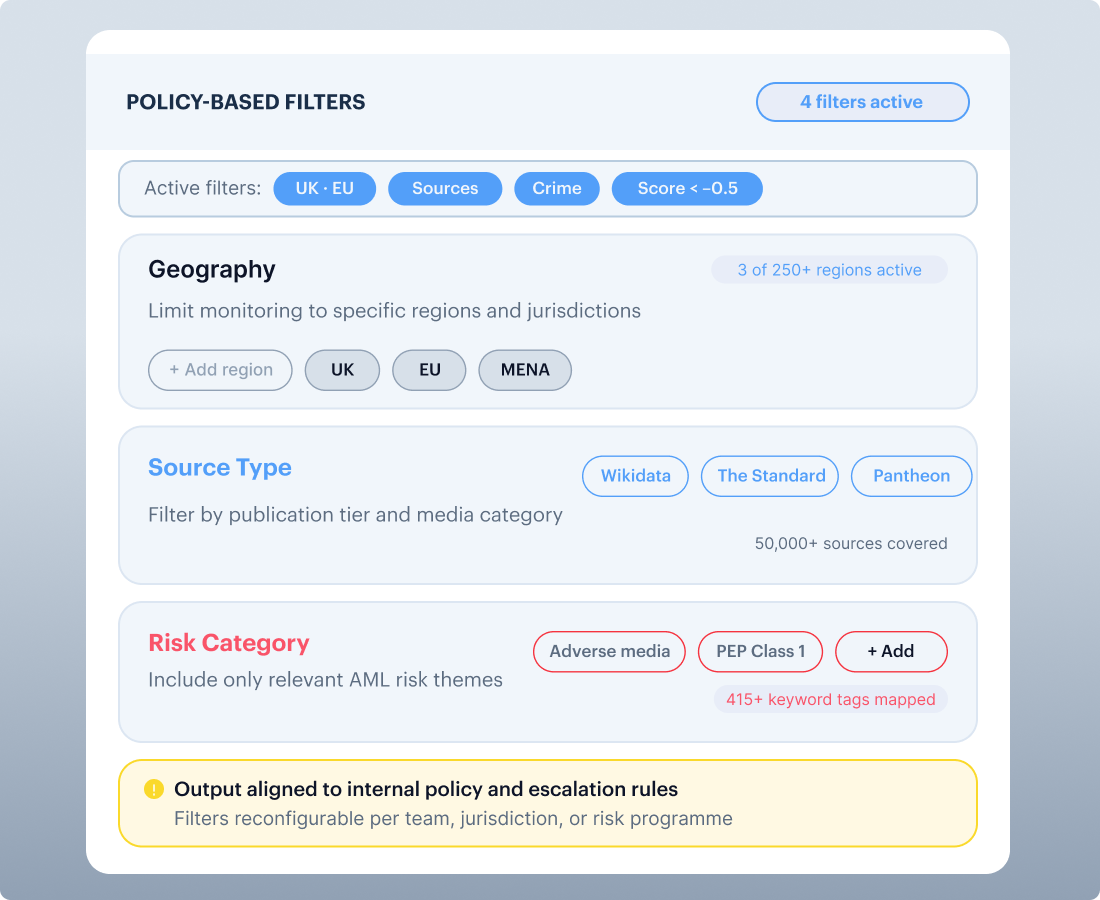
Policy-Based Filters
Refine outputs by source type, risk category, and other controls to match internal policy and escalation rules.
Accurate Matching Across Markets
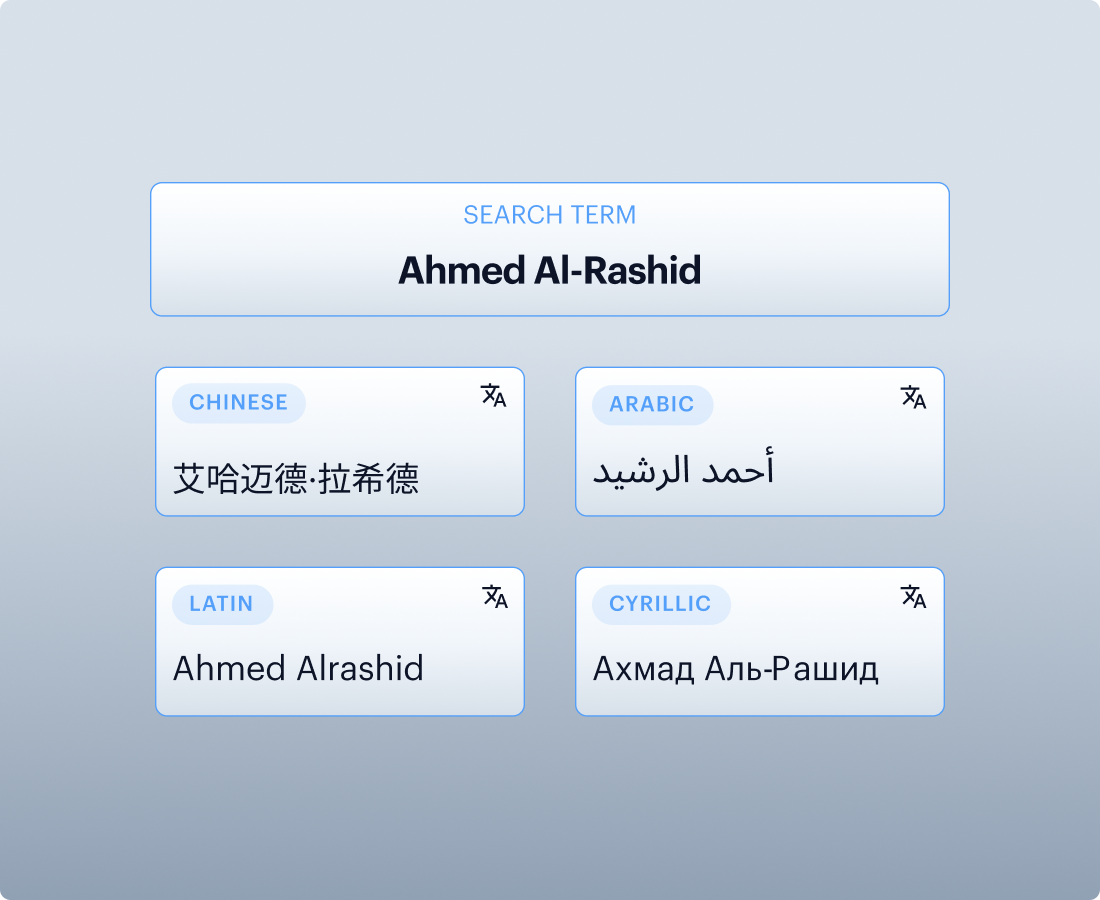
Phonetic and Variant Matching
Captures transliterations, spelling variations, and alias patterns to reduce missed hits across languages and scripts, Arabic, Cyrillic, Chinese, and Latin variants.
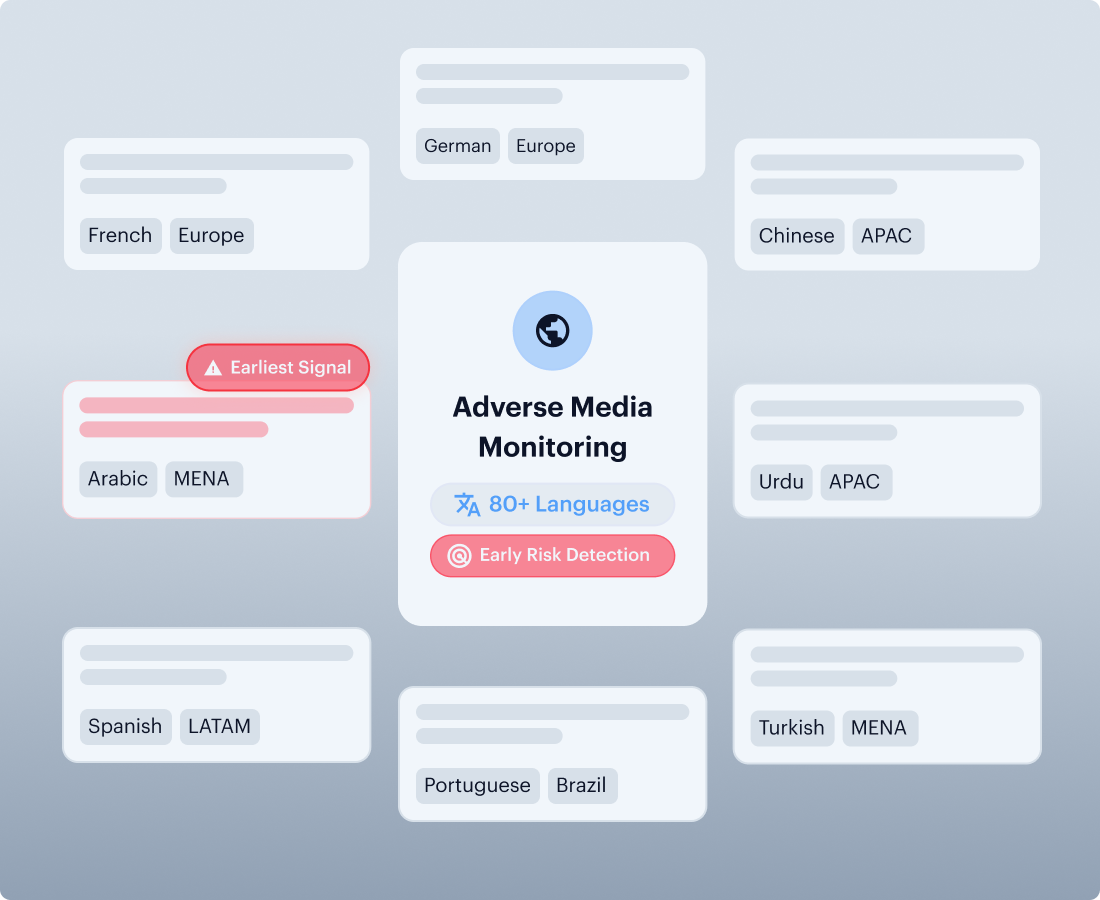
Multilingual Coverage
Continuously monitors adverse media across 80+ languages and regions. Risk often appears first in local-language reporting; missing it means missing the earliest signal.
Smart Entity Matching
Uses key details to match the right person or business and reduce false positives.
Explainable Context for Decisioning
Full-Article NLP
Interprets the complete story rather than matching isolated keywords. The difference: fewer irrelevant alerts and more accurate risk assessment.
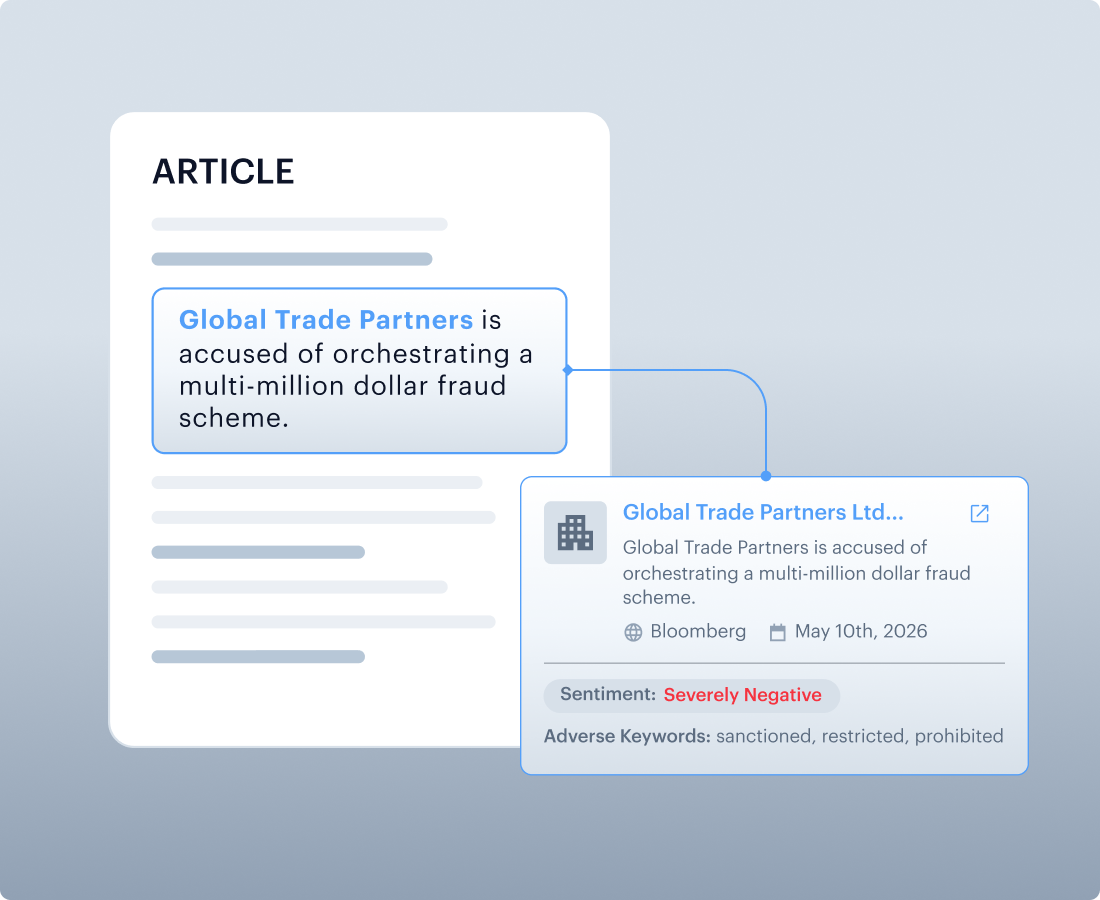
Clear Identification
Shows how the person or business is involved in the story, not just that they are mentioned.
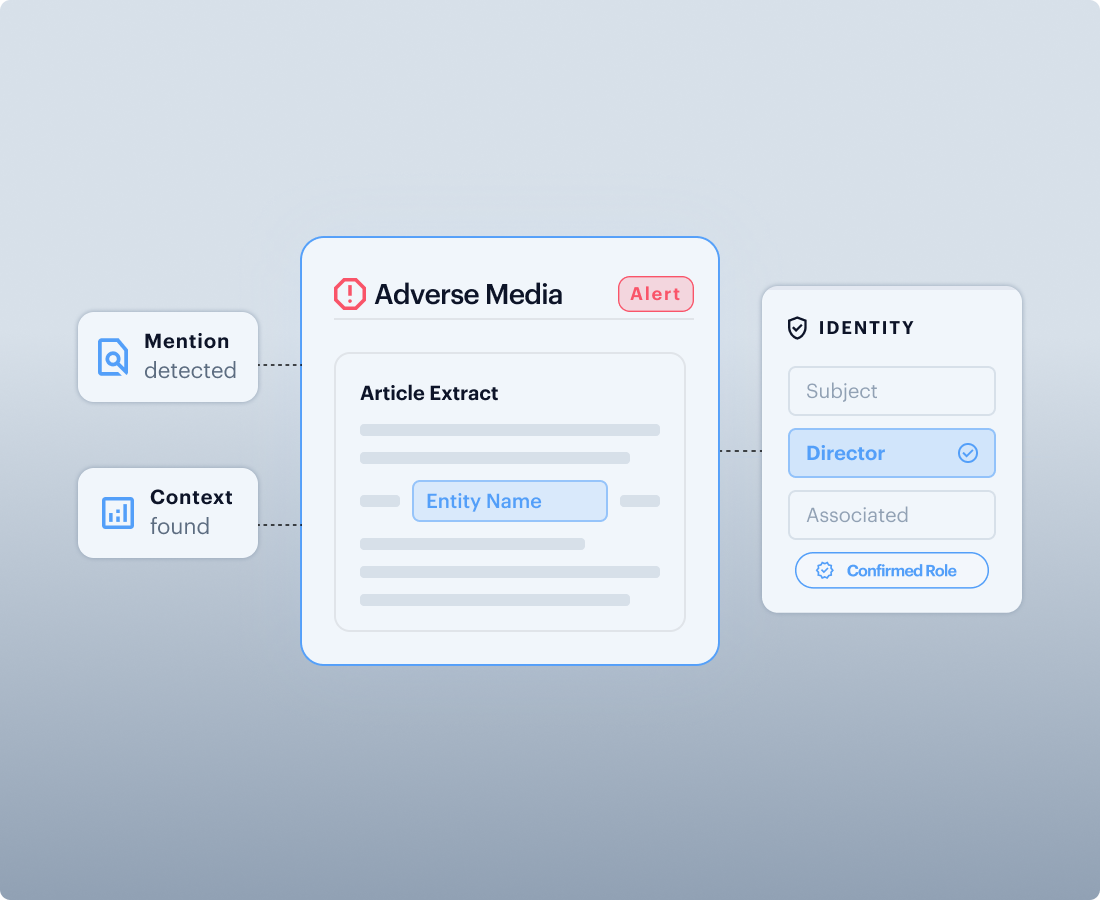
AML-Aligned Adverse Keywords
415+ proprietary structured tags mapped to AML risk themes and predicate offence categories for consistent categorisation across teams and jurisdictions.
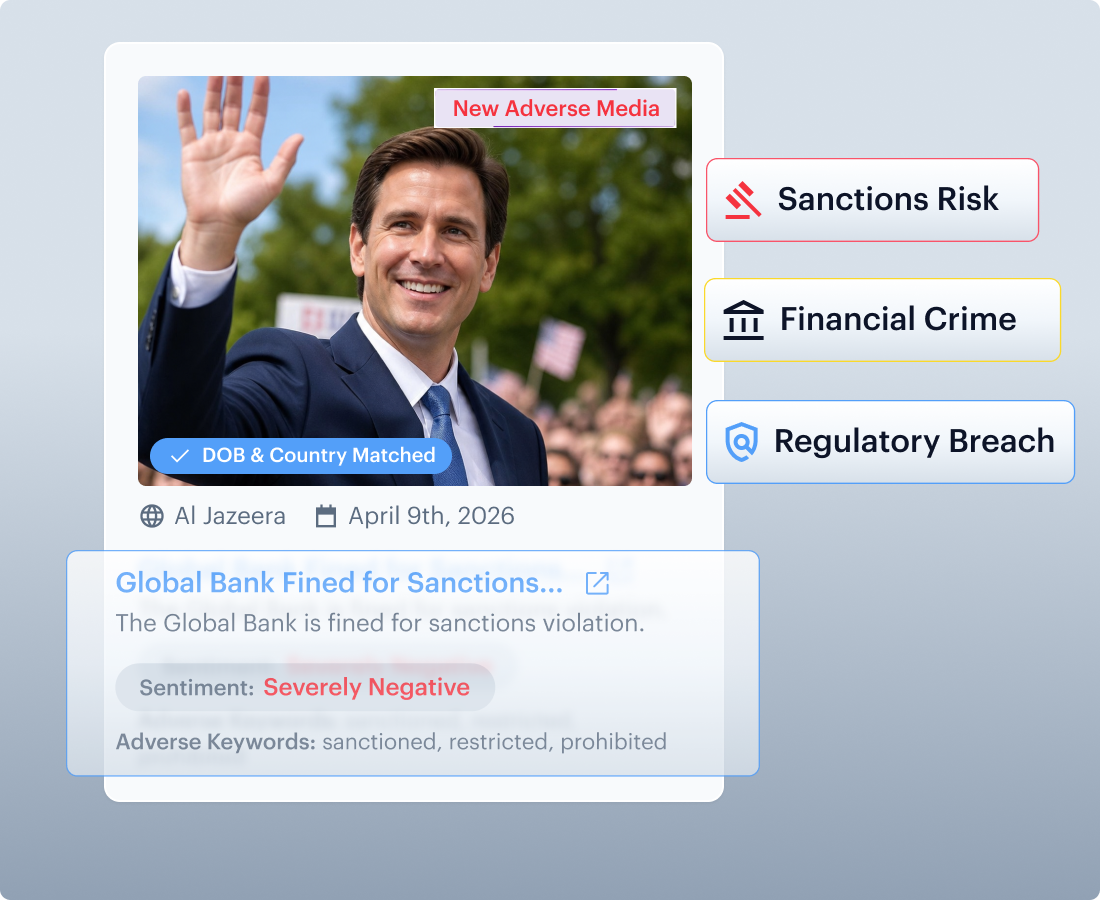
Sentiment with Justification
Every adverse media mention is analysed for sentiment, with a short written sentiment analysis of each result. Analysts see not just that a story reads negative, but why, so escalation or clearance is always defensible.
Don’t just take our word for it, hear from our customers
The Confidence Our Clients Share

The future of digital identity is defined by trust, interoperability, and regulatory alignment, so our partnership with Shufti reinforces DevCode Identity’s commitment to supporting our global customers with the most secure, best-in-class, compliant identity verification solutions available today.
Combining our Conversion Driven Compliance Orchestration Platform with Shufti’s global KYC and IDV capabilities allows our customers not only to navigate complex regulatory demands but also to maintain a seamless customer onboarding experience with the highest achievable conversion rates.
We’re proud to continue our partnership with Shufti as we expand into new jurisdictions.
Shufti’s verification technology not only strengthens our compliance framework but also ensures our players enjoy a smooth, secure onboarding experience.
We aim to offer our clients and their traders the very best tools with which to do their jobs, we’re excited to be able to work with Shufti.
They’re a leading company, and we’re looking forward to offering their solutions to our clients through our CRM.
The relationship with Shufti was born out of frustration with an existing provider, so we started our discussion with Shufti.
The response time was excellent, from the start of speaking to sales to getting up and running with the demo.
WHERE ADVERSE MEDIA SCREENING FITS
Built for Regulated and High-Risk Businesses
Trusted Sellers, Fewer Bad Actors
Marketplaces face repeated abuse: seller cycling, counterfeit networks, fraud, and high-risk merchants slipping through with new identities. Shufti flags credible negative coverage and builds entity-level context, helping platforms approve sellers confidently and intervene earlier when risk patterns emerge.

EVERYTHING YOU NEED TO KNOW IN ONE PLACE
Frequently Asked Questions
What is adverse media screening?
Adverse media screening checks news and media sources for negative coverage linked to an individual, business, UBO, counterparty, or portfolio. It helps identify potential financial crime, sanctions exposure, reputational risk, regulatory concerns, and other AML-relevant risks during onboarding, periodic reviews, and ongoing monitoring.
What is the difference between adverse media screening and negative news screening?
Adverse media screening and negative news screening are often used interchangeably, but adverse media screening is broader and more compliance-focused. Negative news screening usually looks for unfavourable news mentions, while adverse media screening structures those mentions into AML-relevant risk categories, entity roles, sentiment, source context, and reviewable evidence. Shufti goes beyond article links by helping teams understand who is involved, what happened, how serious the exposure is, and whether the result needs escalation.
How does structured screening differ from keyword-based tools?
Keyword-based tools often return long lists of links that analysts must review manually. Shufti structures each story into decision-ready signals, including entity matching, role in the story, AML-aligned tags, sentiment with justification, and source metadata. This helps reviewers assess actual exposure faster instead of spending time clearing duplicate, irrelevant, or low-context alerts.
What sources does Shufti monitor?
Shufti monitors a broad set of global news and media sources across regions and in 80+ languages. Coverage can be filtered by geography, source type, risk category, and internal policy requirements, helping compliance teams capture relevant adverse media across local and international markets.
Does Shufti’s Adverse Media Screening comply with Wolfsberg Group recommendations?
Shufti’s Adverse Media Screening is designed to support Wolfsberg-aligned risk-based screening practices by helping teams assess adverse information with context, relevance, and documented decisioning. The platform supports full-article analysis, entity role detection, AML-aligned adverse keywords, sentiment rationale, deduplication, ongoing monitoring, and audit-ready evidence packs. Final compliance depends on how each organisation configures its screening policy, thresholds, escalation rules, and review process.
How does Shufti reduce duplicate alerts?
Shufti groups syndicated and repeated coverage so analysts do not review the same story multiple times. Instead of creating separate alerts for every republished article, the platform consolidates repeated coverage into cleaner results, reducing review workload and keeping cases easier to manage.
Does Shufti support both onboarding and ongoing monitoring?
Yes. Shufti supports adverse media screening during onboarding, periodic refreshes, and continuous monitoring across customers, counterparties, UBOs, and portfolios. New relevant coverage can trigger alerts as it appears, helping teams respond to emerging risk instead of waiting for the next manual review cycle.
How does audit evidence work?
Actions and decisions can be logged inside the review workflow. Evidence packs can include sources, timestamps, alert attributes, entity roles, AML risk tags, sentiment rationale, reviewer notes, and full review history. This gives compliance teams a clear record of how each decision was reached and supports internal audit or regulatory inspection.
Stop the Noise and Start Deciding
Evaluate how structured adverse media screening reduces review time, improves decision consistency, and strengthens audit readiness.
Your Go-To for KYC/AML & Fraud
Resources

11 August, 2026
Shufti's 2026 Context Gap in AML Risk Assessment
False positives climb when alerts reach analysts without context. Shufti's 2026 report shows what customer and risk context teams need to decide cases much faster.
Guide