 Runs On Your Cloud
 No Data Sharing
 No Contract Required
 Explore Now






 Face Verification
 Address Verification
 Document Verification
 Age Verification
 VideoIdent
 Fast ID
 eIDV
eIDV
 NFC Verification
 Consent Verification
 Business Verification
 Due Diligence
 Investor Verification
 E-Signature
 Behavioural Biometrics
 Device Fingerprinting
 MFA
MFA
 AML Screening
 Business AML Screening
 User Risk Assessment
 Transaction Screening
 Adverse Media Screening
 Identity Verification
 KYC
KYC
 KYB
KYB
 KYI
KYI
 Bonus Abuse
 Fraud Prevention
 Deepfakes
 Multi-Accounting
 Banking
 Crypto
 Fintech
 Forex
Forex
 Gaming
 Gig Economy
 Marketplace
 Social Networks
 Product Managers
 Compliance Officers
 Fraud Analyst
 Global Trust Platform
 Journey Builder
 Vendor Comparison
 Content library
 Blogs
Blogs
 News
News
 Reports
 Insights
 Knowledgebase
 ROI calculator
 Blind Spot Audit
 Deepfake Detection
 Liveness Detection
 Document Originality
 Document Deepfake
 Events & Webinar
 Podcast Studio
 Spotlight Studio
 API Documentation
 Mobile SDKs
 Service Status
 Help Center
 Contact Us
 Technical Support
 Compliance
 Supported Documents
 About
About
 Career
 Press Release
 Certifications
 Partnership
 Awards
How to Evaluate Document Verification Software: 8 Features Every Business Needs
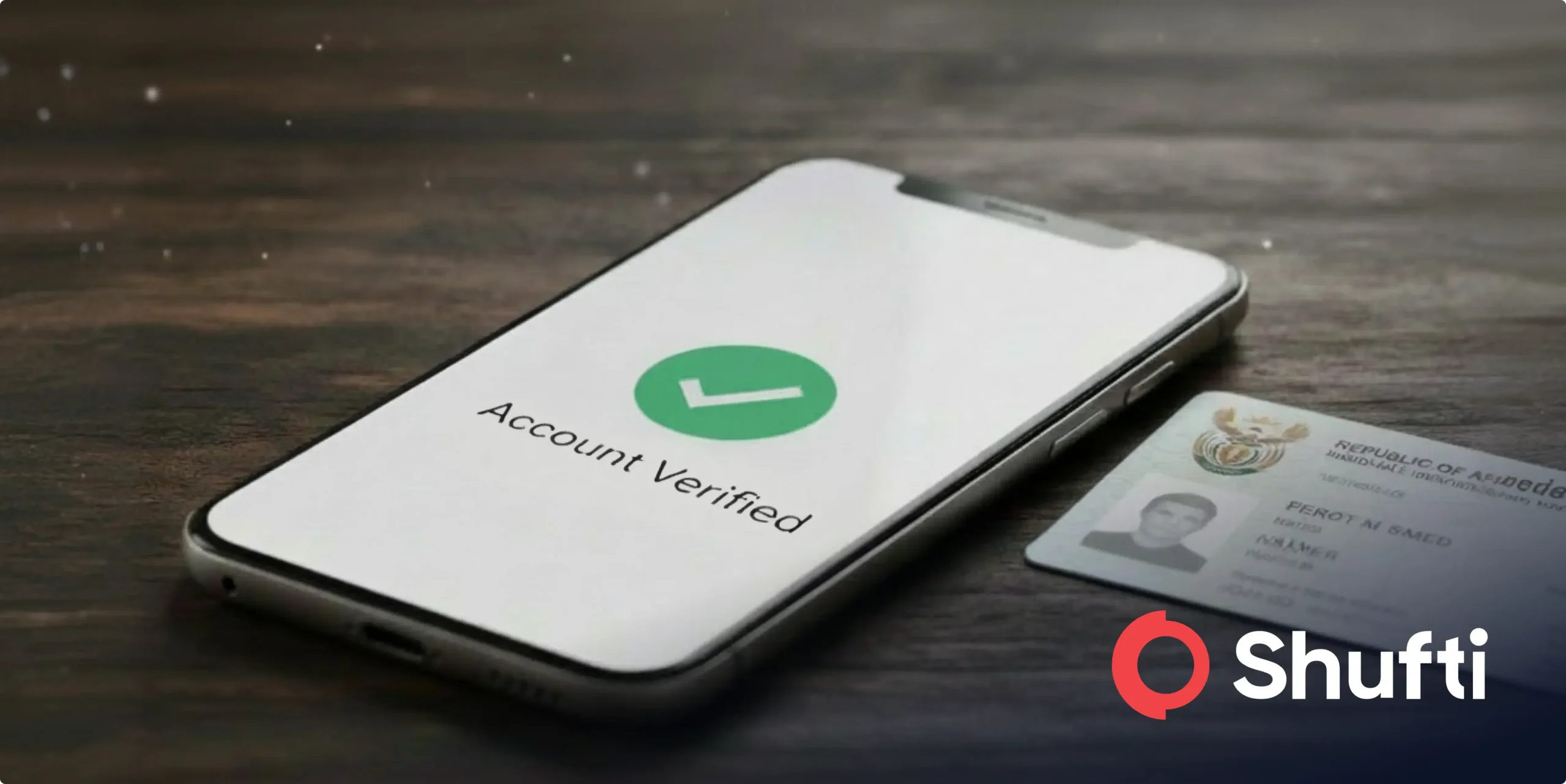
The Federal Reserve addresses synthetic identity fraud as the fastest-growing financial crime in the United States, which costs lenders an estimated amount of 6 billion USD. This amount is from 2019; seven years later, the problem remains, with increased accessibility to committing fraud with the advancement of AI.
Generative AI could push total US fraud losses to 40 billion USD by 2027. As for businesses that were reliant upon document checks, specifically during the process of onboarding, it is highly possible that the software they picked a couple of years ago might not hold up anymore.
Choosing the wrong document verification software doesn’t just open new doors to fraud. It typically slows down the onboarding process, the review costs increase, and gaps are created, which are found by regulators.
The following are eight features that create the distinction between an effective verification solution and an expensive liability.
Why Choosing the Right Document Verification Software Matters?
Synthetic identity fraud costs U.S. businesses an estimated $30 to $35 billion every year. AI-generated documents now pass checks that would have caught them just a few years ago. A document verification tool that only reads text and checks formatting is no longer enough.
The 8 Salient Features in a Good Verification Software
1. AI-Powered OCR and Data Extraction
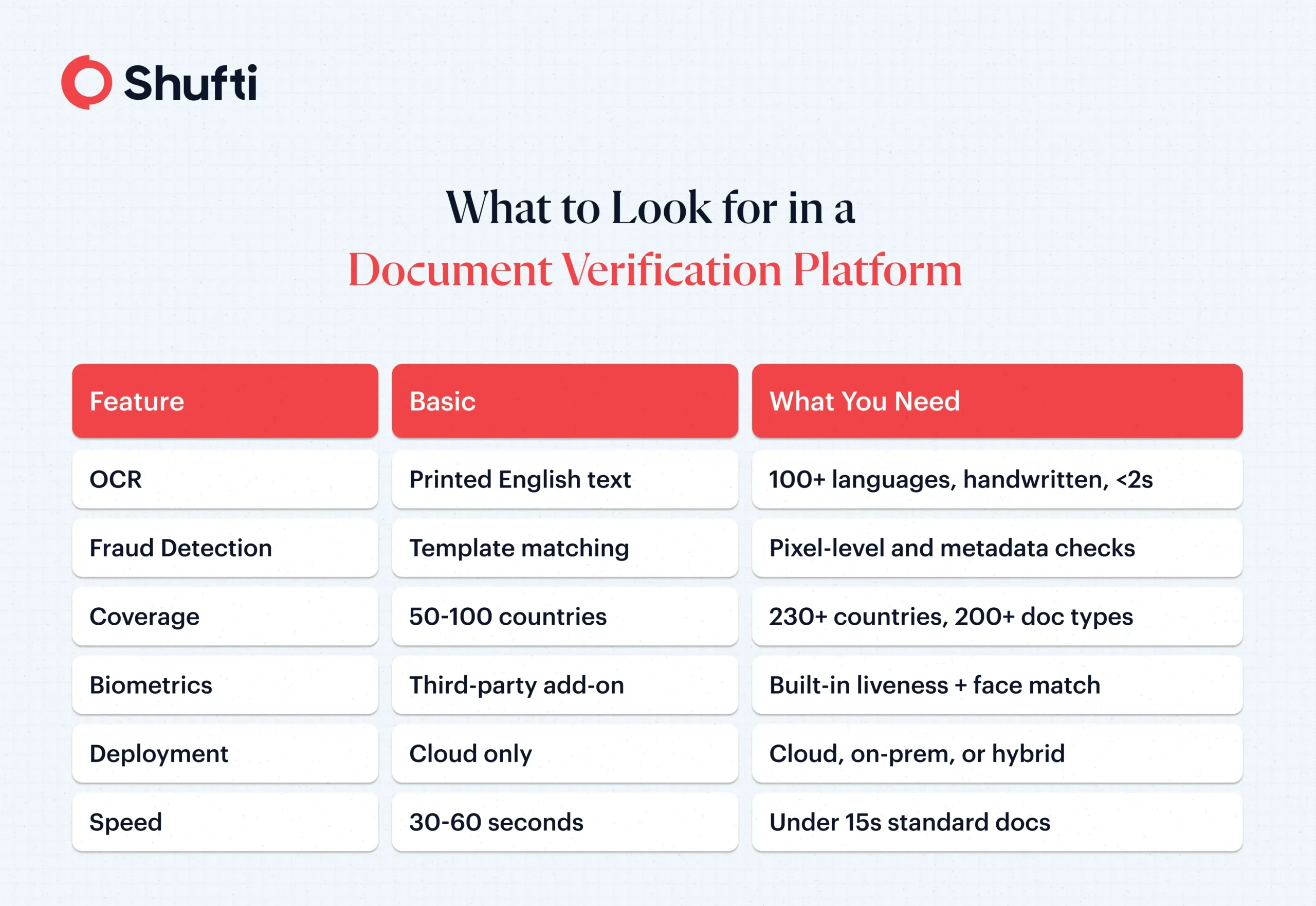
A basic OCR reads printed English text. But when customers submit documents in Arabic, Mandarin, or handwritten scripts, it starts to fall apart. A solid document verification platform should not be overwhelmed by multiple languages; it should be able to read data in under two seconds and be able to work with messy layouts without requiring the need for any manual fixes.
2. Fraud Detection and Tamper Analysis
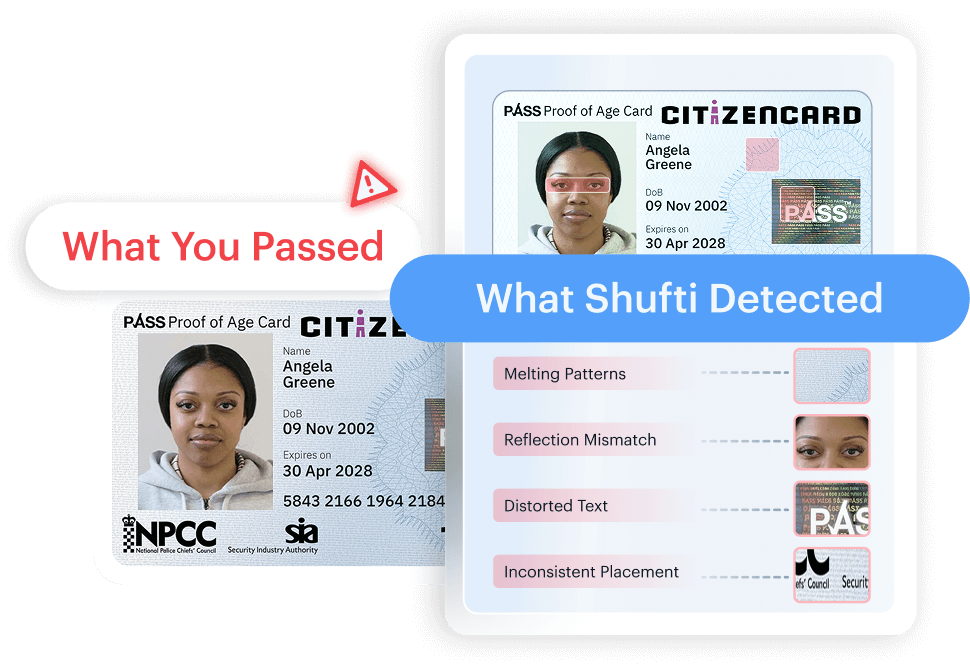
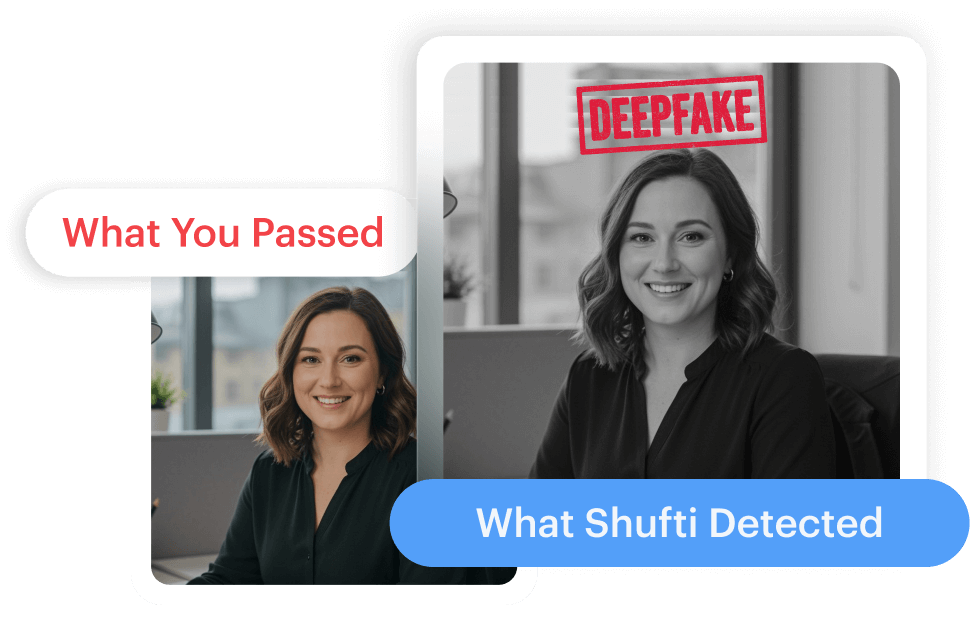
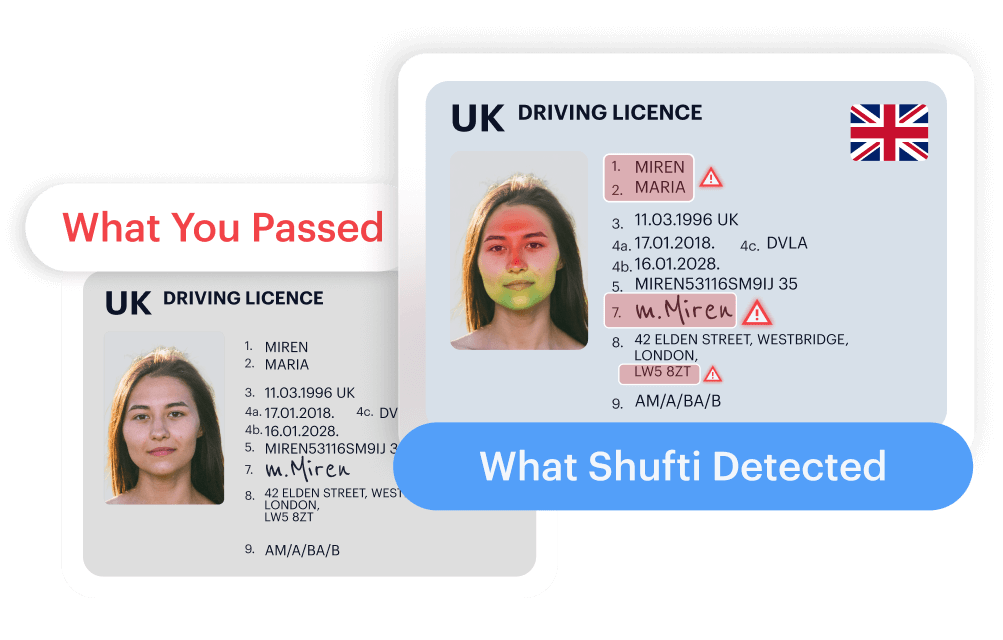
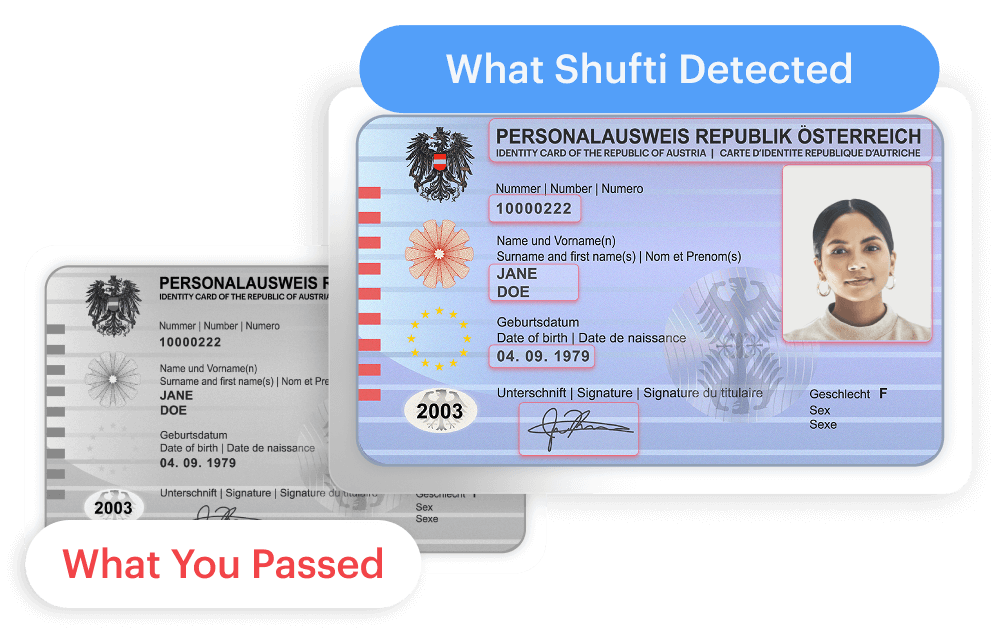
Simple template matching won’t catch a well-made AI-generated fake. The software should continue to examine documents at the pixel level, detect digital edits, spot any irregularities in the creation of a file, and flag anything that looks artificially generated.
3. Global Document Coverage
A tool covering 50 countries works fine until your business starts growing into multiple new regions. If the platform does not support 200+ countries and 80+ languages, the need for a second vendor becomes inevitable.
4. Biometric Integration (Face Matching and Liveness)
Confirming a document is real only solves half the problem. A confirmation with regards to the picture in the document also becomes necessary. Therefore, in order to cater to this requirement, a platform should offer face matching with liveness detection in order to block any sort of deepfakes or 3D masks.
5. Compliance to KYC/AML Regulations
FATF Recommendation 10 requires auditable customer due diligence. The EU’s 6AMLD made compliance failures a criminal offence. A reliable software should be able to produce AML-compliant audit trails with timestamps, decision records, and exportable data.
6. Real-Time Processing Speed
Every extra second in verification increases user drop-off. Standard documents should clear in just under 15 seconds. Even difficult cases should not take any longer than 60 seconds. If the vendor quotes “minutes” for routine checks, there’s probably a manual step involved.
7. Flexible Deployment (Cloud, On-Prem, Hybrid)
Banks and government bodies often need data to be able to stay on their own servers. Most document verification tools are cloud-only, which won’t work for industries where data is subject to the laws of a country or region where it was generated. Check whether on-prem or hybrid deployment is actually available.
8. Scalability and API Integration
A platform that handles 10,000 checks a month but breaks at 500,000 is eventually not going to work out if hoping for long-term outcomes. A good platform should have a proper API, mobile and web SDKs, and setup that takes days, not months.
Red Flags When Evaluating Document Verification Solutions
If the vendor can’t show how their system catches tampered documents beyond simplified and basic text reading, then remain mindful while doing business with them. Watch out for long lock-in contracts with unclear pricing. If on-prem isn’t available and your industry needs it, that vendor won’t work. And if biometric checks depend on a third party, your sensitive data is passing through an extra processor.
How Shufti Helps with Document Verification?
Shufti’s document verification platform processes documents from 230+ countries in nearly 100 languages, with results in under 15 seconds for standard checks. Each document goes through 500+ checks using 20+ AI models built in-house.
Face verification is built into the platform, not outsourced. It covers 56+ different types of spoofing attacks and holds iBeta Level 1 and 2 certification, along with DHS RIVR 2025 top performer recognition. Deployment options can include, but are not limited to, cloud, on-premises, and hybrid. No setup fees, no lock-ins, transparent pricing.
Request a demo to assess Shufti’s document verification solution and test it against your current software.
Frequently Asked Questions
What is document verification software?
A software that reads a document’s data to check whether it is real or not, detects any signs that indicate tampering, and as a result, verifies that it is a match with genuine government- issued formats.
Industries like finance, telecom, the gaming industry, and healthcare utilize it for AML and KYC compliance.
How is AI responsible for improving document verification accuracy?
AI can pick up things the human eye cannot, like tiny inconsistencies in how a document was created or even edited. It also improves with the passage of time, as it is subject to constantly learning from relatively new, developing, and evolving fraud patterns.
What types of documents can be verified?
Passports, national IDs, driver's licences, residence permits, utility bills, different types of bank statements, and any relevant tax documents. The best platforms cover 200+ types across 230+ countries.
Why is biometric integration important in document verification?
A real document in the wrong hands is still fraud. Face matching with liveness detection confirms the person presenting the document is the person pictured on it.
Can document verification software detect deepfake documents?
The comparatively more advanced platforms can. They utilize AI models that are trained in such a way that they are able to spot AI-generated forgeries. However, not every vendor offers this, so it is better to ask during evaluation.
What industries benefit most from document verification solutions?
Banking, fintech, crypto, insurance, telecom, gaming, and healthcare. Any business that onboards customers remotely benefits from automated document verification.