 Runs On Your Cloud
 No Data Sharing
 No Contract Required
 Explore Now








 Face Verification
 Address Verification
 Document Verification
 Age Verification
 VideoIdent
 Fast ID
 eIDV
eIDV
 NFC Verification
 Consent Verification
 Business Verification
 Due Diligence
 Investor Verification
 E-Signature
 Behavioural Biometrics
 Device Fingerprinting
 MFA
MFA
 AML Screening
 Business AML Screening
 User Risk Assessment
 Transaction Screening
 Adverse Media Screening

 Identity Verification
 KYC
KYC
 KYB
KYB
 KYI
KYI
 Bonus Abuse
 Fraud Prevention
 Deepfakes
 Banking
 Crypto
 Fintech
 Forex
Forex
 Gaming
 Gig Economy
 Marketplace
 Social Networks
 Product Managers
 Compliance Officers
 Fraud Analyst
 Global Trust Platform
 Journey Builder
 Vendor Comparison

 Content library
 Blogs
Blogs
 News
News
 Reports
 Insights
 Knowledgebase
 ROI calculator
 Blind Spot Audit
 Deepfake Detection
 Liveness Detection
 Document Originality
 Document Deepfake
 Events & Webinar
 Podcast Studio
 Spotlight Studio
 API Documentation
 Mobile SDKs
 Service Status
 Help Center
 Contact Us
 Technical Support
 Compliance
 Supported Document
 About
About
 Career
 Press Release
 Certifications
 Partnership
 Awards
Billion Dollar AML Compliance Plan for the Financial Sector

The financial services sector has long been blamed for the spread of financial crimes like money laundering and tax evasions. Over the past ten years, banks and financial institutions all over the world have faced billions of dollars in fines due to non-compliance and failure to implement adequate regulatory requirements. The regulatory authorities in the US, in particular, have been extremely active against non-compliance with Anti Money Laundering (AML) regulations. The US Department of Justice doled out fines worth $14 billion to financial institutions. That covered over half the sum of global financial regulatory fines over the past decade. All in all financial regulators have collectively imposed over $26 billion by way of sanctions and fines to banks and financial institutions around the globe.
More stringent compliance regulations can be dated back to the 2008 financial crisis. Ever since then global regulators have been rallying to make the financial services sector safer and more transparent. More than 50,000 regulations were distributed between 2009 and 2012. Several high profile scandals erupted in the wake of increased regulations all over the world. To date, the single highest fine against one financial institute was of $8.9 billion, wherein the bank, BNP Paribas, admitted its fault.
Are Non-Compliance Fines Avoidable?
What is surprising is the fact that these fines and sanctions are completely avoidable. The cost of establishing and maintaining an effective compliance structure is nearly three times less than the losses faced by banks in the form of non-compliance penalties. The financial services sector has been battling with the best way to approach compliance regulations. Compliance structures in banks are outdated and slow. The biggest obstacle for banks to implement an effective procedure is the lag it causes in the client onboarding process. Verifying every client and carrying out the due diligence takes time and tends to frustrate clients, thus lowering satisfaction levels for a financial institution.
Banks end up spending over 2.7 billion pounds – $3.5 billion – every year on AML compliance systems that are both outdated as well as inefficient. Legacy systems are still in use by some banks that churn an inexplicable amount of false positives. As the compliance staff chases after false leads, they end up spending their energies on validating cases of fraud rather than investigating them.
In order to avoid millions, or possibly billions, of dollar in fines, financial institutions build colossal compliance regulatory structures within their business, spending millions. They often have to hire an army of compliance officers, just to keep up with the changing regulatory framework.

Achieving AML Compliance Through Technology
There are, however, better ways to approach AML regulations. Modern technology can contribute a great deal towards building better compliance structures in financial institutes. The Fintech sector has long been working on developing systems that are both effective and efficient. This technology is increasingly being referred to as regulatory technology or RegTech. RegTech systems are now using technologies like artificial intelligence and machine learning to make compliance functions easier for banks.
One way to approach AML compliance is through suspicious activity reporting. Systems that use machine learning algorithms are used to detect suspicious transactions. These algorithms learn from past behaviour and data to flag fraudulent transactions. More to the fact, they are used to monitor a client’s transactions to determine their normal behaviour. Every time any suspicious or potentially fraudulent transaction is detected on a client’s account, it is either blocked or an alert is issued to the management to take the appropriate action.
Read More: RegTech facilitates effortless AML Compliance
In addition to AML regulations, financial regulators have also issued KYC or Know Your Customer requirements for businesses to adhere to. These obligations further bind financial institutions to conduct enhanced due diligence for high-risk clients. The proliferation of tech solutions in the market has made it easier for banks to fulfil these requirements.
Other tech solutions also provide AML screening checks to fulfil AML requirements for financial institutes. AML checks screen a customer’s name through global sanction lists issued by global regulatory authorities. Screenings of clients can be performed in real time and take place in the background, so as not to disrupt the onboarding process.
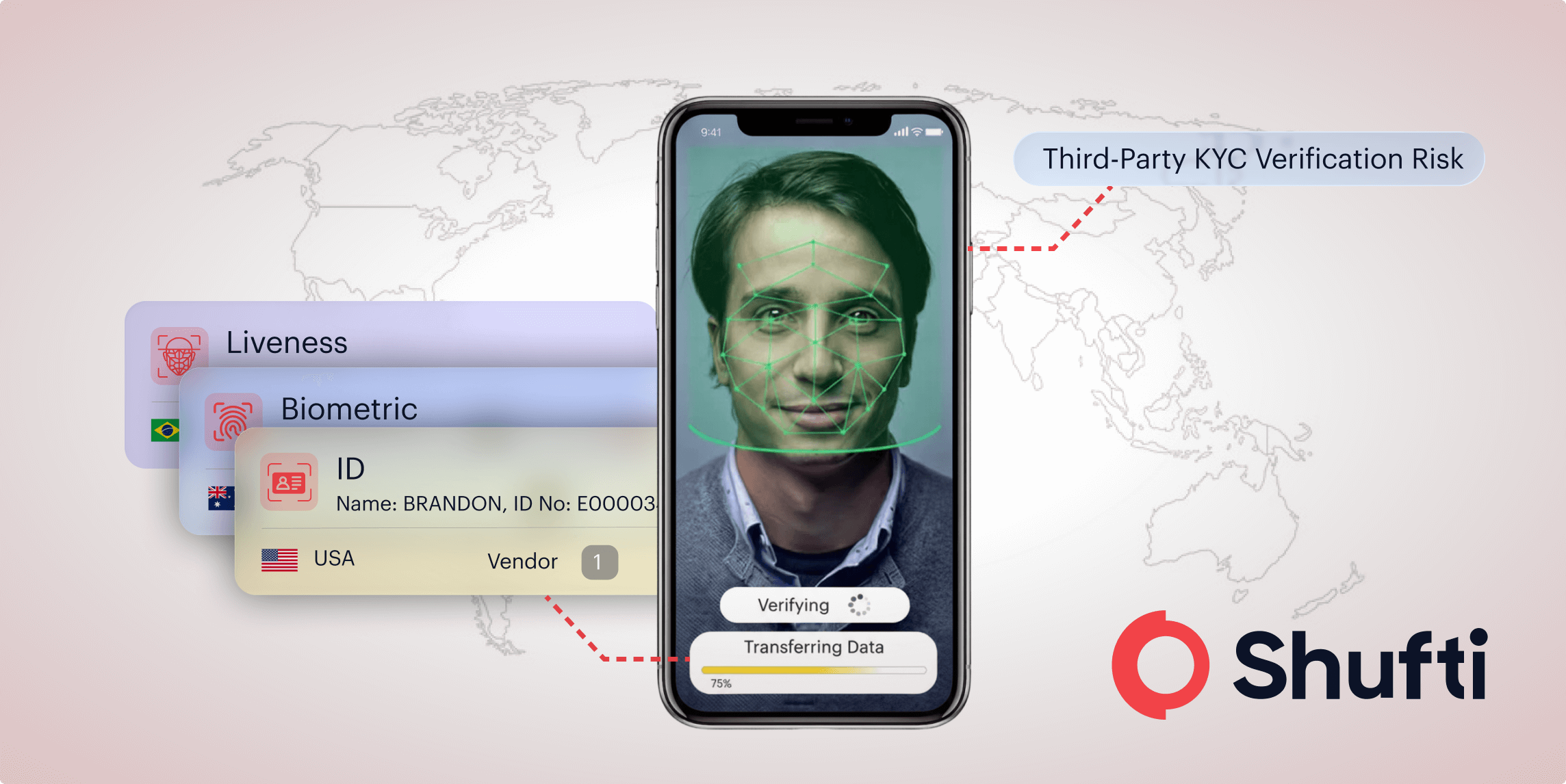
Banks can now avail the services of a KYC service provider to authenticate their clients’ identities. This allows them to make sure that their customers are not using fake credentials or stolen identities to open a bank account or avail other financial benefits. The bank asks for a proof of identity from a client during the onboarding process, and authenticates their identity in real-time, with the help of digital ID verification.
The Future of AML Compliance
As the hype for technology-based solutions for implementing compliance structures is at its highest, financial institutes need to evaluate their existing procedures. The financial services sector is fast coming to terms with the prospect of implementing fast and productive AML solutions to decrease their costs. In a way, investing in tech solutions seems the most effective approach for banks to save billions of dollars in non-compliance costs.