 Runs On Your Cloud
 No Data Sharing
 No Contract Required
 Explore Now







 Face Verification
 Address Verification
 Document Verification
 Age Verification
 VideoIdent
 Fast ID
 eIDV
eIDV
 NFC Verification
 Consent Verification
 Business Verification
 Due Diligence
 Investor Verification
 E-Signature
 Behavioural Biometrics
 Device Fingerprinting
 MFA
MFA
 AML Screening
 Business AML Screening
 User Risk Assessment
 Transaction Screening
 Adverse Media Screening

 Identity Verification
 KYC
KYC
 KYB
KYB
 KYI
KYI
 Bonus Abuse
 Fraud Prevention
 Deepfakes
 Banking
 Crypto
 Fintech
 Forex
Forex
 Gaming
 Gig Economy
 Marketplace
 Social Networks
 Product Managers
 Compliance Officers
 Fraud Analyst
 Global Trust Platform
 Journey Builder
 Vendor Comparison

 Content library
 Blogs
Blogs
 News
News
 Reports
 Insights
 Knowledgebase
 ROI calculator
 Blind Spot Audit
 Deepfake Detection
 Liveness Detection
 Document Originality
 Document Deepfake
 Events & Webinar
 Podcast Studio
 Spotlight Studio
 API Documentation
 Mobile SDKs
 Service Status
 Help Center
 Contact Us
 Technical Support
 Compliance
 Supported Document
 About
About
 Career
 Press Release
 Certifications
 Partnership
 Awards
How to Protect Yourself From Cyber Crime in the Holiday Season?
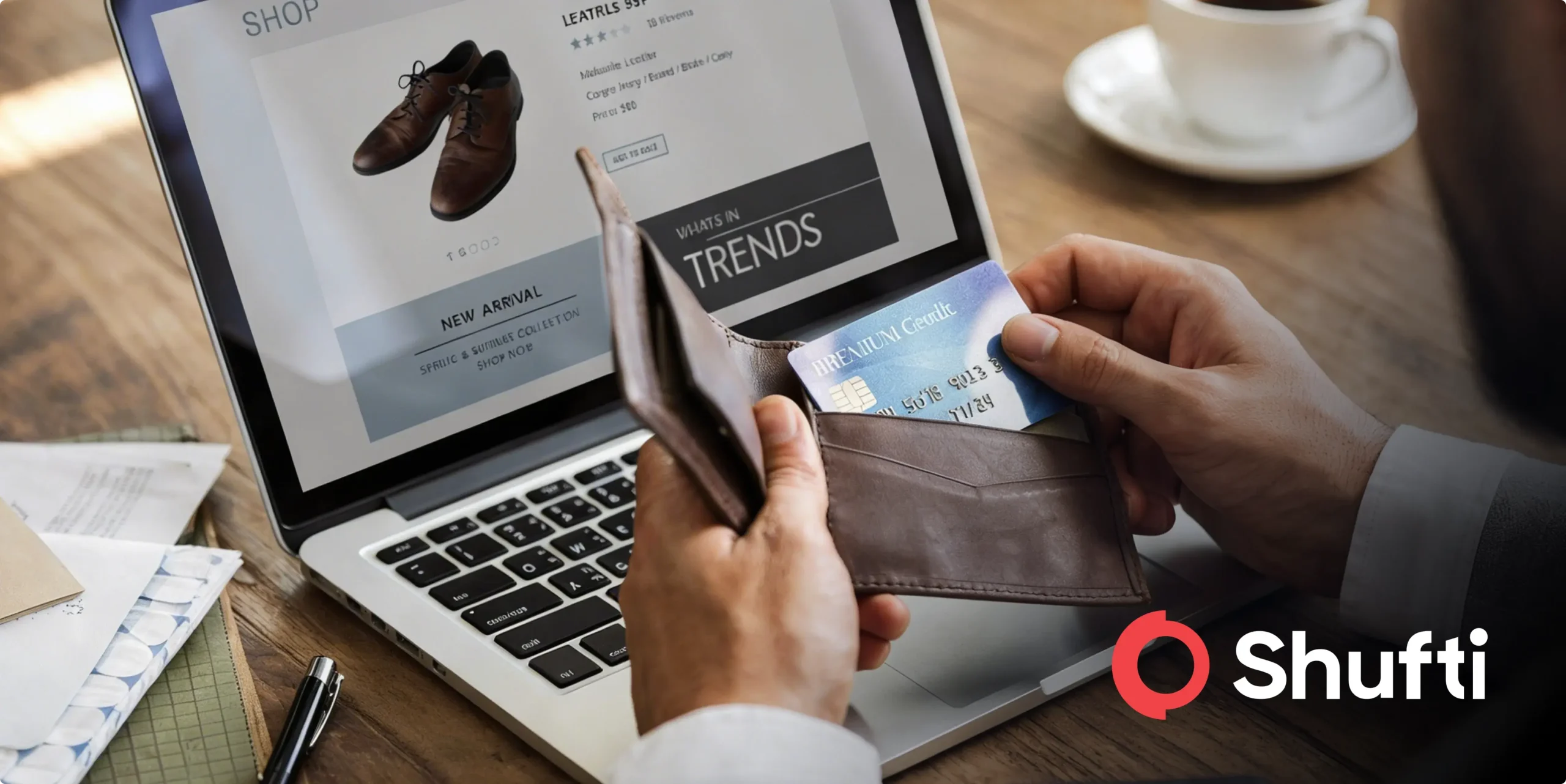
Most people around the world do the majority of their shopping during the holiday season. According to a survey by a TransUnion 2019 Holiday Retail Fraud, about 75% of Americans plan to do at least half of their holiday shopping online this year.
Although online Christmas shopping enables you to skip humongous crowds at the mall, it does pose some cybersecurity threats. Holidays are a bonanza for cybercriminals and since people are buying a lot of things in a limited time, they don’t stop to check the authenticity of websites. This presents a wide array of opportunities for crooks.
The surge in cybercrimes affects both shoppers and retailers. For shoppers, their shopping activities to fulfill their holiday shopping checklist turns into a financial nightmare by becoming a victim of cybercrime. Similarly, for retailers, an opportunity to boost sales turns into security chaos that damages the reputation and trust between them and their customers. This is why it becomes imperative to take precautionary measures to protect yourself from the ever-increasing cybercrimes.
Hackers have ample opportunities to perpetrate cybercrimes
- 56% of holiday shoppers plan to make purchases online in 2019 and
- American consumers tend to spend an average of $1007 on holiday shopping.
- Compared to 2018, the number of online sales is expected to grow by 18% in 2019.
Precautionary Measures Against Cybercrime
According to Trustwave’s 2019 Global Security Report, cybercrime is getting more sophisticated. This is why it’s getting harder to discover whether you have been the victim of malware or malicious software. Let’s go through some of the measures you can take to protect yourself from cybercrimes during the holiday season:
Don’t Click Links in Emails
Emails are the most common methods for gaining access to people’s personal information or identity. This is done through phishing emails, which are essentially ways to trick people into giving their information. A phishing email contains false links asking for you to put your info but they are made to look official and people fall for them.
Cybercriminals easily disguise themselves as trustworthy sources. It’s remarkably easy for cybercriminals to send you an email from Macy’s, for example, with promotional Christmas deals for you. This results in unwanted downloads or requests for personal information by hackers.
This is why it is imperative to take notice of a few things before clicking on a link. When doing so, hover the cursor over the link or button. This will show you the website’s address where that link leads to. If the link doesn’t look trustworthy, you should not click it. In order to figure out if the link is credible or not, look for the following anomalies:
- Secure e-commerce websites start with ‘https’ not just ‘http’
- If you have to track a package by any couriers, you should visit the site directly and not click the link in the email.
- Ensure that the spellings of a website address are correct, as this is a common tactic by fraudsters to trick people.
Avoid Public Wi-Fi Spots
Although rogue public Wi-Fi spots are tempting to use, they bring a lot of associated risks with them. Fraudsters set up shop at public Wi-Fi locations, which tempt people to connect their devices. This puts people at risk because it is impossible to know if the device has been compromised by spyware or malware. Additionally, it’s easier to intercept data including credit card numbers and passwords on a public network. Before connecting to any public device, make sure that the connection is password protected. You shouldn’t enter any personal or credit card information as well.
Attachments From Retailers
Just like avoiding clicking on email links, you shouldn’t open up any attachments from retailers. Retailers don’t hide deals and promotions in attachments as this is where the attackers hide malware. And these kinds of fake emails aren’t only about retailers and promotions; you could get a fake email that seems to be from a major shipping company like UPS, DHL, FedEx, etc. You have to remember that you can’t track orders that you haven’t requested.
Avoid Ads and Pop-ups
It’s not just emails that contain malware and viruses. Hackers have become remarkably smart and leave viruses in places, which people tend to click on, especially the ads and pop-ups. By making attractive pops and ads containing lucrative promotions, cybercriminals make sure that people click on these pop-ups. According to a survey, 84% of online shoppers will do their shopping on smartphones to research products and look for coupons.
This kind of practice is considered as malicious advertising or malvertising. These pop-ups and ads send you to sites that ask for your information and in some cases, infect your devices with harmful adware, spyware, and ransomware. One thing you should remember is that if the promotional deal is legit, it will definitely be on the company’s website.
e-Skimming
Card skimming has been happening for several years now. This kind of scam normally happens at gas stations or ATMs by installing a device that gathers credit card numbers and information when a user swipes their card. But this practice isn’t confined to ATMs anymore. Cybercriminals install malicious code on a retailer’s website which enables them to gather credit card data when a user checks out. To avoid being a victim of e-Skimming, make sure you pay using a third party such as PayPal, Venmo or Amazon. This assures that the retailers never actually have your credit card information.
Don’t Fall for Free Offers
During the holiday shopping, there is an explosion of gift card scams and survey. This kind of scam is based around asking people to take surveys in exchange for payments or gift cards. But what actually happens is that when a user clicks through, they are directed to websites that ask for credit card information, Amazon account credentials, etc so they can ‘pay you’. When a user types in their information on this site, they are directly giving their information to the attacker. 43% of online shoppers, according to a survey, had their identities stolen during the holiday shopping online.