 Runs On Your Cloud
 No Data Sharing
 No Contract Required
 Explore Now





 Face Verification
 Address Verification
 Document Verification
 Age Verification
 VideoIdent
 Fast ID
 eIDV
eIDV
 NFC Verification
 Consent Verification
 Business Verification
 Due Diligence
 Investor Verification
 E-Signature
 Behavioural Biometrics
 Device Fingerprinting
 MFA
MFA
 AML Screening
 Business AML Screening
 User Risk Assessment
 Transaction Screening
 Adverse Media Screening
 Identity Verification
 KYC
KYC
 KYB
KYB
 KYI
KYI
 Bonus Abuse
 Fraud Prevention
 Deepfakes
 Banking
 Crypto
 Fintech
 Forex
Forex
 Gaming
 Gig Economy
 Marketplace
 Social Networks
 Product Managers
 Compliance Officers
 Fraud Analyst
 Global Trust Platform
 Journey Builder
 Vendor Comparison
 Content library
 Blogs
Blogs
 News
News
 Reports
 Insights
 Knowledgebase
 ROI calculator
 Blind Spot Audit
 Deepfake Detection
 Liveness Detection
 Document Originality
 Document Deepfake
 Events & Webinar
 Podcast Studio
 Spotlight Studio
 API Documentation
 Mobile SDKs
 Service Status
 Help Center
 Contact Us
 Technical Support
 Compliance
 Supported Document
 About
About
 Career
 Press Release
 Certifications
 Partnership
 Awards
Why Selfie Verification Is the Key to Secure Digital Identity?

Digital threats are evolving, so are safety measures. Selfie verification or selfie identity verification is one of those safety measures that got traction between the late 2010s and early 2020s and has evolved over time. In this guide, we’ll walk you through what selfie verification is, how it works, its benefits, use cases, and everything that you need to know about it.
What is Selfie Verification?
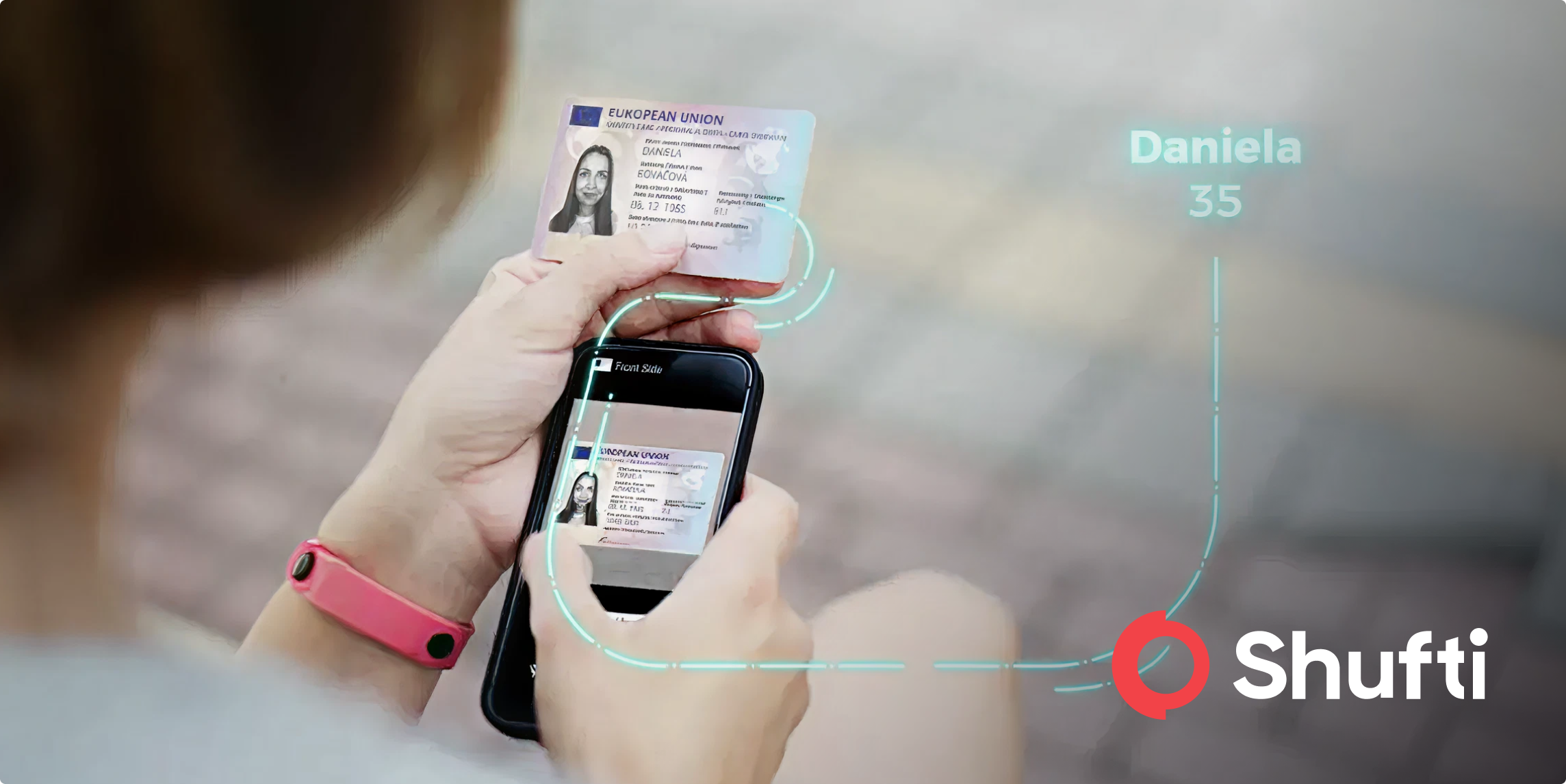
Selfie verification is a process that involves the customer taking a selfie and submitting it to be matched against their images on government documents and other verified sources. It is a crucial step in today’s identity verification workflows and also one of the most reliable and convenient ones.
Is Selfie Verification part of Liveness Detection?
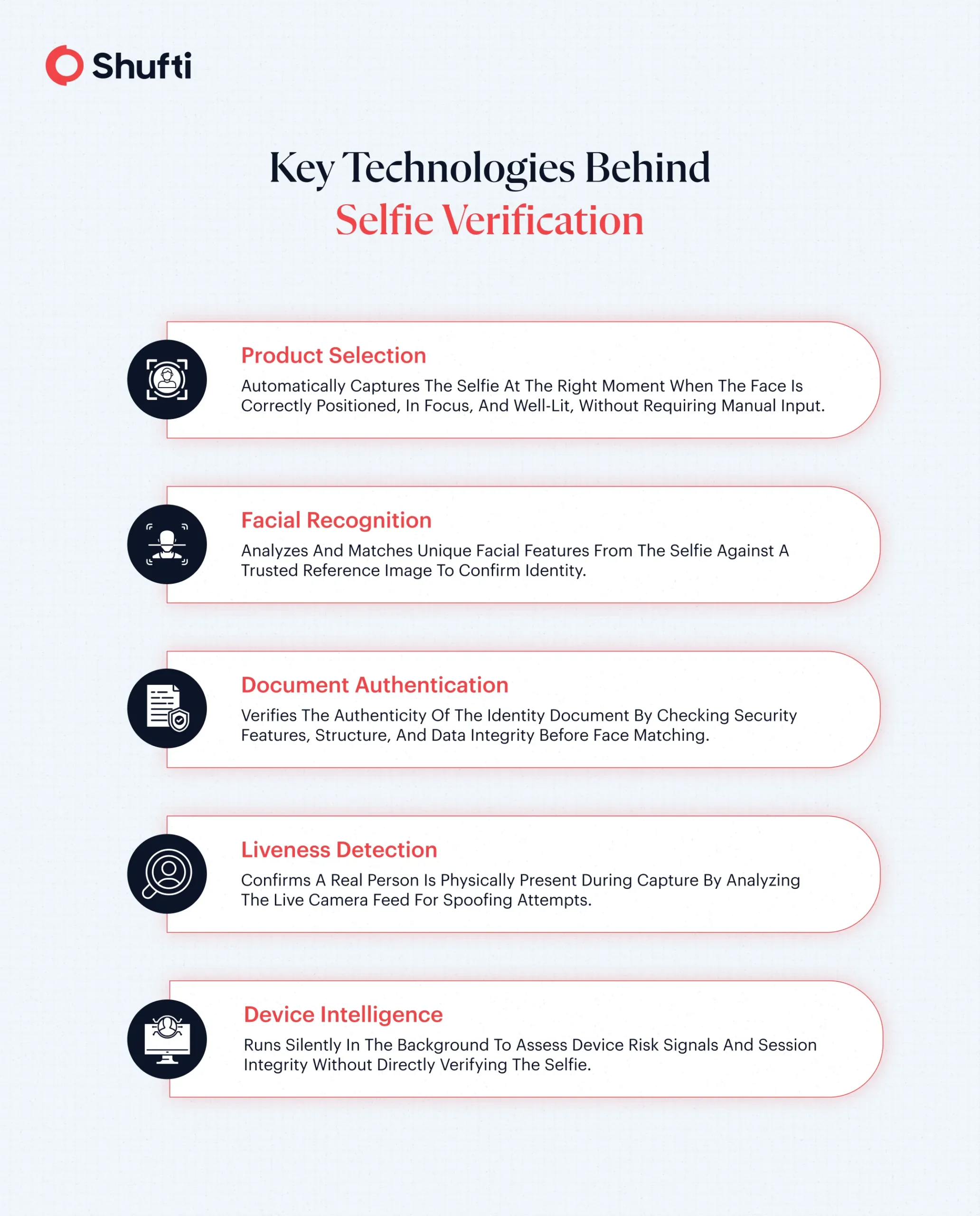
No, these are two separate processes that are usually used in unison in modern KYC solutions. Liveness detection is a step where software analyzes the live video or an image to ensure there is an actual person behind the screen and that it’s not a deep fake or recorded video.
Before liveness detection, verifying if there’s an actual person behind the camera or not was done manually. But now that most KYC software has built-in liveness detection capability, it’s offered as a part of the selfie verification process, where the image is checked for liveness while the user is taking a selfie.
How does selfie verification work?
Here’s how a typical selfie verification process looks:
Step 1: User captures a selfie
The user is guided with on-screen instructions to take a selfie using their device camera. The instructions ensure proper lighting, face position, and clarity. The user can be asked to take a single selfie from the front or multiple selfies from different angles.
Step 2: Liveness is verified during capture
As the user is posing in front of the camera, liveness detection runs in the background and analyzes the live feed to confirm if a real person is physically present. This process happens in real time, and physical presence is confirmed before a final selfie is submitted.
Step 3: Face matching is completed
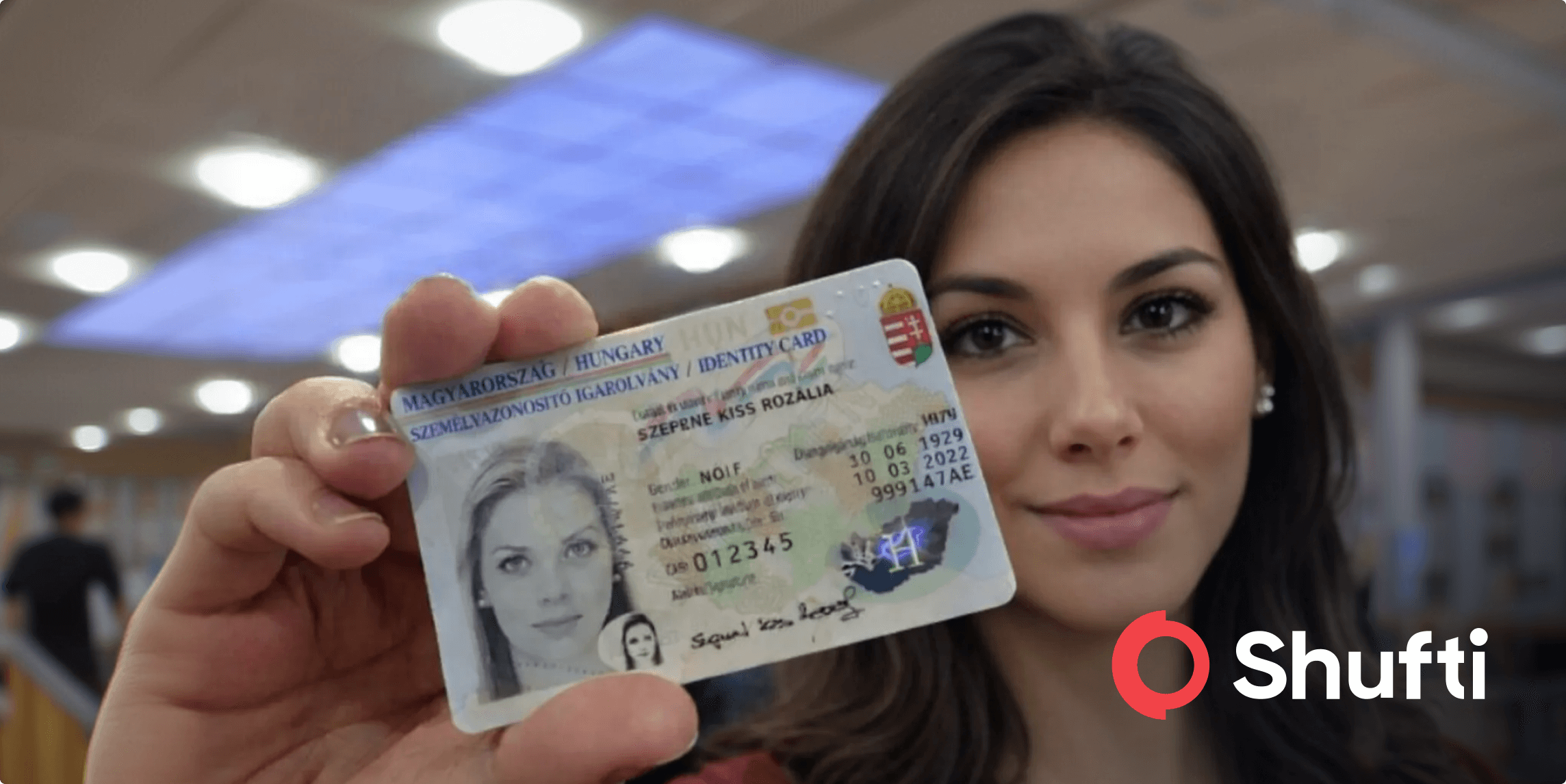
The verified selfie is compared against a trusted reference image, such as the photo on an ID document or a previously enrolled selfie. Facial features are converted into biometric templates and matched to calculate similarity and confidence scores.
Step 4: User is verified and informed
Finally, when the verification is completed, the user is verified and allowed to proceed to the next step (could be onboarding, account registration, or making a transaction). If, in case, the user is not verified, they are guided to perform the process and maybe even complete an additional verification step.
Selfie Verification Use Cases Across Regulated Industries
Fintech:
Fintech companies often onboard users at scale across multiple regions while ensuring compliance with national and international remote-verification regulations. In doing so, they risk lowering conversion rates due to additional verification checks, which can directly impact growth and revenue.
Selfie verification can be very helpful here, as it allows fintechs to verify identities with minimal friction while meeting regulatory requirements at the very first step of KYC.
Beyond onboarding, selfie verification can also be used to prevent account takeover (ATO) and unauthorized access. When unusual behavior is detected, such as login attempts from new devices or locations, a quick selfie check can help confirm the legitimacy of the user.
Forex:
Forex firms also face regulatory pressure from authorities in the countries where they operate. Apart from that, they also have to keep in mind that trading is time-sensitive. Traders often use the platform to benefit from rapidly changing prices and want access before the opportunity slips away. If verification takes too long, traders may switch platforms, resulting in lost business.
Here, selfie verification provides a quick, reliable process to verify the majority of traders who don’t carry high risk, helping forex firms onboard as many customers as possible. In addition to onboarding, selfie verification is commonly used during high-risk events such as large withdrawals, sudden trading volume spikes, or account behavior anomalies.
iGaming:
Underage gambling is one of the biggest issues gaming platforms face. Regulators are extremely strict, and in most cases have zero tolerance for it. Now, advanced verification methods do exist to verify a user’s age, but they take more time and require more effort from the user’s side. If gaming platforms start implementing only advanced verification methods, they would lose the customers who fall in the approved age bracket because of the additional checks.
This is where selfie verification can be very helpful. Businesses can use it to quickly verify the age of the user or get a close estimate by taking their selfie and matching it with official government documents that have their date of birth (DOB). With selfie verification in place, businesses only have to perform advanced checks on edge cases or where it’s hard to verify a user’s age.
Post-onboarding, selfie verification can also be used to detect account sharing, multi-accounting, bonus abuse, or suspicious activity such as abnormal betting patterns or large withdrawals. By requiring a quick selfie check before bonus withdrawals or promotional redemptions, platforms can confirm the real user and prevent the same individual from claiming bonuses across multiple accounts.
Is selfie verification secure?
Yes, selfie verification is secure, both in helping businesses comply with regulations and in protecting customers’ sensitive data, such as documents and images. However, this security is only ensured when you choose a vendor who provides fast, accurate, and reliable verification.
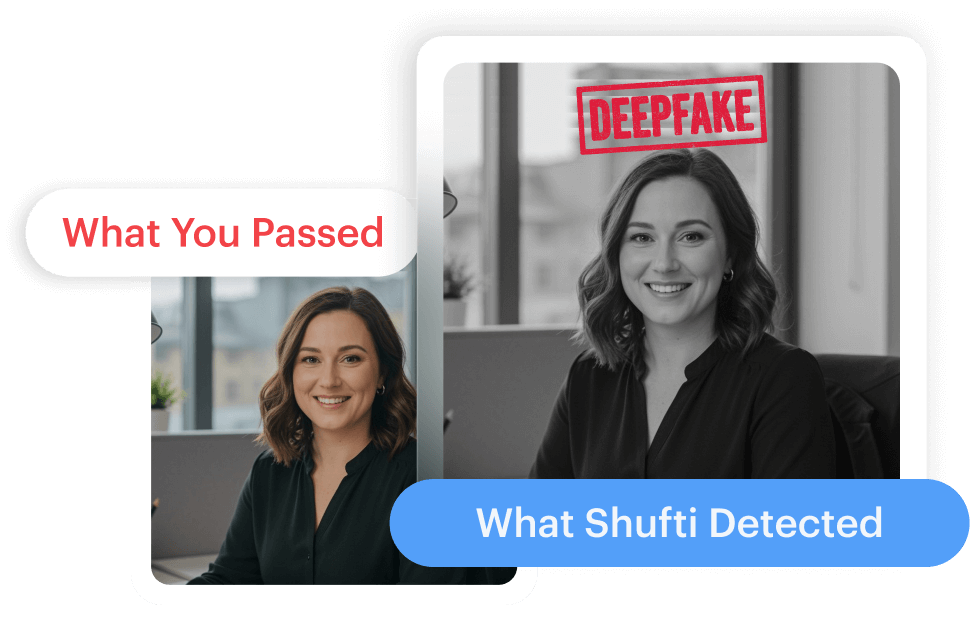
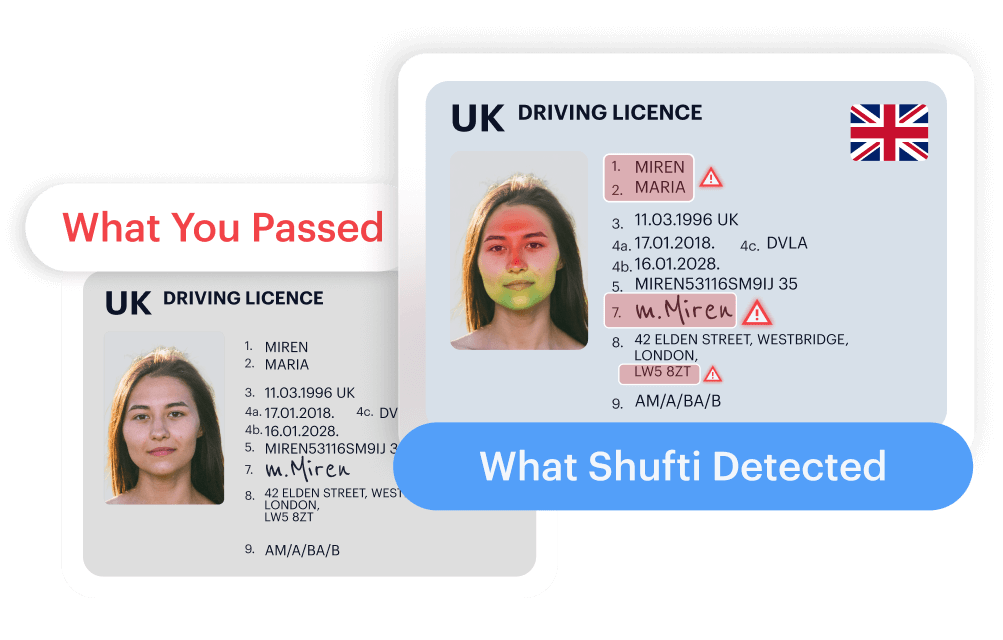
Shufti, for example, ensures accuracy and efficiency by using a number of technologies to perform selfie verifications, including liveness detection, document verification, photo-ID matching, and deepfake detection.
As for security, Shufti uses in-house technology to ensure customer data is not shared across multiple third parties, which can happen when vendors outsource parts of the verification process. Additionally, businesses can choose an on-premise deployment model, allowing them to store sensitive data within their own infrastructure and further strengthening data security and regulatory control.
Conclusion:
Selfie ID verification plays a very important role in modern digital identity checks by balancing security, speed, and user experience. However, it works best as part of a risk-based approach, where a user’s risk profile is the main factor that determines when additional checks are required.
While this guide highlights fintech, forex, and iGaming, selfie verification is equally valuable across any AML-regulated industry that relies on remote onboarding and ongoing customer monitoring. These include banking, payments, crypto, insurance, remittance services, marketplaces, and regulated lending platforms.
For these industries, selfie verification supports not only initial customer due diligence but also ongoing monitoring by enabling step-up checks during high-risk events such as unusual transactions, account changes, or suspicious behavior.
If you want to implement secure and scalable selfie identity verification, Shufti can help. Contact our team or request a demo to see how our selfie verification solutions support AML compliance across regulated industries.