 Runs On Your Cloud
 No Data Sharing
 No Contract Required
 Explore Now







 Face Verification
 Address Verification
 Document Verification
 Age Verification
 VideoIdent
 Fast ID
 eIDV
eIDV
 NFC Verification
 Consent Verification
 Business Verification
 Due Diligence
 Investor Verification
 E-Signature
 Behavioural Biometrics
 Device Fingerprinting
 MFA
MFA
 AML Screening
 Business AML Screening
 User Risk Assessment
 Transaction Screening
 Adverse Media Screening
 Identity Verification
 KYC
KYC
 KYB
KYB
 KYI
KYI
 Bonus Abuse
 Fraud Prevention
 Deepfakes
 Multi-Accounting
 Banking
 Crypto
 Fintech
 Forex
Forex
 Gaming
 Gig Economy
 Marketplace
 Social Networks
 Product Managers
 Compliance Officers
 Fraud Analyst
 Global Trust Platform
 Journey Builder
 Vendor Comparison
 Content library
 Blogs
Blogs
 News
News
 Reports
 Insights
 Knowledgebase
 ROI calculator
 Blind Spot Audit
 Deepfake Detection
 Liveness Detection
 Document Originality
 Document Deepfake
 Events & Webinar
 Podcast Studio
 Spotlight Studio
 API Documentation
 Mobile SDKs
 Service Status
 Help Center
 Contact Us
 Technical Support
 Compliance
 Supported Documents
 About
About
 Career
 Press Release
 Certifications
 Partnership
 Awards
EU-Wide Social Media Age Limit Pushed by Dutch Coalition Partners
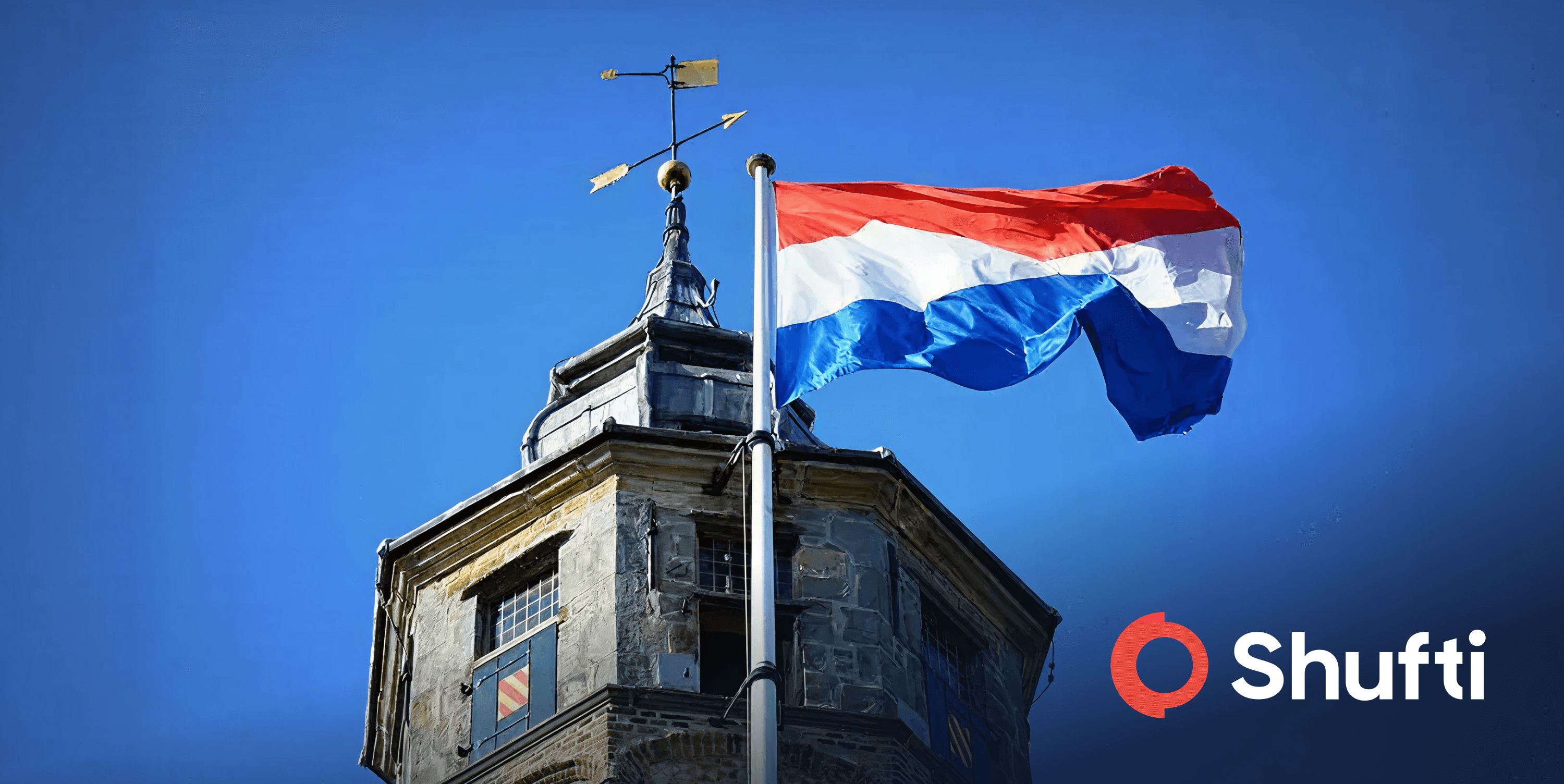
The Netherlands is the latest European country to push for stricter rules on children using social media. Its new minority coalition wants to set a minimum age for social media use at 15 across Europe. The proposal is part of a broader digital policy priority focused on child safety, site accountability, and strengthened online regulation.
The coalition includes Democrats’ 66 (D66), the Christian Democrats Appeal (CDA), and the People’s Party of Freedom and Democracy (VVD). It states that the commonly applied age threshold of 13 for social media access is no longer adequate to shield young users against online harms. The key points of the proposal include the implementation of privacy-friendly age verification to impose a higher age limit without overzealous data collection.
In addition to age limits, the government of the Netherlands intends to tighten its control over the major online platforms. The proposal recommends mandatory disclosures around algorithms and revenue, tighter oversight of illegal content, and expedited removal orders, including suggested timelines for deleting unlawful material following a regulatory decision. The coalition also aims to prohibit what it calls addictive, polarizing, and anti-democratic algorithms.
The proposal sits within a broader international push to strengthen child online safety rules. In France, lawmakers have approved legislation that would restrict access to social media for users under 15, with implementation planned for September 2026. Australia has begun enforcing account-based restrictions for under-16s, requiring platforms to take reasonable steps to prevent minors from holding accounts. In the UK, policymakers and civil society groups continue to debate whether stronger age assurance requirements and platform design rules are needed to reduce online harms for children.
Although the Dutch coalition lacks a parliamentary majority at the moment, it appears to enjoy public approval, with surveys indicating strong support for stricter age restrictions. This proposal can change how platforms protect children and follow regulations. It can increase the need in Europe for age-verification technologies that are scalable, compliant, and respect privacy. This approach can improve child safety on these platforms.