 Runs On Your Cloud
 No Data Sharing
 No Contract Required
 Explore Now







 Face Verification
 Address Verification
 Document Verification
 Age Verification
 VideoIdent
 Fast ID
 eIDV
eIDV
 NFC Verification
 Consent Verification
 Business Verification
 Due Diligence
 Investor Verification
 E-Signature
 Behavioural Biometrics
 Device Fingerprinting
 MFA
MFA
 AML Screening
 Business AML Screening
 User Risk Assessment
 Transaction Screening
 Adverse Media Screening
 Identity Verification
 KYC
KYC
 KYB
KYB
 KYI
KYI
 Bonus Abuse
 Fraud Prevention
 Deepfakes
 Banking
 Crypto
 Fintech
 Forex
Forex
 Gaming
 Gig Economy
 Marketplace
 Social Networks
 Product Managers
 Compliance Officers
 Fraud Analyst
 Global Trust Platform
 Journey Builder
 Vendor Comparison
 Content library
 Blogs
Blogs
 News
News
 Reports
 Insights
 Knowledgebase
 ROI calculator
 Blind Spot Audit
 Deepfake Detection
 Liveness Detection
 Document Originality
 Document Deepfake
 Events & Webinar
 Podcast Studio
 Spotlight Studio
 API Documentation
 Mobile SDKs
 Service Status
 Help Center
 Contact Us
 Technical Support
 Compliance
 Supported Document
 About
About
 Career
 Press Release
 Certifications
 Partnership
 Awards
Germany’s eID Under Scrutiny as EU Digital Identity Wallet Deadline Nears
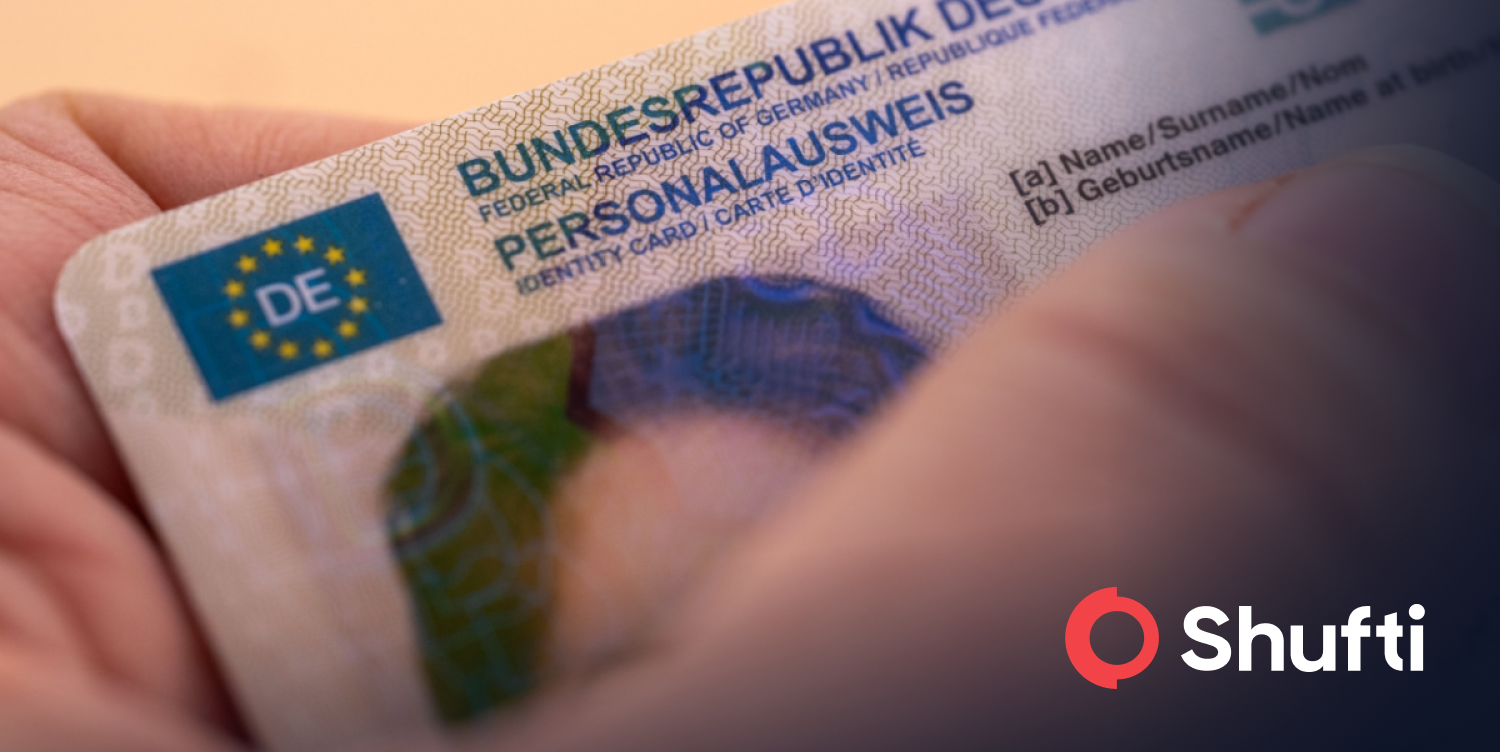
Germany’s national electronic identity (eID) program for EU/EEA citizens is facing mounting scrutiny after investigations revealed critical gaps in the various operations of the identity verification that may be enabling large-scale financial fraud. The findings raise broader concerns as the country prepares to roll out its EU Digital Identity (EUDI) Wallet under eIDAS 2.0 regulations by the end of 2026.
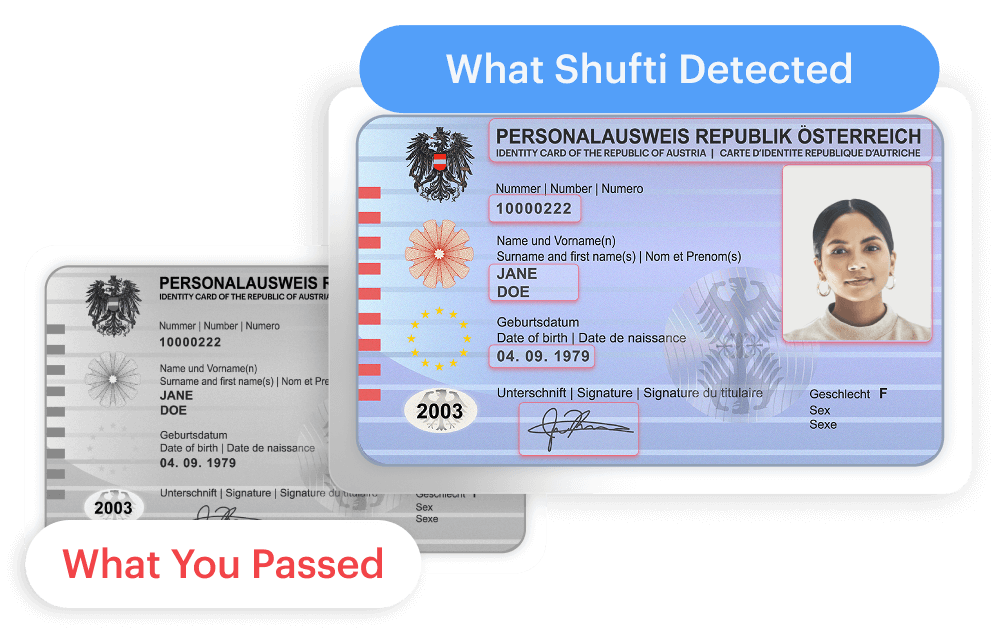
Süddeutsche Zeitung’s investigation, as summarized by subsequent reporting, suggests that Germany’s eID cards, available to non-German European Economic Area (EEA) citizens aged 16 and above for a fee of €37, allegedly may not be undergoing stringent ID verification and biometric authentication. The cards do not allow travel, but they serve as a digital identity. Banks widely accept them for remote account opening and customer onboarding.
The cards can be obtained in person at local registration offices. Many of which reportedly lack access to international document databases or advanced document verification technology. Consequently, a genuine German eID with minimum questioning can be acquired with counterfeit or stolen passports across the EU. According to investigators, this is a loophole that is being actively exploited by criminal groups, considering the estimated number of stolen identities and travel documents in Europe.
More importantly, the German eID contains no built-in biometric information, such as facial images or eye color, which makes it easy for fraud rings to share the card. The report highlights that law enforcement and regulatory agencies are increasingly worried that these loopholes are enabling fraudsters to open bank accounts, create shell companies, and build financial networks using false identities.
About 47,000 eID cards have been issued since their release in 2021. Although the extent of fraud associated with the program is not clear, investigators show concern that a large percentage of it may be compromised. Reportedly, cost constraints are a primary reason registration offices lack biometric ID verification, document authentication tools, and AML checks.
As the EU gets closer to the 2026 deadline for interoperable digital wallets, concerns around Germany’s eID for EEA citizens show the urgent need for financial institutions to use layered controls around remote onboarding, including document authenticity and biometric checks. These tools are essential for protecting financial systems and maintaining confidence in digital identity frameworks.