 Runs On Your Cloud
 No Data Sharing
 No Contract Required
 Explore Now
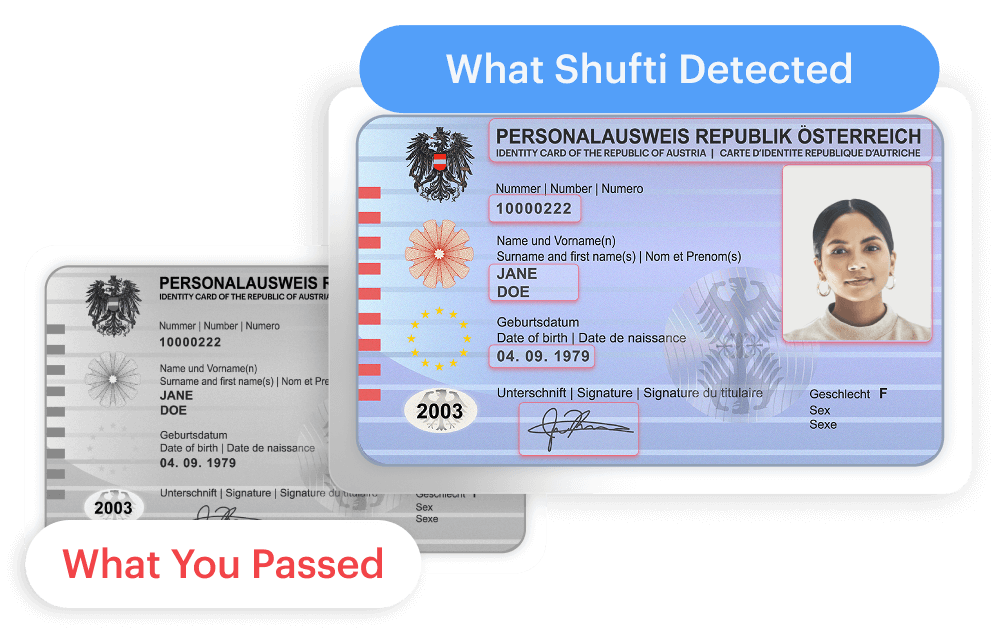





 Face Verification
 Address Verification
 Document Verification
 Age Verification
 VideoIdent
 Fast ID
 eIDV
eIDV
 NFC Verification
 Consent Verification
 Business Verification
 Due Diligence
 Investor Verification
 E-Signature
 Behavioural Biometrics
 Device Fingerprinting
 MFA
MFA
 AML Screening
 Business AML Screening
 User Risk Assessment
 Transaction Screening
 Adverse Media Screening
 Identity Verification
 KYC
KYC
 KYB
KYB
 KYI
KYI
 Bonus Abuse
 Fraud Prevention
 Deepfakes
 Multi-Accounting
 Banking
 Crypto
 Fintech
 Forex
Forex
 Gaming
 Gig Economy
 Marketplace
 Social Networks
 Product Managers
 Compliance Officers
 Fraud Analyst
 Global Trust Platform
 Journey Builder
 Vendor Comparison
 Content library
 Blogs
Blogs
 News
News
 Reports
 Insights
 Knowledgebase
 ROI calculator
 Blind Spot Audit
 Deepfake Detection
 Liveness Detection
 Document Originality
 Document Deepfake
 Events & Webinar
 Podcast Studio
 Spotlight Studio
 API Documentation
 Mobile SDKs
 Service Status
 Help Center
 Contact Us
 Technical Support
 Compliance
 Supported Documents
 About
About
 Career
 Press Release
 Certifications
 Partnership
 Awards
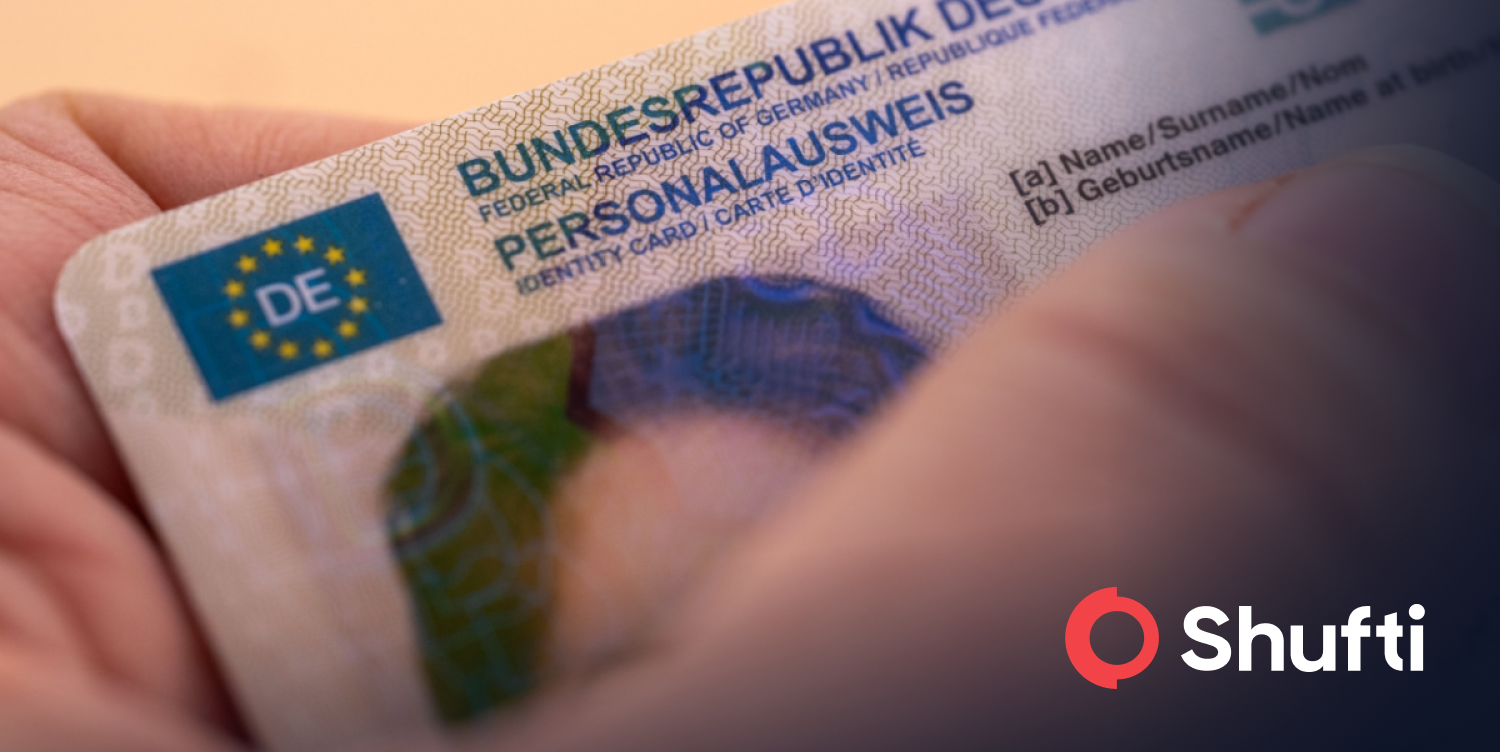
Ireland Calls for Compulsory ID Verification on Social Platforms Across the EU

DUBLIN, Ireland – Dec 30 2025 – As Ireland prepares to assume the EU presidency from July to December 2026, the Irish government is expected to propose significant changes to address online abuse. Deputy Prime Minister Simon Harris made an announcement earlier this week: Ireland is going to be leading the push for social media companies across Europe to introduce mandatory ID verification.
The focus of this initiative is on addressing the challenge of anonymous accounts and bots, which contribute to online abuse. Harris pointed out that platforms where you can hide behind the cloak of anonymity are becoming hotbeds for harmful content and manipulation, and bots are at the very center of it all, either actively spreading disinformation or just egging people on to behave badly online.
“We actually have a digital age of consent in Ireland of 16 years old, but it’s being ignored,” Harris told Extra.ie in an interview, “for me this is a massive issue, and not just here in Ireland, but across the whole of Europe, we really need to start tackling this problem of anonymous bots on social media.”
The Irish government is now effectively using its EU presidency stint to push for ID-verified social media accounts across the entire union. Ireland’s initiative aligns with concerns over the impact of social media, particularly in relation to the spread of misinformation, hate speech, and harmful behavior. Introducing compulsory ID verification could help authorities monitor and hold accountable individuals engaging in activities such as spreading false information or orchestrating harassment campaigns.
But just as Ireland is getting ready to roll out this initiative, it may face some pushback from the US. The ongoing dispute between the US and the EU over tech regulation has intensified, with the Trump administration raising concerns about the EU’s tech rules. The US has warned that measures such as mandatory ID verification could pose security risks and affect international data sharing.
This week, the US has slapped visa bans on five high-profile figures from Europe, including former EU Commissioner Thierry Breton and researcher Imran Ahmed. The US has raised concerns about the EU’s influence on American tech companies, particularly regarding its regulatory approach to the tech industry. The US argues that the EU’s increasing involvement in tech regulations may have significant implications for international business practices.
As Ireland gears up to take the reins as EU president on this issue, the country is likely to be at the forefront of the global debate about making social media more accountable and keeping users safe from digital harm. And this could be a real game-changer for Europe, and Ireland will be one of the people driving the policy changes.