 Runs On Your Cloud
 No Data Sharing
 No Contract Required
 Explore Now







 Face Verification
 Address Verification
 Document Verification
 Age Verification
 VideoIdent
 Fast ID
 eIDV
eIDV
 NFC Verification
 Consent Verification
 Business Verification
 Due Diligence
 Investor Verification
 E-Signature
 Behavioural Biometrics
 Device Fingerprinting
 MFA
MFA
 AML Screening
 Business AML Screening
 User Risk Assessment
 Transaction Screening
 Adverse Media Screening

 Identity Verification
 KYC
KYC
 KYB
KYB
 KYI
KYI
 Bonus Abuse
 Fraud Prevention
 Deepfakes
 Banking
 Crypto
 Fintech
 Forex
Forex
 Gaming
 Gig Economy
 Marketplace
 Social Networks
 Product Managers
 Compliance Officers
 Fraud Analyst
 Global Trust Platform
 Journey Builder
 Vendor Comparison

 Content library
 Blogs
Blogs
 News
News
 Reports
 Insights
 Knowledgebase
 ROI calculator
 Blind Spot Audit
 Deepfake Detection
 Liveness Detection
 Document Originality
 Document Deepfake
 Events & Webinar
 Podcast Studio
 Spotlight Studio
 API Documentation
 Mobile SDKs
 Service Status
 Help Center
 Contact Us
 Technical Support
 Compliance
 Supported Document
 About
About
 Career
 Press Release
 Certifications
 Partnership
 Awards
5 Ways Banks Can Minimize Risks In Light of KYC/AML
If you’re dealing with customers across borders, how can you safeguard your bank by ensuring that the customer is legitimate? Any existing or potential customer can become a burdening liability and make you go through a legal peril. Can you ensure that the customer has not involved you in some sort of corruption, remote banking fraud, or money laundering? What makes it more alarming is that the consequences of money laundering include a USD 500,000 fine, 20 years in prison, and blacklisting of all involved parties.
To avoid such incidents, it’s all about Knowing Your Customer. The best strategy that banks can adopt to avoid unintentional participation in financial crimes is to accurately verify customers. Right off the bat, if a customer is unwilling to provide required identity details, then a bank has all the reason to question their motives.
Typically, banks perform a common set of steps during customer onboarding. However, the process can differ depending on whether it occurs online or in person. While banks perform customer due diligence as a part of the KYC process, there are various onboarding steps that can be simplified, streamlined, and automated to minimize risks.
Considering this, a bank must answer the following fundamental question during any new account onboarding process:
Is the User Actually Who They Claim To Be?
The first thing banks need to consider is whether the customer is legitimate or an imposter pretending to be someone else. Identity theft reports received by the Federal Trade Commission skyrocketed in 2020, reaching an amount of 1.4 million. What makes it more alarming is that identity thefts and other cybercrimes are forecasted to cost businesses approximately USD 6 trillion by the end of 2021.
To lower this risk, the best onboarding approach would be to utilize purpose-built identity verification solutions. These IDV solutions capture an image of the customer’s ID document and can assess its legitimacy within seconds. This not only eliminates the need for customers to physically visit a bank branch but minimizes the bank’s reliance on an employee’s ability to discern a legitimate document from a fraudulent one.
Digital identity verification services utilize machine learning, artificial intelligence, and biometrics to verify whether the ID document matches a known template from anywhere around the globe. This takes the technical process away from bank employees that are more likely to make errors.
In the case of remote onboarding, the best practice would be to ask customers to submit an ID document along with a corroborating selfie. This is a necessary step to ensure that the applicant is actually who they are claiming to be.
Are They Involved in Money Laundering?
Money laundering is a pressing issue that worldwide banks struggle to tackle. “Dirty” cash is used for funding other illegal activities, including terrorism, thus putting banks under more pressure to identify the source of funds as soon as possible.
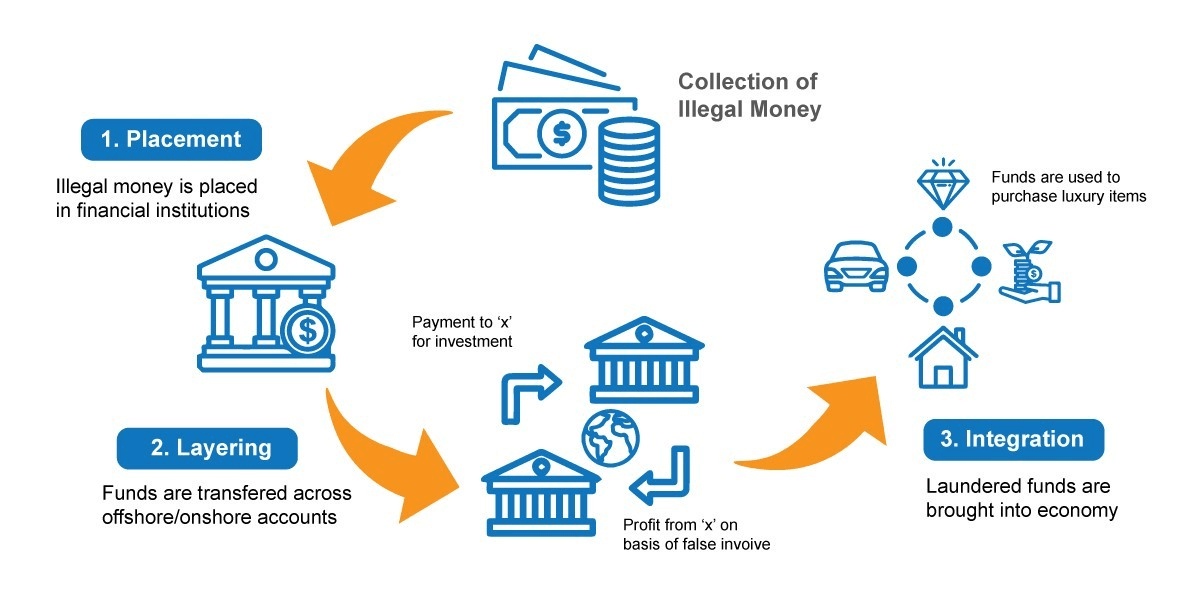
Thankfully, banks can now reduce the number of human resources, false positives, and the amount of time consumed through manual anti-money laundering checks. By customizing and automating their AML compliance programs, preventing money laundering would no longer pose a challenge for banks.
To substantially lessen a bank’s money laundering risk, an automated AML program must have two main features:
- The use of AML screening solutions
- Ongoing transaction monitoring
Screening solutions help a bank stay in compliance with global and regional AML laws, by verifying users against criminal watch-lists, Politically Exposed Persons (PEP) lists, and global sanctions. On the other hand, ongoing transaction monitoring ensures the timely detection of suspicious transactions that may indicate money laundering or related financial crimes.
How Credit-worthy Are They?
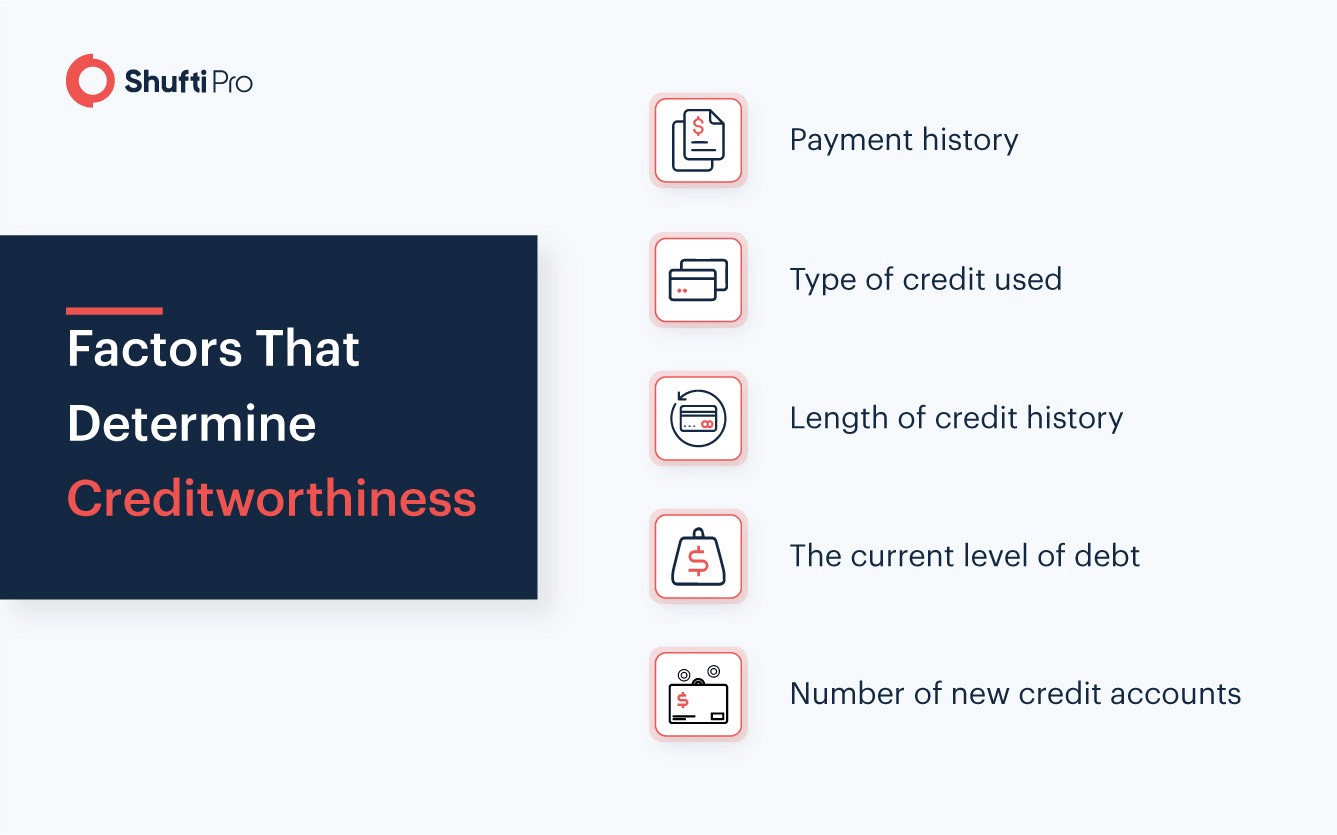
Banks generally use FICO scores and other credit assessments to determine whether the credit should be extended to customers or not.
Can We Trust Them?
Banks consider customers trustworthy based on three parameters. Firstly, their identity must be verified and authenticated during customer onboarding. Secondly, the customer must not be present on any criminal watch-list or global sanction. Thirdly the customer must have a strong loan payment history.
Additionally, perpetual KYC can be performed by banks to ensure whether the customer can be trusted or not. During the perpetual KYC process, customer data is updated on an ongoing basis, which enhances risk assessment and profiling.
How Can We Verify Identities Online in the Future?
Modern identity verification solutions are equipped with biometric technology to determine the physical presence of the customer while they perform an online transaction. To fulfil KYC requirements, banks can employ biometric facial recognition to capture live biometric data for identity proofing. Once a biometric template has been formed, the information can be used to verify and authenticate customers whenever they perform a high-risk activity, such as a password reset or international fund transfer.
Final Thoughts
Despite all the solutions for minimizing risks, banks usually opt out of investing in AI-powered, fully automated IDV solutions. However, these solutions add value through a data-driven approach for fraud prevention and risk mitigation. Whether the aim is to deliver top-notch customer experiences, or to streamline risk management processes, banks must make the right investments to accelerate digital transformation, encourage automation, and fuel fraud detection.