 Runs On Your Cloud
 No Data Sharing
 No Contract Required
 Explore Now







 Face Verification
 Address Verification
 Document Verification
 Age Verification
 VideoIdent
 Fast ID
 eIDV
eIDV
 NFC Verification
 Consent Verification
 Business Verification
 Due Diligence
 Investor Verification
 E-Signature
 Behavioural Biometrics
 Device Fingerprinting
 MFA
MFA
 AML Screening
 Business AML Screening
 User Risk Assessment
 Transaction Screening
 Adverse Media Screening
 Identity Verification
 KYC
KYC
 KYB
KYB
 KYI
KYI
 Bonus Abuse
 Fraud Prevention
 Deepfakes
 Banking
 Crypto
 Fintech
 Forex
Forex
 Gaming
 Gig Economy
 Marketplace
 Social Networks
 Product Managers
 Compliance Officers
 Fraud Analyst
 Global Trust Platform
 Journey Builder
 Vendor Comparison
 Content library
 Blogs
Blogs
 News
News
 Reports
 Insights
 Knowledgebase
 ROI calculator
 Blind Spot Audit
 Deepfake Detection
 Liveness Detection
 Document Originality
 Document Deepfake
 Events & Webinar
 Podcast Studio
 Spotlight Studio
 API Documentation
 Mobile SDKs
 Service Status
 Help Center
 Contact Us
 Technical Support
 Compliance
 Supported Document
 About
About
 Career
 Press Release
 Certifications
 Partnership
 Awards
Identity Document Validation Technology for Securing Digital Identities

- 01 What Is IDVT? A Modern Answer to Digital Identity Challenges
- 02 What Technology is Used Behind the IDVT Systems?
- 03 How Identity Validation Technology Ensures Accuracy, Authenticity, and Compliance?
- 04 Digital IDVT for Remote Verification and Operational Efficiency
- 05 Use Cases and Integration of IDVT for Compliance
- 06 The Future of Identity Document Validation Technology in Financial Services
- 07 How Shufti's IDVT Empowers Businesses with Fraud-Resistant Automation?
In digital finance, identity verification has become one of the key areas of vulnerability. As financial institutions increasingly adopt digital onboarding, remote Know Your Customer (KYC), and automated risk management, these developments introduce new challenges and added costs.
A study by Cifas shows that attempts to commit fraud using fake or altered identity documents have increased significantly. In the first half of 2025 alone, there have been over 118,000 cases. AI and the use of fabricated documents often drive this trend.
This situation increases pressure on compliance teams. They are already under stricter supervision and with less tolerance for errors in verification. Identity Document Validation Technology (IDVT) is no longer a desirable upgrade but a basic operational necessity. It provides precision at scale and lowers exposure to regulatory and financial risk.
Simultaneously, FinTechs are under increasing regulatory pressure across AML, KYC, KYB, Right to Work, and expanded financial crime requirements. The volume, complexity, and accuracy required by these obligations cannot be maintained through manual document checks.
This is exactly why Digital Identity Document Validation Technology (IDVT) has moved from an optional add-on to protect digital onboarding to a necessary element.
With this foundation established, the next step is understanding precisely what IDVT entails.
What Is IDVT? A Modern Answer to Digital Identity Challenges
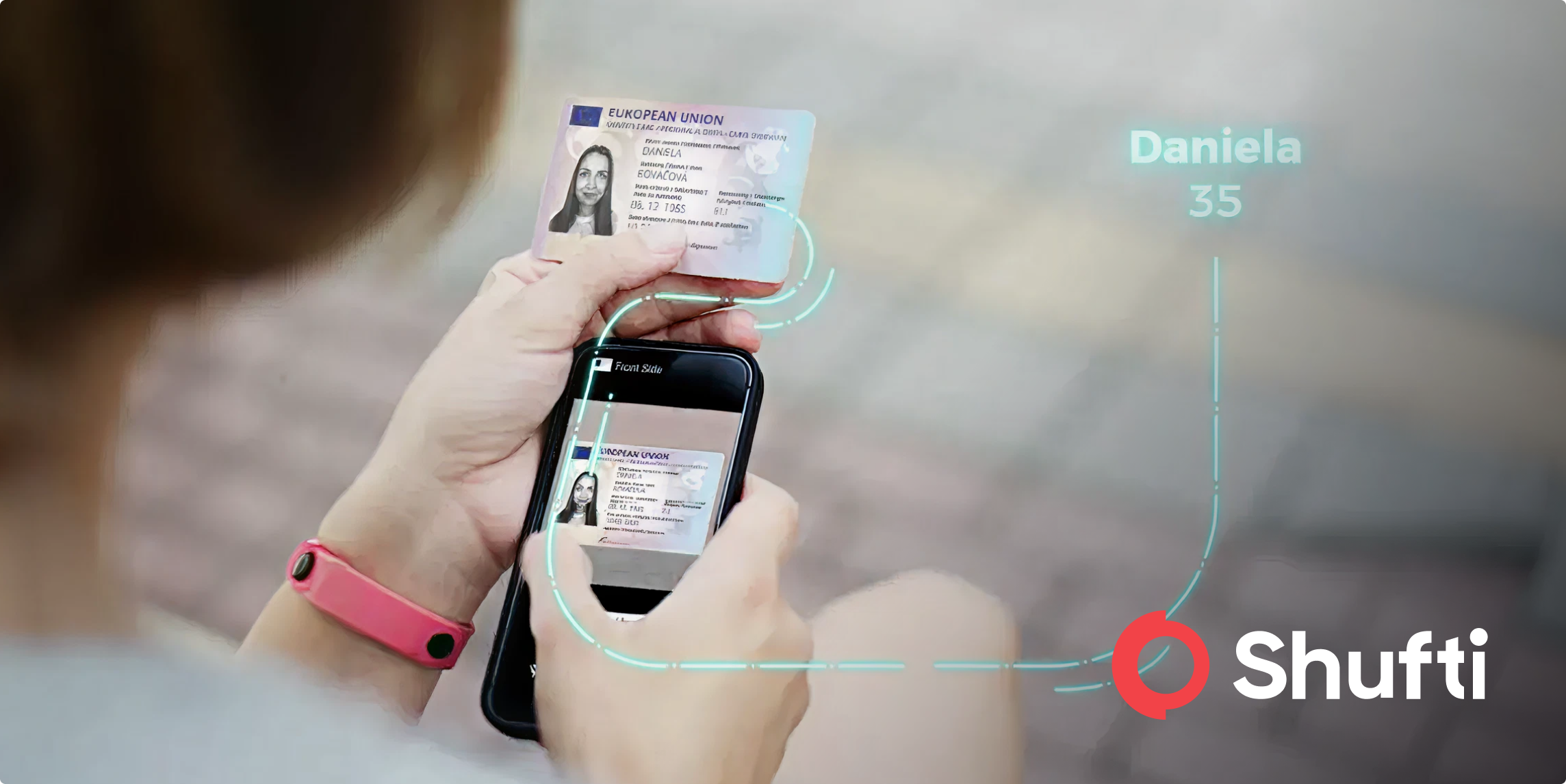
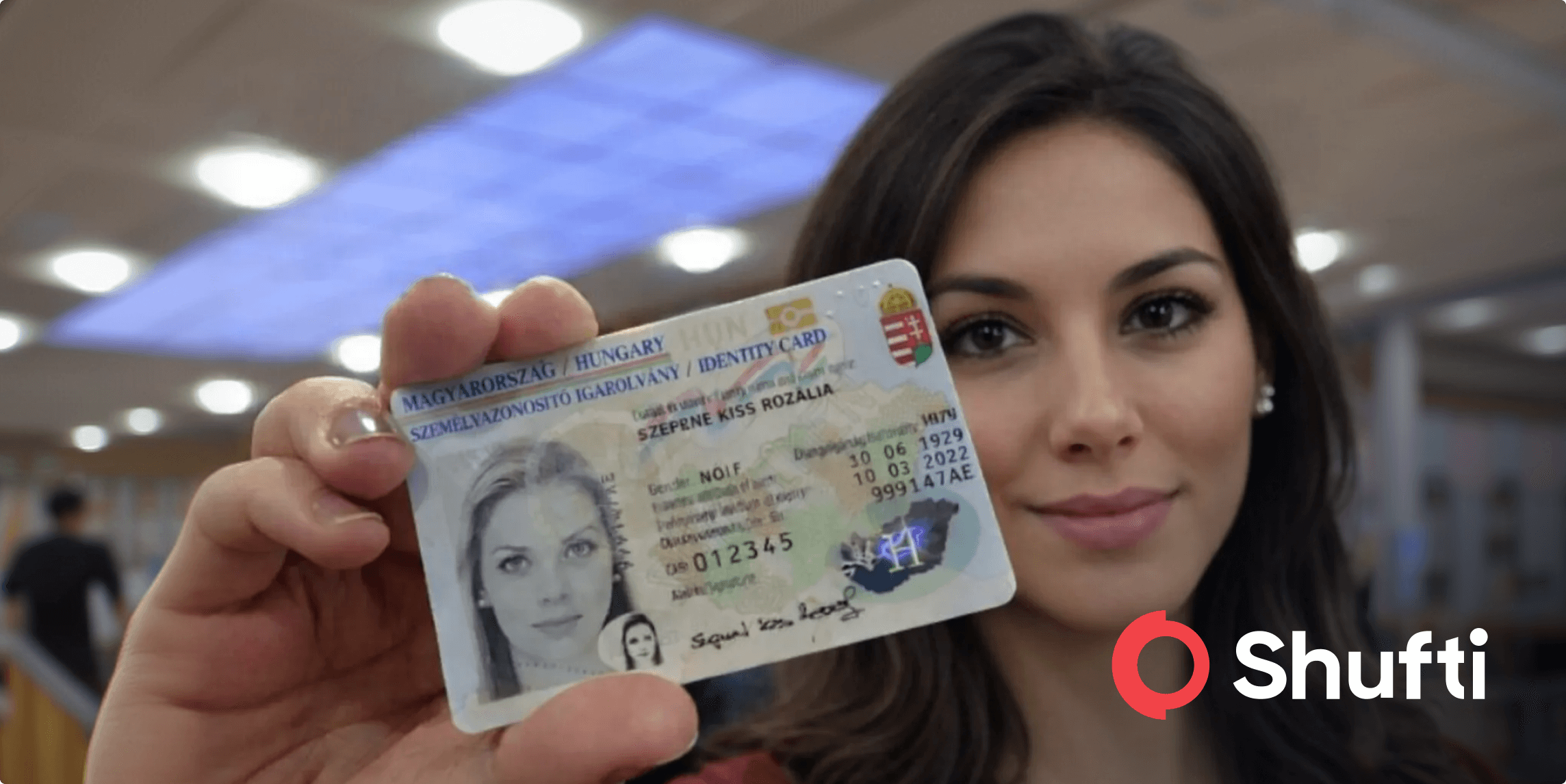
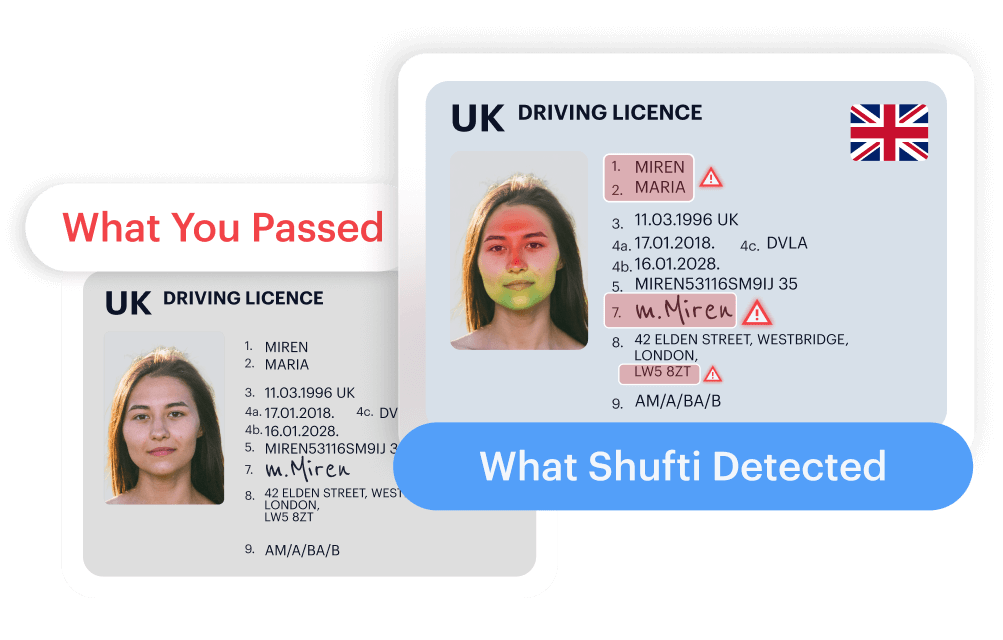
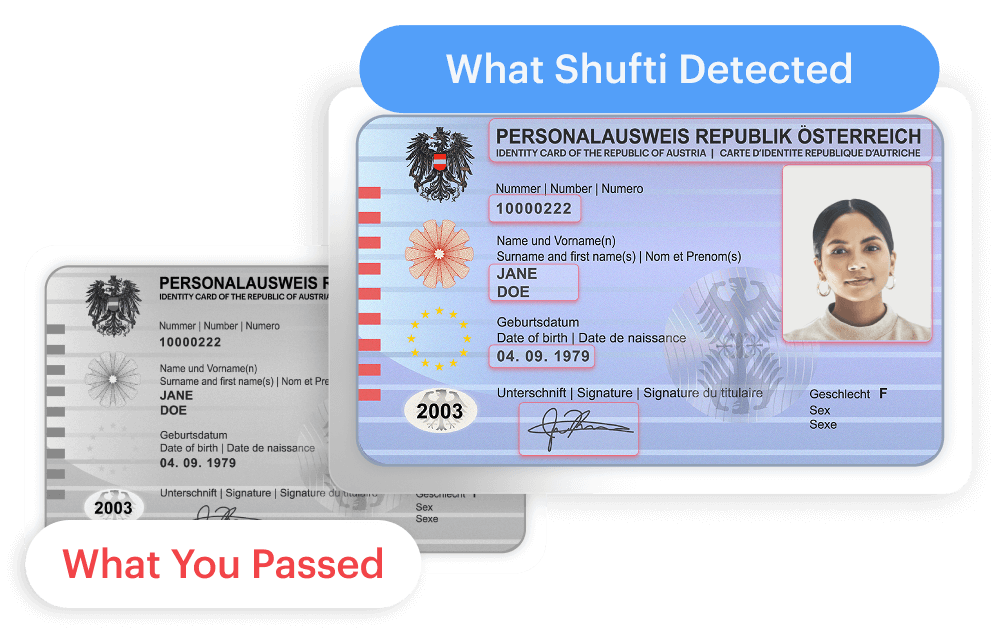
The Identity Document Validation Technology (IDVT) is an advanced system that checks and verifies identity documents digitally. It is more accurate and reliable than manual validation methods.
In contrast to manual verification, which is prone to compromising results through human error and subjectivity. IDVT employs automated and intelligence-based verification to verify the authenticity of passports, driving licences, national ID cards, and other official documents. It can be easily integrated into digital identity systems to facilitate remote onboarding and detect fraud in real time.
Notably, IDVT distinguishes between full identity verification and document validation. Identity verification confirms who a person is, while document validation confirms only that the ID document is genuine. The accuracy and scalability of IDVT make it essential across high-risk domains like banking, FinTech, and crypto. These sectors require exceptional identity verification assurance alongside strict expectations for speed, compliance, and risk aversion.
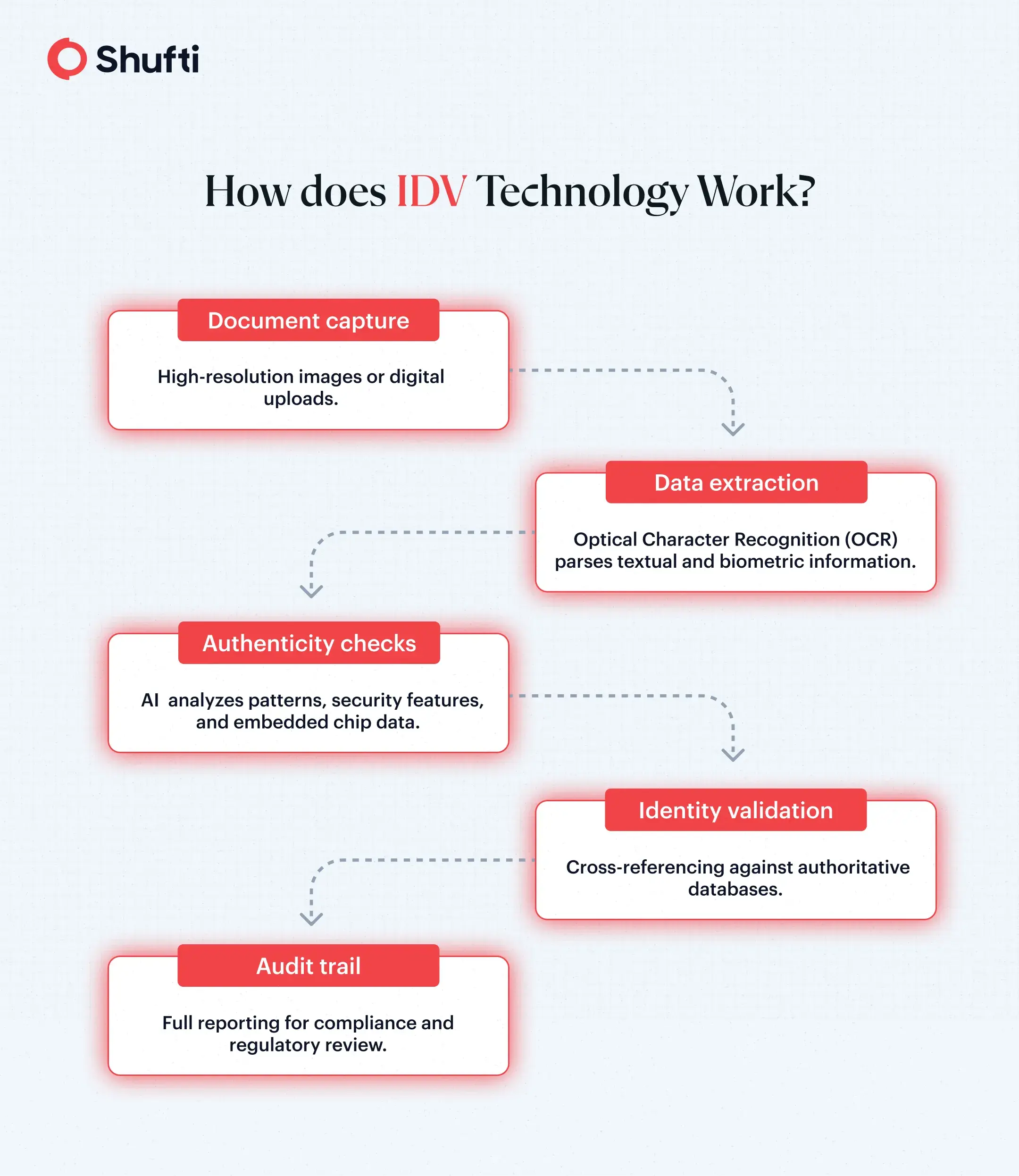
A typical IDVT validation process in FinTech onboarding follows a structured flow:
What Technology is Used Behind the IDVT Systems?
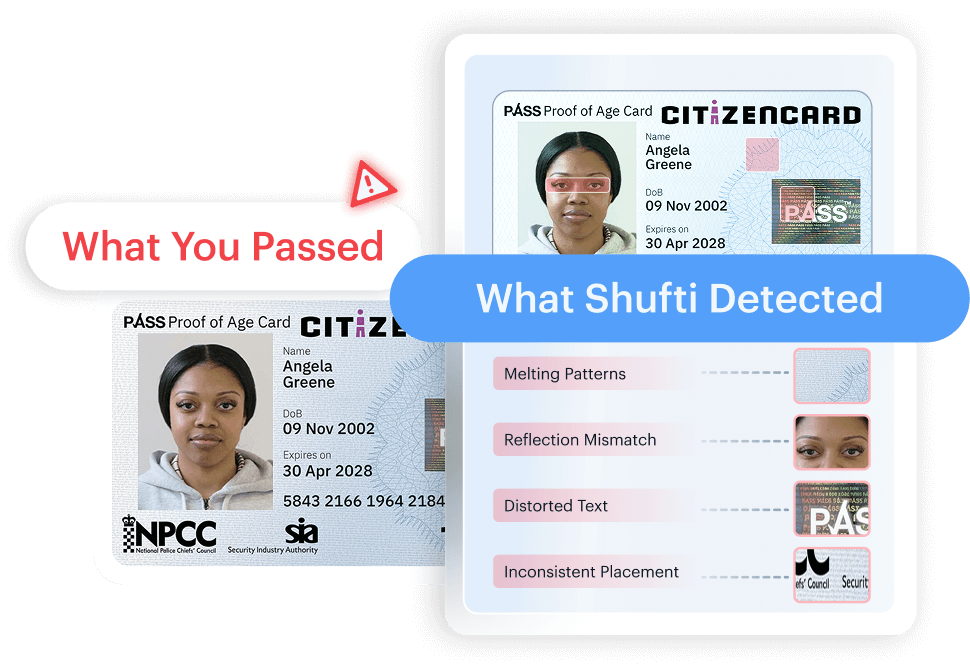
IDVT software has several layers of technology that are combined in order to give high accuracy and mutual security of identity verification. Optical Character Recognition (OCR) is based on the concept of extracting structured data in passports, driving licences, and identity cards and converting physical or electronic documents into useful information. The high-level fraud detection systems at the time evaluate document authenticity by using EXIF (Exchangeable Image File Format) metadata analysis, exposing latent manipulations, and copy-move detectors.
To ensure high-assurance verification, NFC and RFID reading access the encrypted data stored in e-IDs and passports, which validates the legitimacy on a hardware basis. These technologies use artificial intelligence to recognize patterns and connect in real-time with trusted databases. They also follow international rules, such as ICAO standards and DMV certifications.
Every layer strengthens accuracy, reduces risk, and creates a strong audit trail. This ensures that identity validation remains both trustworthy and compliant in FinTech and RegTech settings.
How Identity Validation Technology Ensures Accuracy, Authenticity, and Compliance?
Identity Validation Technology (IDVT) is essential for modern anti-money laundering (AML), know your customer (KYC), know your business (KYB), and onboarding processes. It ensures accurate and authentic information while meeting regulatory standards. By using cryptographic verification and tamper-evident checks, IDVT makes manual reviews less necessary and speeds up remote onboarding. It also helps build trust in fast-paced financial settings by supporting quick decision-making and creating reliable records.
IDVT is important for spotting high-risk fraud types. These include fake identities, fraud when opening accounts, onboarding money mules, and efforts to bypass KYC controls.
IDVT is a key tool for meeting compliance requirements like AMLD6, FATF, and FCA guidelines. Compliance teams gain more accuracy, reduce their manual workload, and create strong audit trails that can handle regulatory reviews. By using IDVT, financial institutions and regulated organizations improve their compliance, simplify their processes, and reduce the risk of financial crime.
Digital IDVT for Remote Verification and Operational Efficiency
Digital Identity Document Validation Technology (IDVT) enables secure, remote onboarding without compromising verification accuracy.
It also automates business operations like criminal background checks, employment verification, and identity checking, which helps in eliminating fraud, and the cost and time of onboarding is reduced.
IDVT is the foundation of a secure user ecosystem that works in harmony with eKYC, reusable digital IDs, and digital wallets. Regulatory compliance is ensured by adherence to frameworks, including eIDAS, UK DIATF, and NIST. Automated workflows help manage identity risks, from enrollment to recovery.
The process improves efficiency while reducing manual work and increasing approval rates. These workflows also connect with anti-money laundering (AML) monitoring, case management, and customer relationship management (CRM) systems. This process is further crucial for FinTech and RegTech companies that deal with large and high-stakes transactions. Thus, the risk there is high, and they need to ensure trust and security.
Use Cases and Integration of IDVT for Compliance
The implementation of Identity Document Validation Technology (IDVT) is a part of identity verification for the FinTech and RegTech sectors. It enables safety and prevents fraud, and ensures compliance with the regulations. It is compatible with eKYC operations, biometric authentication, and national eID systems to streamline onboarding and verification across digital wallets, reusable IDs, and cross-border platforms.
The applications of IDVT include digital banks, crypto exchanges, P2P lending, BNPL services, wealth management, InsurTech, payments, employer verification, and tenant screening. It also helps verify the Right to Work and Right to Rent, conduct DBS checks, and perform thorough background checks.
By automating important transaction checks and improving how operations work, IDVT builds trust, lowers risk, and ensures compliance with regulations. It supports passwordless access and a zero-trust approach, which makes it suitable for modern digital identity systems.
The Future of Identity Document Validation Technology in Financial Services
The future of Identity Document Validation Technology (IDVT) in financial services is marked by AI-driven verification systems. These advancements now combine machine learning, fraud analytics, and NFC or chip-based authentication.
Many countries are now adopting their own frameworks for national digital IDs, with the potential to make them interoperable across countries. IDVT is the capability to operationalize the issuance of new eIDs in a secure, remote environment.
Thus, integration with reusable digital identities and decentralized ID frameworks will accelerate, supporting secure, efficient onboarding. With regulatory frameworks shifting to place IDVT at the core of digital identity ecosystems, financial institutions will have greater assurance, reduced operational risk, and the ability to comply with regulations in an increasingly interconnected and complex global context.
How Shufti’s IDVT Empowers Businesses with Fraud-Resistant Automation?
Financial institutions and RegTech firms that rely on manual document checks face rising fraud risk, slow onboarding, and intense supervisory pressure.
Shufti IDVT capabilities combine AI-based document fraud detection, chip-level verification, and coverage across thousands of document types in 240+ jurisdictions, so regulated entities gain accurate, auditable decisions with less manual review.
Request a demo to see how Shufti’s IDVT can be embedded into existing onboarding and AML workflows.