 Runs On Your Cloud
 No Data Sharing
 No Contract Required
 Explore Now







 Face Verification
 Address Verification
 Document Verification
 Age Verification
 VideoIdent
 Fast ID
 eIDV
eIDV
 NFC Verification
 Consent Verification
 Business Verification
 Due Diligence
 Investor Verification
 E-Signature
 Behavioural Biometrics
 Device Fingerprinting
 MFA
MFA
 AML Screening
 Business AML Screening
 User Risk Assessment
 Transaction Screening
 Adverse Media Screening
 Identity Verification
 KYC
KYC
 KYB
KYB
 KYI
KYI
 Bonus Abuse
 Fraud Prevention
 Deepfakes
 Banking
 Crypto
 Fintech
 Forex
Forex
 Gaming
 Gig Economy
 Marketplace
 Social Networks
 Product Managers
 Compliance Officers
 Fraud Analyst
 Global Trust Platform
 Journey Builder
 Vendor Comparison
 Content library
 Blogs
Blogs
 News
News
 Reports
 Insights
 Knowledgebase
 ROI calculator
 Blind Spot Audit
 Deepfake Detection
 Liveness Detection
 Document Originality
 Document Deepfake
 Events & Webinar
 Podcast Studio
 Spotlight Studio
 API Documentation
 Mobile SDKs
 Service Status
 Help Center
 Contact Us
 Technical Support
 Compliance
 Supported Document
 About
About
 Career
 Press Release
 Certifications
 Partnership
 Awards
What Is Proof of Identity, How It Works, and Why It Matters?
- 01 What Is Proof of Identity?
- 02 What Information Must Be Present on Proof of Identity Documents?
- 03 Common Forms of Proof of Identity in Regulated Markets
- 04 Common IDV Document Standards and Acceptance Criteria
- 05 Difference Between Identity Proofing and Identity Authentication
- 06 Operational challenges firms face
- 07 Shufti’s Proof of Identity as the Foundation of Digital Trust
Identity verification has moved beyond physical checks as financial institutions and digital platforms operate remotely, in real time, and across multiple jurisdictions.
Proof of identity is now a core regulatory requirement due to rising threats like synthetic identities, organised fraud, and deepfakes. Regulators demand stronger assurance at onboarding, with reputational risk and penalties for weak verification.
This article explains what constitutes valid proof of identity, which documents comply with regulatory requirements across different regions, and the essential information required for automated verification.
What Is Proof of Identity?
Proof of identity is evidence that demonstrates an individual is who they claim to be, based on independently verifiable and authoritative sources. This evidence should correspond to established standards and not subjective judgment in regulatory and commercial settings. In this context, it is expected to be trusted, validated, and relied on with a relaxed amount of confidence.
For identity evidence to qualify as valid proof of identity, it must be authoritative, current, and independently verifiable. Compliance frameworks and regulators evaluate evidence of identity based on such factors as assurance by an authority that is trusted. Also, by the integrity of the information, resistance to tampering, and relevance to the legal identity of the individual.
Is Proof Of Identity Always In Physical Form?
The majority of citizens rely on physical documents as a way to demonstrate their identity, although digital ones can be used as well. Global businesses work with a wide range of document types. Meanwhile, compliance teams also have issues of false negatives and false positives. These complications add expenses and may cause customer-related complications.
The Difference Between Proof Of Identity And Proof Of Address And Age
Proof of identity should be distinguished from proof of address or proof of age. Identity verification establishes the identity of an individual, and secondary checks provide more information regarding an individual. This is why regulated businesses need to receive verified identity evidence at the initiation of a customer relationship, especially where high-risk transactions or controlled services are involved.
What Information Must Be Present on Proof of Identity Documents?
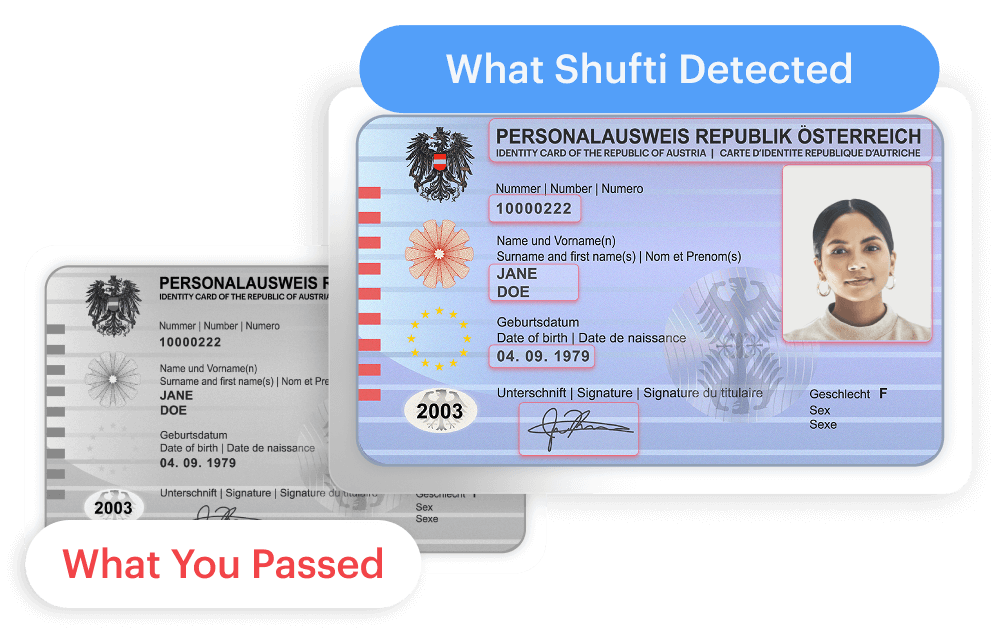
For proof of identity to be accepted in an automated identity verification system, the document must clearly display specific data points that allow validation. Typically, the necessary elements encompass:
-
- Full Legal Name: It must be the same as the name filled on the boarding or application.
- Date of Birth: Proves eligibility and age specifications.
- National Identification Number: The document must display the specific number allotted by the government against the individual’s identity.
- Clear Photograph: A high-quality, unobstructed facial image suitable for biometric identification.
- Expiry Date: The document should also be valid; most digital IDV systems do not support expired documents.
- The Machine Readable Zone (MRZ): It consists of the standardized lines on passports or identity cards. These lines assist machines in reading and extracting information from the documents in a short time. They also protect the authenticity of a document.
Common Forms of Proof of Identity in Regulated Markets
Proof of identity documents are authoritative credentials issued or recognised by government authorities to confirm an individual’s legal identity. They are accepted on the basis of objective validation criteria such as government issuance, clear photograph in existence, consistent biographic information, tamper-proof security measures, and validity during the time of verification.
The standard list of identity documents is utilized by financial institutions and regulators all over the world. Although they are not confined to a single example, common examples are passports, national ID cards, driver’s licences, and residence permits of non-citizens. These records are considered to be highly acceptable as they are manufacturably checked and verified through machines. This assists in simplifying identity validation and enhancing its accuracy in various nations.
What Is Acceptable Proof of Identity?
Acceptable proof of identity is the identity evidence that is authoritative and that meets regulatory, technical, and risk-based assurance requirements. The definition of the proof of identity remains the same, but the particular documents that are considered the gold standard vary with the jurisdiction and regulations.
Accepted Proof of Identity Documents by Region
The following are the main proof of identity documents that regulators and financial institutions usually identify as far as identity verification (IDV) systems in 2026 are concerned:
- UK: Current passport, original UK birth certificate, EEA national ID card, UK photocard or old-style driving licence, CIS4 photographic registration card, firearms/shotgun certificate, Home Office residence permit for EEA nationals, and national identity card with photo.
- United States: U.S. Passport, U.S. Passport Card, Permanent Resident Card (Green Card), U.S. Military ID, Foreign Passport, Enhanced Driver License (EDL), Enhanced Identification Card (EID), Federally Recognized Tribal-issued Photo ID, Border Crossing Card, and USCIS Employment Authorization Card (I-766).
- European Union: National Identity Card (with photograph), Passport, Residence Permit, Driver’s License.
Common IDV Document Standards and Acceptance Criteria
Beyond document type and visible data fields, as a system, identity verification applies technical acceptance standards to ensure document integrity and authenticity. These standards commonly include:
- Physicality: The original physical document must be presented; screenshots, photocopies, or printed replicas are typically rejected.
- Visibility: All four corners of the document must be visible within the capture frame.
- Clarity: Text and images must be free from glare, blur, obstruction, or overexposure.
- Liveness Verification: Most IDV processes require a liveness check, such as a selfie or short video, to confirm the document belongs to the presenting individual.
Difference Between Identity Proofing and Identity Authentication
Identity proofing is the first and one-time procedure of proving an identity that is verified with an acceptable level of assurance. This move is the basis of the customer relationship, and it determines the basis of all future risk decisions.
Once an identity has been proven, authentication confirms that the returning user is the same verified individual. Authentication usually happens when you access your account, when you make important transactions, or when certain risk indicators suggest that extra checks are needed. This approach strengthens security while avoiding unnecessary friction during routine interactions.
The distinction between identity proofing and identity authentication can help ensure stronger security without causing unwarranted friction. It also helps in risk-based verification policies in which increased assurance is used selectively, depending on the context of the transaction and vulnerability to threats.
Operational challenges firms face
Even when the proof of identity and verification model is defined, implementing it effectively can be complex. Global businesses work with many types of documents in different formats. At the same time, compliance teams manage issues with false positives and false negatives. These issues increase costs and create problems for customers. Manual reviews can lead to uneven decisions and slower onboarding. That’s why many companies use clear, automated verification processes to work more efficiently and grow.
Audit readiness presents another challenge. Regulators require firms to demonstrate what evidence was collected, how it was verified, and why the identity was accepted. Keeping clear records and logs of decisions is just as important as doing verification checks.
Shufti’s Proof of Identity as the Foundation of Digital Trust
Inadequate proof of identity exposes organisations to fraud, increases the need for fraud prevention, along with regulatory fines and operational challenges.
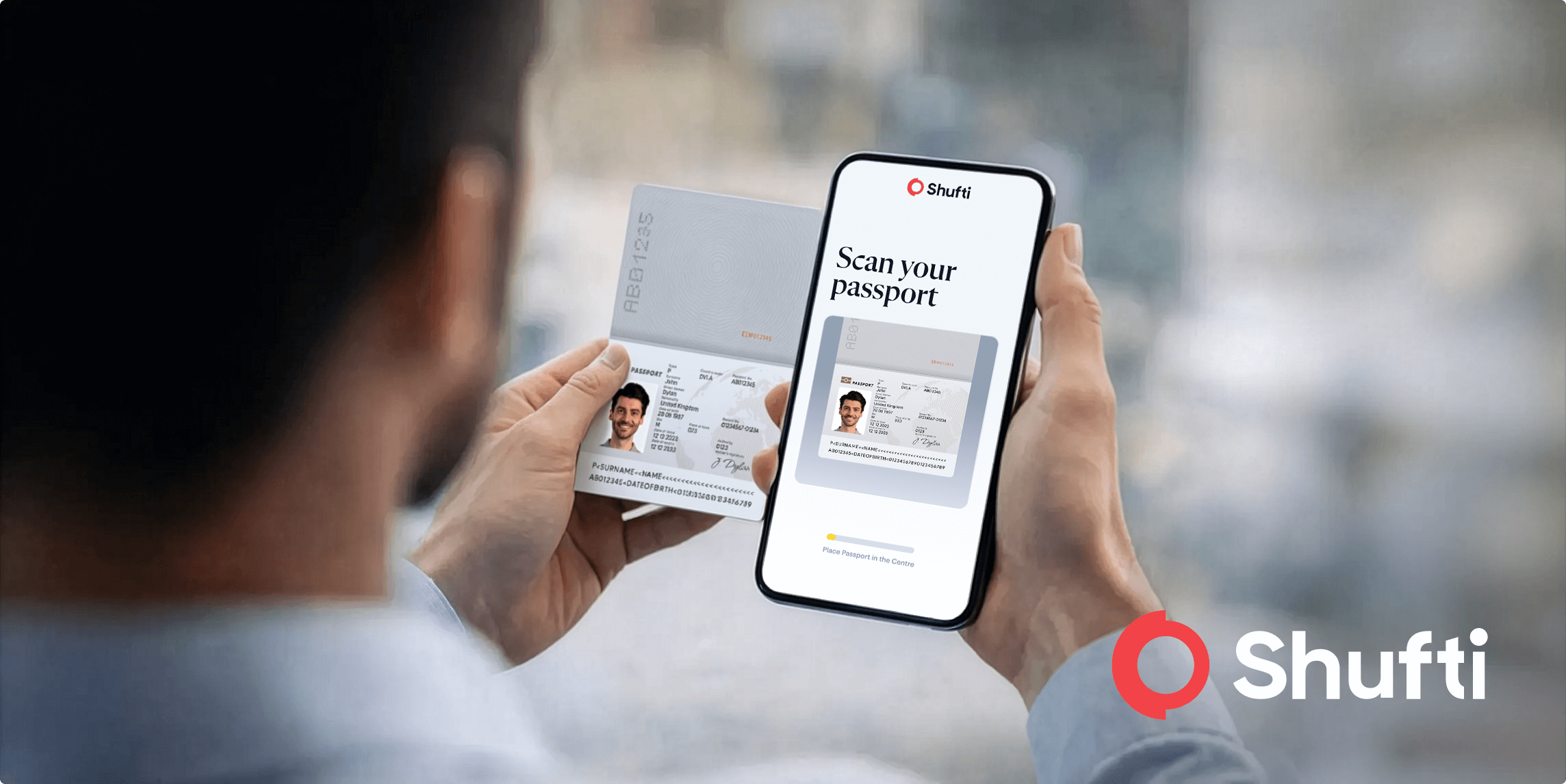
Shufti offers global document verification, supporting nearly every country and language by using advanced OCR technology. Whether verifying national or international IDs for individuals or businesses, the platform handles a diverse range of documents with ease. Its extensive global reach makes Shufti a future-proof solution. As your business expands into new regions, there’s no need to switch vendors.
Reliable identity verification that is digital often enables businesses to meet compliance requirements and maintain trust in digital channels. Shufti helps regulated organizations with automated solutions that respect privacy and can adjust to changing rules.
Request a demo to see how Shufti strengthens identity assurance and regulatory compliance across the customer lifecycle.
Frequently Asked Questions
What is proof of identity?
Proof of identity (POI) is evidence, such as a government-issued document, that confirms who an individual is.
What counts as proof of identity?
Documents like passports, national ID cards, driving licences, or government-issued residence permits, physical or digital, count as proof of identity.
How does proof of identity differ from proof of address?
Proof of identity verifies who someone is, while proof of address confirms where they live.