 Runs On Your Cloud
 No Data Sharing
 No Contract Required
 Explore Now
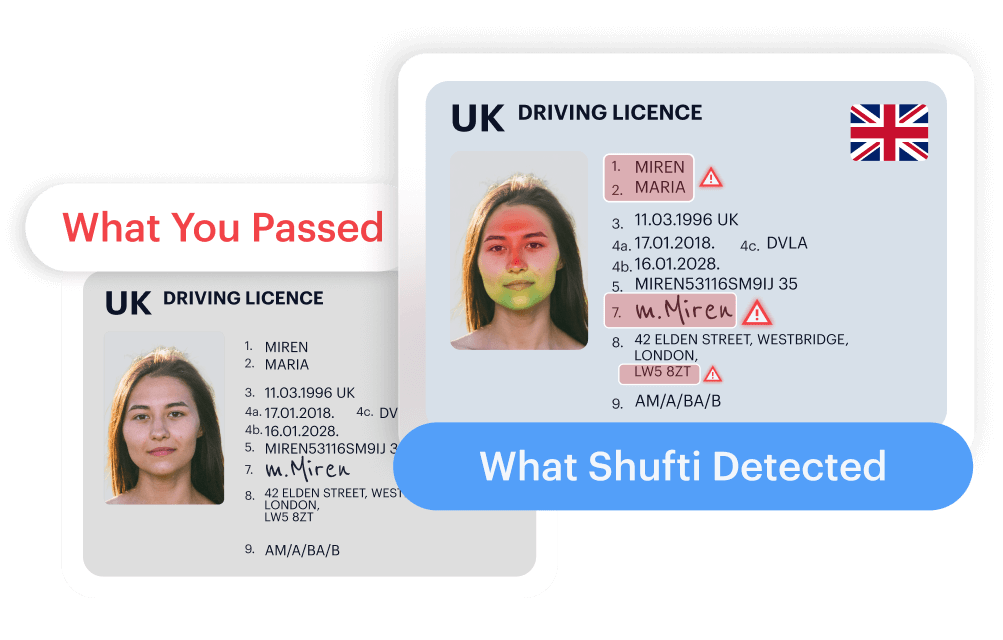
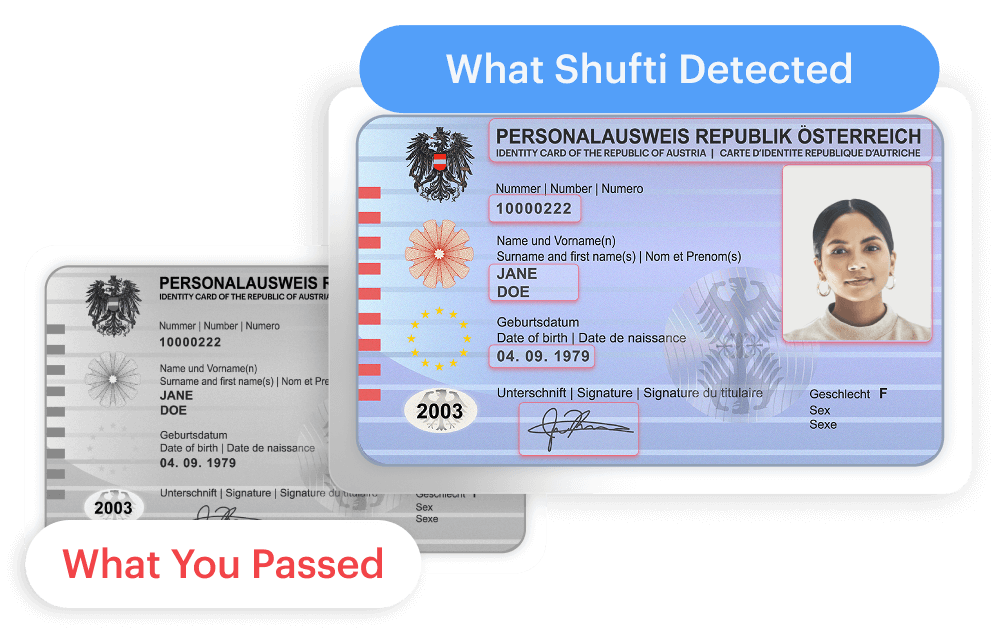





 Face Verification
 Address Verification
 Document Verification
 Age Verification
 VideoIdent
 Fast ID
 eIDV
eIDV
 NFC Verification
 Consent Verification
 Business Verification
 Due Diligence
 Investor Verification
 E-Signature
 Behavioural Biometrics
 Device Fingerprinting
 MFA
MFA
 AML Screening
 Business AML Screening
 User Risk Assessment
 Transaction Screening
 Adverse Media Screening
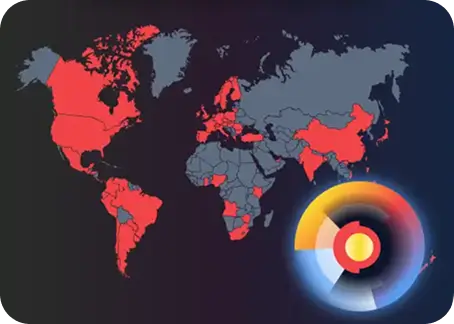
 Identity Verification
 KYC
KYC
 KYB
KYB
 KYI
KYI
 Bonus Abuse
 Fraud Prevention
 Deepfakes
 Banking
 Crypto
 Fintech
 Forex
Forex
 Gaming
 Gig Economy
 Marketplace
 Social Networks
 Product Managers
 Compliance Officers
 Fraud Analyst
 Global Trust Platform
 Journey Builder
 Vendor Comparison
 Content library
 Blogs
Blogs
 News
News
 Reports
 Insights
 Knowledgebase
 ROI calculator
 Blind Spot Audit
 Deepfake Detection
 Liveness Detection
 Document Originality
 Document Deepfake
 Events & Webinar
 Podcast Studio
 Spotlight Studio
 API Documentation
 Mobile SDKs
 Service Status
 Help Center
 Contact Us
 Technical Support
 Compliance
 Supported Document
 About
About
 Career
 Press Release
 Certifications
 Partnership
 Awards
How To Choose
Identity Verification For Forex Brokerages
Without Sacrificing Trader Conversions
A practical buyer’s guide for forex brokers operating across multiple jurisdictions, balancing regulatory pressure with growth, countering deepfake-driven and synthetic identity fraud, and onboarding high-intent traders at speed.
Why Forex Trading Firms Must Be Careful in Choosing the Identity Verification Vendor?
Forex trading firms must be careful when choosing an identity verification vendor because onboarding must satisfy strict AML and KYC requirements across multiple regulators while keeping fraud in check. As attacks shift from forged documents to deepfakes and AI-generated identities, platforms also face growing security risks. At the same time, traders expect instant access and abandon onboarding when it slows down—making vendor performance in real production environments far more critical than how similar solutions appear on paper.

$27.2B
Identity fraud losses in 2024 - up 19% from 2023
What This Buyer’s Guide Helps You Get Right
- How to evaluate IDV solutions across document, face, device, NFC, and video KYC
- What “good” verification really looks like for low-risk vs high-risk traders
- How to choose a solution that lets you design risk-based workflows that speed up onboarding without weakening controls
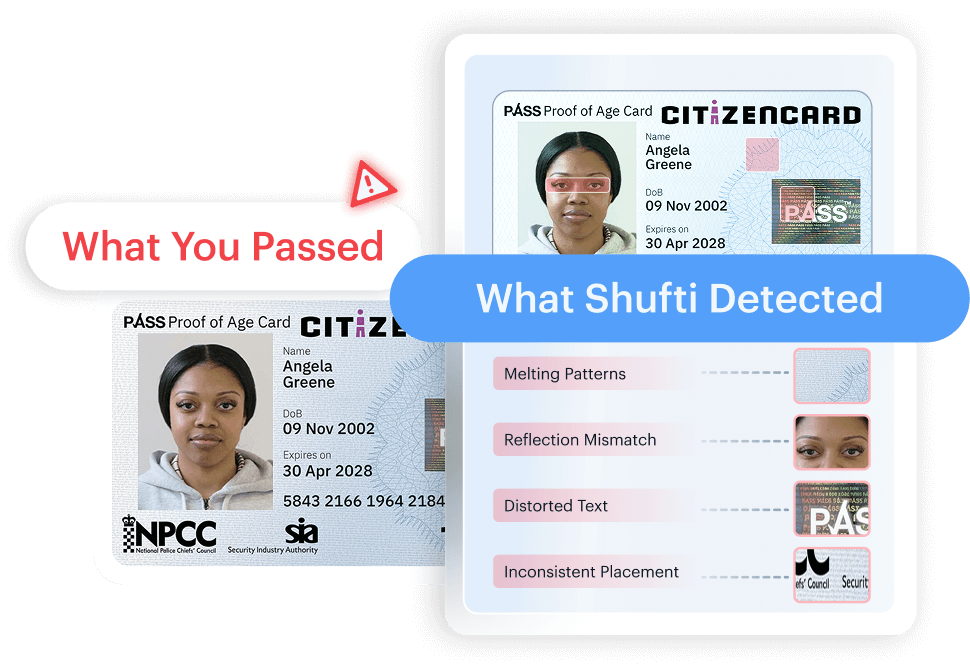
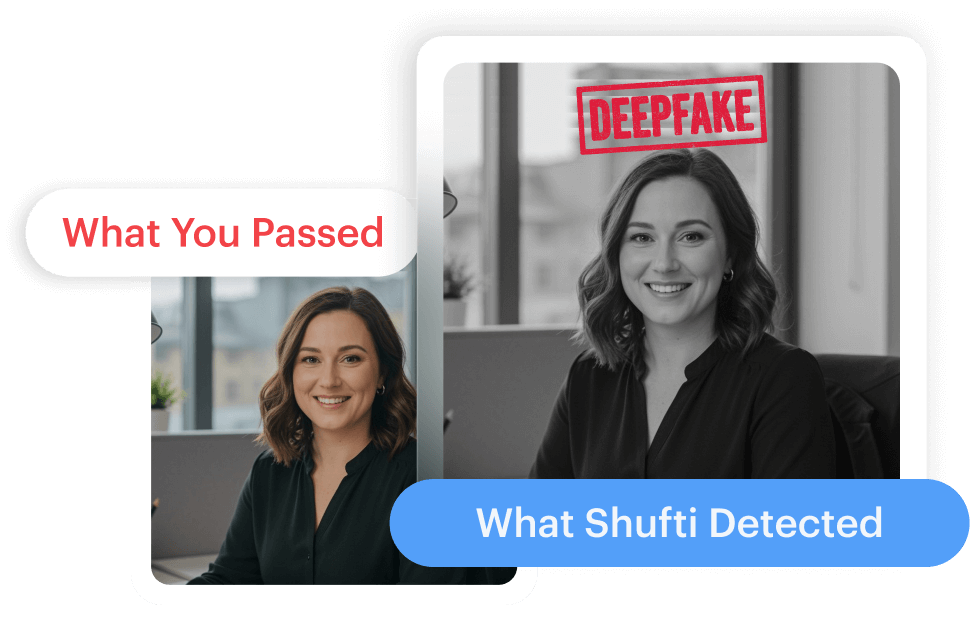
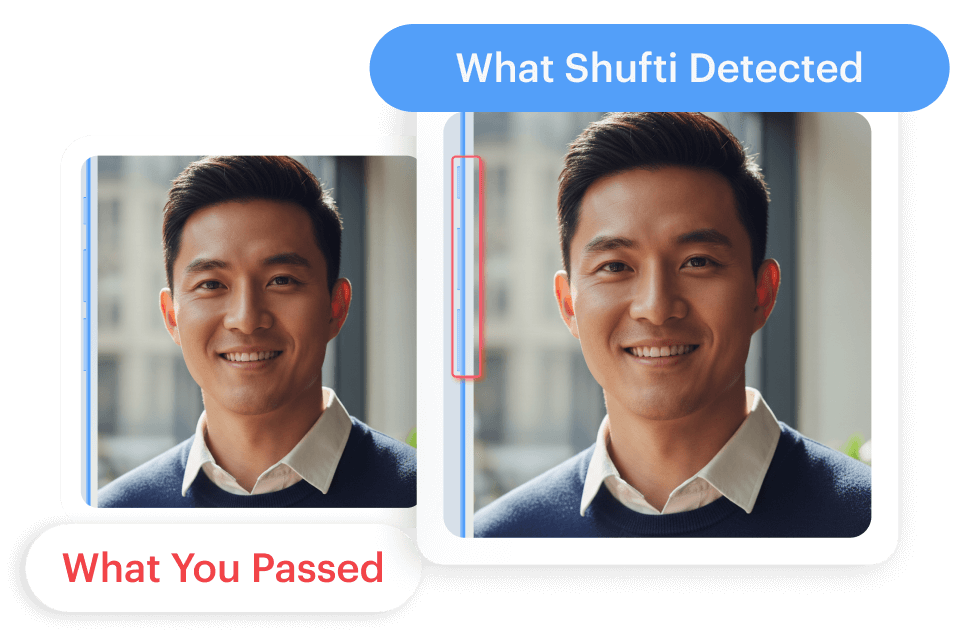
- Which features actually stop deepfakes, AI-generated IDs, and multi-account fraud
- How to assess vendors using real performance metrics like FAR, FRR, and verification time


Frequently Asked Questions
Why do forex brokers need identity verification?
To comply with AML and KYC regulations while preventing fraudulent or impersonated trading accounts.
Which regulations require IDV for forex trading platforms?
Regulators such as the FCA, CySEC, ASIC, ESMA, and FinCEN require identity checks during onboarding.
How does identity verification affect trader conversions?
Faster, smoother verification reduces drop-offs and improves completed onboarding rates.
What types of fraud threaten forex brokers today?
Modern threats include deepfakes, synthetic identities, document fraud, and account takeovers.