


 AMLR Solutions
  AMLR Consultation
 EUDI Wallet
 Onboarding
 Ongoing Monitoring
 FRAML
FRAML KYC
KYC KYB
KYB KYI
KYI Age Assurance
 Workforce IAM
 Candidate Verification
 Account Takeover
 Bonus/ Promotion Abuse
 Chargeback Fraud
 Deepfake
 Document Fraud
 Fraud Networks
 Impersonation Fraud
 Money Mule Activity
 Multi-Accounting
 Party Fraud
 Regulatory & Compliance Risks
 Synthetic Identity Fraud
 Adult Content
 Banking
 Crypto
 Fintech
 Forex
Forex Compliance
 Fraud prevention
 Trust & safety
 Global expansion
 Compliance Officers
 Developers
 Fraud Analysts
 Product Managers
 Journey Builder
  Global Trust Platform
 Customer Profiles
 Vendor Comparison
 IDV Case Management
 AML Case Management
 Regulatory Reporting
 Agentic Rule Builder
  AI Compliance Co-Pilot
  Fraud Analytics
 Fraud Hub
  OCR
OCR Shufti AI
 Bank Account Verification
  Biometric Duplication
 Database Checks
 Document Intelligence
 Government ID
 Mobile Driver's License
 NFC
NFC Selfie Liveness
 Brand Personalisation
 Deployment Options
 Identity Methods
 IDV Modes
 Multi-tenancy
 On-Premise IDV
 Secure Capture
 Shufti MCP













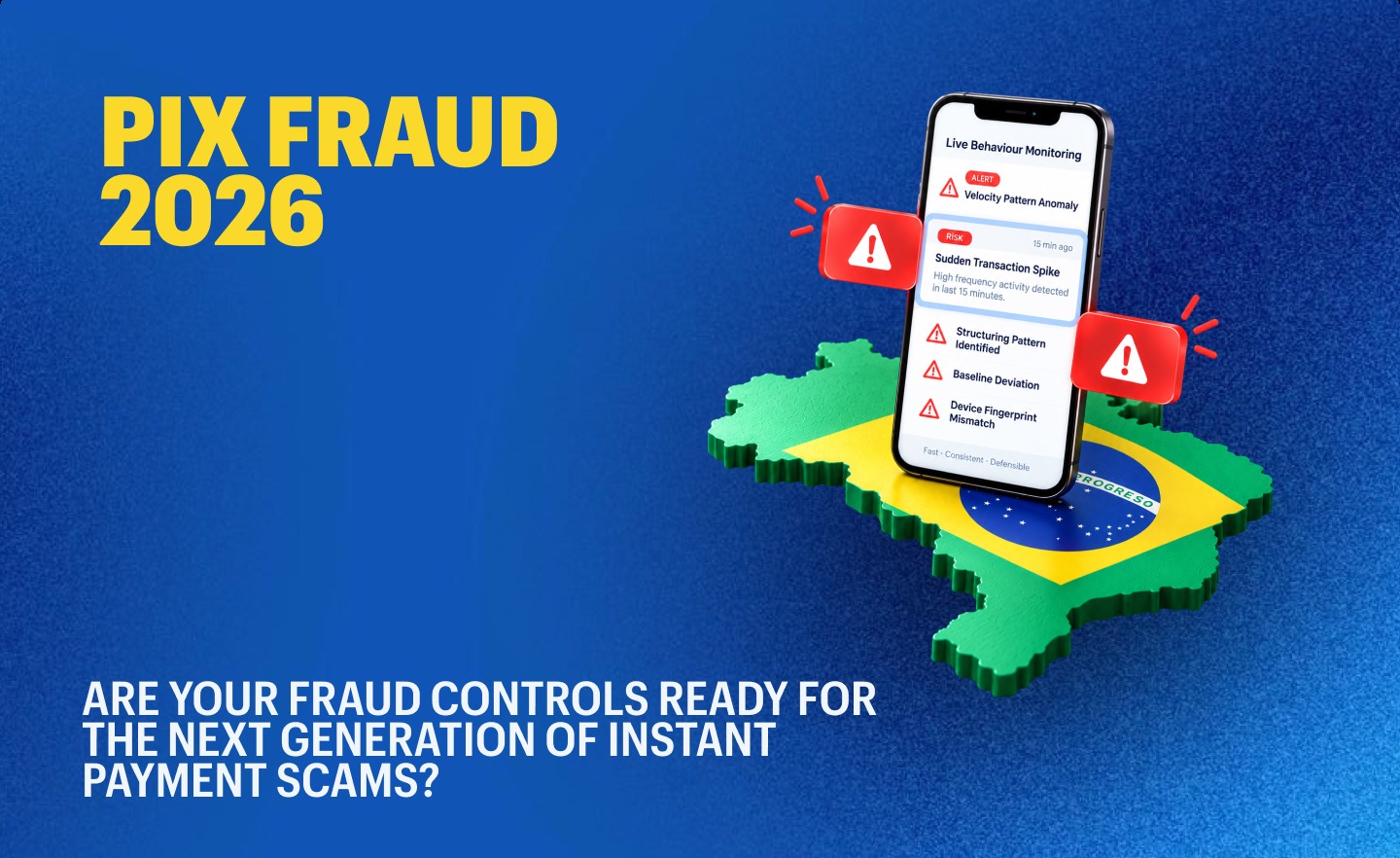
PIX Fraud 2026: Are Your Fraud Controls Ready for the Next Generation of Instant Payment Scams?
 Back
Back
Pix Fraud 2026
 02:00 PM GMT
 30th September, 2026

The Irreversibility Problem
By the time a Pix alert fires, the money has already gone. The rail settles in seconds and leaves almost nothing to recover, so the control has to sit before the money moves.
Since 13 October 2025, Banco Central has made that compulsory. Resolução BCB nº 501 created a duty to reject payment transactions addressed to demand deposit, savings or prepaid payment accounts where there is founded suspicion of fraud.
Join Shufti for a 60 minute session built for senior fraud and risk leaders at Brazilian banks, neobanks, payment institutions, digital wallets and acquirers. We look at what has already taken effect, why fraud on this rail defeats controls that passed the audit, and how to test whether your own detection is ready?
Why does this matter?

The duty to reject has been live for almost a year
Art. 2º-A puts the obligation on the receiving institution and requires the account holder to be notified. Most fraud teams have spent the past year choosing founded suspicion factors, documenting them, getting them signed off, and rebuilding the complaints process around payments that were wrongly rejected.

2026 has been a schedule rather than a forecast
Layered tracking became mandatory under MED 2.0 in February. Resoluções BCB nº 552 and 553 took effect in March. Sections of the DICT Operational Manual v8.5 came into force on 1 September. A control programme still planning against next year is already behind.

Pix fraud passes identity checks you currently run
This is authorised fraud. The real customer, on a known device, completes a real authentication, and every identity control returns a pass. Engenharia social is the driver, and adding more identity verification does not address with it. A threshold makes a statement about a transaction. Pix fraud makes a statement about a person.

The account that received the money belongs to someone in the room
A conta laranja is a customer of a regulated institution, and the duty to reject now reaches that end of the transfer too. The money rarely stops at the first account, so a control that closes the case at the block never sees where it went. Fraud teams and AML teams are usually looking at two ends of the same account, and what falls in the gap between them is the part nobody owns.
Reserve your spot
 Time02:00 PM GMT
 Date30th September 2026
 Event FormatVirtual
Certifications
Independently audited and certified for enterprise-grade security and data protection.







LIVE EVENT
PIX Fraud 2026: Are Your Fraud Controls Ready for the Next Generation of Instant Payment Scams?


LIVE EVENT
First Annual Fintech Executive Roundtable in Cyprus | 2025




LIVE EVENT
Innovation Roundtable Summit 2025: Build vs Buy vs Partner vs Prompt






LIVE EVENT
Meet Shufti at the UK AI Showcase, London Tech Week 2026



LIVE EVENT
Built by Shufti: A Podcast on Compliance Lifecycle
20th August
Online
LIVE EVENT
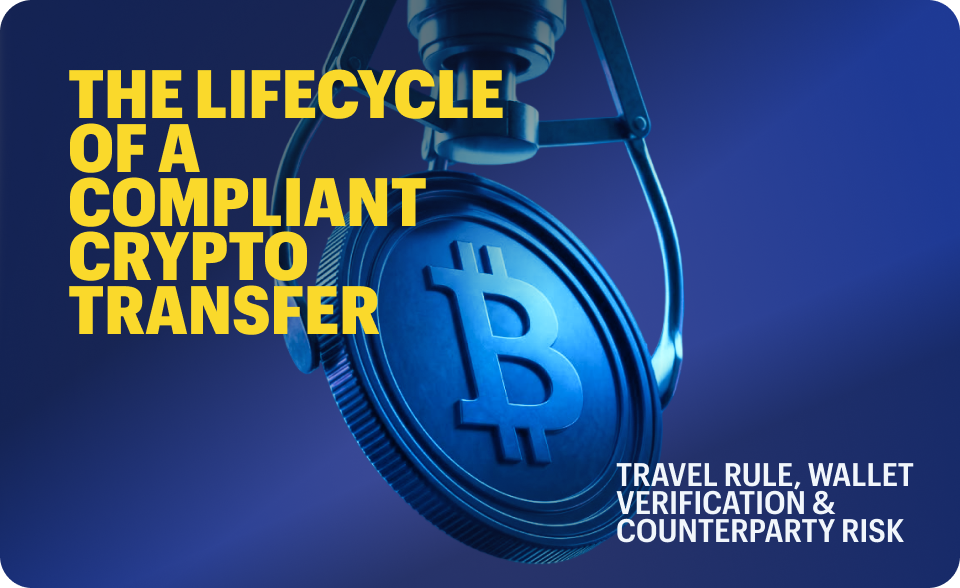
The Lifecycle of a Compliant Crypto Transfer : Travel Rule, Wallet Verification & Counterparty Risk

LIVE EVENT
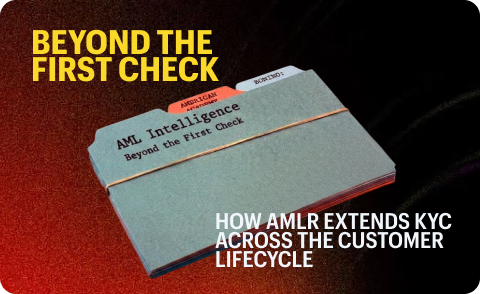
Beyond the First Check: How AMLR Extends KYC Across the Customer Lifecycle






Launch Verification Instantly
Get access to Shufti’s Self-Service Portal and start verifying users with flexible, usage-based pricing.
Get Started