




 Face Verification
 Address Verification
 Document Verification
 Age Verification
 VideoIdent
 Fast ID
 Docless Verification
 Consent Verification
 NFC Verification
 Business Verification
 Due Diligence
 Investor Verification
 E-Signature

 QES
QES
 AML Screening
 Transaction Monitoring
 Adverse Media
 Business AML Screening
 PEP & RCA
 Sanctions
 Watchlist
 Behavioural Biometrics
 Device Fingerprinting
 Biometric Face Authentication
 MFA
MFA
 Fraud Hub
 Onboarding
 Ongoing Monitoring
 KYC
KYC
 KYB
KYB
 KYI
KYI
 Age Assurance
 Identity Verification
 Workforce IAM
 Candidate Verification
 Compliance
 Fraud prevention
 Trust & safety
 Global expansion
 Product Managers
 Compliance Officers
 Fraud Analysts
 Developers
 Deepfake Detection
 Bonus Abuse / Promotion Abuse
 Account Takeover
 Synthetic Identity Fraud
 Document Fraud
 Impersonation Fraud
 Multi-Accounting
 Fraud Networks
 Chargeback Fraud
 Money Mule Activity
 Party Fraud
 Regulatory & Compliance Risks
 Fintech
 Crypto
 iGaming
 Forex
Forex
 Social Network
 Marketplace
 Banking
 Gig Economy
 Payments
 Ride Hailing
 Adult Content
 Blind Spot Audit
 Deepfake Detector
 Liveness Spoofs
 Document Originality
 Document Deepfake
 Global Trust Platform
 Journey Builder
 Case Management
 Shufti AI
 Fraud Analytics
 Vendor Comparison
 Brand Personalisation
 AI Compliance Co-Pilot
 OCR
OCR
 Secure Capture
 Deployment Options
 Identity Methods
 API Documentation
 Mobile SDKs
 Service Status
 Help Center
 Contact Us
 Technical Support
 Supported Documents
 Supported Countries
 Content library
 Blogs
Blogs
 News
News
 Reports
 Insights
 Knowledgebase
 ROI calculator
 About
About
 Career
 Press Release
 Certifications
 Partnership
 Awards
 Events & Webinar
 Interactive Demo
 Podcast Studio
 Spotlight Studio
- Australia
- Austria
- Bangladesh
- Brazil
- Bulgaria
- Canada
- China
- Cyprus
- Egypt
- Estonia
- Eswatini
- Ethiopia
- France
- Germany
- Greece
- Haiti
- Hong Kong
- India
- Iraq
- Ireland
- Indonesia
- Italy
- Japan
- Jordan
- Kazakhstan
- Kenya
- Kosovo
- Kuwait
- Latvia
- Luxembourg
- Malaysia
- Malta
- Mauritius
- Mexico
- Micronesia
- Moldova
- Montenegro
- Morocco
- Mozambique
- Myanmar
- Namibia
- Nauru
- Nepal
- Nigeria
- Nicaragua
- Niue
- Norway
- Netherlands
- New Zealand
- Oman
- Pakistan
- Palau
- Palestine
- Panama
- Papua New Guinea
- Paraguay
- Peru
- Puerto Rico
- Philippines
- Portugal
- Portugal
- Qatar
- Republic of Congo
- Romania
- Russia
- Rwanda
- Samoa
- San Marino
- Senegal
- Serbia
- Seychelles
- Sierra Leone
- Singapore
- Slovakia
- Slovenia
- Somalia
- South Africa
- South Korea
- South Sudan
- Sri Lanka
- St Kitts and Nevis
- St Maarten
- St Lucia
- Sweden
- Switzerland `
- Syria
- Taiwan
- Tajikistan
- Tanzania
- Thailand
- Timor Leste
- Togo
- Tonga
- Trinidad and Tobago
- Turkey
- Turks and Caicos
- Turkmenistan
- Tunisia
- Tuvalu
- Uganda
- Ukraine
- UK
- Uruguay
- USA
- Uzbekistan
- Vatican City
- Vietnam
- Venezuela
- Vanuatu
Micronesia
Identity Verification & KYC For Micronesia
Shufti delivers KYC, KYB, and AML compliance solutions aligned to FSM Banking Board oversight and FATF-monitored jurisdiction standards across all four FSM states.
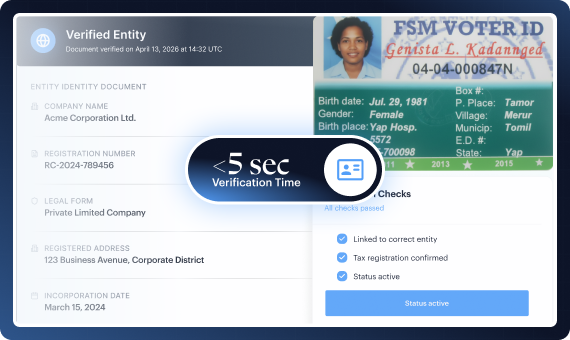
Operational performance for Micronesia KYC
Our Numbers Speak Volumes
< 5 sec
Verification Time
100%
Omni-format Document Recognition
2000+
Official Data Sources Verified
Evidence-Ready Checks Across Micronesia
Shufti supports identity verification across Micronesia (FSM) with coverage for individual documents, business documents, and the languages used on official records.
Individual Documents We Verify
Shufti supports Micronesian individual document types.
View All Supported DocumentsFSM Passport
Issued by Department of Foreign Affairs, Division of Immigration. Valid five years; accepted for KYC by FSM banks and recognised internationally in banking.
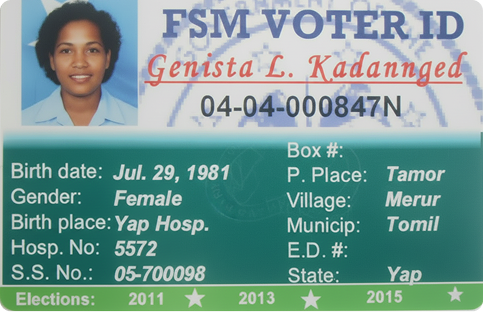
National Election Office ID Card
Primary domestic identity document issued by FSM National Election Office. Scanner-verifiable; accepted as leading KYC document across FSM banking system.
State-issued Driver's Licence
Issued by Police Department of each state (Yap, Chuuk, Pohnpei, Kosrae). Accepted as secondary KYC document with passport or National Election Office ID.
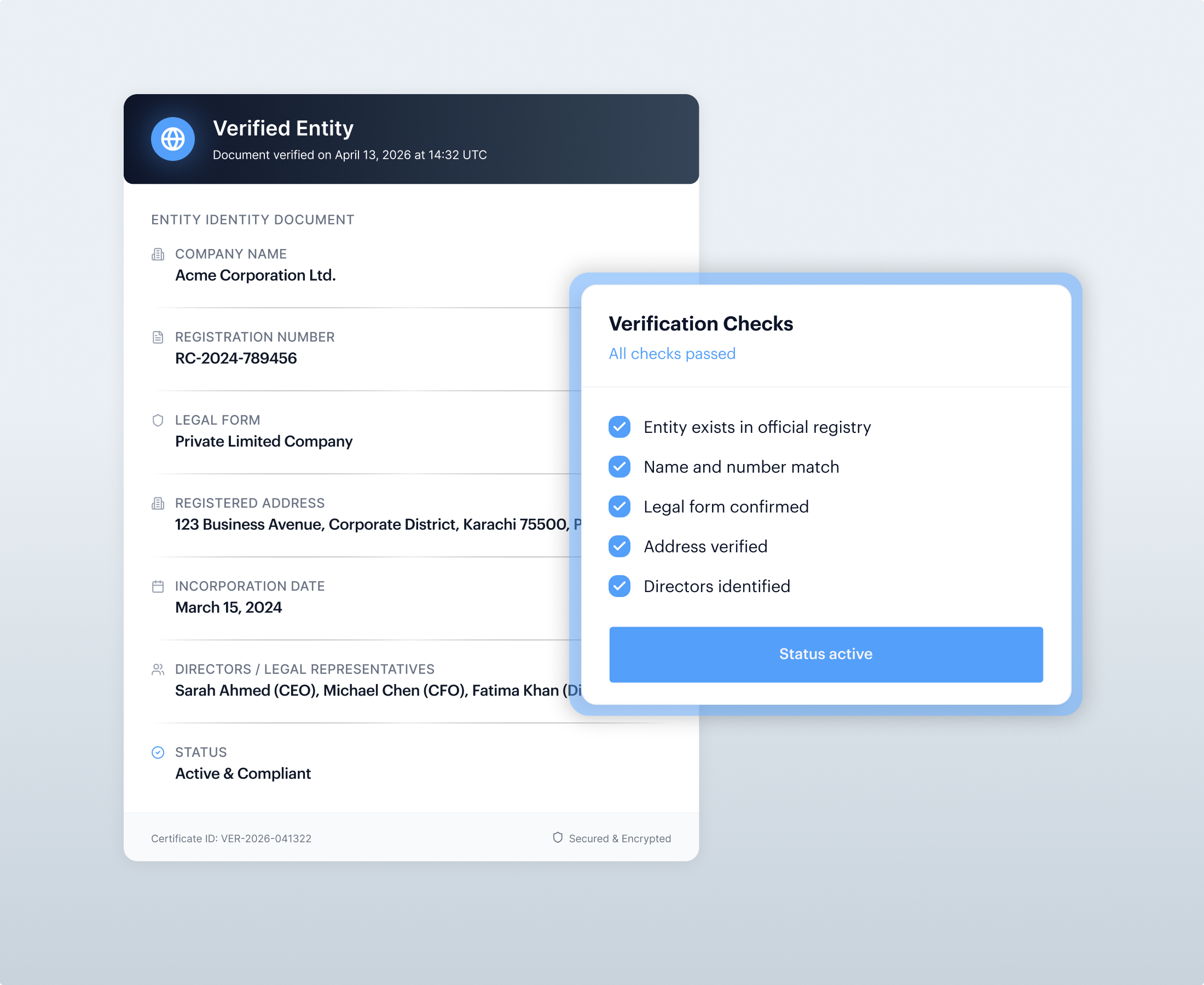
Business Entity Identity
Articles of Incorporation
Filed with FSM Registrar of Corporations under Title 36 FSM Code. Establishes legal entity status; typically approved within one week of filing by ROC.
Certificate of Incorporation
Primary evidence of entity existence issued by Registrar of Corporations. Required for company registration and mandatory for business account opening.
Business Tax Identity
Business Licence
Issued by FSM Customs and Tax Administration. Certifies business registration and taxpayer status. Required for business operations and tax compliance.
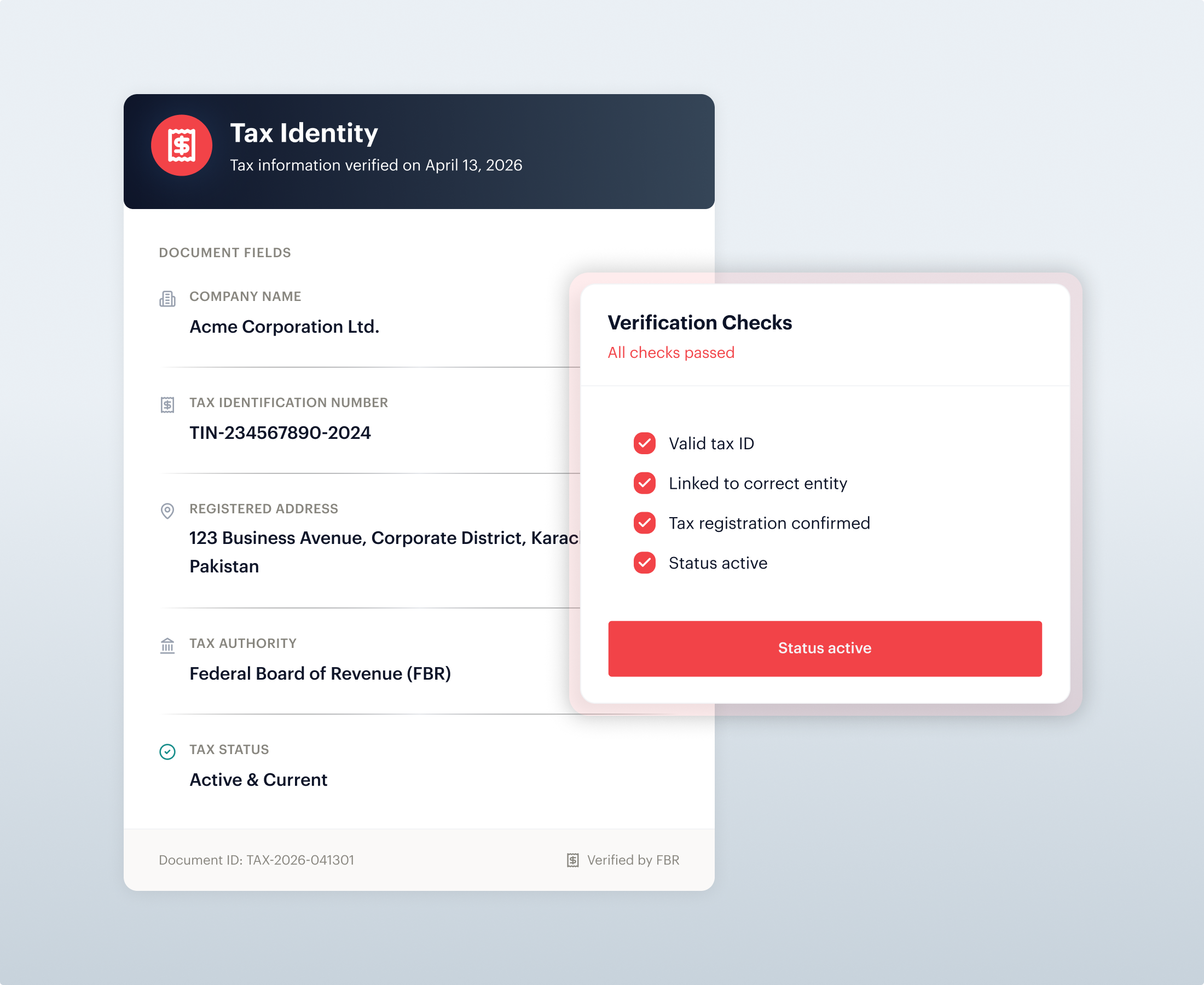
Tax Registration Certificate
Evidence of entity registration in FSM Revenue Management System. Demonstrates compliance with national tax filing obligations and business legitimacy.
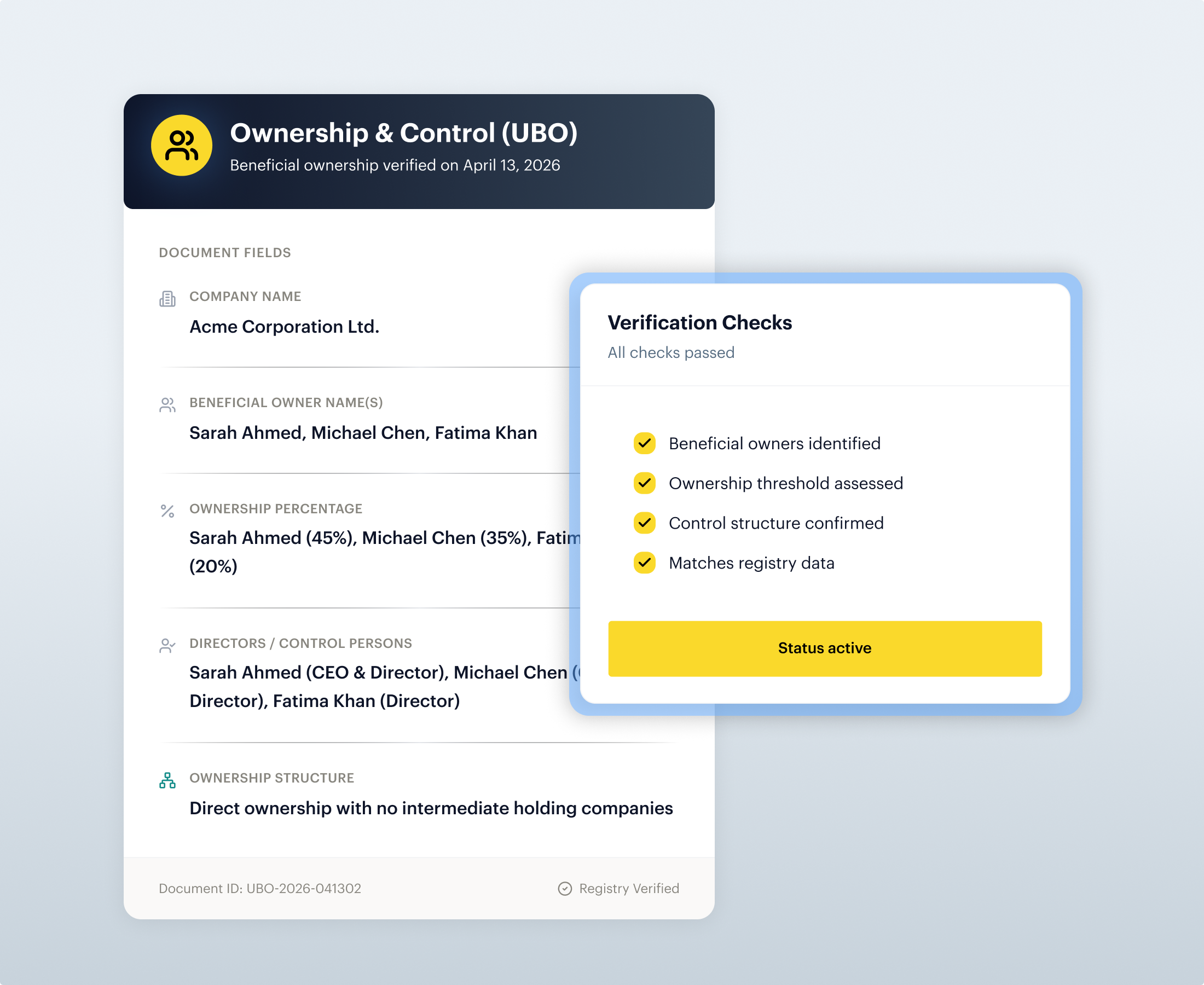
Ownership & Control (UBO)
Shareholder Register
Maintained at company principal place of business. Identifies all shareholders per OECD transparency standards and FSM corporate law requirements.
Beneficial Owner Declaration
Signed statement identifying individuals with ultimate control of business. Required under FSM beneficial ownership transparency requirements.
UBO Verification Evidence
Supporting documentation (passports, ID cards, bank statements) proving identity and beneficial ownership of each UBO identified in shareholder register.
Languages We Cover
English (Official Government Language)
Official language for FSM government and identity documents. All passports, National ID Cards, and driver's licences use English language exclusively.
Chuukese (Regional Language)
Spoken by 48.8 per cent of FSM population; appears on documents only as supplementary script. Primary legal and compliance documentation remains English-only.
Pohnpeian (Regional Language)
Spoken by 24.2 per cent of FSM population; limited use in official documentation. Excluded from legal identity documents and all regulatory compliance records.
GOVERNANCE & CONTROLS
Audit-Ready Decisions, Lower Operational Drag
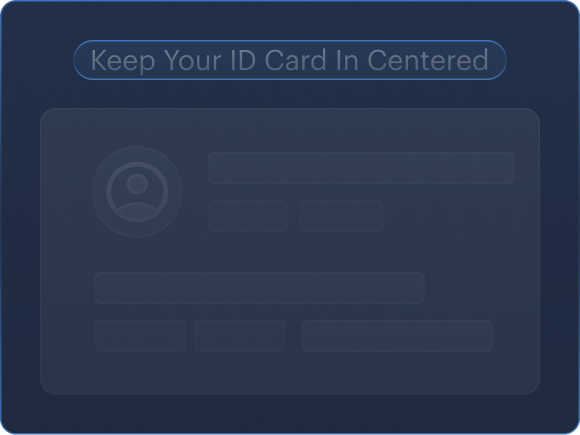
Consistent Identity Extraction
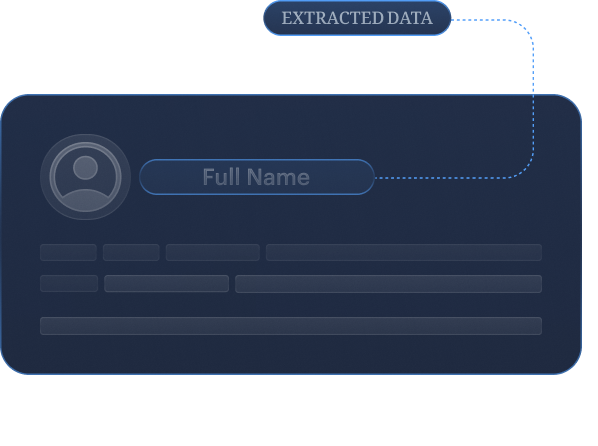
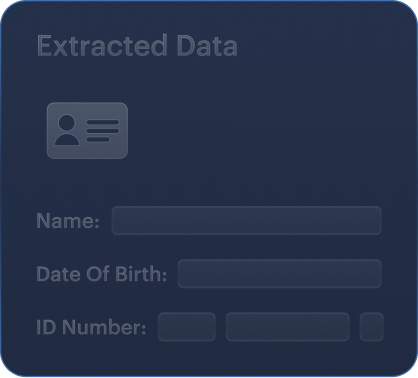
Guide users to capture readable FSM passports and ID Cards with quality gates. Structured extraction minimises re-submission for FSM financial institutions.
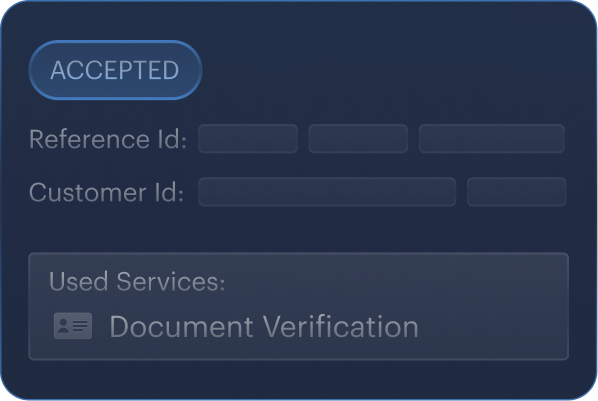
Decision Trails For Banking Board
FSM Banking Board audits require traceable KYC workflows. Shufti preserves evidence packs with audit-ready decision trails for inspection.
Remote Verification Across Dispersed Islands
FSM comprises 607 islands with limited digital infrastructure. Remote verification eliminates travel requirements for residents in outer states.
FATF-Aligned Screening Controls
FSM maintains FATF-monitored jurisdiction status. Continuous sanctions and PEP screening against UN lists and OFAC with rationale recorded.

Beneficial Ownership Digitisation
Shareholder registers traditionally paper-based. Shufti digitises UBO evidence for audit and regulatory review per OECD standards.
Micronesia IDV/KYC Challenges

Limited Digital Identity
FSM lacks national digital ID. Verification relies on paper documents; birth registration incomplete in remote areas due to infrastructure constraints.

Island Dispersion
FSM spans 607 islands with only two banks across states. Address verification for outer islands faces infrastructure constraints and limited utility coverage.

Low Digital Literacy
Cybersecurity awareness limited; FSM lacks electronic evidence rules. Document authentication and remote verification challenged by limited digital skills.

UBO Transparency Gap
Shareholder registers required under OECD standards but enforcement limited. DOJ background checks exist but lack international database cross-reference.
Shufti's IDV/KYC Solutions for Micronesia
KYC (Know Your Customer)

Face Verification
Stops identity fraud and mule sign-ups with liveness checks and face matching. Detects impersonation attempts on FSM documents. Reduces manual review burden.
.
Age Verification
Estimates age from selfie using facial analysis; falls back to FSM passport verification. Blocks underage access while maintaining onboarding compliance.
.
Address Verification
Confirms residence through Pohnpei Utilities, FSM Telecommunications, and Bank of Guam. Micronesia address verification backed by utility and banking records.
.
Document Verification
Extracts FSM passport and National Election Office ID fields reliably. Detects tampered documents and inconsistent data. Supports OCR across English documents.
.KYB (Know Your Business)

Business Verification
Verifies FSM companies via Registrar of Corporations, Articles of Incorporation, and tax registration. Screens against FATF sanctions and PEP databases.
.
Enhanced Due Diligence
Escalates KYC for high-risk customers identified from AML screening. Deepens beneficial ownership investigation and cross-references against UN and OFAC lists.
.AML (Anti-Money Laundering)

Business AML Screening
Screens FSM entities and owners against sanctions lists, PEP databases, and adverse media. Captures decision rationale for Banking Board audit compliance.
.
Transaction Screening
Monitors transaction flows for mule activity and structuring patterns. Flags high-risk counterparties and supports continuous AML controls with audit logs.
.Built to Fit Micronesia's Compliance Landscape

FSM Banking Board (FBB)
Licenses and supervises commercial banks in FSM; promotes banking system soundness. Shufti preserves KYC evidence and produces audit-ready screening trails. Official Website: https://bankingboard.gov.fm/

FSM Department of Finance and Administration (DOFA)
Manages public financial assets, tax collection, customs, and planning. Shufti structures tax registration evidence and maintains DOFA-aligned records. Official Website: https://dofa.gov.fm/

FSM Customs and Tax Administration (CTA)
Collects taxes, customs duties, and revenues; administers taxpayer registration. Shufti captures tax certificates and business licence evidence aligned to CTA. Official Website: https://dofa.gov.fm/dofa-divisions/customs-tax-administration/

FSM Insurance Board (FIB)
Regulates captive insurance, commercial and foreign insurers in FSM. Shufti verifies policyholder identities and maintains KYC records per FIB standards. Official Website: https://www.fsminsuranceboard.com/

FSM Registrar of Corporations (ROC)
Maintains central registry of corporate entities under Title 36. Shufti verifies entity status and beneficial ownership against ROC records for account opening. Official Website: https://www.roc.doj.gov.fm/

FSM Department of Justice (DOJ)
Oversees legal affairs and law enforcement; manages immigration and registration. Shufti supports DOJ through document verification and beneficial owner checks. Official Website: https://gov.fm/
Deployment Choice
FSM has no cloud data centre regions. AWS, Azure, and Google Cloud operate Asia-Pacific only. On-premise deployment available for in-country data residency.
Regulatory Alignment
Title 29 FSM Code governs banking data protection and AML records. Title 21 Sections 349-350 require telecommunications customer protection. Act 2025 pending.
Retention Controls
FSM Code Title 29 mandates AML and financial records retention minimum five years post-relationship. Beneficial owner records maintained continuously per OECD.
Encryption Posture
Industry standard encryption (TLS 1.2+, AES-256) applied to financial and personal data. Pending Act 2025 may establish specific encryption requirements.
Data and Privacy Controls in Micronesia
Micronesia AML Sources That Strengthen Decision
Congress of the Federated States of Micronesia
FSM Banking Board
FSM Department of Justice
FSM Department of Finance and Administration
FSM Registrar of Corporations

FATF (Financial Action Task Force)
OFAC (US Treasury)

UN Security Council Sanctions Committee
Congress of the Federated States of Micronesia
FSM Banking Board
FSM Department of Justice
FSM Department of Finance and Administration
FSM Registrar of Corporations
FATF (Financial Action Task Force)
OFAC (US Treasury)
UN Security Council Sanctions Committee
UN Security Council Sanctions Committee
Congress of the Federated States of Micronesia
FSM Banking Board
FSM Department of Justice
FSM Department of Finance and Administration
FSM Registrar of Corporations
FATF (Financial Action Task Force)
UN Security Council Sanctions Committee
Frequently Asked Questions
What are the KYC requirements for banks in the Federated States of Micronesia?
KYC requirements for FSM banks are governed by Title 29 of the FSM Code and overseen by the FSM Banking Board. Covered entities include banks, cash dealers, insurers, and money transmission services. All entities must conduct identity verification, PEP screening, and customer due diligence. Account restrictions apply: Bank of the Federated States of Micronesia (BFSM) serves FSM citizens and resident foreigners with valid work permits only. Bank of Guam operates branches across all four states with standard international KYC protocols.
Which documents are acceptable for KYC verification in Micronesia?
Primary documents include FSM Passports issued by the Department of Foreign Affairs and FSM National Election Office ID Cards. FSM passports remain valid for five years. National Election Office ID Cards are scanner-verifiable and preferred by compliance teams. Secondary documents: State-issued driver's licences from Yap, Chuuk, Pohnpei, or Kosrae Police Departments. Supporting documents: Court-registered birth certificates and baptismal certificates. All documents use English text only.
What are the AML/CFT compliance requirements for Micronesia?
Micronesia is a FATF-monitored jurisdiction and is not listed on FATF's grey list or black list, designating it a low-risk jurisdiction. Primary AML legislation: Title 29 FSM Code (banking-related). Record retention: five years post-relationship termination. Key gap: FSM has not yet criminalised terrorist financing. FSM implements UN sanctions frameworks; FDIC-insured banks also subject to US Bank Secrecy Act.
How is beneficial ownership verified in the Federated States of Micronesia?
Beneficial ownership verification follows OECD transparency standards. Companies must maintain shareholder registers at their principal place of business identifying all shareholders. Small businesses must maintain beneficial owner identification records. Enforcement mechanisms: FSM Department of Justice and FSM Banking Board. Challenge: limited digitisation; background checks by DOJ exist but lack cross-reference with international databases. Shufti automates UBO screening against international watchlists.
What are the main KYC and address verification challenges in Micronesia?
FSM comprises 607 islands spread across the northwestern Pacific with only two commercial banks maintaining branches across all four states. Remote account opening faces infrastructure limitations. Limited digital ID system; birth registration incomplete in remote areas. Utility bills unreliable for proof of address due to frequent electricity blackouts and service interruptions. No cloud data centres in-country; nearest Asia-Pacific infrastructure in Singapore, Tokyo, or Sydney. Paper-based verification dominates; limited high-speed internet in outer islands.
Is Micronesia considered a safe or low-risk jurisdiction for AML compliance?
Micronesia presents a historically low-risk jurisdiction for AML compliance. Small economy size, limited cross-border transaction volume, and US regulatory oversight of FDIC banks support compliance stability. FSM maintains FATF-monitored jurisdiction status with "low-risk" designation. Compliance gap: no dedicated Financial Intelligence Unit (FIU); no goAML equivalent system. AML reporting to FSM Banking Board remains manual. Outlook: Personal Data Protection Act 2025 (pending) will strengthen protections.
What business documents are required for KYB verification in FSM?
Primary baseline: Articles of Incorporation filed with FSM Registrar of Corporations (Title 36 FSM Code). Certificate of Incorporation issued by ROC confirms entity status. Tax identity: Business Licence and Tax Registration Certificate from FSM Customs and Tax Administration (CTA). Beneficial ownership: Shareholder register maintained at principal place of business identifying all owners. Timeline: Certificate of Incorporation typically issued within one week of filing.
Can fintech and crypto companies operate in Micronesia with full KYC compliance?
FSM maintains FATF-monitored jurisdiction status creating applied compliance expectations. No specific fintech or crypto regulatory framework published. Money transmission services classified as KYC-covered entities. FDIC-insured banks already subject to US anti-money laundering rules. Fintech and crypto regulation remains unclear; global standards expected to apply. Recommendation: risk-based KYC, real-time sanctions screening, annual re-verification for high-risk customers. Challenge: limited local expertise; reliance on international compliance service providers.
Build a Micronesia-ready KYC, KYB & AML programme with Shufti
INDEPENDENTLY AUDITED. GLOBALLY CERTIFIED.
Certified to Global Standards





PROVEN WORKFLOWS
Use Cases for Regulated Growth in Micronesia
Reduce Fraud Without Blocking Growth
Shufti supports marketplace integrity by verifying seller and buyer identities, enabling age-gated journeys where needed, and preserving evidence to support investigations, disputes, and risk-led enforcement actions.




Secure Trust at Every Transaction
Automate KYC and AML workflows to reduce manual onboarding costs. Strengthen residency checks while delivering the frictionless digital experience modern customers expect.



Scale Your Exchange with Confidence
Balance anonymity with compliance. Instantly verify user jurisdiction to meet Travel Rule obligations and help stop abuse without slowing down legitimate trading volume.




Accelerate Growth, Eliminate Friction
Onboard users in seconds, not days. Deploy tiered address verification flows that maximise completion rates for genuine users while filtering out synthetic fraud.




Onboard Global Traders in Real-Time
Verify investors across 250+ countries & territories. Ensure compliance with international financial regulations while preventing identity theft and high-risk chargebacks.



Power a Fair & Secure Player Experience
Reduce bonus abuse and multi-accounting rings at the door. Enforce location rules and trigger step-up checks without disrupting the player journey.



Build a Trusted, Verified Workforce
Screen freelancers and drivers at scale. Verify residency and reduce onboarding friction while maintaining trust between users.



Reduce Fraud Without Blocking Growth
Shufti supports marketplace integrity by verifying seller and buyer identities, enabling age-gated journeys where needed, and preserving evidence to support investigations, disputes, and risk-led enforcement actions.
Secure Trust at Every Transaction
Automate KYC and AML workflows to reduce manual onboarding costs. Strengthen residency checks while delivering the frictionless digital experience modern customers expect.
Scale Your Exchange with Confidence
Balance anonymity with compliance. Instantly verify user jurisdiction to meet Travel Rule obligations and help stop abuse without slowing down legitimate trading volume.
Accelerate Growth, Eliminate Friction
Onboard users in seconds, not days. Deploy tiered address verification flows that maximise completion rates for genuine users while filtering out synthetic fraud.
Onboard Global Traders in Real-Time
Verify investors across 250+ countries & territories. Ensure compliance with international financial regulations while preventing identity theft and high-risk chargebacks.
Power a Fair & Secure Player Experience
Reduce bonus abuse and multi-accounting rings at the door. Enforce location rules and trigger step-up checks without disrupting the player journey.
Build a Trusted, Verified Workforce
Screen freelancers and drivers at scale. Verify residency and reduce onboarding friction while maintaining trust between users.
Reduce Fraud Without Blocking Growth
Shufti supports marketplace integrity by verifying seller and buyer identities, enabling age-gated journeys where needed, and preserving evidence to support investigations, disputes, and risk-led enforcement actions.
Secure Trust at Every Transaction
Automate KYC and AML workflows to reduce manual onboarding costs. Strengthen residency checks while delivering the frictionless digital experience modern customers expect.
Scale Your Exchange with Confidence
Balance anonymity with compliance. Instantly verify user jurisdiction to meet Travel Rule obligations and help stop abuse without slowing down legitimate trading volume.
Accelerate Growth, Eliminate Friction
Onboard users in seconds, not days. Deploy tiered address verification flows that maximise completion rates for genuine users while filtering out synthetic fraud.
Onboard Global Traders in Real-Time
Verify investors across 250+ countries & territories. Ensure compliance with international financial regulations while preventing identity theft and high-risk chargebacks.
Power a Fair & Secure Player Experience
Reduce bonus abuse and multi-accounting rings at the door. Enforce location rules and trigger step-up checks without disrupting the player journey.
Build a Trusted, Verified Workforce
Screen freelancers and drivers at scale. Verify residency and reduce onboarding friction while maintaining trust between users.
Let’s Tailor your journey
Just a few quick questions to guide your Shufti experience.

Shufti
Market Positioning and Commercial Assessment

Industry stands at 1.7rating

Best ID Verification Innovator

TOP 10 KYC Solution Provider
Best Client Onboarding Solution
Samer Al Tamimi@CEO of Safwa Bank
We take our client's privacy very seriously and always look for new innovative solutions to ensure a safe banking experience. Working with Shufti feels like a breath of fresh air, as their 100% in-house tech keeps our customer's data free from vulnerabilities and fully safe and protected.



PROVEN PLAYBOOKS
Explore Practical KYC & AML Resources
16 August, 2025
5 minutes read
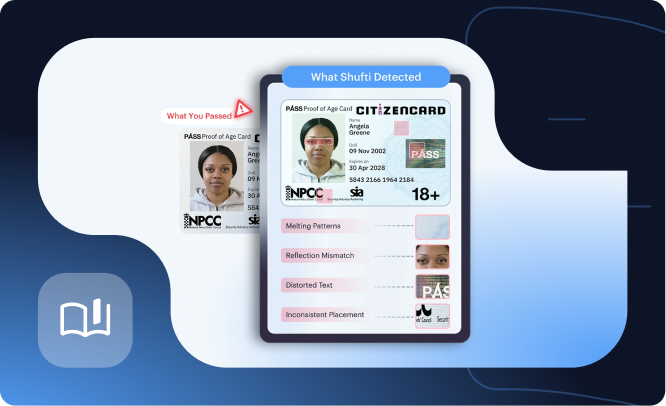
How Much of What You’ve Verified Is Actually Real?
Shufti’s Deepfake Blindspot Audit now runs fully inside your AWS environment, auditing historic KYC for manipulation signals without moving sensitive data off-prem.
whitepapers