AMLR Solutions
  AMLR Consultation
 EUDI Wallet
 Onboarding
 Ongoing Monitoring
 FRAML
FRAML KYC
KYC KYB
KYB KYI
KYI Age Assurance
 Workforce IAM
 Candidate Verification
 Account Takeover
 Bonus/ Promotion Abuse
 Chargeback Fraud
 Deepfake
 Document Fraud
 Fraud Networks
 Impersonation Fraud
 Money Mule Activity
 Multi-Accounting
 Party Fraud
 Regulatory & Compliance Risks
 Synthetic Identity Fraud
 Adult Content
 Banking
 Crypto
 Fintech
 Forex
Forex Compliance
 Fraud prevention
 Trust & safety
 Global expansion
 Compliance Officers
 Developers
 Fraud Analysts
 Product Managers
 Journey Builder
  Global Trust Platform
 Customer Profiles
 Vendor Comparison
 IDV Case Management
 AML Case Management
 Regulatory Reporting
 Agentic Rule Builder
  AI Compliance Co-Pilot
  Fraud Analytics
 Fraud Hub
  OCR
OCR Shufti AI
 Bank Account Verification
  Biometric Duplication
 Database Checks
 Document Intelligence
 Government ID
 Mobile Driver's License
 NFC
NFC Selfie Liveness
 Brand Personalisation
 Deployment Options
 Identity Methods
 IDV Modes
 Multi-tenancy
 On-Premise IDV
 Secure Capture
 Shufti MCP














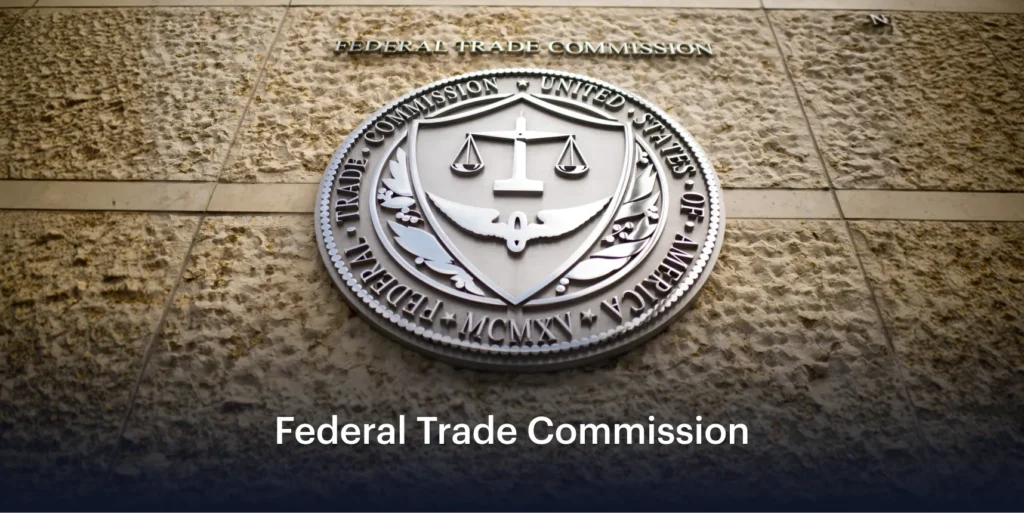

The Federal Trade Commission (FTC) is a US federal agency that protects the consumer and promotes competition. It was established in 1914 under the Federal Trade Commission Act. This unit has no criminal authority. Instead, this unit helps investigate unfair or deceptive practices, illegal monopolies, issues rules, and brings civil cases through the Bureau of Consumer Protection and the Bureau of Competition. The FTC oversees consumer protection across many sectors, but its jurisdiction has exceptions, including banks and federal credit unions.
How do FTC regulations work?
FTC rules exist in Title 16 (Commercial Practices) of the Code of Federal Regulations (CFR). The agency includes trade regulation rules that carry the force of law and industry guides that explain how the existing rules apply to a sector. FTC trade regulation rules are adopted through a public rulemaking procedure before they take effect, and the FTC reviews each of its rules and guides on a 10-year review calendar. The Safeguards Rule, COPPA, and the Telemarketing Sales Rule all sit in the same body of regulation.
FTC Identity Theft Rules:
The main idea for the identity theft rules comes from the Fair Credit Reporting Act. It covers the Red Flag Rule that is for spotting warning signs during onboarding. Address discrepancy requirements concerning notices from consumer reporting agencies. Card issuer requirements concern an address change followed closely by a request for an additional or replacement card. Together, these requirements are intended to help businesses identify theft before they result in any harm to the business or customer.
How does the FTC address privacy and data security?
Section 5 of the FTC Act prohibits unfair or deceptive acts or practices that affect consumers. This means that businesses need to ensure that their privacy statements, data-handling practices, and disclosures should not be misleading consumers or should cause any substantial harm that consumers cannot reasonably avoid. The agency also expects businesses to have security that fits the sensitivity of the data that they hold, like Social Security numbers, account numbers, and other information that makes identity theft easier. Businesses transferring personal data from the EU to the US can use the EU-US Data Privacy Framework (DPF), which replaced the Privacy Shield in 2023, where the US recipient participates in the framework. Eligible US organisations join voluntarily by self-certifying to the Department of Commerce. For participants under FTC jurisdiction, failure to comply with the DPF Principles may constitute an unfair or deceptive practice under Section 5 of the FTC Act.
FTC Red Flags Rule:
The Red Flags Rule, passed under the Fair and Accurate Credit Transactions Act, requires financial institutions and creditors with covered accounts to run a written identity theft prevention program. This part requires 4 procedures: a way to spot red flags, a way to detect them in daily operations, response appropriately when they are detected, and a periodic review to keep the program current as fraud tactics change. The Congress also narrowed down the definition of ‘creditor’ for purposes of the Red Flags Rule in 2010, so extending the credit terms alone does not automatically bring a business within its scope.
FTC Consumer Protection:
Businesses actually deal with the Bureau of Consumer Protection. It deals with advertising claims, credit and lending practices, data security, and fraud complaints. It collects the reports from consumers and then conducts investigations, suing companies and people who break the law. It also develops rules to maintain a fair marketplace and educate consumers and businesses about their rights and responsibilities.
How does FTC Enforcement work?
The Enforcement begins with an investigation, often triggered by consumer complaints that are logged in the Consumer Sentiment Network. If the FTC finds any violation, it can settle through a consent order, which includes fines, some necessary changes in the business, and ongoing compliance monitoring, or can litigate it in federal court. The consent orders run for 20 years and give FTC standing to reopen the case if a company violates the terms again.
Frequently Asked Questions
What's the difference between an FTC rule and an FTC guide?
A rule, like the Safeguards Rule or COPPA, goes through the public notice and comment process and carries the force of law once it's final. A guide explains how an existing law, usually the FTC Act itself, applies to a specific industry or practice. Guides don't create new legal obligations; they just spell out how the FTC reads the law you're already subject to.
Does the FTC only handle privacy and data security?
No. Privacy and data security sit under the Bureau of Consumer Protection, but that same bureau also covers advertising claims, credit and lending practices, and fraud. The FTC additionally runs the Bureau of Competition, which reviews mergers and antitrust matters, so its reach goes well beyond data handling.
Who does the Red Flags Rule actually apply to today?
Financial institutions and creditors with covered accounts, where "creditor" now follows the narrower 2010 definition. That means businesses that regularly obtain or use consumer reports in a credit transaction, furnish data to consumer reporting agencies, or advance funds based on a repayment obligation. Doctors, lawyers, and similar businesses that just defer payment for services are generally excluded.
What happens after the FTC settles a case?
Most cases end in a consent order rather than a court judgment. The order typically requires a penalty, specific changes to how the company handles data, and ongoing compliance monitoring, and it usually runs for twenty years. If the company breaks the terms during that window, the FTC can reopen the case without starting from scratch.
Is the EU-U.S. Data Privacy Framework mandatory?
No, it's voluntary. A company self-certifies to the Department of Commerce that it follows the DPF principles, but nothing forces a business to join. Once a company does certify, though, the FTC treats a broken DPF promise as a deceptive practice under Section 5, so the voluntary step comes with real enforcement risk attached.