AMLR Solutions
  AMLR Consultation
 EUDI Wallet
 Onboarding
 Ongoing Monitoring
 FRAML
FRAML KYC
KYC KYB
KYB KYI
KYI Age Assurance
 Workforce IAM
 Candidate Verification
 Account Takeover
 Bonus/ Promotion Abuse
 Chargeback Fraud
 Deepfake
 Document Fraud
 Fraud Networks
 Impersonation Fraud
 Money Mule Activity
 Multi-Accounting
 Party Fraud
 Regulatory & Compliance Risks
 Synthetic Identity Fraud
 Adult Content
 Banking
 Crypto
 Fintech
 Forex
Forex Compliance
 Fraud prevention
 Trust & safety
 Global expansion
 Compliance Officers
 Developers
 Fraud Analysts
 Product Managers
 Journey Builder
  Global Trust Platform
 Customer Profiles
 Vendor Comparison
 IDV Case Management
 AML Case Management
 Regulatory Reporting
 Agentic Rule Builder
  AI Compliance Co-Pilot
  Fraud Analytics
 Fraud Hub
  OCR
OCR Shufti AI
 Bank Account Verification
  Biometric Duplication
 Database Checks
 Document Intelligence
 Government ID
 Mobile Driver's License
 NFC
NFC Selfie Liveness
 Brand Personalisation
 Deployment Options
 Identity Methods
 IDV Modes
 Multi-tenancy
 On-Premise IDV
 Secure Capture
 Shufti MCP


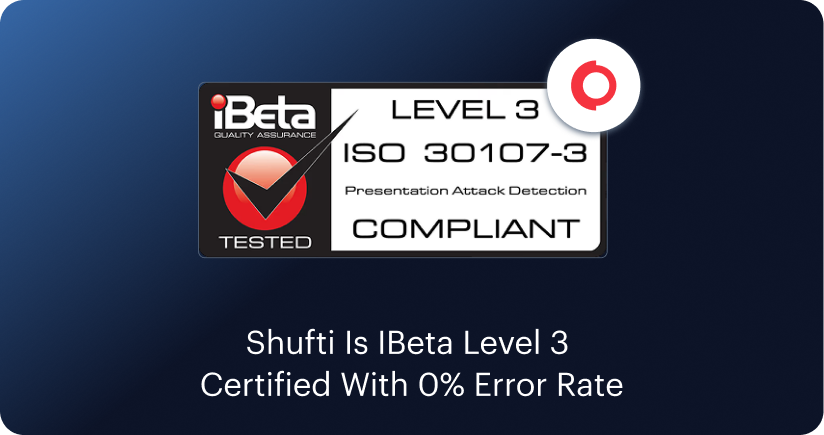













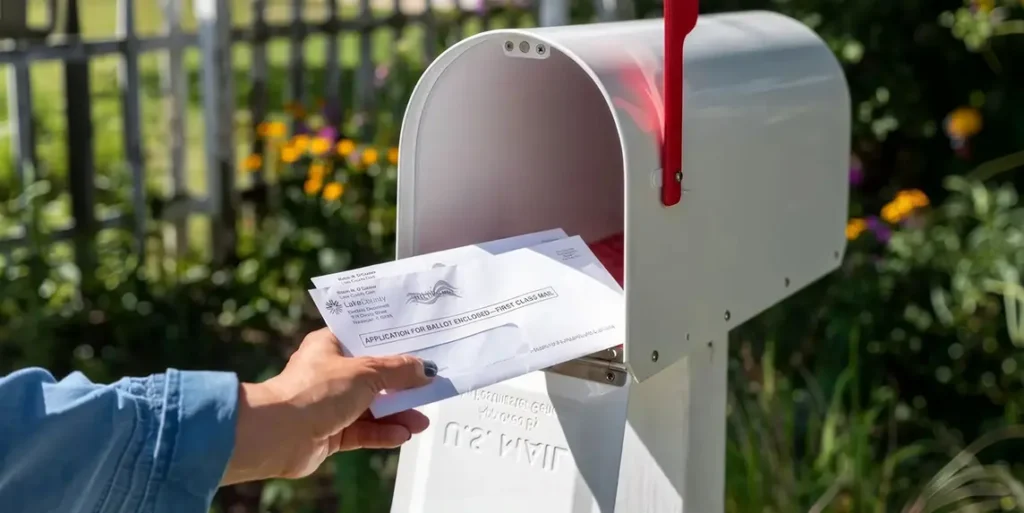

Accurate address information can be important across customer onboarding, account management, deliveries and other services where a business needs reliable location details. The way address information is handled can vary depending on the industry, customer journey and purpose of the check.
What Is Address Verification?
Address verification is the process of confirming whether a customer’s residential or business address is accurate and supported by reliable information. It can use documents, databases or other verification sources to check the address details provided by the customer.
Customer address verification can be used during onboarding, account verification or when a business needs to confirm existing customer information. The checks help determine whether the address details are complete, consistent and suitable for the organization’s verification requirements.
How Address Verification Works
The address verification process involves collecting address details, checking supporting information and producing a verification result. The exact address verification steps depend on the method used.
- Customer provides address details: The customer provides their residential or business address during onboarding or account verification. The information collected may include the complete address, postal code, country and any additional details required to validate the address.
- Proof of address is submitted: Businesses may request an address verification document to support the information provided by the customer. The accepted documents depend on the organization’s address verification requirements, including document type, source reliability and validity period.
- Address information is checked: The submitted document or other data source is examined to determine whether the address information is complete, readable and consistent with the customer’s details. Address verification checks can include comparing the customer’s name with the submitted document, checking the address format and identifying inconsistencies or missing information. Automated document analysis can extract relevant information and reduce manual reviews.
- Verification result is generated: After completing the checks, the business receives a verification outcome. This can be delivered through a verification platform or API integration and connected to the organization’s existing customer onboarding workflow. If the information meets the required criteria, the address can be approved. If inconsistencies are found, additional information or manual review may be required.
Address Verification Methods
Businesses use different address verification methods depending on their customer journey, industry and available data sources.
Document Address Verification
Document address verification uses a document provided by the customer to support their address information. Common documents include utility bills, bank statements and tax-related correspondence. The document can be checked for the customer’s name, address, readability and other information required by the organization.
Postal Address Verification
Postal address verification checks whether an address follows a recognized postal format and corresponds to a valid postal location. It can help identify issues such as incomplete addresses, incorrect postal codes or formatting errors. It does not confirm by itself that a particular person lives at the address.
Docless Address Verification
Docless address verification compares customer-provided address details with information held in trusted databases or reference sources. This comparison can help identify whether the address information is consistent with available records and highlight differences that require attention.
Geolocation Address Verification:
Geolocation address verification uses location signals such as device location data to check whether a customer’s reported location aligns with the provided address. It can provide an additional signal where physical location is important, but it alone does not prove that a customer resides at a particular address.
Address Verification Documents and Requirements
The type of address verification document accepted depends on the business, industry, and verification requirements.
Common documents include:
- Utility bills
- Bank statements
- Government-issued documents
- Rental agreements
- Insurance documents
- Tax-related correspondence
Organizations may require the customer’s name and address to appear clearly on the document, the information to be readable and the document to come from a reliable source. Some may also require documents issued within a specified period. These requirements are not universal. Accepted document types and validity periods depend on the organization’s verification process and applicable requirements.
Industries That Use Address Verification
Address verification is used across industries where reliable customer, delivery, or location information is important. E-commerce and retail can use it to check delivery information before fulfilling orders. Financial services may use it as part of customer verification and due diligence. Rental and sharing services can check address information provided by renters or property owners, while marketplaces and gig economy platforms may use it for user verification, delivery logistics and location-based requirements.
Benefits of Address Verification
- Helps businesses maintain accurate customer address records and reduce errors in customer information.
- Adds another check against false or inaccurate address details that could be used to misuse services.
- Helps identify incorrect or incomplete delivery addresses before fulfillment.
- Can support KYC and customer due diligence where reliable address information is part of the verification process.
- Reduces manual work and verification time when address checks are automated.
Current Trends in Address Verification
Address verification solutions are increasingly supported by automated document analysis, which can extract address information and identify inconsistencies with less manual review. International businesses also need systems that can handle different postal formats, languages, and address structures, making address normalization important for consistent processing. Where trusted government or electronic data sources are available, businesses may also use them to validate customer information without relying entirely on physical documents.
How Shufti Supports Address Verification
Shufti supports address verification using submitted proof such as identity documents, utility bills, and bank statements. It supports fuzzy address matching, address validation and decomposition, database checks, and location-based distance calculation. Address verification can also be integrated into existing customer verification workflows through the Shufti verification API.
Frequently Asked Questions
What Is the Difference Between Address Verification and Address Validation?
Address verification confirms whether a customer’s claimed address is supported by evidence while address validation checks whether the address itself is correctly formatted and matches available postal or location data.
What Causes an Address Verification to Fail?
It can fail when customer details do not match the submitted document, required information is missing or the supporting document is unclear or invalid.
Can Address Verification Detect a Fake Address?
It can help identify potentially false address information but it does not always prove that an address is fake. Verification can identify inconsistencies between the customer’s details and supporting evidence while other methods such as database or geolocation checks can provide additional information about the address.
How to Verify an Address Online?
Verify an address online by submitting the address or supporting proof to an address verification service. The service checks the information against relevant documents, databases or other data sources and returns a verification result.