




 Face Verification
 Address Verification
 Document Verification
 Age Verification
 VideoIdent
 Fast ID
 Docless Verification
 Consent Verification
 NFC Verification
 Business Verification
 Due Diligence
 Investor Verification
 E-Signature

 QES
QES
 AML Screening
 Transaction Monitoring
 Adverse Media
 Business AML Screening
 PEP & RCA
 Sanctions
 Watchlist
 Behavioural Biometrics
 Device Fingerprinting
 Biometric Face Authentication
 MFA
MFA
 Fraud Hub
 Onboarding
 Ongoing Monitoring
 KYC
KYC
 KYB
KYB
 KYI
KYI
 Age Assurance
 Identity Verification
 Workforce IAM
 Candidate Verification
 Compliance
 Fraud prevention
 Trust & safety
 Global expansion
 Product Managers
 Compliance Officers
 Fraud Analysts
 Developers
 Deepfake Detection
 Bonus Abuse / Promotion Abuse
 Account Takeover
 Synthetic Identity Fraud
 Document Fraud
 Impersonation Fraud
 Multi-Accounting
 Fraud Networks
 Chargeback Fraud
 Money Mule Activity
 Party Fraud
 Regulatory & Compliance Risks
 Fintech
 Crypto
 iGaming
 Forex
Forex
 Social Network
 Marketplace
 Banking
 Gig Economy
 Payments
 Ride Hailing
 Adult Content
 Blind Spot Audit
 Deepfake Detector
 Liveness Spoofs
 Document Originality
 Document Deepfake
 Global Trust Platform
 Journey Builder
 Case Management
 Shufti AI
 Fraud Analytics
 Vendor Comparison
 Brand Personalisation
 AI Compliance Co-Pilot
 OCR
OCR
 Secure Capture
 Deployment Options
 Identity Methods
 API Documentation
 Mobile SDKs
 Service Status
 Help Center
 Contact Us
 Technical Support
 Supported Documents
 Supported Countries
 Content library
 Blogs
Blogs
 News
News
 Reports
 Insights
 Knowledgebase
 ROI calculator
 About
About
 Career
 Press Release
 Certifications
 Partnership
 Awards
 Events & Webinar
 Interactive Demo
 Podcast Studio
 Spotlight Studio
Identity Verification Checks: How They Work and Why They Matter in 2026
-
Add us as a Preferred Source
- 01 How Do Identity Verification Checks Work?
- 02 What Types of Identity Verification Checks Are There?
- 03 How Do Identity Verification Checks Prevent Fraud and Support AML Compliance?
- 04 How AI-Powered Identity Verification Checks Reduce Errors and Scale Onboarding
- 05 What This Means for Your Verification Workflow
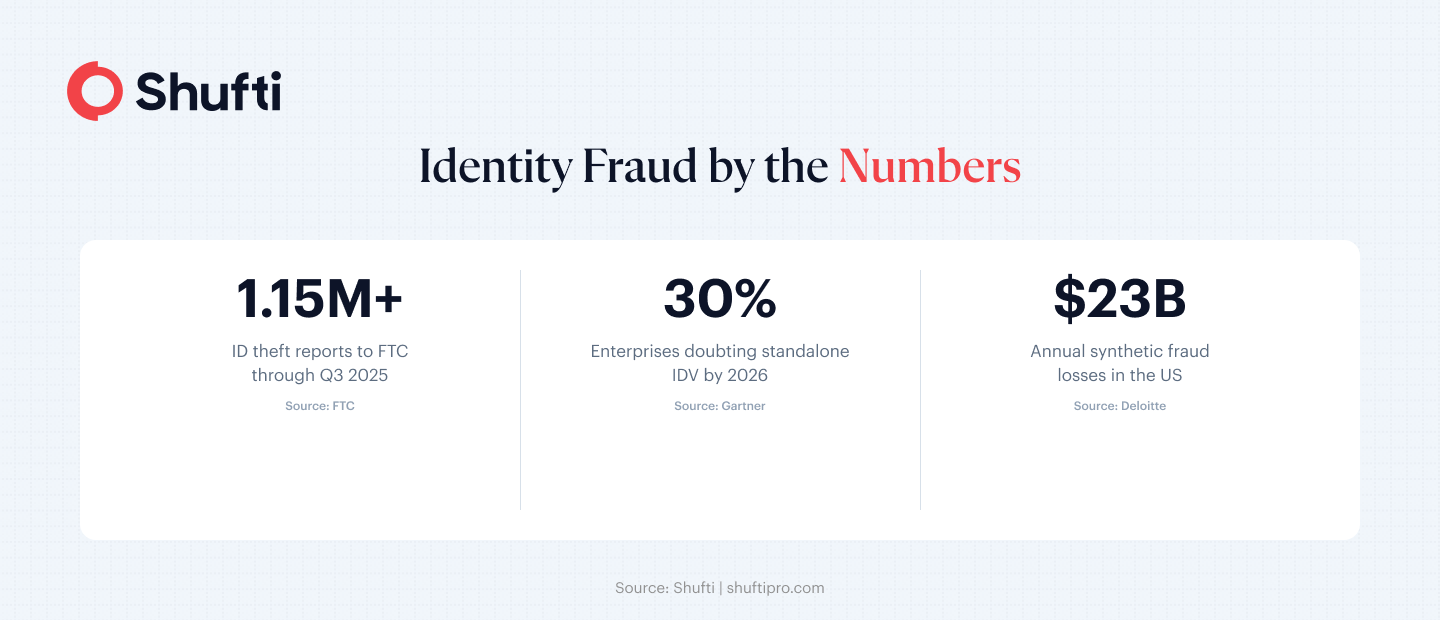
The FTC received over 1.15 million identity theft reports through Q3 2025 alone, surpassing the entire previous year’s total (FTC Identity Theft Reports). For businesses handling customer onboarding, that number should raise a pointed question: are your identity verification checks actually catching what they need to catch?
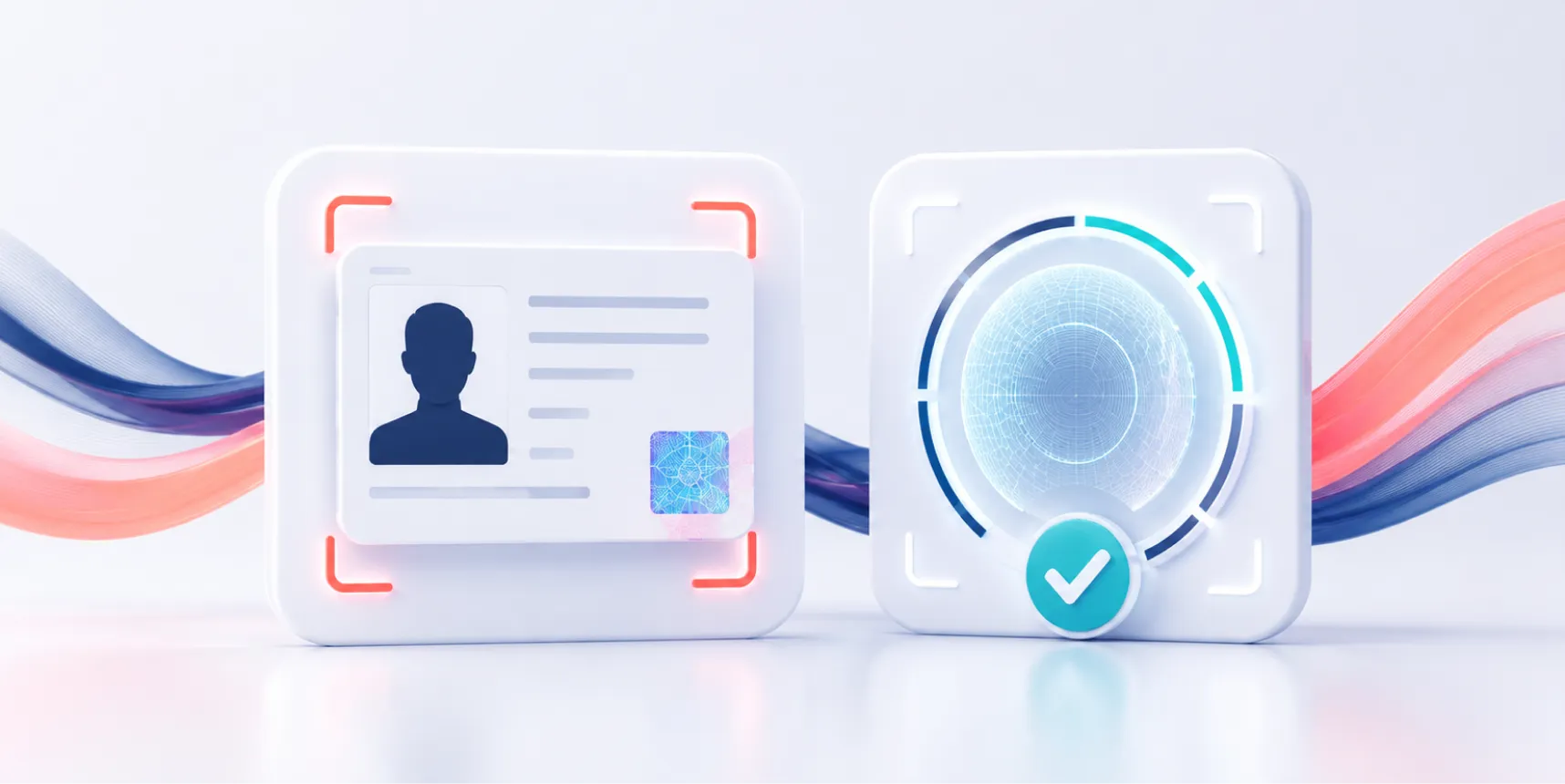
Identity verification checks are the processes businesses use to confirm that a person is who they claim to be. These checks compare submitted identity data, such as government-issued documents, biometric samples, or personal details, against trusted sources to validate authenticity before granting access to services.
The pressure is not just about fraud losses. Regulators across the EU, the UK, and the US now expect documented, auditable identity verification as part of customer due diligence. And with Gartner predicting that 30% of enterprises will consider standalone identity verification unreliable by 2026 due to AI-generated deepfakes, the bar for what counts as a credible check keeps rising.
This article breaks down the major types of identity verification checks, explains how they work in practice, and covers which combinations actually reduce risk for regulated businesses.
How Do Identity Verification Checks Work?
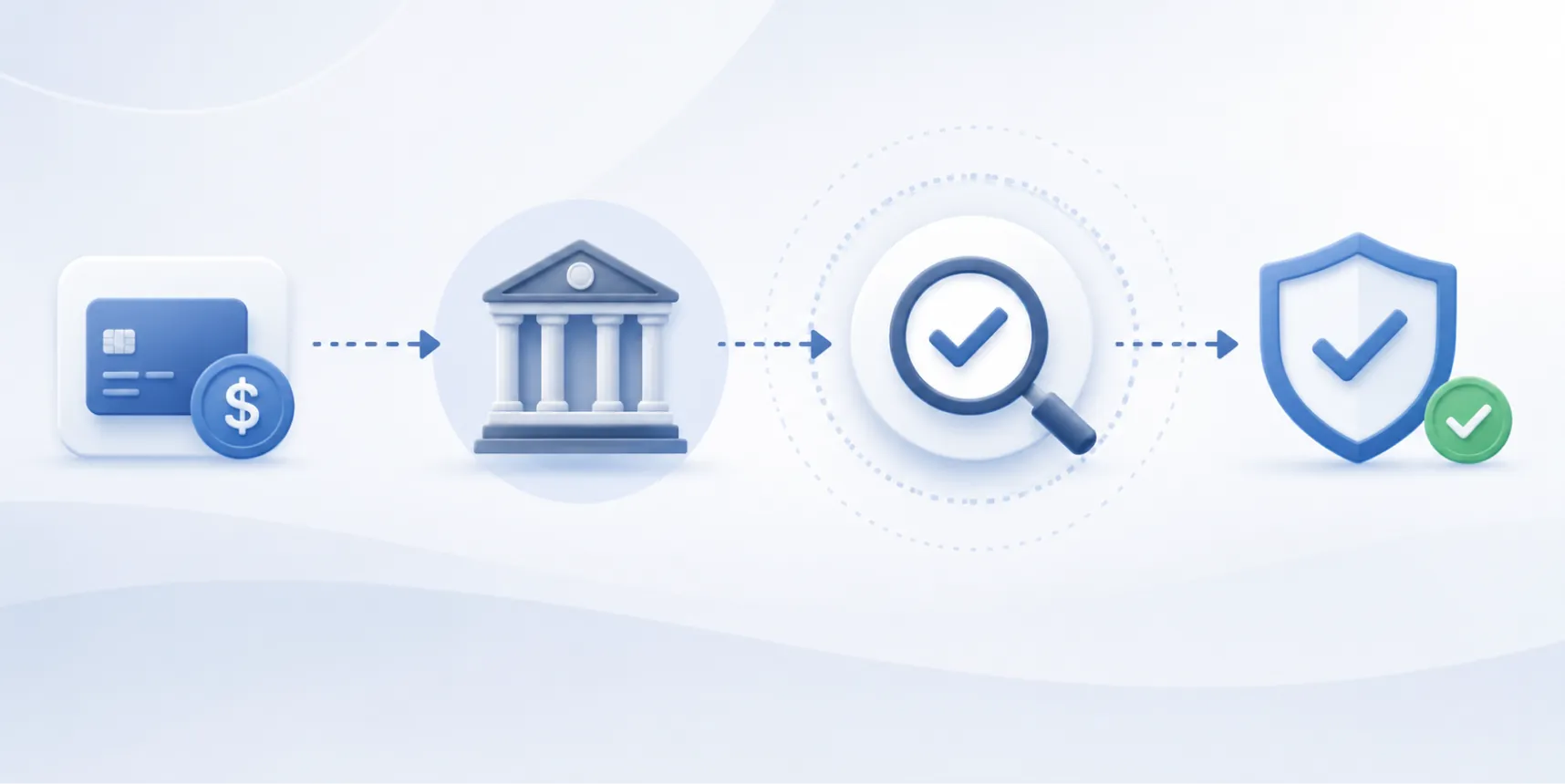
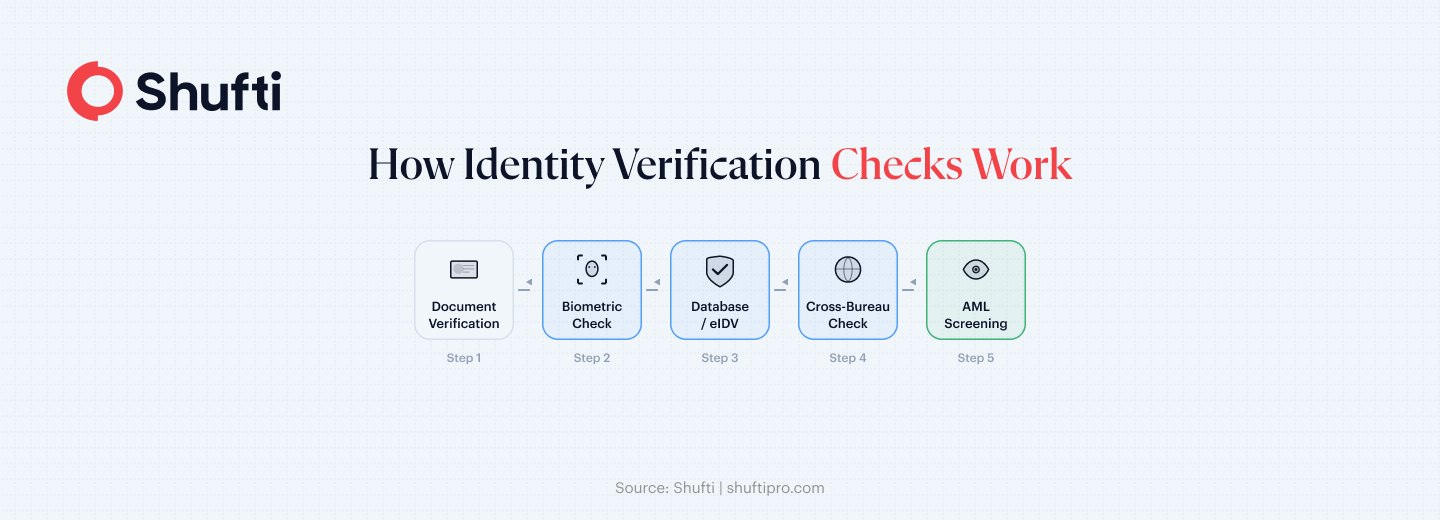
At the core, every digital identity verification check follows a three-step pattern: capture, extraction, and validation.
The user submits identity evidence: a photo of a passport, a live selfie, personal details typed into a form, or a chip read from an NFC-enabled document.
The system then extracts data. Optical character recognition (OCR) pulls text from document images, biometric algorithms map facial geometry, and database queries retrieve records linked to the submitted details.
Finally, that extracted data is validated against trusted sources. A document check verifies the MRZ code matches the printed fields and the template matches known government-issued formats. A biometric check confirms the live selfie matches the photo on the ID. A database checks cross-references name, date of birth, and address against credit bureau or government records.
The entire process, when automated, takes seconds. Manual review adds minutes or hours, which is why most regulated businesses now rely on real-time identity verification checks powered by AI and machine learning to keep onboarding fast without sacrificing accuracy.
What Types of Identity Verification Checks Are There?
Not all checks serve the same purpose. Each type targets a different layer of identity assurance, and most compliance frameworks expect a combination rather than a single method. (For a broader look at how these methods compare, see our guide on the different types and solutions of ID verification.)
Document Verification
The most common starting point. Users upload a government-issued ID (passport,q driver’s licence, national ID card) and the system validates the document’s format, security features, and extracted text. Advanced systems also check for signs of tampering, such as altered fonts, mismatched holograms, or digitally spliced photos.
Biometric Identity Checks
Face verification compares a live selfie against the photo on the submitted document. Liveness detection ensures the selfie comes from a real person, not a printed photo, screen replay, or deepfake. Given that deepfake-related fraud losses in the US tripled from $360 million in 2024 to $1.1 billion in 2025 (Deloitte Center for Financial Services), biometric identity checks with active liveness have become non-negotiable for high-risk onboarding.
Database and eIDV Checks
Electronic identity verification (eIDV) validates user-submitted details against authoritative databases: credit bureaus, government registries, utility records, and telecom providers. These checks are fast, require no document upload from the user, and work well for low-risk onboarding where reduced friction matters.
Cross-Bureau Identity Checks
A step beyond single-source eIDV. Cross-bureau identity checks query multiple independent databases simultaneously and require a match across at least two sources (often called a “2+2 check”). This multi-source approach catches inconsistencies that a single database lookup would miss, particularly for synthetic identities built with fragments of real data. Juniper Research projects businesses will conduct over 20 billion identity checks annually by 2027, and cross-bureau verification is a growing share of that volume.
AML and Identity Verification Screening
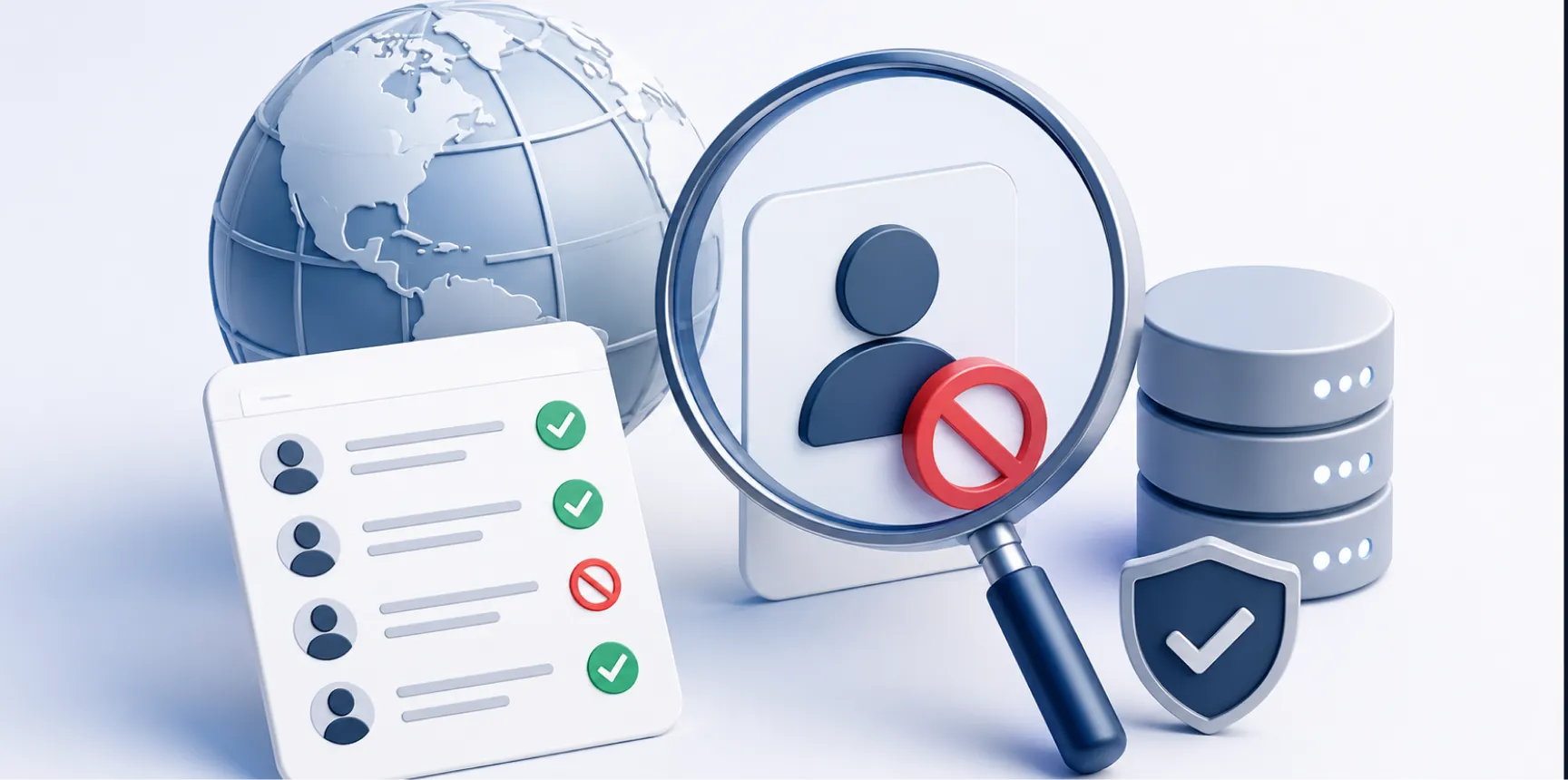
Identity verification screening extends beyond confirming identity. AML screening checks the verified individual against sanctions lists, politically exposed persons (PEP) databases, and adverse media sources. Regulators like FATF and FinCEN require these checks as part of customer due diligence, and they are typically layered on top of document or biometric verification rather than used in isolation.
How Do Identity Verification Checks Prevent Fraud and Support AML Compliance?
The connection between identity verification checks and fraud prevention is direct: most financial fraud begins with a fake or stolen identity passing an onboarding check. Synthetic identity fraud alone generates estimated losses of $23 billion annually in the US according to the Deloitte Center for Financial Services.
Automated identity verification checks reduce this exposure by stacking independent signals. A fraudster might forge a document, but matching that document against a live biometric and a cross-bureau database check creates compounding difficulty. Each added layer forces the attacker to defeat a separate system, not just one.
Speed matters too. Real-time identity verification checks flag document tampering, liveness spoofing, and data mismatches within seconds, before the applicant gains access to any service or account. Compare that to manual review queues where a fraudulent account could sit active for hours or days before someone catches it.
Then there is the audit trail. Regulators do not just want businesses to perform identity verification checks. They want proof. Automated systems produce timestamped logs of every check, every match result, and every risk score assigned, which is exactly what examiners request during a compliance review.
For AML compliance specifically, layering identity verification checks with ongoing screening against global watchlists satisfies the customer due diligence requirements outlined by FATF, the EU’s Anti-Money Laundering Authority (EU AMLA), and national regulators across jurisdictions.
How AI-Powered Identity Verification Checks Reduce Errors and Scale Onboarding
Manual identity verification checks are slow, inconsistent, and expensive to scale. A human reviewer might catch an obvious document forgery but miss a pixel-level deepfake or a synthetic identity built from fragments of real records.
AI changes the math. Machine learning models trained on millions of document templates and biometric samples detect patterns manual review cannot, flagging anomalies in document structure and identifying presentation attacks in real time.
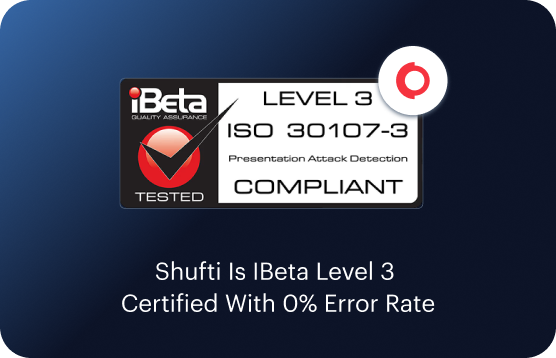
Shufti processes 280 million+ identity checks annually across 240+ countries, supporting 10,000+ document types in nearly 100 OCR languages. The platform’s 99.3% true detection rate for confirmed fraud attempts and 98.72% facial biometric accuracy (iBeta Level 1 & 2 certified) reflect what happens when every component of the verification pipeline, from auto-capture SDKs to forensic AI models, is built in-house rather than stitched together from third-party parts.
For businesses looking to reduce onboarding errors while keeping verification times under 15 seconds, a demo walkthrough is the fastest way to see how these checks work in practice.
What This Means for Your Verification Workflow
Effective identity verification checks combine multiple layers: document verification, biometric checks, database/eIDV queries, and cross-bureau validation. No single check type is sufficient on its own, especially as deepfakes and synthetic identities grow more sophisticated. The businesses that get onboarding right are the ones layering automated, real-time identity verification checks with ongoing AML screening, all within an auditable workflow that satisfies regulators. For a deeper look at how compliance and risk intersect here, this guide covers the full picture.
Frequently Asked Questions
How do identity verification checks work?
They follow a capture-extract-validate pattern. The user submits identity evidence (a document, selfie, or personal details), the system extracts data using OCR or biometric algorithms, then validates it against trusted sources like government registries and credit bureaus.
What types of identity verification checks are there?
The main types are document verification, biometric identity checks (face matching with liveness detection), database/eIDV checks, cross-bureau identity checks (multi-source validation), and AML screening against sanctions and PEP lists.
How are biometric checks used in identity verification?
Biometric checks compare a live selfie against the photo on a submitted ID document. Liveness detection confirms the selfie is from a real person rather than a photo, video replay, or deepfake, adding a layer that document checks alone cannot provide.
How do identity verification checks help prevent fraud?
They layer multiple independent signals (document authenticity, biometric match, database consistency) so a fraudster must defeat several systems simultaneously. Real-time automated checks also flag anomalies instantly, before account access is granted.
Are identity verification checks mandatory for businesses?
Yes, for regulated industries. Financial institutions, fintechs, crypto exchanges, and gaming platforms are required by regulations such as FATF recommendations, EU AML directives, and national laws to perform customer due diligence, which includes identity verification.
How do identity verification checks support AML compliance?
They establish confirmed customer identity as the foundation for all subsequent AML processes. Once identity is verified, businesses layer on sanctions screening, PEP checks, and ongoing transaction monitoring to meet regulatory requirements from bodies like FATF, FinCEN, and the EU AMLA.