AMLR Solutions
  AMLR Consultation
 EUDI Wallet
 Onboarding
 Ongoing Monitoring
 FRAML
FRAML KYC
KYC KYB
KYB KYI
KYI Age Assurance
 Workforce IAM
 Candidate Verification
 Account Takeover
 Bonus/ Promotion Abuse
 Chargeback Fraud
 Deepfake
 Document Fraud
 Fraud Networks
 Impersonation Fraud
 Money Mule Activity
 Multi-Accounting
 Party Fraud
 Regulatory & Compliance Risks
 Synthetic Identity Fraud
 Adult Content
 Banking
 Crypto
 Fintech
 Forex
Forex Compliance
 Fraud prevention
 Trust & safety
 Global expansion
 Compliance Officers
 Developers
 Fraud Analysts
 Product Managers
 Journey Builder
  Global Trust Platform
 Customer Profiles
 Vendor Comparison
 IDV Case Management
 AML Case Management
 Regulatory Reporting
 Agentic Rule Builder
  AI Compliance Co-Pilot
  Fraud Analytics
 Fraud Hub
  OCR
OCR Shufti AI
 Bank Account Verification
  Biometric Duplication
 Database Checks
 Document Intelligence
 Government ID
 Mobile Driver's License
 NFC
NFC Selfie Liveness
 Brand Personalisation
 Deployment Options
 Identity Methods
 IDV Modes
 Multi-tenancy
 On-Premise IDV
 Secure Capture
 Shufti MCP













Even by the standards of cryptocurrency, the volatility exhibited in 2021 has been astounding. In late May 2021, a crypto crash wiped off USD 1 trillion in market value. This impacted major cryptocurrencies such as Bitcoin, which experienced a substantial 30% loss in value.
Noted names like Elon Musk have stirred a global interest in crypto, particularly as PayPal announced the acceptance of payment in Bitcoins. With money shifting from traditional financial markets to cryptocurrency platforms, global regulatory bodies are stepping up to draw rein on the crypto markets.
What is KYC for Crypto?
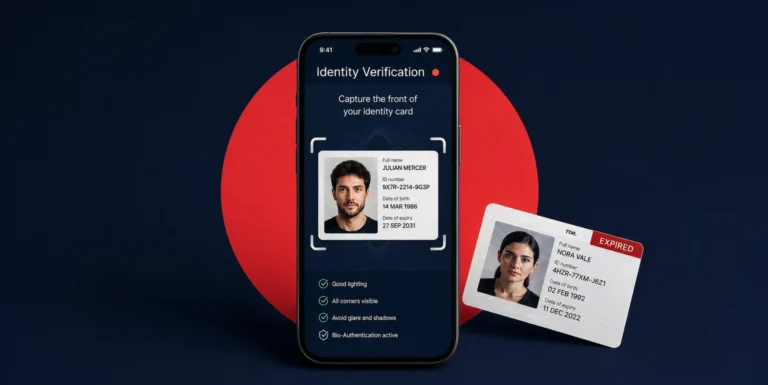
KYC, abbreviated for Know Your Customer, is a process that requires customers to submit their identity information for the purpose of verification. Cryptocurrency exchanges can use the KYC data to monitor customers and their transactions, ensuring the mitigation of financial crimes through cryptocurrencies. KYC verification has been mandated for cryptocurrencies under the FATF’s Travel Rule.
Suggested Read: FATF’s Travel Rule: A New Dawn of Regulations for Virtual Asset Services
The Unsatisfactory Track Record of Crypto KYC Compliance
Blockchain analysis firm CypherTrace stated that by the end of 2020, approximately 56% of all cryptocurrency exchanges were not complying with global KYC regulations.
What makes KYC verification necessary for crypto is that such processes have the ability to put a halt to ever-increasing crime rates. In 2020 alone, an estimated USD 1.9 billion worth of crypto was used to facilitate identity theft, hacks, and other financial frauds. The UK is playing an active role in controlling the burgeoning crypto market, while China has completely banned the trading of cryptocurrencies in the country. Other countries that are in the process of devising robust KYC reforms for crypto include the US, Russia, and Singapore.
Suggested Read: Dirty Funds & Tax Evasion – Can the Crypto Sector Be Safeguarded?
Europe – KYC Verification and AMLD6
Financial institutions in the EU have to comply with Anti-Money Laundering Directives (AMLD). Recent additions – the AMLD5 and AMLD6 – have introduced updates regarding KYC verification requirements for crypto exchanges.
These directives include the list of processes that financial institutions, including cryptocurrency exchanges, need to follow to curb money laundering and related financial crimes. The latest update expanded the scope of AML verification to virtual currency wallets. This means that any crypto exchange that enables fiat-to-crypto transaction needs to comply with appropriate KYC and AML standards, as directed by EU’s latest regulation on Markets in Crypto Assets (MiCA).
The consequences of non-compliance have also been enhanced. Individuals and corporations that fail to comply with KYC verification requirements can receive a range of punishments – from simple “cease and desist” orders to imprisonment up to four years.
North America – FINTRAC and FinCEN
In Canada, the scope of KYC verification has finally been extended to include cryptocurrency exchanges in its updated KYC regulation for 2021. The regulatory body of the country, FINTRAC (Financial Transactions and Reporting Analysis Center), has obligated crypto exchanges to perform KYC verification on their users and meet KYC compliance requirements in the same way as traditional financial institutions. The submission of a Virtual Currency Transaction Report (VCTR) has also been mandated when receiving an amount in virtual currency equivalent to USD 10,000 or more.
In the south, the US Treasury Department proposed stringent KYC regulations for the crypto industry last December, asking crypto exchanges to verify the identity of the owners of crypto wallets if the transaction exceeds USD 3000. On top of this, the authority also made it compulsory for digital exchanges to submit personal information of crypto wallet owners to FinCEN (Financial Crimes Enforcement Network). This includes their name, address, and the purpose of the transaction.
However, the controversial proposal has now been put on freeze by President Biden’s administration, much to the relief of the crypto industry.
Asia – Varying Approaches in China, Singapore, and Thailand
One of the biggest digital economies in the world, China, holds a strict stance towards cryptocurrencies, particularly as crypto transactions fuel online financial crimes. In 2017, cryptocurrencies and ICO’s were completely barred from operating in the country, forcing numerous Chinese crypto exchanges to move abroad.
China bans financial, payment institutions from cryptocurrency business https://t.co/G8KNNMCkpH pic.twitter.com/D2fcMkJYtj
— Reuters (@Reuters) May 18, 2021
Other Asian Economies such as South Korea are not bent towards banning crypto exchanges and are instead pushing ahead with stringent KYC verification and AML regulations. Thailand has already implemented in-person client KYC verification on new cryptocurrency users. Their Know Your Client verification system relies on authenticating chip-based ID cards, making it impossible for foreigners to invest in local exchanges.
Singapore, dubbed as the Crypto Haven, has taken a friendlier position when it comes to cryptocurrencies. KYC verification and AML screening of end-users have been mandated, along with the submission of SARs (Suspicious Activity Report) to the Monetary Authority of Singapore (MAS).
Suggested Read: Singapore Taking New Actions Against Terror Financing and Money Laundering
Why are Crypto Exchanges Hesitant towards KYC Verification?
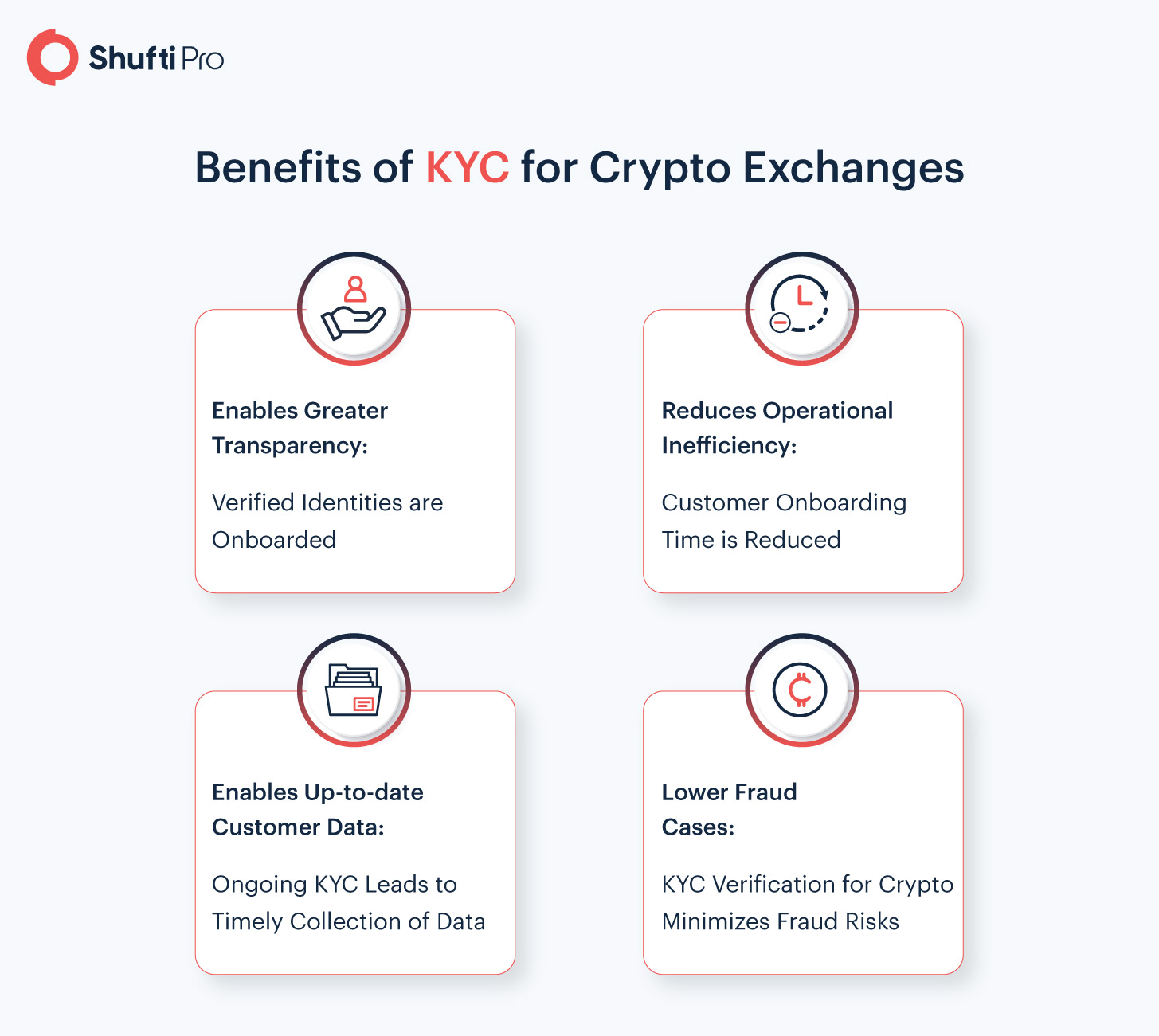
The resistance to KYC for cryptocurrencies boils down to two factors. Firstly, users believe that with KYC verification processes in place, they would be losing their anonymity. And secondly, KYC verification would mean that the power would be given to a central authority, thus losing the point of a decentralized currency. However, customer’s KYC verification is crucial for eliminating the threat of surging financial crimes through cryptos.
Use Case: How Binance is Making KYC Verification Attractive for End-users
Binance, the largest cryptocurrency platform in the world, is dedicated to meeting KYC compliance requirements. But how is the platform ensuring KYC compliance? By providing extra benefits to KYC compliant customers. Users that comply with KYC regulations are able to enjoy top tier upgrades at a much lower cost. Where unverified users can only withdraw 2 BTC daily, verified accounts can withdraw up to 100 BTC daily.
Conclusion
Cryptocurrency exchanges will need to invest in innovative RegTech solutions to stay compliant with stringent KYC and AML regulations. ID verification systems, for example, are powered by thousands of AI models, making it easy for crypto platforms to verify customer identities and meet compliance targets in a single go. Going forward, it would be interesting to see how crypto platforms adapt to changing compliance regulations, particularly as the long-term survival of digital currencies currently depends on robust KYC and AML regulation and control measures.
Want to learn more? Try out our 7-day free trial or talk to our experts!