AMLR Solutions
  AMLR Consultation
 EUDI Wallet
 Onboarding
 Ongoing Monitoring
 FRAML
FRAML KYC
KYC KYB
KYB KYI
KYI Age Assurance
 Workforce IAM
 Candidate Verification
 Account Takeover
 Bonus/ Promotion Abuse
 Chargeback Fraud
 Deepfake
 Document Fraud
 Fraud Networks
 Impersonation Fraud
 Money Mule Activity
 Multi-Accounting
 Party Fraud
 Regulatory & Compliance Risks
 Synthetic Identity Fraud
 Adult Content
 Banking
 Crypto
 Fintech
 Forex
Forex Compliance
 Fraud prevention
 Trust & safety
 Global expansion
 Compliance Officers
 Developers
 Fraud Analysts
 Product Managers
 Journey Builder
  Global Trust Platform
 Customer Profiles
 Vendor Comparison
 IDV Case Management
 AML Case Management
 Regulatory Reporting
 Agentic Rule Builder
  AI Compliance Co-Pilot
  Fraud Analytics
 Fraud Hub
  OCR
OCR Shufti AI
 Bank Account Verification
  Biometric Duplication
 Database Checks
 Document Intelligence
 Government ID
 Mobile Driver's License
 NFC
NFC Selfie Liveness
 Brand Personalisation
 Deployment Options
 Identity Methods
 IDV Modes
 Multi-tenancy
 On-Premise IDV
 Secure Capture
 Shufti MCP













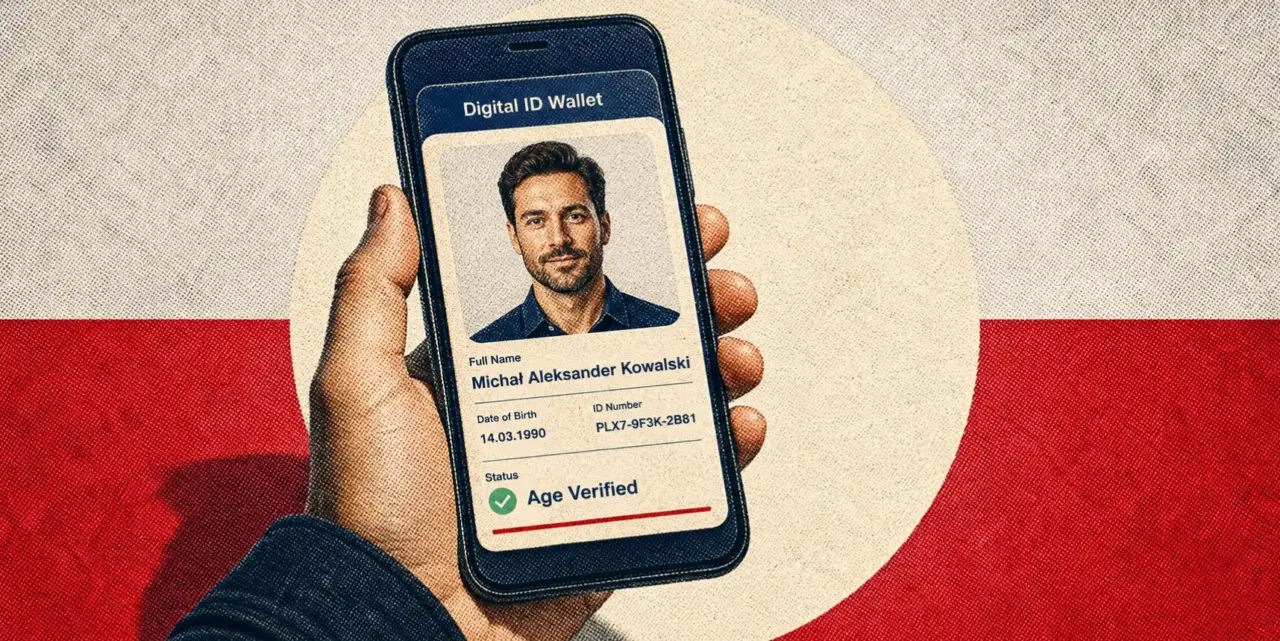

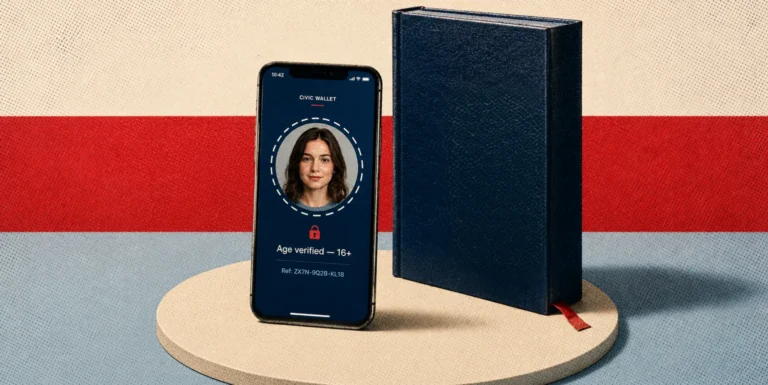
Poland has adopted a new legislative package restricting minors’ access to harmful online content and introducing stricter age verification requirements for adult websites. While the legislation does not mandate a specific technical solution, government officials have explicitly pointed service providers towards age verification capabilities built into the European Digital Identity (EUDI) Wallet, arguing that users should be able to confirm their age without disclosing additional personal data.
Poland Plans Anonymous Age Verification Through National Digital Identity by the End of 2026
The Polish government has confirmed plans to introduce anonymous age verification services by the end of 2026 through its national digital identity infrastructure. Officials have indicated this capability could be integrated into the mObywatel digital identity application, which already serves approximately 12 million users and hosts digital ID cards, driving licences, and other government-issued credentials.
Deputy Minister of Digital Affairs Dariusz Standerski described the approach as “a mechanism that confirms age without revealing any personal data.” Under the model, a service provider receives only a confirmation that a user meets the required age threshold. The wallet issuer, in turn, has no visibility into which services the user accessed. This selective disclosure model is enabled by zero-knowledge proof cryptography, which confirms a claim such as “user is over 18” without exposing the underlying identity data.
The new legislative package also includes measures to accelerate the removal of illegal online content and introduces restrictions on smartphone use in primary schools as part of broader child online safety efforts.
EUDI Wallet Age Verification Is Becoming a Pan-European Standard
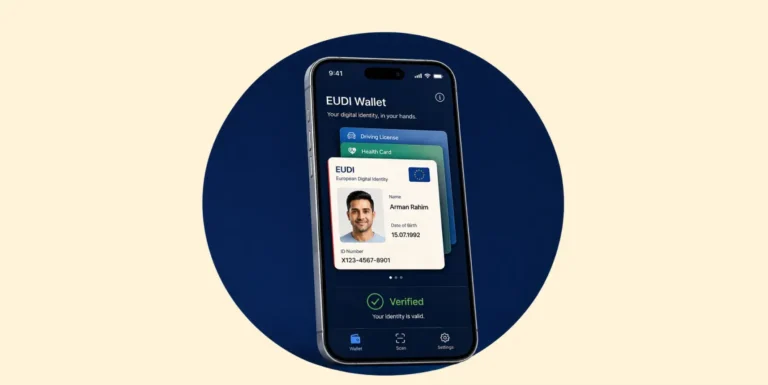
Poland’s approach reflects a wider shift across EU member states towards positioning the EUDI Wallet as the preferred infrastructure for age assurance. In April 2026, the European Commission announced that its age verification solution had reached technical readiness, with pilot rollout to front-runner member states planned for summer 2026 and native integration into national wallets expected by late 2026.
Under eIDAS 2.0 regulations, every EU member state is legally required to provide citizens with a certified EUDI Wallet by the end of 2026. Regulated private sector entities, including banks, telecoms operators, and payment service providers, must accept those wallets by the end of 2027. For businesses operating across European markets, this creates a near-term obligation to build wallet-compatible verification flows into onboarding and access control systems.
Businesses Serving EU Users Need Wallet-Ready Age Verification Now
For online platforms subject to age verification requirements across EU markets, Poland’s legislation adds to a growing body of national rules that point towards the EUDI Wallet standard. Platforms that have not yet mapped their verification flows against eIDAS 2.0 requirements face a narrowing compliance window ahead of the January 2027 deadline for regulated entities to accept wallet credentials.
Shufti’s age verification supports eIDAS 2.0-aligned verification flows across European markets, combining document verification, biometric liveness, and electronic identity sources into a single onboarding journey. For compliance and product teams preparing for EUDI Wallet integration, Shufti’s guide to eIDAS 2.0 and the EUDI Wallet covers what the shift means for existing verification pipelines.
Request a demo to assess readiness ahead of the rollout.