AMLR Solutions
  AMLR Consultation
 EUDI Wallet
 Onboarding
 Ongoing Monitoring
 FRAML
FRAML KYC
KYC KYB
KYB KYI
KYI Age Assurance
 Workforce IAM
 Candidate Verification
 Account Takeover
 Bonus/ Promotion Abuse
 Chargeback Fraud
 Deepfake
 Document Fraud
 Fraud Networks
 Impersonation Fraud
 Money Mule Activity
 Multi-Accounting
 Party Fraud
 Regulatory & Compliance Risks
 Synthetic Identity Fraud
 Adult Content
 Banking
 Crypto
 Fintech
 Forex
Forex Compliance
 Fraud prevention
 Trust & safety
 Global expansion
 Compliance Officers
 Developers
 Fraud Analysts
 Product Managers
 Journey Builder
  Global Trust Platform
 Customer Profiles
 Vendor Comparison
 IDV Case Management
 AML Case Management
 Regulatory Reporting
 Agentic Rule Builder
  AI Compliance Co-Pilot
  Fraud Analytics
 Fraud Hub
  OCR
OCR Shufti AI
 Bank Account Verification
  Biometric Duplication
 Database Checks
 Document Intelligence
 Government ID
 Mobile Driver's License
 NFC
NFC Selfie Liveness
 Brand Personalisation
 Deployment Options
 Identity Methods
 IDV Modes
 Multi-tenancy
 On-Premise IDV
 Secure Capture
 Shufti MCP












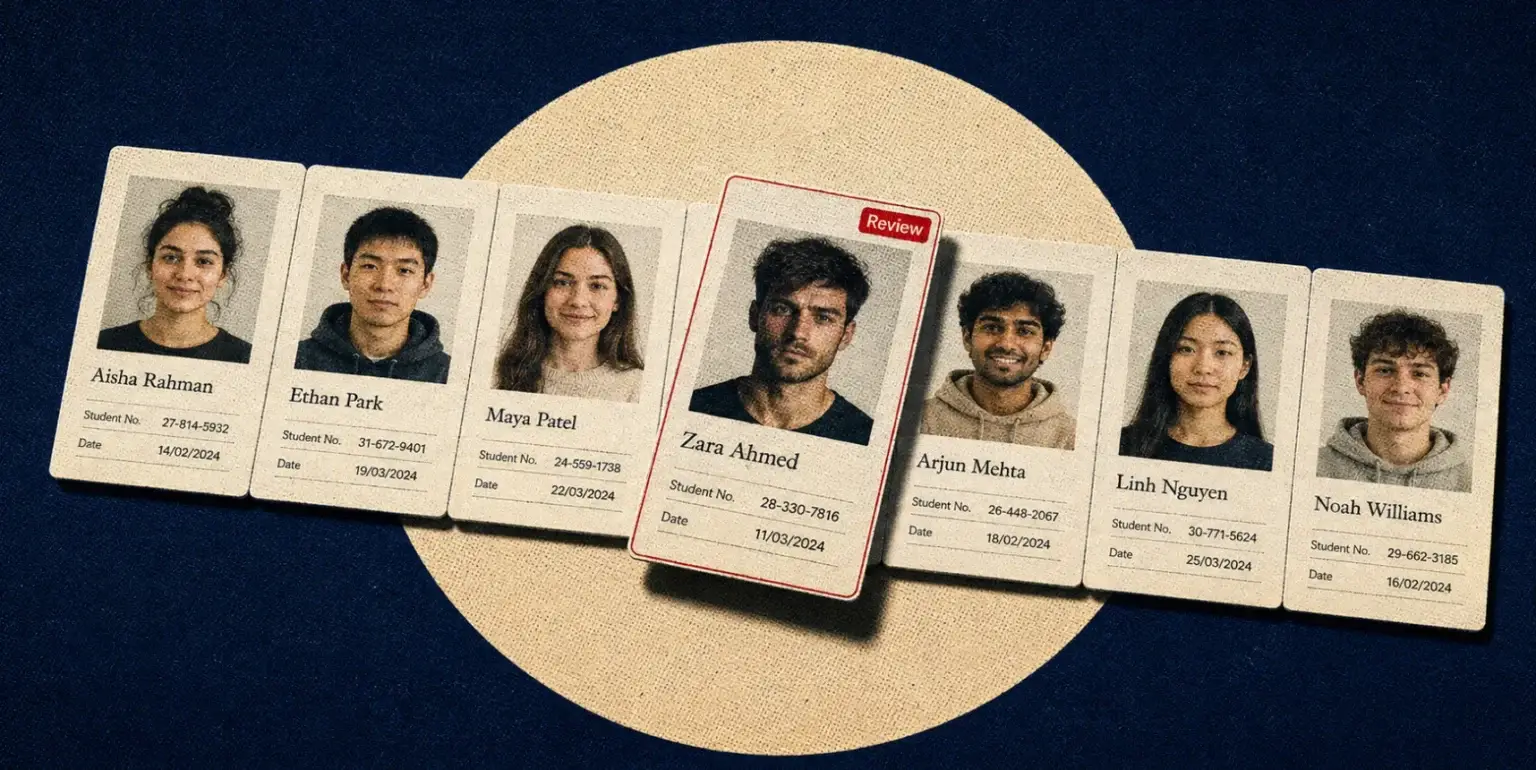
The U.S. Department of Education says it has restricted the disbursement of more than $1 billion in fraudulent student aid payments, following the rollout of tougher identity verification measures aimed at stopping so-called “ghost students” and AI-driven scams.
According to the department, the recovered funds stem from enhanced fraud controls introduced in the first week of June 2025, designed to prevent fake or stolen identities from accessing federal student loans and grants. Officials say criminal networks have increasingly relied on artificial intelligence and automated bots to fabricate students, enrol them in colleges, trigger financial aid disbursements, and then disappear before classes begin.
“Ghost students” have become a growing concern for colleges nationwide, particularly community colleges, which often process large volumes of applications with limited resources. In some cases, fraudsters used stolen identities, including those of deceased individuals. In other cases, automated bots posed as students to exploit weaknesses in the federal aid system.
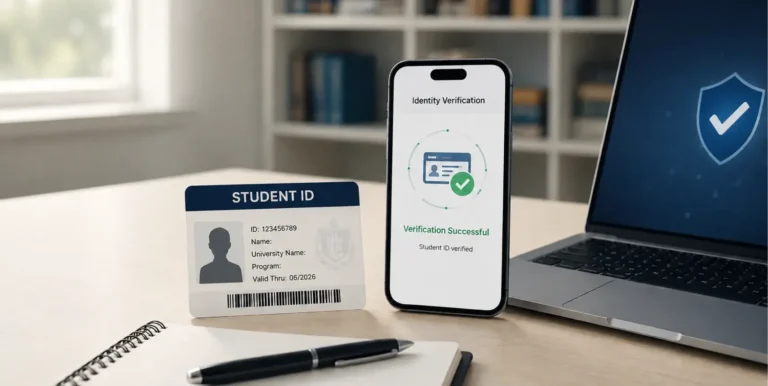
To combat fraud, the Department of Education has made it harder for first-time applicants to get Federal Student Aid. ID Verification requirement is specifically for first-time students, not all students in general. They can do this in person or through a live video chat with a designated school official. Additionally, schools must keep a record of this ID.
U.S. Secretary of Education Linda McMahon said the policy aligns student aid access with basic identity standards used elsewhere. “American citizens have to present an ID to travel or rent a car; it’s only right that they do the same to access tens of thousands of taxpayer dollars,” she said, adding that the recovered funds will now support legitimate students.
U.S. Department of Education reports that almost 150,000 suspicious identities were flagged in FAFSA filings in the first week of implementation. Therefore, alerts were sent to colleges and universities nationwide. This action follows earlier reports that nearly $90 million was paid to suspected scammers in 2024. It includes tens of millions from bot-driven schemes.
Moreover, data from state systems show the scale of the problem. For instance, in California, officials found that about one-third of community college applications in 2024 showed clear and hidden signs of fraud. Alongside, colleges in Nevada and Minnesota have also reported millions of dollars in losses tied to ghost student activity.
In addition to identity verification of students, the department is warning families about fake college websites that are created by artificial intelligence. The U.S. Department of Education is also creating a dedicated fraud detection team within Federal Student Aid. Officials say these steps are part of a broader effort to reduce waste, along with fraud and abuse, and to restore trust in the federal student aid system.