AMLR Solutions
  AMLR Consultation
 EUDI Wallet
 Onboarding
 Ongoing Monitoring
 FRAML
FRAML KYC
KYC KYB
KYB KYI
KYI Age Assurance
 Workforce IAM
 Candidate Verification
 Account Takeover
 Bonus/ Promotion Abuse
 Chargeback Fraud
 Deepfake
 Document Fraud
 Fraud Networks
 Impersonation Fraud
 Money Mule Activity
 Multi-Accounting
 Party Fraud
 Regulatory & Compliance Risks
 Synthetic Identity Fraud
 Adult Content
 Banking
 Crypto
 Fintech
 Forex
Forex Compliance
 Fraud prevention
 Trust & safety
 Global expansion
 Compliance Officers
 Developers
 Fraud Analysts
 Product Managers
 Journey Builder
  Global Trust Platform
 Customer Profiles
 Vendor Comparison
 IDV Case Management
 AML Case Management
 Regulatory Reporting
 Agentic Rule Builder
  AI Compliance Co-Pilot
  Fraud Analytics
 Fraud Hub
  OCR
OCR Shufti AI
 Bank Account Verification
  Biometric Duplication
 Database Checks
 Document Intelligence
 Government ID
 Mobile Driver's License
 NFC
NFC Selfie Liveness
 Brand Personalisation
 Deployment Options
 Identity Methods
 IDV Modes
 Multi-tenancy
 On-Premise IDV
 Secure Capture
 Shufti MCP













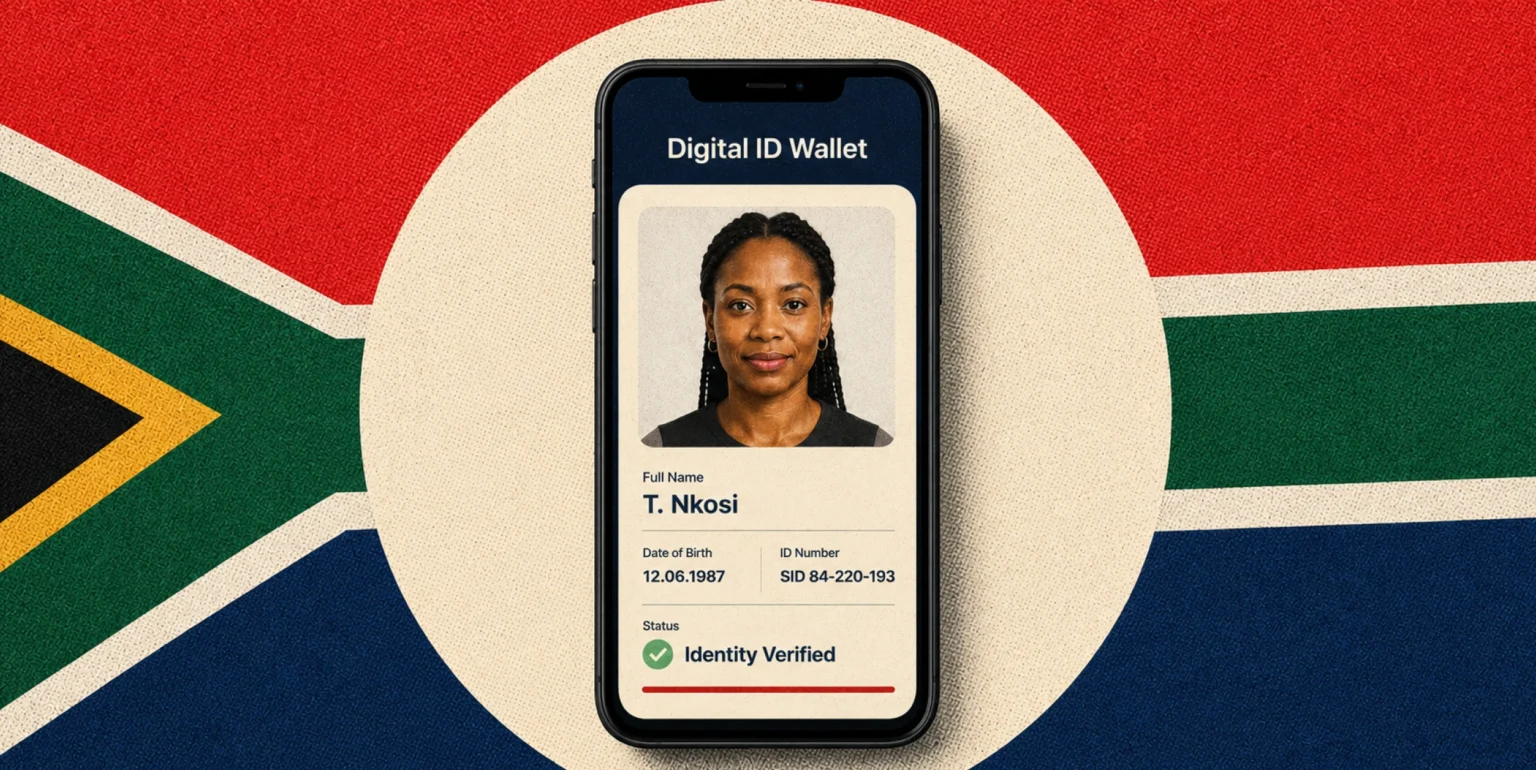

South Africa’s Department of Home Affairs has expanded Smart ID replacement services to 203 bank branches, processing more than 250,000 transactions in just over three months since the programme launched on 9 March 2026. The rollout has increased national access to Smart ID replacement services by 73% and forms the centrepiece of the government’s Home Affairs home digital transformation initiative.
109 Capitec, 74 Standard Bank, and 20 FNB Branches Now Live
The participating locations comprise 109 Capitec branches, 74 Standard Bank branches, and 20 FNB branches, according to a Department of Home Affairs statement. Before the banking partnership launched, Smart ID replacement was available through only 248 Home Affairs offices and 32 bank branches.
The fully biometric application process takes approximately five minutes per applicant, requires no paperwork, and needs no advance booking. Home Affairs Minister Dr. Leon Schreiber confirmed that the government plans to expand the service to 750 branches by the end of 2026 and will add first-time Smart ID applications, passport applications, and home deliveries to all participating locations.
16 Million South Africans Still Carry the Fraud-Prone Green ID Book
Approximately 16 million South Africans continue to rely on the Green ID Book, a physical document authorities regard as particularly vulnerable to forgery, identity theft, and manipulation, according to the Department of Home Affairs. President Cyril Ramaphosa has affirmed that replacing it with the Smart ID card (which stores biographic data and fingerprint biometrics on a tamper-resistant microchip) is essential to protecting the population register that underpins citizenship, immigration, and national security. The Green ID Book’s susceptibility to document fraud has direct downstream consequences for financial institutions: forged identity documents are a primary vector for account takeover, synthetic identity fraud, and organised financial crime.
Banks Taking on ID Enrolment Face an Authentication Infrastructure Gap
As financial institutions take on responsibility for biometric Smart ID enrolment on behalf of the state, their role in South Africa’s national identity infrastructure is fundamentally changing. Many banks and fintechs operating across the African market still rely on legacy document verification workflows that cannot authenticate the NFC chip embedded in the Smart ID card. Visually inspecting a physical card is no longer sufficient when the document carries a microchip containing cryptographically signed biometric data, and the South African rollout signals that chip-based verification is now the government’s chosen baseline for identity at scale.
NFC Chip Authentication Becomes the Compliance Baseline for African Banks
As chip-based national identity documents become the standard across Africa, financial institutions need verification infrastructure that reads and authenticates NFC chips directly, not just scans card surfaces.
Shufti’s NFC verification solution reads cryptographically signed data from chip-embedded documents including Smart IDs, biometric passports, and national identity cards, confirming document integrity and matching chip data against live biometrics. Combined with Shufti’s eIDV capabilities spanning 240+ countries, banks and fintechs onboarding customers in South Africa can verify chip-based identities in seconds rather than minutes.
Compliance teams assessing their readiness for chip-based identity infrastructure can request a demo to evaluate integration options.