AMLR Solutions
  AMLR Consultation
 EUDI Wallet
 Onboarding
 Ongoing Monitoring
 FRAML
FRAML KYC
KYC KYB
KYB KYI
KYI Age Assurance
 Workforce IAM
 Candidate Verification
 Account Takeover
 Bonus/ Promotion Abuse
 Chargeback Fraud
 Deepfake
 Document Fraud
 Fraud Networks
 Impersonation Fraud
 Money Mule Activity
 Multi-Accounting
 Party Fraud
 Regulatory & Compliance Risks
 Synthetic Identity Fraud
 Adult Content
 Banking
 Crypto
 Fintech
 Forex
Forex Compliance
 Fraud prevention
 Trust & safety
 Global expansion
 Compliance Officers
 Developers
 Fraud Analysts
 Product Managers
 Journey Builder
  Global Trust Platform
 Customer Profiles
 Vendor Comparison
 IDV Case Management
 AML Case Management
 Regulatory Reporting
 Agentic Rule Builder
  AI Compliance Co-Pilot
  Fraud Analytics
 Fraud Hub
  OCR
OCR Shufti AI
 Bank Account Verification
  Biometric Duplication
 Database Checks
 Document Intelligence
 Government ID
 Mobile Driver's License
 NFC
NFC Selfie Liveness
 Brand Personalisation
 Deployment Options
 Identity Methods
 IDV Modes
 Multi-tenancy
 On-Premise IDV
 Secure Capture
 Shufti MCP













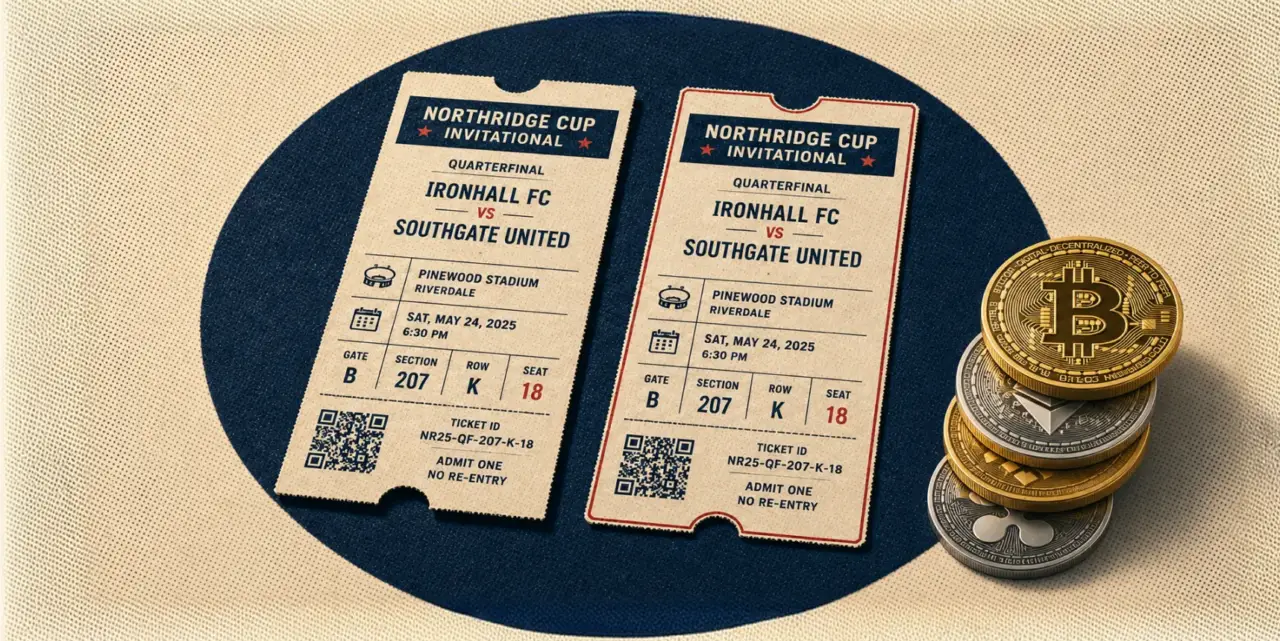
Two US law enforcement agencies have issued back-to-back warnings about fraud targeting fans ahead of the 2026 FIFA World Cup, which kicks off on 11 June across Canada, Mexico, and the United States. The FBI Cyber Division and the Los Angeles County Sheriff’s Department both flagged a surge in fake websites, fraudulent ticket sales, and crypto-linked scams designed to steal personal and financial information from football supporters.
FBI Identifies 36 Fake FIFA Domains as Typosquatting Campaigns Scale Up
The FBI’s Internet Crime Complaint Center has identified at least 36 fraudulent domains spoofing FIFA’s official website, with further fake domains expected to emerge throughout the tournament. The fake sites use typo squatting, a technique involving registering addresses that differ from fifa.com by a single letter, extra word, or alternate domain suffix, combined with cloned branding and, in some cases, full replicas of FIFA’s single sign-on authentication flow.
Cybersecurity firm Check Point Research recorded 9,741 new domains carrying FIFA or World Cup keywords in April 2026 alone, more than four times the February figure and over five times the peak seen during Qatar 2022. By early May, one in every 41 of those domains was already confirmed to be suspicious or malicious. Group-IB separately identified one sophisticated operator running a pixel-perfect FIFA replica across more than 300 domains in 11 languages. Shufti’s breakdown of the FIFA 2026 fake ticket and platform fraud landscape covers how this domain infrastructure feeds downstream fraud across payments and identity verification platforms.
The LA County Sheriff’s Department warned fans to avoid clicking sponsored search results, social media posts, or messaging app links, and to type www.fifa.com directly into their browser. The department also flagged fake hospitality packages, counterfeit merchandise, fraudulent streaming services, and bogus betting promotions as active scam vectors, noting that requests for payment via cryptocurrency, wire transfer, peer-to-peer apps, or gift cards are clear indicators of fraud, as such payments cannot be reversed.
World Cup Fraud Extends Well Beyond Fans to Platforms and Operators
The fraud window created by a tournament of this scale reaches beyond individual fans. Platforms processing payments, handling ticket transactions, or operating in adjacent markets face a coordinated surge in account takeover attempts, identity fraud, and synthetic account creation as criminals exploit elevated traffic and reduced scrutiny.
For iGaming and sports betting operators, the compliance exposure runs deeper than fraud prevention alone. FIFA 2026 spans three host nation jurisdictions, each with distinct AML frameworks. FinCEN requires US sportsbooks to file SARs on suspicious activity at $5,000 and above, while the UKGC carried out 9,700 compliance actions in 2024/25. Shufti’s guide to sports betting AML for FIFA 2026 covers the transaction monitoring and PEP screening controls operators need before tournament volumes peak. For broader platform fraud defence, Shufti’s iGaming fraud prevention guide covers the detection stack needed to handle tournament-scale abuse campaigns without creating friction for legitimate players.
Shufti’s fraud prevention solutions support real-time identity verification, document authentication, and AML screening across 240+ countries, helping platforms verify who is on the other side of a transaction before funds move. Request a demo to assess readiness ahead of the tournament window