




 Face Verification
 Address Verification
 Document Verification
 Age Verification
 VideoIdent
 Fast ID
 Docless Verification
 Consent Verification
 NFC Verification
 Business Verification
 Due Diligence
 Investor Verification
 E-Signature

 QES
QES
 AML Screening
 Transaction Monitoring
 Adverse Media
 Business AML Screening
 PEP & RCA
 Sanctions
 Watchlist
 Behavioural Biometrics
 Device Fingerprinting
 Biometric Face Authentication
 MFA
MFA
 Fraud Hub
 Onboarding
 Ongoing Monitoring
 KYC
KYC
 KYB
KYB
 KYI
KYI
 Age Assurance
 Identity Verification
 Workforce IAM
 Candidate Verification
 Compliance
 Fraud prevention
 Trust & safety
 Global expansion
 Product Managers
 Compliance Officers
 Fraud Analysts
 Developers
 Deepfake Detection
 Bonus Abuse / Promotion Abuse
 Account Takeover
 Synthetic Identity Fraud
 Document Fraud
 Impersonation Fraud
 Multi-Accounting
 Fraud Networks
 Chargeback Fraud
 Money Mule Activity
 Party Fraud
 Regulatory & Compliance Risks
 Fintech
 Crypto
 iGaming
 Forex
Forex
 Social Network
 Marketplace
 Banking
 Gig Economy
 Payments
 Ride Hailing
 Adult Content
 Blind Spot Audit
 Deepfake Detector
 Liveness Spoofs
 Document Originality
 Document Deepfake
 Global Trust Platform
 Journey Builder
 Case Management
 Shufti AI
 Fraud Analytics
 Vendor Comparison
 Brand Personalisation
 AI Compliance Co-Pilot
 OCR
OCR
 Secure Capture
 Deployment Options
 Identity Methods
 API Documentation
 Mobile SDKs
 Service Status
 Help Center
 Contact Us
 Technical Support
 Supported Documents
 Supported Countries
 Content library
 Blogs
Blogs
 News
News
 Reports
 Insights
 Knowledgebase
 ROI calculator
 About
About
 Career
 Press Release
 Certifications
 Partnership
 Awards
 Events & Webinar
 Interactive Demo
 Podcast Studio
 Spotlight Studio
- Australia
- Austria
- Bangladesh
- Brazil
- Bulgaria
- Canada
- China
- Cyprus
- Egypt
- Estonia
- Eswatini
- Ethiopia
- France
- Germany
- Greece
- Haiti
- Hong Kong
- India
- Iraq
- Ireland
- Indonesia
- Italy
- Japan
- Jordan
- Kazakhstan
- Kenya
- Kosovo
- Kuwait
- Latvia
- Luxembourg
- Malaysia
- Malta
- Mauritius
- Mexico
- Micronesia
- Moldova
- Montenegro
- Morocco
- Mozambique
- Myanmar
- Namibia
- Nauru
- Nepal
- Nigeria
- Nicaragua
- Niue
- Norway
- Netherlands
- New Zealand
- Oman
- Pakistan
- Palau
- Palestine
- Panama
- Papua New Guinea
- Paraguay
- Peru
- Puerto Rico
- Philippines
- Portugal
- Portugal
- Qatar
- Republic of Congo
- Romania
- Russia
- Rwanda
- Samoa
- San Marino
- Senegal
- Serbia
- Seychelles
- Sierra Leone
- Singapore
- Slovakia
- Slovenia
- Somalia
- South Africa
- South Korea
- South Sudan
- Sri Lanka
- St Kitts and Nevis
- St Maarten
- St Lucia
- Sweden
- Switzerland `
- Syria
- Taiwan
- Tajikistan
- Tanzania
- Thailand
- Timor Leste
- Togo
- Tonga
- Trinidad and Tobago
- Turkey
- Turks and Caicos
- Turkmenistan
- Tunisia
- Tuvalu
- Uganda
- Ukraine
- UK
- Uruguay
- USA
- Uzbekistan
- Vatican City
- Vietnam
- Venezuela
- Vanuatu
Poland
Identity Verification & KYC For Poland
Shufti delivers KYC and KYB in Poland, online identity verification, and AML system in Poland compliance. Fully aligned to the anti-money laundering act and KNF standards.
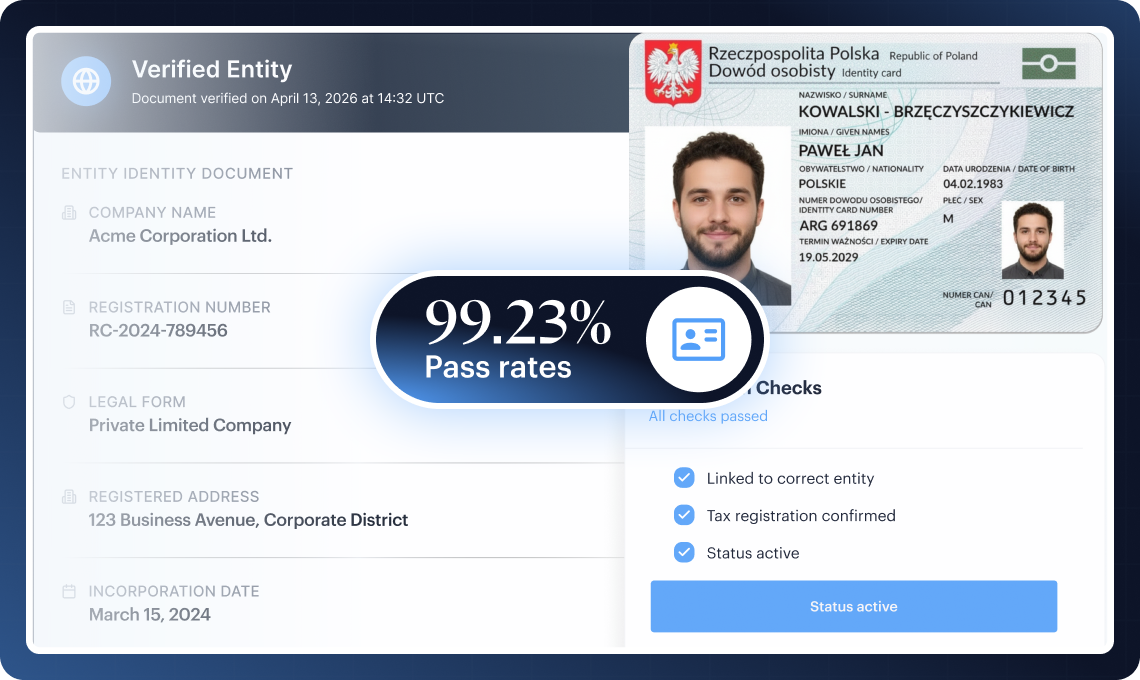
Operational performance for Poland KYC
Our Numbers Speak Volumes
99.23%
Pass rates
< 5 sec
Verification
Time
99%
EIDV
Coverage
Evidence-Ready Checks Across People & Businesses
Individual Documents We Verify
Shufti supports 18 Polish identity document types used in domestic and cross-border KYC.
View All Supported DocumentsNational ID Card
Primary identity document for Polish citizens resident in Poland. Shufti supports older and current card formats seen in onboarding and regulated domestic KYC checks.
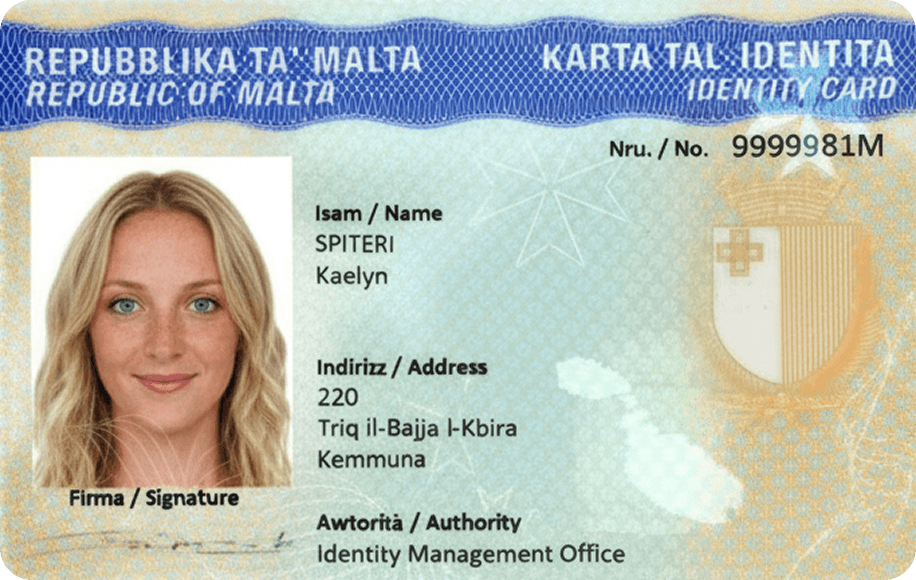
Passport
Polish biometric passport used for travel, fallback identity checks, and cross-border onboarding. MRZ and biographic fields support structured extraction and matching.
Driver’s Licence
EU-style photo licence used as supporting identity evidence. It helps confirm name and date of birth when a national ID is unavailable, but it is not the main KYC anchor.
Residence Permit
A residence card used by foreign residents in Poland. It supports identity and residence-status checks for non-citizens onboarding across financial, telecom, and employer-linked flows.
Temporary Residence Card
Commonly used by non-EU nationals living in Poland. It helps confirm identity and lawful temporary stay during its validity period in regulated onboarding journeys.
Including EU Blue Card
Covers residence-card cases issued under specific permit routes, including highly qualified work pathways. Used where residence basis affects onboarding risk or product eligibility.
mObywatel Digital ID
An official electronic identity document used in Poland, including in banks. It supports domestic identity proofing, but it is not a travel document and does not replace passports abroad.
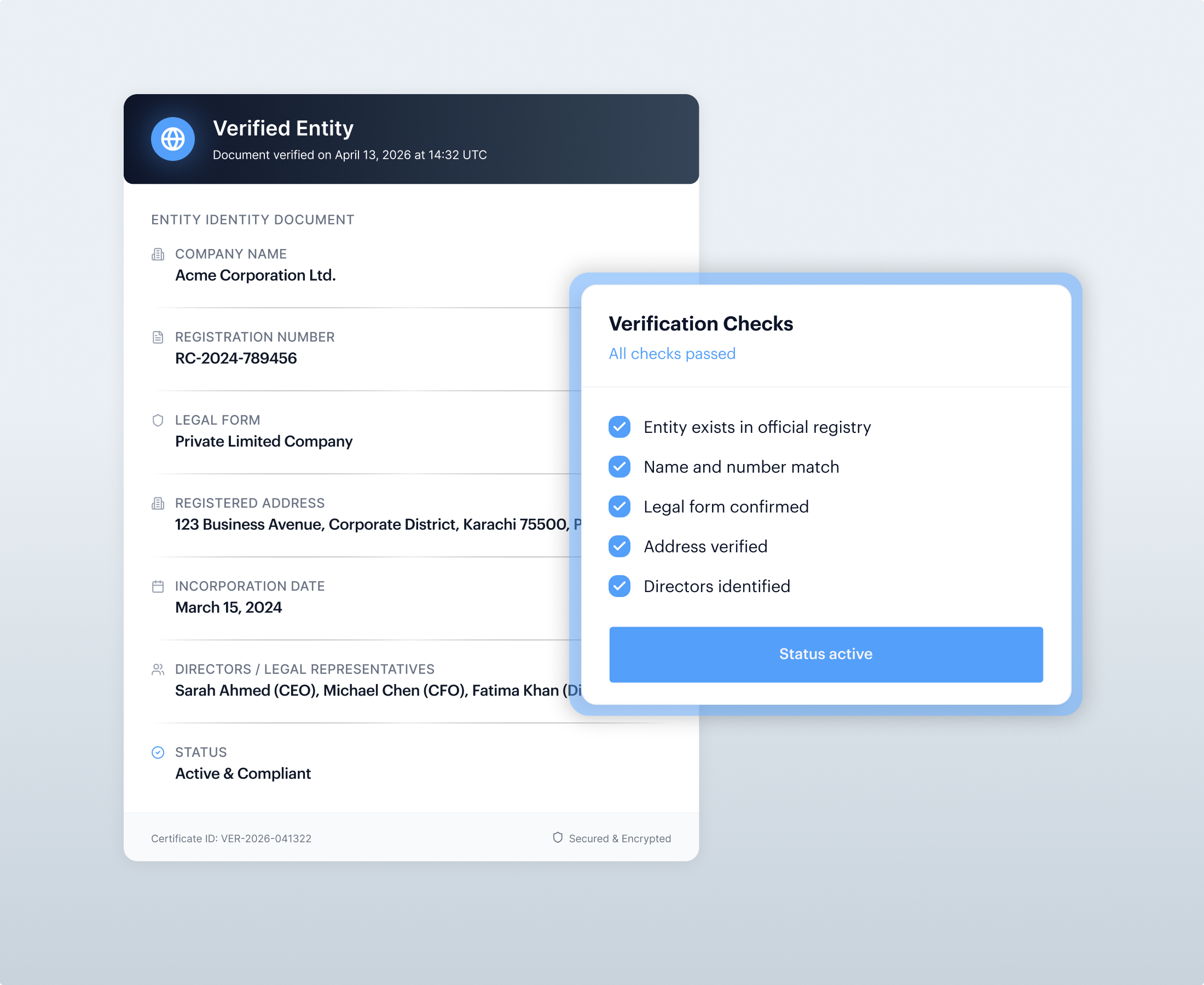
Business Entity Identity
KRS Extract
Court-verified extract for incorporated entities. Confirms legal name, registration status, legal form, address, directors, and other core facts used in Polish KYB checks.
CEIDG Record
Official record for sole traders and civil-law business activity. Used to confirm business identity, activity status, address, and proprietor details during onboarding.
Articles Or Constitutional Documents
Supporting corporate documents are used when registry data alone is not enough. They help confirm formation terms, governance structure, and authority rules in higher-risk reviews.
Business Tax Identity
NIP Certificate
Core tax identifier used in Polish business onboarding. Supports entity validation, tax registration checks, invoicing controls, and consistency across registry and screening records.
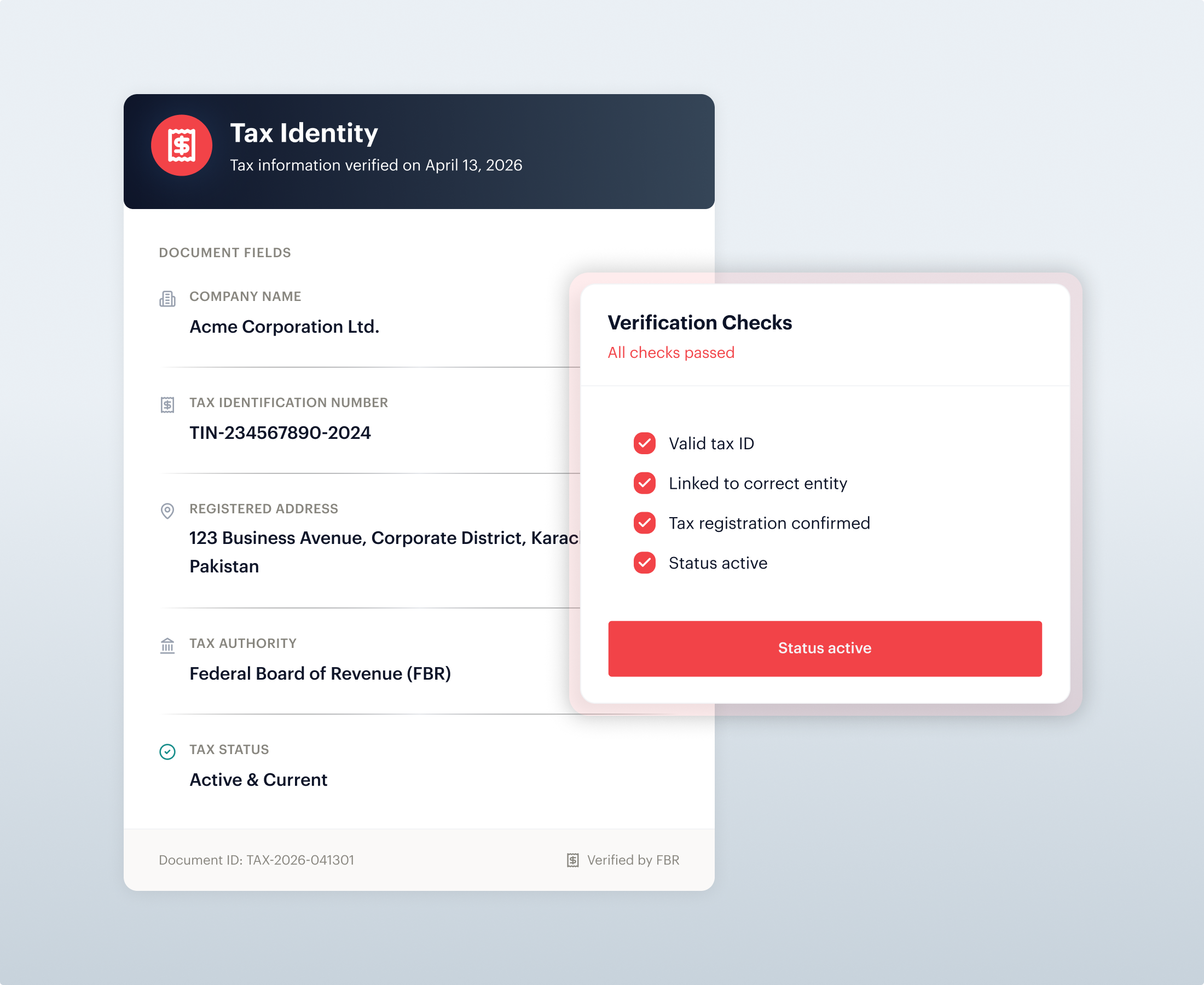
VAT Status Evidence
Used to confirm VAT registration and tax standing for active businesses. Helps validate counterparties, billing relationships, and cross-check tax identity during KYB reviews.
REGON Evidence
Official statistical business identifier used alongside NIP and registry data. Helps match business records across Polish databases and strengthens entity verification consistency.
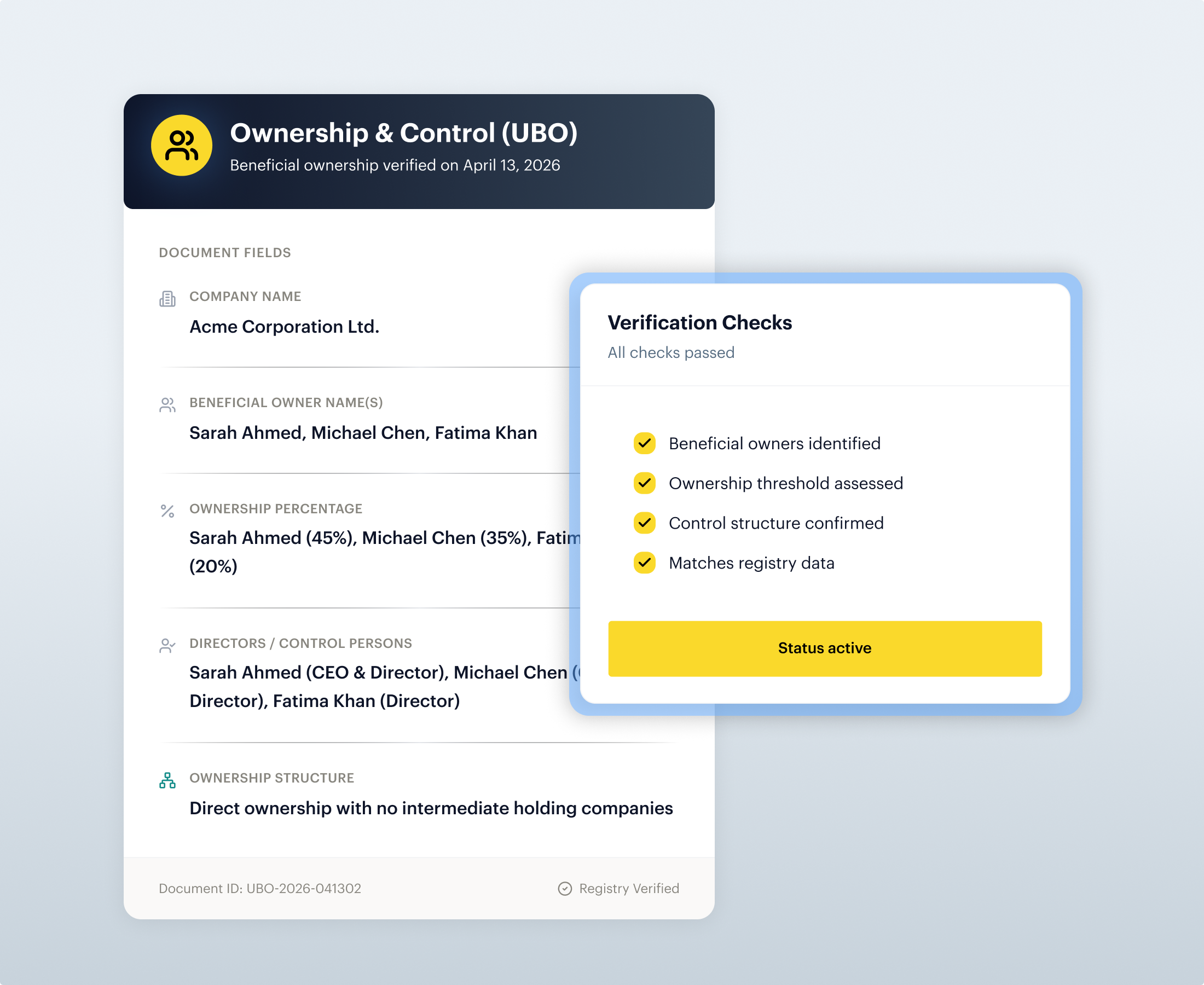
Ownership & Control (UBO)
CRBR Record
Official beneficial ownership register evidence used to identify UBOs. Supports control checks, but it should be corroborated with wider ownership and registry documentation.
Director And Shareholder Evidence
Used to confirm who manages or controls the entity. Supports authority checks, ownership mapping, and consistency reviews across KRS, CRBR, and internal onboarding data.
Self-Declaration Or Supporting Ownership Pack
Used where institutions need broader ownership evidence beyond registry data. Helps document control structure, indirect ownership, and rationale for higher-risk KYB decisions.
Languages We Cover
Document Text Handling
Polish identity documents use the Latin script with diacritics such as Ą, Ć, Ę, Ł, Ń, Ó, Ś, Ź, and Ż. Shufti captures these characters accurately and handles MRZ where applicable.
Name Matching Controls
Shufti normalises Polish spelling variants and diacritics for matching. It also handles hyphenated surnames, gendered variants, and Cyrillic-to-Latin transliteration in migrant records.
Evidence Consistency
Shufti links document data, selfie results, and screening records across steps. Original spelling is preserved for audit, while normalised variants support matching and review.
GOVERNANCE & CONTROLS
Audit-Ready Decisions, Lower Operational Drag
Fewer Re-Submissions On Polish IDs
NFC chip capture and document fallback reduce re-submissions from legacy devices.
Cleaner Audit Trails For KNF and GIIF Reviews
KNF and GIIF inspections satisfied: biometric, document, and CRBR evidence logged.
Accurate Polish Name Matching
Diacritic-aware matching prevents false rejections on Dowód Osobisty and CRBR names.
KYC, KYB, And AML In One Back Office
Face verification, UBO confirmation, and AML screening run together in one workflow.

Dowód Osobisty-First Verification Flow
Primary identity flow built on Dowód Osobisty NFC chip, with automatic fallback.
Poland IDV/KYC Challenges

CRBR Data Gaps
CRBR access restricted post-CJEU 2022 ruling; English support limited; complex UBO structures require cross-referencing articles of association.

NFC Fallback Friction
Legacy devices lack NFC; Polish ID card fallback to document-only verification increases re-submissions and adds manual review overhead.

Ukrainian Refugee Docs
Over 1.5 million Ukrainian refugees with temporary protection hold non-standard documents; Diia.pl digital permits require specific infrastructure.

EU AML Transposition Gaps
AMLD IV, V, VI transposition demands continuous adaptation; GIIF STR volumes rising; GDPR erasure conflicts with 5-year AML retention obligation.
Shufti’s IDV/KYC Solutions for Poland
KYC Solutions

Face Verification
Liveness-detected selfie matched against Dowód Osobisty photo. Anti-spoofing and biometric algorithms detect stolen-identity and multi-account fraud patterns.
.
Age Verification
Selfie-based age estimation confirmed via Dowód Osobisty or Karta Pobytu verification. Date of birth validated for gaming, alcohol, and financial eligibility.
.
Address Verification
Shufti verifies any address-bearing document. Polish utilities (PGE, Tauron, PGNiG) and banks (PKO Bank Polski, Bank Pekao, mBank) accepted as evidence.
.
Document Verification
Verify all 18 Polish document types including Dowód Osobisty NFC chip, Paszport biometric features, and Karta Pobytu. Diacritics captured and matched precisely.
.KYB Solutions

Business Verification
Verify Polish entities via KRS Extract, NIP, REGON, and CRBR beneficial owner records. Directors face-verified against official photographs and UBO thresholds.
.
Enhanced Due Diligence (EDD)
Trigger EDD for Polish high-risk entities including non-EU ownership and PEPs. CRBR discrepancies documented; evidence structured for GIIF and KNF audits.
.AML Screening

Business AML Screening
Screen Polish entities against PEP lists, EU Consolidated Sanctions List, UN Security Council lists, and Polish national sanctions list maintained by MSWIA.
.
Transaction Screening
Flag patterns meeting GIIF thresholds: suspicious activity and transactions above EUR 15,000. Real-time screening with automated STR generation in SI*GIIF.
.Built to Fit Poland's Compliance Landscape

Komisja Nadzoru Finansowego (KNF)
KNF supervises banks, capital markets, insurance, and payment institutions in Poland. Shufti's KYC logs and CRBR cross-references satisfy KNF inspection requirements.

Generalny Inspektor Informacji Finansowej (GIIF)
Poland's FIU receiving and analysing STRs and AML reports under the 2018 AML/CFT Act. Shufti integrates with SI*GIIF, pre-populates STR fields, and monitors EUR 15,000 thresholds.

Urząd Ochrony Danych Osobowych (UODO)
Poland's data protection authority enforcing RODO (GDPR), with fines up to EUR 20 million. Shufti applies Article 32 encryption and 5-year AML retention aligned to UODO guidance.

Narodowy Bank Polski (NBP)
Central bank overseeing monetary policy, payment systems, and AML governance in Poland. Shufti's transaction screening aligns with NBP payment system and AML standards.

Urząd Ochrony Konkurencji i Konsumentów (UOKiK)
Office of Competition and Consumer Protection enforcing competition law and consumer rights. Shufti's identity verification and fraud prevention controls support UOKiK expectations.

Krajowa Administracja Skarbowa (KAS)
National Revenue Administration for tax and customs administration across Poland. Shufti's NIP and REGON verification and business registration checks support KAS compliance.

Ministerstwo Spraw Wewnętrznych i Administracji (MSWIA)
Ministry of Interior and Administration controlling identity documents and Poland's sanctions list. Shufti integrates MSWIA sanctions into AML screening and KYC tiering workflows.
Deployment Choice
Available via Azure Poland Central (full region), Google Cloud Warsaw (full region), or AWS Local Zone Warsaw for in-country data residency requirements.
Regulatory Alignment
Aligned to RODO (Polish GDPR implementation) and AML/CFT Act recordkeeping obligations. UODO and GIIF enforce compliance; Article 6(1)(c) lawful basis applied.
Retention controls
Configurable retention and purge settings aligned to the 5-year minimum under Poland's AML/CFT Act of 2018. GDPR erasure requests deferred during retention.
Encryption posture
GDPR Article 32 encryption applied to personal and financial data in transit and at rest. AES-256 for stored data and TLS 1.2+ for data in transit connections.
Data Controls & Privacy for Poland
Poland AML Sources That Strengthen Decision

House of Representatives of Poland

Senate of the Republic of Poland

Financial Supervision Authority (KNF)

Ministry of Internal Affairs and Administration

Bird & Bird

Business Insider Polska

Gazeta Wyborcza

Rzeczpospolita
House of Representatives of Poland
Senate of the Republic of Poland
Financial Supervision Authority (KNF)
Ministry of Internal Affairs and Administration
Bird & Bird
Business Insider Polska
Gazeta Wyborcza
Rzeczpospolita
House of Representatives of Poland
Senate of the Republic of Poland
Financial Supervision Authority (KNF)
Ministry of Internal Affairs and Administration
Bird & Bird
Business Insider Polska
Gazeta Wyborcza
Rzeczpospolita
Frequently Asked Questions
What KYC documents are required in Poland for individuals?
Polish KYC requires Dowód Osobisty (national identity card, valid 10 years), Polish Passport, or Karta Pobytu for non-EU/EEA nationals. Each verified against issuing authority records or via NFC chip. Remote verification supported via mojeID digital identity confirmation and liveness-verified selfie.
What is the Anti Money Laundering Act in Poland and who must comply?
Poland's AML/CFT Act of 1 March 2018 transposed EU AML Directives IV, V, and VI. Obligated institutions include banks, payment firms, investment firms, insurers, real estate brokers, lawyers, notaries, accountants, crypto operators, and corporate service providers. Non-compliance incurs GIIF investigation and administrative penalties.
How does online identity verification work with Dowód Osobisty in Poland?
Online identity verification via Dowód Osobisty uses NFC/RFID chip reading via mojeID, facial biometric scan via eDO App with liveness detection, or QR code scanning within mObywatel. Non-NFC devices fall back to document-only verification with liveness-verified selfie matching. GDPR Article 32 encryption applies throughout.
What is KYB verification and why is it required in Poland?
KYB confirms Polish business entity legal status, beneficial ownership, and compliance fitness under the AML Act and KNF guidance. Process includes KRS Extract validation (legal capacity), NIP and REGON cross-reference, and CRBR Extract verification of beneficial owners with more than 25% control.
How does CRBR beneficial owner verification work for Polish companies?
CRBR is Poland's public beneficial ownership register operated by the Ministry of Finance. Companies declare ultimate beneficial owners with more than 25% control within 7-14 days of registration. Obligated institutions verify CRBR entries; discrepancies are documented. Non-registration penalties reach PLN 1,000,000.
What is the GIIF reporting system and when must suspicious transactions be reported?
GIIF operates SI*GIIF, an electronic STR reporting system. Obligated institutions report suspicious activity without delay and all transactions above EUR 15,000. GIIF acknowledges receipt within 7 days. Accounts may be frozen for 96 hours, extendable to 6 months by prosecutor order.
What is PESEL and how does it support KYC in Poland?
PESEL is Poland's 11-digit national identity number, unique per individual, encoding date of birth and gender. It appears on Dowód Osobisty, Paszport, and Prawo Jazdy. Shufti cross-references PESEL during identity verification to confirm consistency with official registries and detect identity theft or multi-accounting.
How do GDPR and AML data retention obligations interact in Poland?
GDPR Article 17 right to erasure does not apply during AML-mandated retention. Poland's AML/CFT Act requires 5-year retention of KYC documents and transaction records. GDPR Article 6(1)(c) provides lawful basis for AML processing. UODO enforces compliance; violations may incur fines up to EUR 20 million.
Can mDowód digital ID be used for remote KYC verification in Poland?
mDowód is a digital Dowód Osobisty stored on a smartphone, enabling QR code scanning for identity confirmation when the physical card is unavailable. It requires the mObywatel app and NFC capability. Shufti accepts mDowód during remote onboarding with liveness verification and NFC chip validation where available.
Build a Poland-ready KYC, KYB & AML programme with Shufti
INDEPENDENTLY AUDITED. GLOBALLY CERTIFIED.
Certified to Global Standards





PROVEN WORKFLOWS
Use Cases for Regulated Growth in Poland
Accelerate Growth, Eliminate Friction
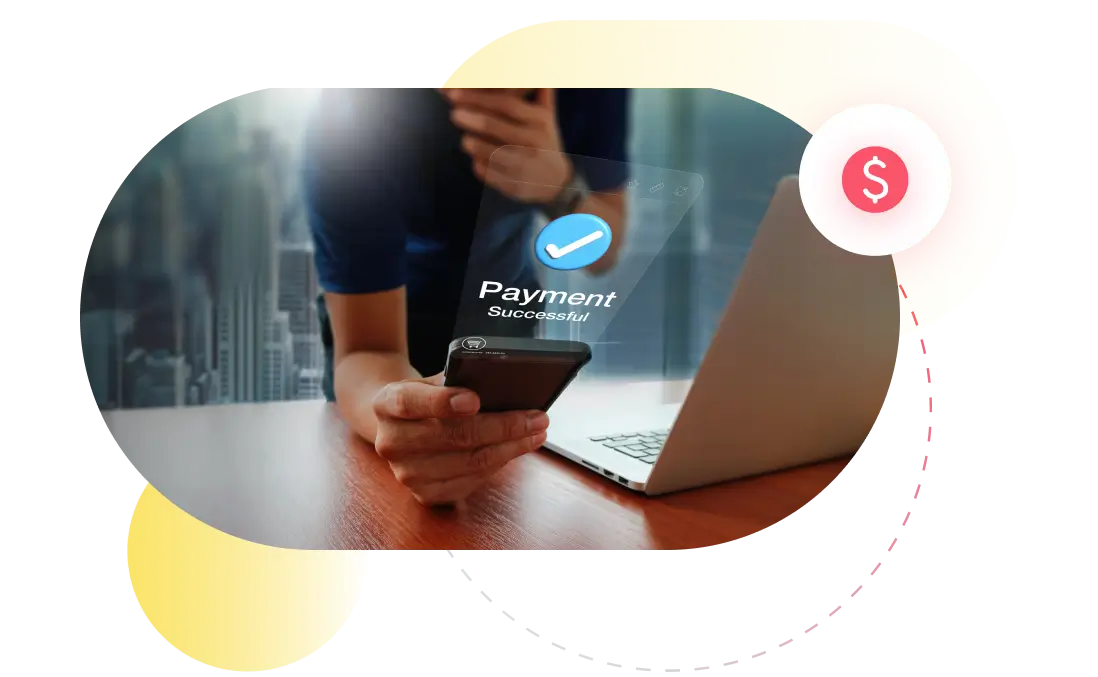
Onboard users in seconds, not days. Deploy tiered address verification flows that maximise completion rates for genuine users while filtering out synthetic fraud.

Onboard Global Traders in Real-Time
Verify investors across 250+ countries & territories. Ensure compliance with international financial regulations while preventing identity theft and high-risk chargebacks.



Secure Trust at Every Transaction
Automate KYC and AML workflows to reduce manual onboarding costs. Strengthen residency checks while delivering the frictionless digital experience modern customers expect.

Power a Fair & Secure Player Experience
Reduce bonus abuse and multi-accounting rings at the door. Enforce location rules and trigger step-up checks without disrupting the player journey.



Build a Trusted, Verified Workforce
Screen freelancers and drivers at scale. Verify residency and reduce onboarding friction while maintaining trust between users.


Scale Your Exchange with Confidence
Balance anonymity with compliance. Instantly verify user jurisdiction to meet Travel Rule obligations and help stop abuse without slowing down legitimate trading volume.



Reduce fraud without blocking growth
Shufti supports marketplace integrity by verifying seller and buyer identities, enabling age-gated journeys where needed, and preserving evidence to support investigations, disputes and risk-led enforcement actions.




Accelerate Growth, Eliminate Friction
Onboard users in seconds, not days. Deploy tiered address verification flows that maximise completion rates for genuine users while filtering out synthetic fraud.
Onboard Global Traders in Real-Time
Verify investors across 250+ countries & territories. Ensure compliance with international financial regulations while preventing identity theft and high-risk chargebacks.
Secure Trust at Every Transaction
Automate KYC and AML workflows to reduce manual onboarding costs. Strengthen residency checks while delivering the frictionless digital experience modern customers expect.
Power a Fair & Secure Player Experience
Reduce bonus abuse and multi-accounting rings at the door. Enforce location rules and trigger step-up checks without disrupting the player journey.
Build a Trusted, Verified Workforce
Screen freelancers and drivers at scale. Verify residency and reduce onboarding friction while maintaining trust between users.
Scale Your Exchange with Confidence
Balance anonymity with compliance. Instantly verify user jurisdiction to meet Travel Rule obligations and help stop abuse without slowing down legitimate trading volume.
Reduce fraud without blocking growth
Shufti supports marketplace integrity by verifying seller and buyer identities, enabling age-gated journeys where needed, and preserving evidence to support investigations, disputes and risk-led enforcement actions.
Accelerate Growth, Eliminate Friction
Onboard users in seconds, not days. Deploy tiered address verification flows that maximise completion rates for genuine users while filtering out synthetic fraud.
Onboard Global Traders in Real-Time
Verify investors across 250+ countries & territories. Ensure compliance with international financial regulations while preventing identity theft and high-risk chargebacks.
Secure Trust at Every Transaction
Automate KYC and AML workflows to reduce manual onboarding costs. Strengthen residency checks while delivering the frictionless digital experience modern customers expect.
Power a Fair & Secure Player Experience
Reduce bonus abuse and multi-accounting rings at the door. Enforce location rules and trigger step-up checks without disrupting the player journey.
Build a Trusted, Verified Workforce
Screen freelancers and drivers at scale. Verify residency and reduce onboarding friction while maintaining trust between users.
Scale Your Exchange with Confidence
Balance anonymity with compliance. Instantly verify user jurisdiction to meet Travel Rule obligations and help stop abuse without slowing down legitimate trading volume.
Reduce fraud without blocking growth
Shufti supports marketplace integrity by verifying seller and buyer identities, enabling age-gated journeys where needed, and preserving evidence to support investigations, disputes and risk-led enforcement actions.
Let’s Tailor your journey
Just a few quick questions to guide your Shufti experience.

Shufti
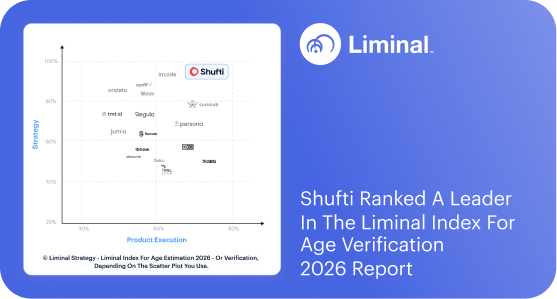
Market Positioning and Commercial Assessment

Industry stands at 1.7rating
Best ID Verification Innovator

TOP 10 KYC Solution Provider
Best Client Onboarding Solution

Samer Al Tamimi@CEO of Safwa Bank
We take our client's privacy very seriously and always look for new innovative solutions to ensure a safe banking experience. Working with Shufti feels like a breath of fresh air, as their 100% in-house tech keeps our customer's data free from vulnerabilities and fully safe and protected.


PROVEN PLAYBOOKS
Explore Practical KYC & AML Resources
16 August, 2025
5 minutes read
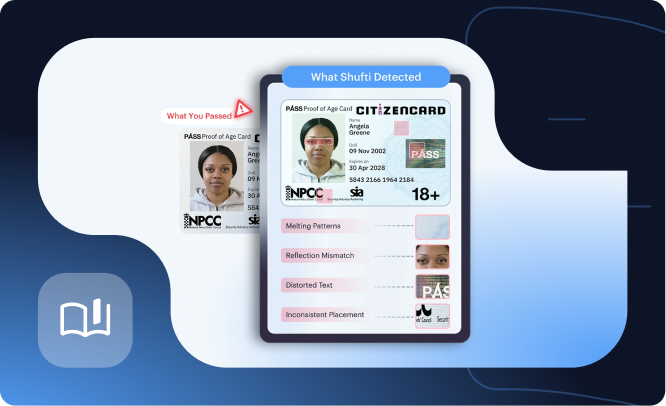
How Much of What You’ve Verified Is Actually Real?
Shufti’s Deepfake Blindspot Audit now runs fully inside your AWS environment, auditing historic KYC for manipulation signals without moving sensitive data off-prem.
whitepapers