








 AMLR Solutions
  AMLR Consultation
 EUDI Wallet
 Onboarding
 Ongoing Monitoring
 FRAML
FRAML KYC
KYC KYB
KYB KYI
KYI Age Assurance
 Workforce IAM
 Candidate Verification
 Account Takeover
 Bonus/ Promotion Abuse
 Chargeback Fraud
 Deepfake
 Document Fraud
 Fraud Networks
 Impersonation Fraud
 Money Mule Activity
 Multi-Accounting
 Party Fraud
 Regulatory & Compliance Risks
 Synthetic Identity Fraud
 Adult Content
 Banking
 Crypto
 Fintech
 Forex
Forex Compliance
 Fraud prevention
 Trust & safety
 Global expansion
 Compliance Officers
 Developers
 Fraud Analysts
 Product Managers
 Journey Builder
  Global Trust Platform
 Customer Profiles
 Vendor Comparison
 IDV Case Management
 AML Case Management
 Regulatory Reporting
 Agentic Rule Builder
  AI Compliance Co-Pilot
  Fraud Analytics
 Fraud Hub
  OCR
OCR Shufti AI
 Bank Account Verification
  Biometric Duplication
 Database Checks
 Document Intelligence
 Government ID
 Mobile Driver's License
 NFC
NFC Selfie Liveness
 Brand Personalisation
 Deployment Options
 Identity Methods
 IDV Modes
 Multi-tenancy
 On-Premise IDV
 Secure Capture
 Shufti MCP


- Australia
- Austria
- Bangladesh
- Belgium
- Brazil
- Bulgaria
- Canada
- China
- Croatia
- Cyprus
- Czech Republic
- Denmark
- Egypt
- Estonia
- Eswatini
- Ethiopia
- Finland
- France
- Germany
- Greece
- Haiti
- Hong Kong
- Hungary
- India
- Iraq
- Ireland
- Indonesia
- Italy
- Japan
- Jordan
- Kazakhstan
- Kenya
- Kosovo
- Kuwait
- Latvia
- Lithuania
- Luxembourg
- Malaysia
- Malta
- Mauritius
- Mexico
- Micronesia
- Moldova
- Mongolia
- Montenegro
- Morocco
- Mozambique
- Myanmar
- Namibia
- Nauru
- Nepal
- Nigeria
- Nicaragua
- Niue
- Norway
- Netherlands
- New Zealand
- Oman
- Pakistan
- Palau
- Palestine
- Panama
- Papua New Guinea
- Paraguay
- Peru
- Puerto Rico
- Philippines
- Portugal
- Poland
- Qatar
- Republic of Congo
- Romania
- Russia
- Rwanda
- Samoa
- San Marino
- Senegal
- Serbia
- Seychelles
- Sierra Leone
- Singapore
- Slovakia
- Slovenia
- Somalia
- South Africa
- South Korea
- South Sudan
- Spain
- Sri Lanka
- St Kitts and Nevis
- St Maarten
- St Lucia
- Sweden
- Switzerland `
- Syria
- Taiwan
- Tajikistan
- Tanzania
- Thailand
- Timor Leste
- Togo
- Tonga
- Trinidad and Tobago
- Turkey
- Turks and Caicos
- Turkmenistan
- Tunisia
- Tuvalu
- Uganda
- Ukraine
- UK
- USA
- Vietnam
Egypt
Identity Verification & KYC For Egypt
Shufti delivers Know Your Customer (KYC), Know Your Business (KYB), and Anti-Money Laundering (AML) solutions aligned to Egypt's Central Bank of Egypt (CBE), EMLCU, and Law No. 80 of 2002.
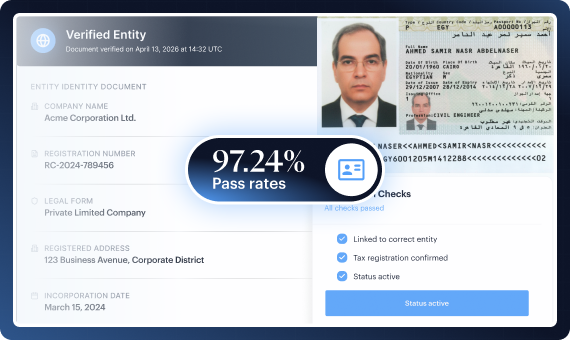
Operational performance for Egypt KYC
Our Numbers Speak Volumes
97.24%
Pass Rates
< 5 sec
Verification
Time
240+
Countries and
territories covered
Evidence-Ready Checks Across People & Businesses in Egypt
Individual Documents We Verify
Shufti supports 4 Egyptian document types.
View All Supported DocumentsEgyptian National ID Card (Bataqa al-Huwiya al-Wataniyya)
Government-issued primary identity document for Egyptian citizens aged 16 and above; exclusively Arabic script with 14-digit national identification number; mandatory for KYC.
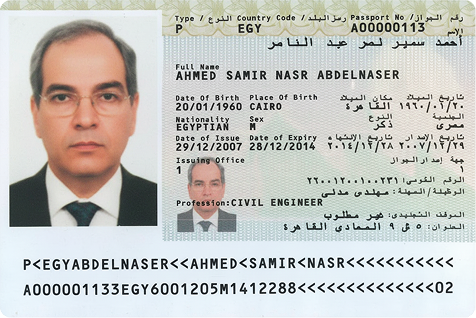
Egyptian Passport
Bilingual identity document issued by Ministry of Interior; contains both Arabic and English text; internationally recognised and accepted for cross-border and financial onboarding.
Egyptian Driver's Licence
Government-issued driving credential; new electronic version introduced in 2024 includes optional English transliteration in addition to Arabic; accepted for KYC.
Egyptian Residence Permit (for foreign nationals)
Government-issued identity credential for foreign nationals residing in Egypt; contains biometric identifiers and regulatory identity data; used for KYC of foreign individuals.
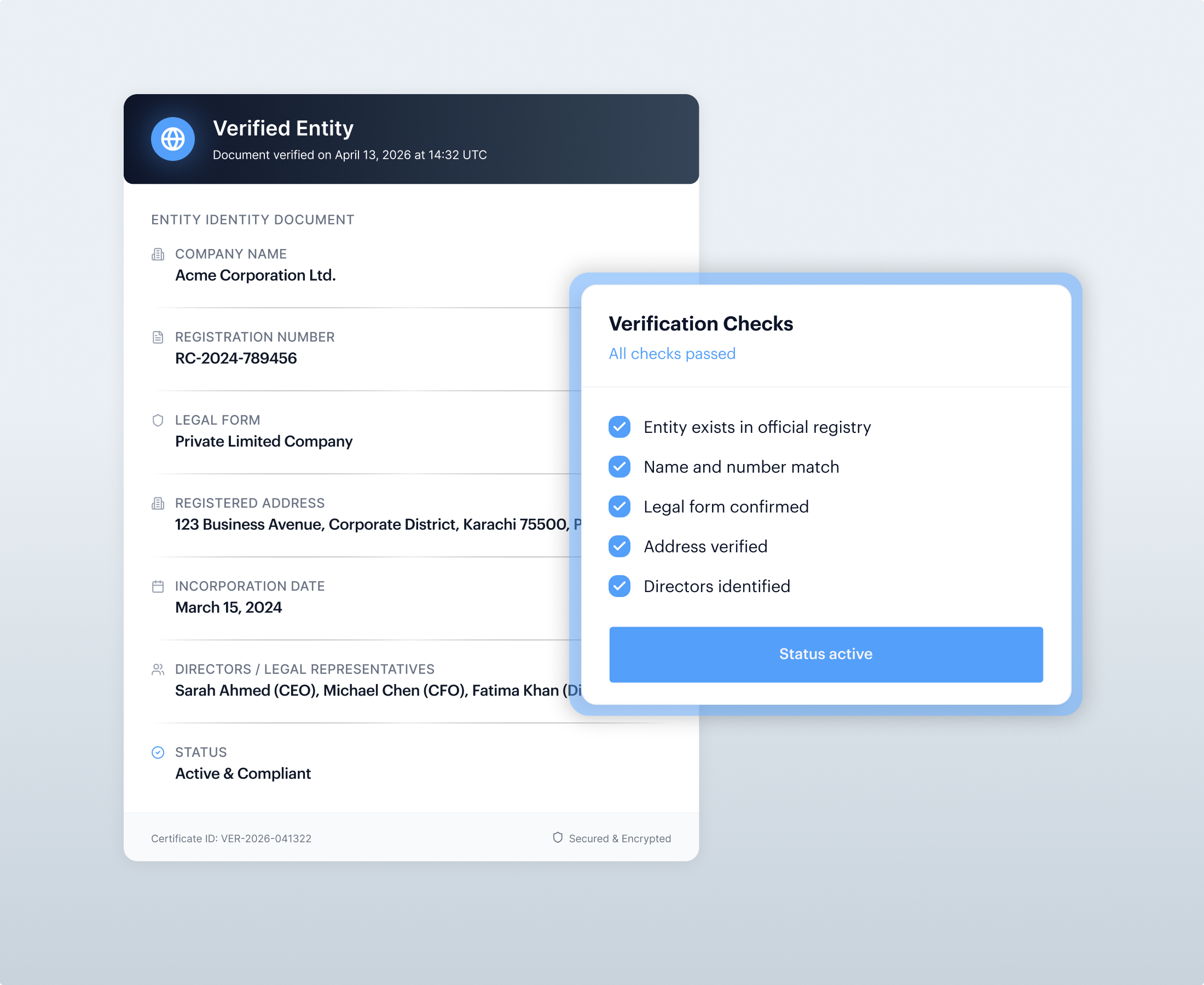
Business Entity Identity
Certificate of Commercial Registration (from GAFI/ITDA)
Government-issued document confirming company registration and legal status through the General Authority for Investment and Free Zones or Internal Trade Development Authority.
Commercial Registry Certificate
Official record maintained by regional commercial registries; contains company name, type, registration date, director names, capital structure, and business activities.
Articles of Association / Founding Contract
Corporate governance document establishing company constitution, internal rules, share capital authorisation, and shareholder rights; filed with commercial registry.
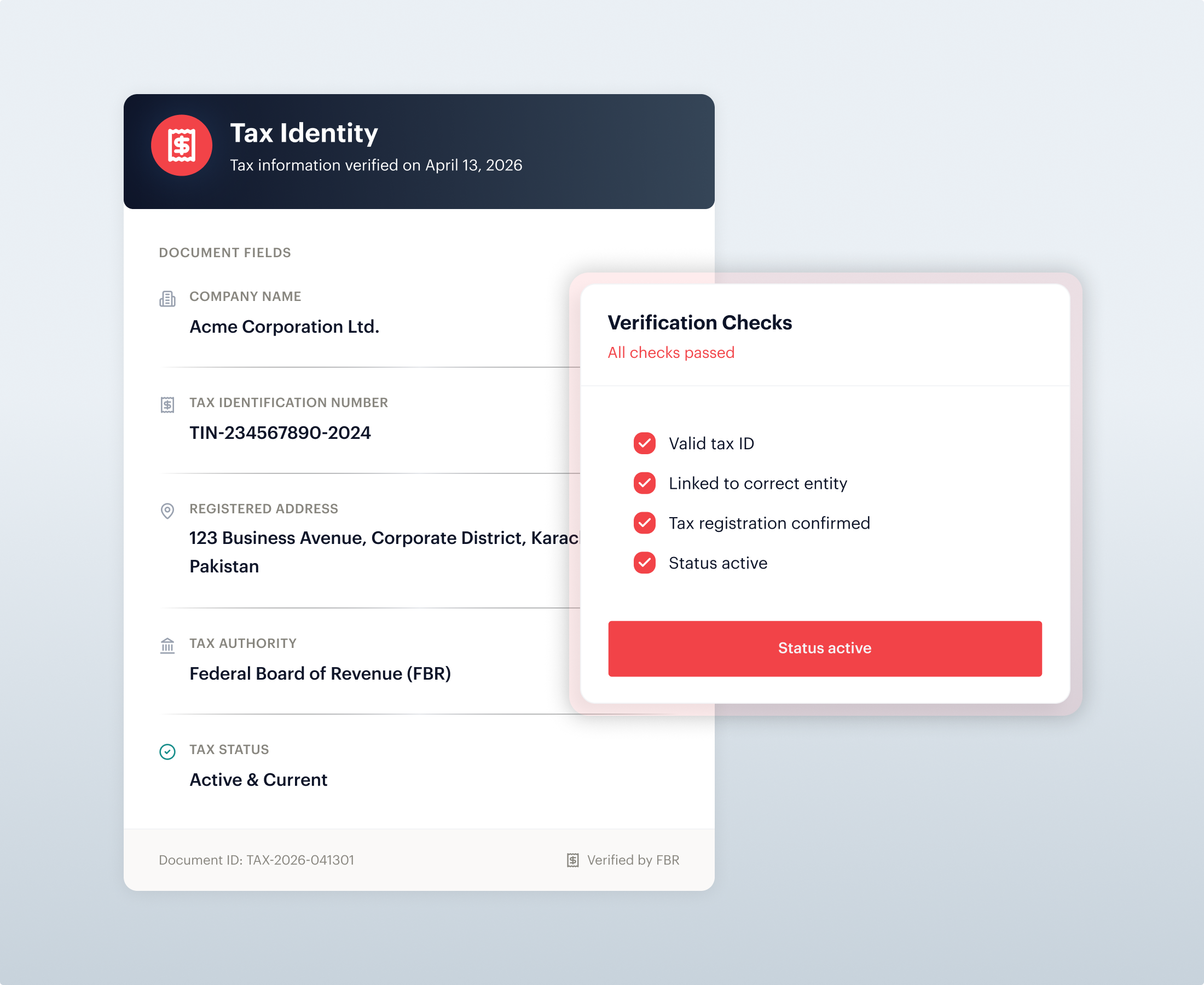
Business Tax Identity
Tax Registration Certificate (Tax ID / TIN from Egyptian Tax Authority)
Government-issued credential from ETA confirming tax registration; mandatory for businesses exceeding EGP 500,000 annual turnover; used for KYB verification.
VAT Registration Certificate
Tax authority-issued document confirming Value Added Tax registration; issued separately to businesses meeting VAT threshold; supports tax compliance verification.
Ownership & Control (UBO)
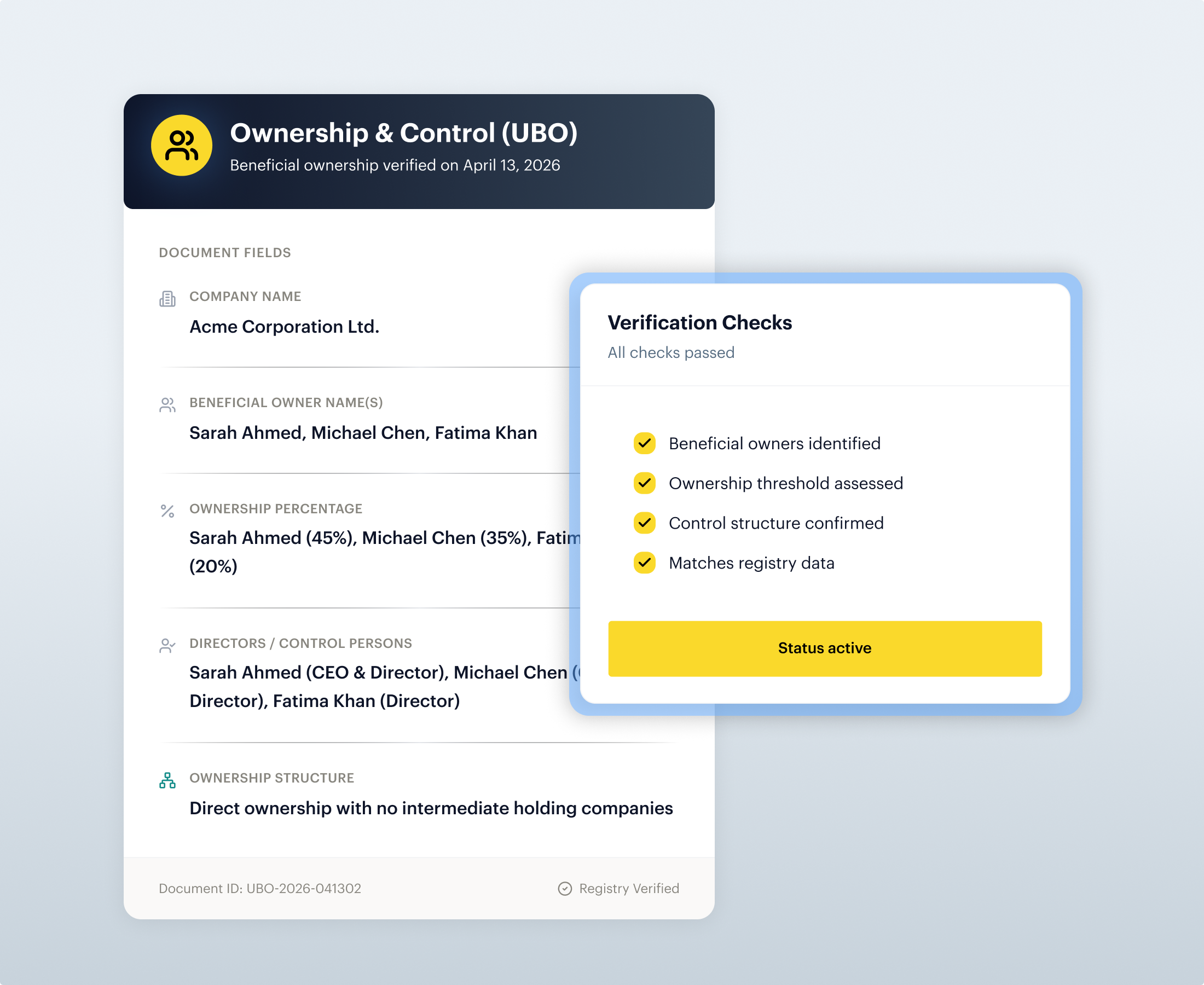
Beneficial Owner Register (per Ministerial Decree 41/2020; 25%+ threshold)
Statutory register companies must maintain identifying beneficial owners holding 25 per cent or more of shares or voting rights; retention requirement extends five years post-deregistration.
Shareholder Register / Ownership Structure Chart
Company-maintained record listing shareholder names, ownership percentages, and capital contributions; used to identify controlling persons and verify corporate structure.
Board Resolution / Director Registry
Corporate governance document naming directors and officers; used to identify controlling persons and management structure; filed with commercial authority.
Languages We Cover
Arabic-Only National ID Handling
Egyptian National ID cards use exclusively Arabic script; Shufti's capture and OCR systems handle right-to-left Arabic text, security features, and microprinting common to Arabic documents.
Name Transliteration Controls
Arabic names transliterate inconsistently across documents; Mohamed, Mohammed, and Muhammad refer to the same person but create system mismatches. Shufti controls match variants across KYC steps.
Evidence Consistency Across CDD Steps
Identity data from National ID, passport, and business registration documents are reconciled across KYC steps to detect discrepancies and ensure consistency in customer due diligence workflows.
GOVERNANCE & CONTROLS
Audit-Ready Decisions, Lower Operational Drag
Fewer Avoidable Re-Submissions
Arabic-only National ID capture requires specialised OCR; Shufti's Arabic document handling reduces rejections and manual resubmission.
Cleaner Audit Trails
CBE and EMLCU audit examinations require structured case files; Shufti produces retrievable, timestamped KYC and AML decision records.
Better Name Matching Outcomes
Arabic name transliteration variations create false positives in sanctions screening; Shufti's matching logic handles Mohamed/Mohammed variants without manual review.
One Workflow, One Back Office
Egypt's multi-regulator environment requires KYC, KYB, and AML in one system; Shufti consolidates individual and corporate verification in unified case management.

National ID-First Flow Design
Egyptian National ID is the primary identity document; Shufti optimises capture and verification workflows to use National ID as entry point.
Egypt IDV/KYC Challenges

Arabic Script & OCR Complexity
Arabic-only National ID documents require specialised OCR; Latin-script systems achieve lower accuracy on Arabic microprinting, security features, and right-to-left text orientation.

Name Transliteration Variance
Same individual appears as Mohamed, Mohammed, or Muhammad across documents; government records lack transliteration standards; automated matching flags legitimate customers as duplicates.

Informal Economy Document Gaps
Approximately 35-40% of Egypt's economic activity occurs outside formal systems; self-employed workers lack formal documentation; KYC verification fails without registered business records.

Address Verification Gaps
Egypt lacks standardised address formats outside major cities; informal settlements use proximity descriptions instead of postal codes; utility bills often unavailable outside urban areas.
Shufti's IDV/KYC Solutions for Egypt
KYC Solutions

Face Verification
Biometric liveness detection combined with document-based identity corroboration; reduces impersonation and synthetic identity fraud common to high-volume Egyptian fintech onboarding.
.
Age Verification
Selfie-based age estimation with document verification fallback for regulated products; supports age-gated services and compliance with Egypt's consumer protection requirements.
.
Address Verification
Document-based address verification against government utility providers and banks. Shufti supports EEHC, Orange Egypt, Vodafone Egypt, National Bank of Egypt, and Banque Misr provider verification.
.
Document Verification
Supports Egyptian National ID, passport, driver's licence, and residence permit verification; handles Arabic-script documents, security features, and machine-readable zones.
.KYB Solutions

Business Verification
Validates entity status via GAFI/ITDA registry data; corroborates Tax ID and beneficial owner information consistent with Ministerial Decree 41/2020 UBO register requirements.
.
Enhanced Due Diligence (EDD)
Risk-based escalation workflows for high-risk entities, politically exposed persons, and cross-border exposure; produces audit trails aligned to EMLCU and CBE examination expectations.
.AML Screening

Business AML Screening
Screens entities and controlling persons against EMLCU lists, UN Security Council consolidated lists, and global sanctions and watchlists to prevent shell company onboarding.
.
Transaction Monitoring
Ongoing monitoring aligned to CBE requirements; supports suspicious transaction reporting via goAML platform operated by Egyptian Money Laundering and Terrorist Financing Combating Unit.
.Built to Fit Egypt's Compliance Landscape

Central Bank of Egypt (CBE)
Supervises banking system soundness, monetary policy, and AML/CFT compliance for financial institutions. Shufti integrates CBE examination standards and recordkeeping obligations. Official Website: https://www.cbe.org.eg

Egyptian Money Laundering and Terrorist Financing Combating Unit (EMLCU)
Operates the goAML platform for suspicious transaction analysis and dissemination. Shufti transaction monitoring and reporting workflows integrate with mandatory goAML reporting obligations. Official Website: https://www.cbe.org.eg/en/aml-cft/egyptian-fiu

Financial Regulatory Authority (FRA)
Supervises capital markets, insurance, and non-banking financial institutions under AML/CFT regime. Shufti aligns to FRA business verification and beneficial owner requirements. Official Website: https://fra.gov.eg

Egyptian Tax Authority (ETA)
Issues Tax Identification Numbers (TIN) and administers tax compliance for businesses exceeding EGP 500,000 annual turnover threshold. Shufti integrates TIN validation into business verification. Official Website: https://www.eta.gov.eg

Personal Data Protection Centre (PDPC)
Enforces Law No. 151 of 2020 on personal data protection, encryption, and access controls. Shufti's AES-256 encryption and access logging align to PDPC technical requirements. Official Website: https://www.mcit.gov.eg

General Authority for Investment and Free Zones (GAFI)
Maintains the Commercial Registry and beneficial owner register under Ministerial Decree 41/2020. Shufti integrates registry checks and UBO verification into automated KYB workflows. Official Website: https://www.investinegypt.gov.eg

Ministry of Interior (MOI)
Issues National ID cards and manages civil status records for document authenticity verification. Shufti's Arabic document OCR and security feature verification align to MOI standards. Official Website: https://www.moiegypt.gov.eg
Cloud Deployment Options
AWS nearest region is Middle East (UAE); Azure and GCP operate via UAE and Qatar; on-premise deployment available for entities requiring data residency within Egypt.
Regulatory Alignment
Compliant with Law No. 151 of 2020 (Personal Data Protection Law) and Banking Law No. 194 of 2020 CBE recordkeeping obligations for secure customer data management.
Retention Controls
AML Law No. 80 of 2002 mandates five-year minimum retention for all KYC records, transaction data, and beneficial owner documentation post-relationship termination.
Encryption & Data Security
AES-256 encryption applied to personal and financial data at rest and in transit; TLS 1.2+ for all data transmission; aligned to Law No. 151 technical security requirements.
Data and Privacy Controls in Egypt
Egypt AML Sources That Strengthen Decision

Egyptian Anti-Money Laundering and Terrorist Financing Unit - Security Council lists

Egypt Ministry of Justice

Ahram Online

Egypt Independent

Al-Ahram
Frequently Asked Questions
What are the KYC requirements for businesses in Egypt?
All regulated financial institutions and fintechs must verify customer identity, assess customer risk, identify beneficial owners holding 25 per cent or more of shares, conduct ongoing transaction monitoring, and report suspicious activity via goAML platform.
What documents are required for identity verification in Egypt?
Primary documents are Egyptian National ID Card (government-issued, Arabic script), Egyptian Passport (bilingual), and Electronic Driver's Licence. Supporting documents for address verification include utility bills from EEHC, Orange Egypt, Vodafone Egypt, and bank statements.
How do banks conduct customer due diligence in Egypt?
Banks must collect customer identification data, verify identity using documentary evidence or biometric verification, assess transaction risk, obtain beneficial owner information for corporate clients, and monitor transactions for suspicious activity aligned to Law No. 80 of 2002.
What is the beneficial owner register (UBO) requirement in Egypt?
Ministerial Decree 41/2020 requires all Egyptian companies to maintain a Beneficial Owner Register identifying individuals holding 25 per cent or more of shares or voting rights. Beneficial owner information must be retained throughout company registration plus five years post-deregistration.
How does EMLCU's goAML platform work for AML reporting?
goAML is a mandatory reporting system operated by the Egyptian Money Laundering and Terrorist Financing Combating Unit. Regulated entities must file suspicious transaction reports through goAML using standardised XML data exchange. System was implemented in 2022 and enables rapid analysis of suspicious activity.
What are the penalties for AML compliance failures in Egypt?
Failure to comply with Law No. 80 of 2002 results in administrative fines and criminal penalties including imprisonment of six or more months. Non-compliance with goAML reporting, KYC, or beneficial owner register requirements incurs escalating penalties enforced by CBE, EMLCU, and FRA.
Can fintech companies use video KYC for customer onboarding in Egypt?
Video KYC is permitted under Egyptian regulations if supported by documentary verification of identity and address. Fintech startups must meet CBE Decree 161/2024 digital identity verification requirements and maintain audit trails demonstrating regulatory compliance.
How long must KYC records be retained under Egyptian law?
AML Law No. 80 of 2002 requires minimum five-year retention of all KYC records, transaction histories, and beneficial owner documentation post-relationship termination. Beneficial owner registers must be retained five years after company deregistration.
Build a Egypt-ready KYC, KYB & AML programme with Shufti
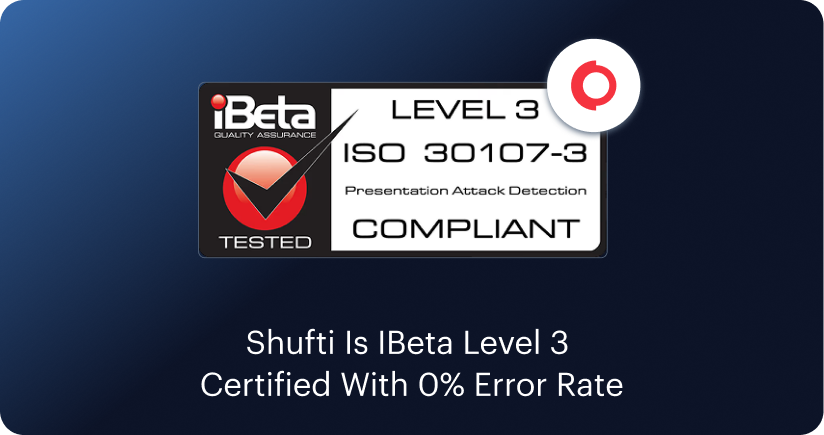
INDEPENDENTLY AUDITED. GLOBALLY CERTIFIED.
Certified to Global Standards






PROVEN WORKFLOWS
Use Cases for Regulated Growth in Egypt
Reduce Fraud Without Blocking Growth
Shufti supports marketplace integrity by verifying seller and buyer identities, enabling age-gated journeys where needed, and preserving evidence to support investigations, disputes, and risk-led enforcement actions.




Secure Trust at Every Transaction
Automate KYC and AML workflows to reduce manual onboarding costs. Strengthen residency checks while delivering the frictionless digital experience modern customers expect.

Scale Your Exchange with Confidence
Balance anonymity with compliance. Instantly verify user jurisdiction to meet Travel Rule obligations and help stop abuse without slowing down legitimate trading volume.



Accelerate Growth, Eliminate Friction
Onboard users in seconds, not days. Deploy tiered address verification flows that maximise completion rates for genuine users while filtering out synthetic fraud.


Onboard Global Traders in Real-Time
Verify investors across 240+ countries & territories. Ensure compliance with international financial regulations while preventing identity theft and high-risk chargebacks.



Power a Fair & Secure Player Experience
Reduce bonus abuse and multi-accounting rings at the door. Enforce location rules and trigger step-up checks without disrupting the player journey.



Build a Trusted, Verified Workforce
Screen freelancers and drivers at scale. Verify residency and reduce onboarding friction while maintaining trust between users.



Let’s Tailor your journey
Just a few quick questions to guide your Shufti experience.

Shufti
Market Positioning and Commercial Assessment

Industry stands at 1.7rating

Best ID Verification Innovator

TOP 10 KYC Solution Provider
Best Client Onboarding Solution

Samer Al Tamimi@CEO of Safwa Bank
We take our client's privacy very seriously and always look for new innovative solutions to ensure a safe banking experience. Working with Shufti feels like a breath of fresh air, as their 100% in-house tech keeps our customer's data free from vulnerabilities and fully safe and protected.


PROVEN PLAYBOOKS
Explore Practical KYC & AML Resources
16 August, 2025
5 minutes read
How Much of What You’ve Verified Is Actually Real?
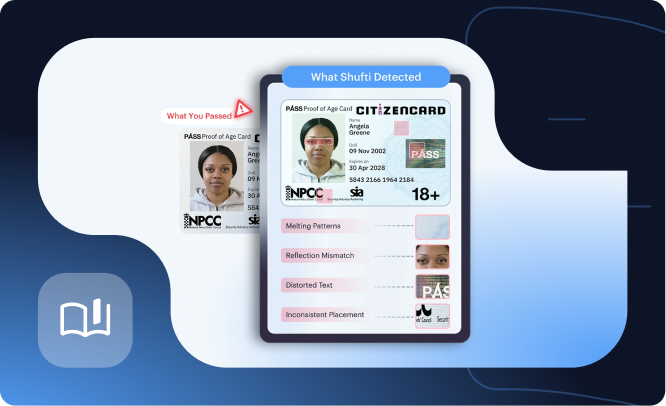
Shufti’s Deepfake Blindspot Audit now runs fully inside your AWS environment, auditing historic KYC for manipulation signals without moving sensitive data off-prem.
whitepapers