












- Afghanistan
- Albania
- Algeria
- Andorra
- Angola
- Argentina
- Armenia
- Australia
- Austria
- Azerbaijan
- Bahamas
- Bahrain
- Bangladesh
- Barbados
- Belarus
- Belgium
- Belize
- Bhutan
- Bolivia
- Bosnia and Herzegovina
- Botswana
- Brazil
- British Virgin Islands
- Brunei
- Bulgaria
- Burundi
- Cambodia
- Cameroon
- Canada
- Cape Verde
- Cayman Islands
- Chad
- Chile
- China
- Colombia
- Costa Rica
- Croatia
- Curaçao
- Cyprus
- Czech Republic
- Denmark
- Djibouti
- Dominica
- Dominican Republic
- Ecuador
- Egypt
- El Salvador
- Estonia
- Eswatini
- Ethiopia
- Faroe Islands
- Fiji
- Finland
- France
- French Polynesia
- Gabon
- Gambia
- Georgia
- Germany
- Ghana
- Greece
- Guam
- Guatemala
- Guernsey
- Guinea
- Guyana
- Haiti
- Honduras
- Hong Kong
- Hungary
- Iceland
- India
- Iraq
- Ireland
- Indonesia
- Isle of Man
- Italy
- Japan
- Jordan
- Kazakhstan
- Kenya
- Kosovo
- Kuwait
- Latvia
- Lithuania
- Luxembourg
- Malaysia
- Malta
- Mauritius
- Mexico
- Micronesia
- Moldova
- Monaco
- Mongolia
- Montenegro
- Morocco
- Mozambique
- Myanmar
- Namibia
- Nauru
- Nepal
- Nigeria
- Nicaragua
- Niue
- Norway
- Netherlands
- New Zealand
- Oman
- Pakistan
- Palau
- Palestine
- Panama
- Papua New Guinea
- Paraguay
- Peru
- Puerto Rico
- Philippines
- Portugal
- Poland
- Qatar
- Republic of Congo
- Romania
- Russia
- Rwanda
- Samoa
- San Marino
- Saudi Arabia
- Senegal
- Serbia
- Seychelles
- Sierra Leone
- Singapore
- Slovakia
- Slovenia
- Somalia
- South Africa
- South Korea
- South Sudan
- Spain
- Sri Lanka
- St Kitts and Nevis
- St Maarten
- St Lucia
- Suriname
- Sweden
- Switzerland `
- Syria
- Taiwan
- Tajikistan
- Tanzania
- Thailand
- Timor Leste
- Togo
- Tonga
- Trinidad and Tobago
- Turkey
- Turks and Caicos
- Turkmenistan
- Tunisia
- Tuvalu
- UAE
- Uganda
- Ukraine
- UK
- Uruguay
- USA
- Uzbekistan
- Vanuatu
- Venezuela
- Vietnam
- Yemen
- Zambia
- Zimbabwe
Scale Identity Verification and KYC Operations in French Polynesia
Verify residents and visitors through CNI and passport NFC chip checks and 10,000+ foreign ID document types, run KYB on RCS-registered companies and their beneficial owners, and monitor transactions and sanctions lists. One platform runs compliance and fraud prevention across the full customer lifecycle for ACPR- and AMF-supervised firms.
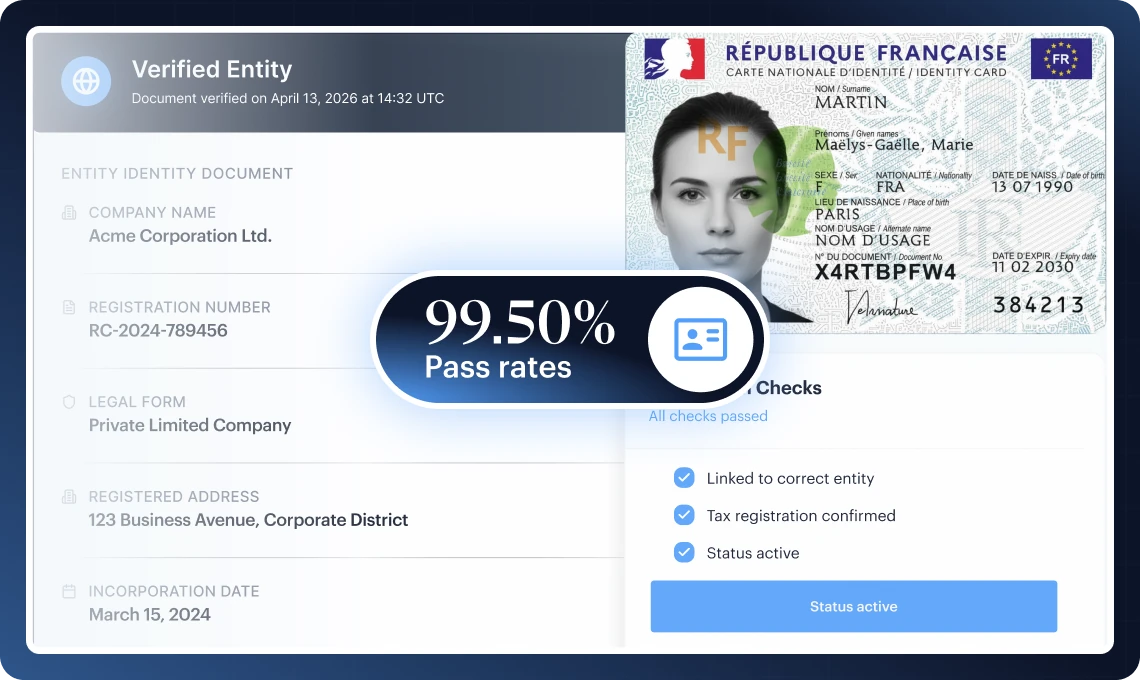







Operational Performance for French Polynesia KYC
Our Numbers Speak Volumes
Under 5 secs
IDV
Verification
100%
Omni-format
Document Recognition
240+
Countries and
Territories Covered
French Polynesia IDV/KYC Challenges

Remote Onboarding Across 118 Islands Needs Two Complementary Checks
Identity verification in French Polynesia reaches customers on 76 inhabited islands, many far from a branch. Without an in-person check or certified electronic ID, Article R561-5-2 asks for at least two complementary measures. Shufti combines document, chip, selfie and bank account evidence in one remote flow.

Polynesian Companies Carry Local Identifiers That Generic KYB Misses
Polynesian businesses carry a numéro TAHITI from the ISPF business register and an RCS registration in Papeete, while a SIREN number is optional, so KYB tools built around national identifiers miss them. Shufti cross-checks the numéro TAHITI, RCS number and Kbis extract in one check.

Keeping Customer Risk Current Requires Continuous Monitoring
Article L561-6 of the Code monétaire et financier requires constant vigilance and a careful review of transactions for the life of each relationship. Shufti checks transactions against customer profiles, rescreens customers whenever sanctions and PEP lists change, and flags registry, director and ownership changes.

Thin Case Files Weaken STRs Filed With TRACFIN
Suspicious transaction reports go to TRACFIN through its ERMES platform, and a report built from scattered evidence slows the analysis that follows. Shufti's case management packages identity evidence, screening hits, transaction history and analyst notes into report-ready bundles for ERMES filing.
Documents and Languages
Individual Documents Shufti Verifies in French Polynesia
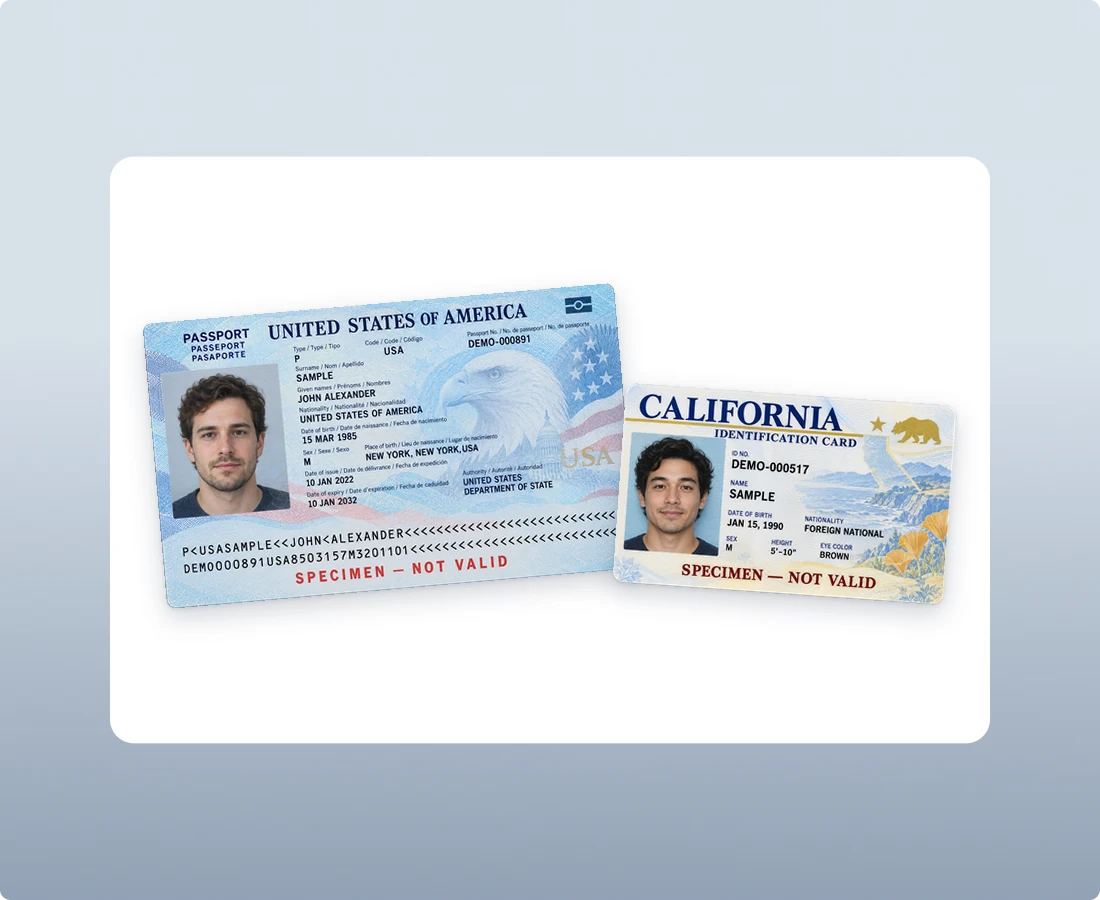
Shufti verifies French Polynesia identity documents plus passports and ID cards from other countries. The cards below cover the core documents Polynesian onboarding relies on, with the full list on the supported documents page.
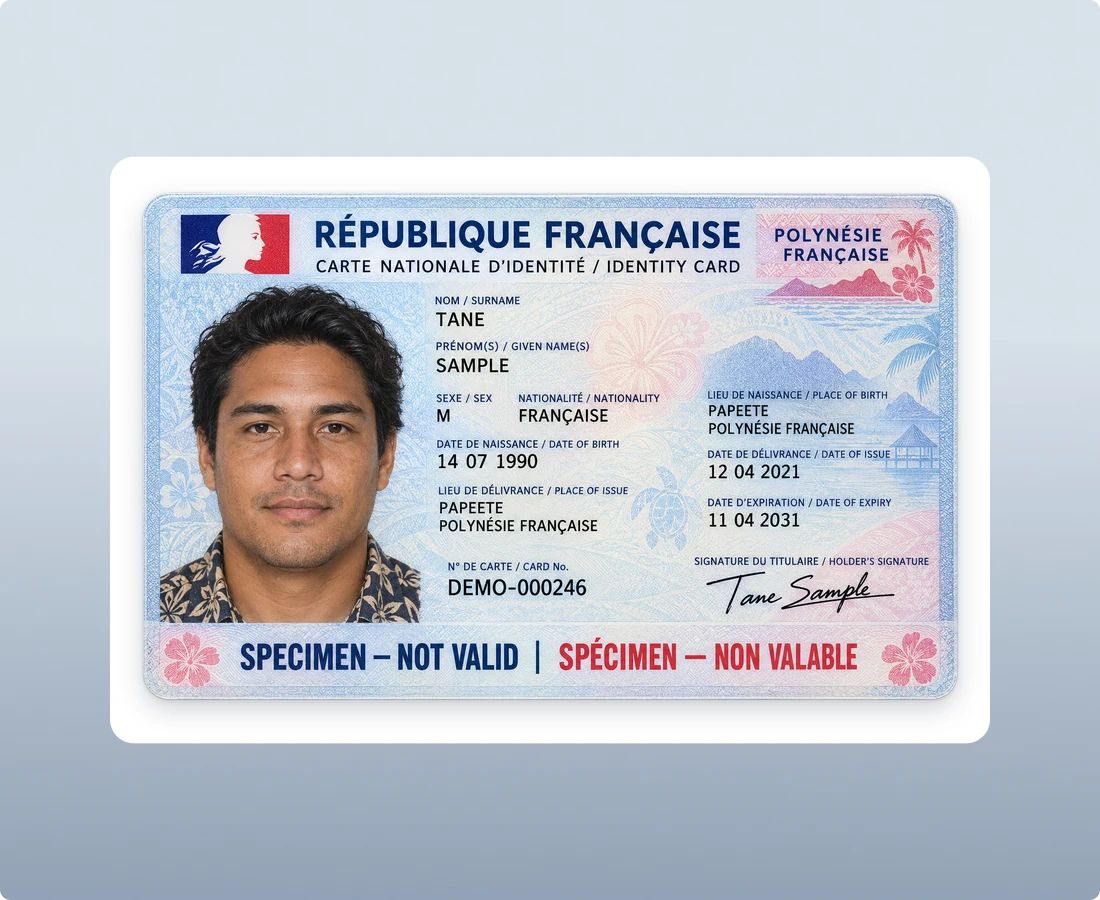
View All Supported DocumentsCarte Nationale d'Identité (CNI)
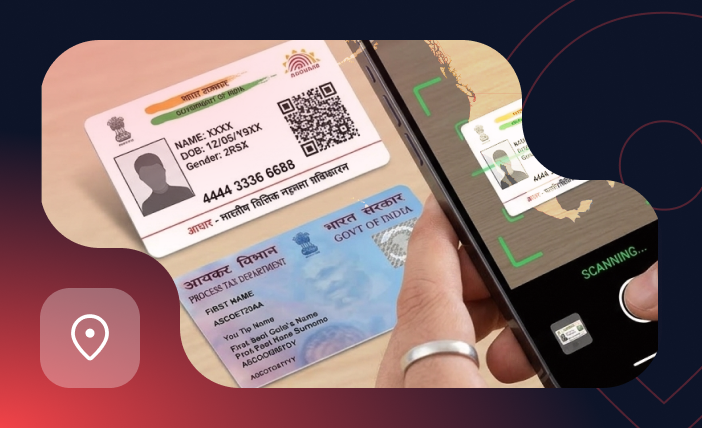
The credit-card format CNI carries a contactless chip that Shufti reads over NFC before running nine forensic detection layers and biometric liveness. Older laminated cards without a chip still go through document forensics and face matching, so every valid CNI has a verification route.
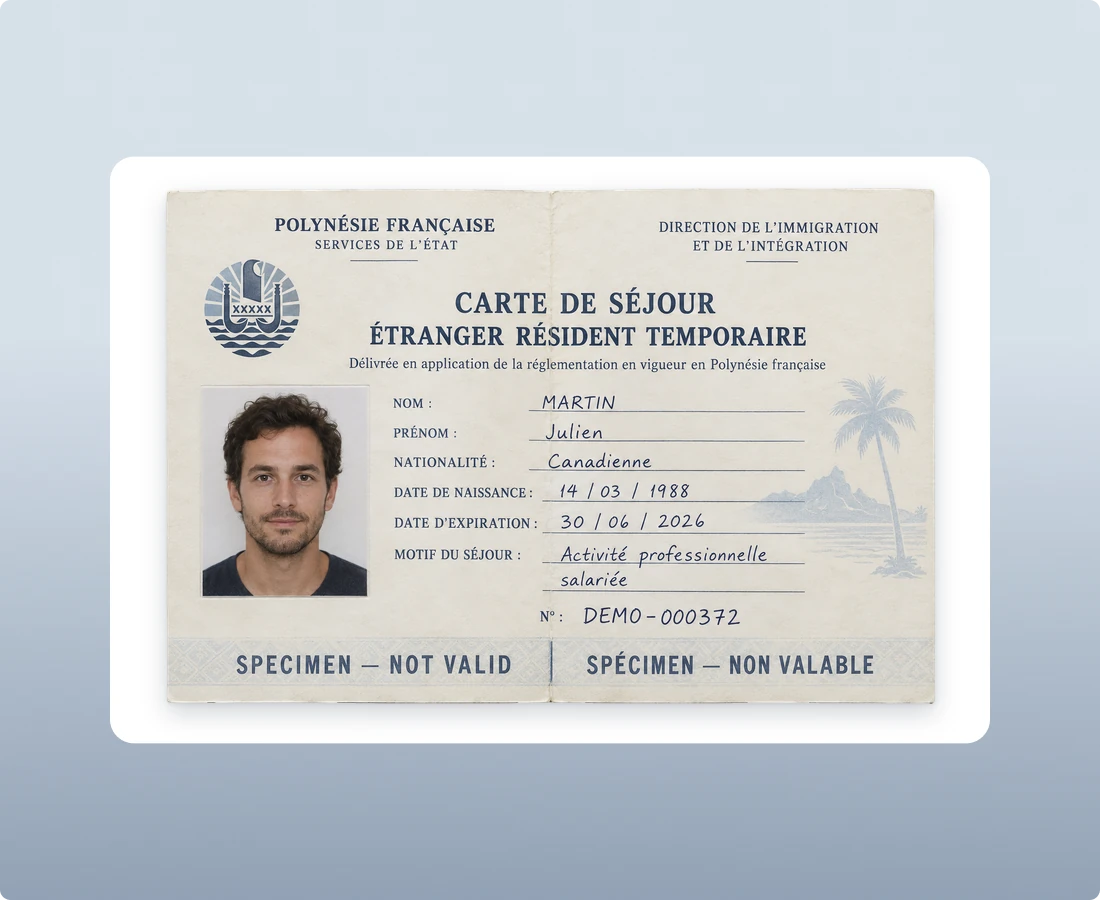
Residence Permits (Titres de Séjour)
Foreign residents of French Polynesia hold temporary or permanent residence permits. Shufti checks each permit's security features, expiry date and data fields, then matches the photo to a live selfie, so permit holders onboard in the same flow as citizens.
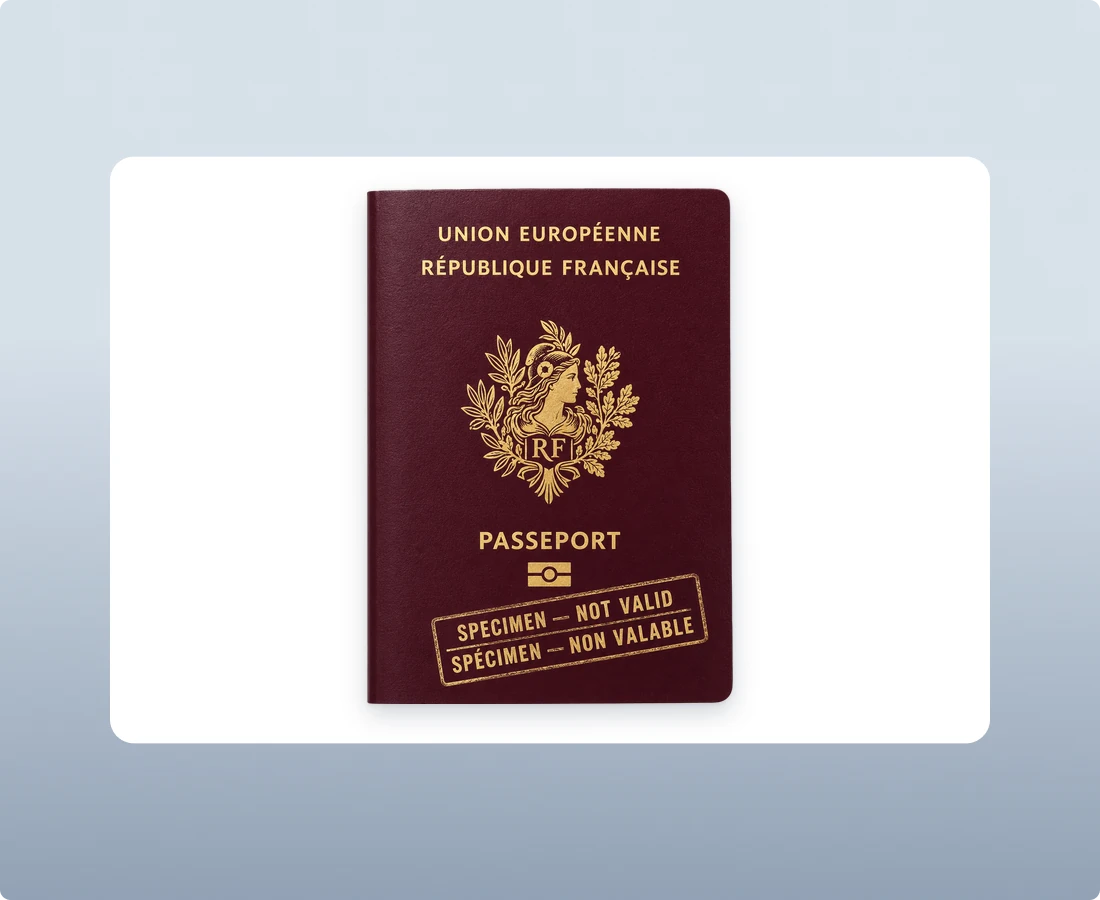
Biometric Passport
The national biometric passport carries a chip that Shufti reads over NFC, followed by nine forensic detection layers, from MRZ checksum validation to hologram analysis, so a cloned or altered passport fails before onboarding.
Foreign Passports and National ID Cards
Visitors, seasonal workers and foreign investors onboard with documents issued abroad. Shufti actively processes 10,000+ ID document types from 240+ countries and territories, and its zero-shot AI learns new document formats in minutes, so an unfamiliar card does not stall onboarding.
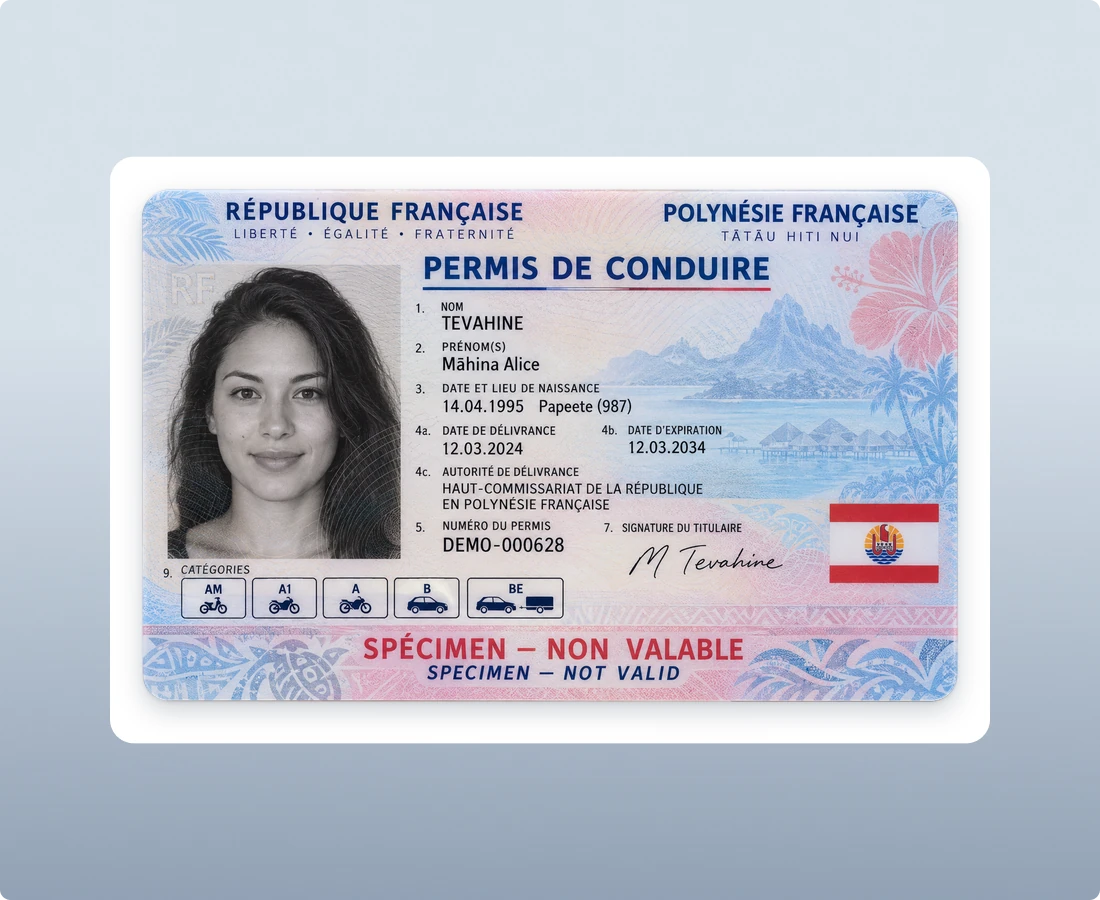
French Polynesia Driving License
The territory's Direction des transports terrestres issues the Polynesian licence in a secured credit-card format, and older paper licences must be exchanged by 31 December 2032. Shufti checks authenticity, expiry and facial match on both formats for rental, delivery and lending onboarding.
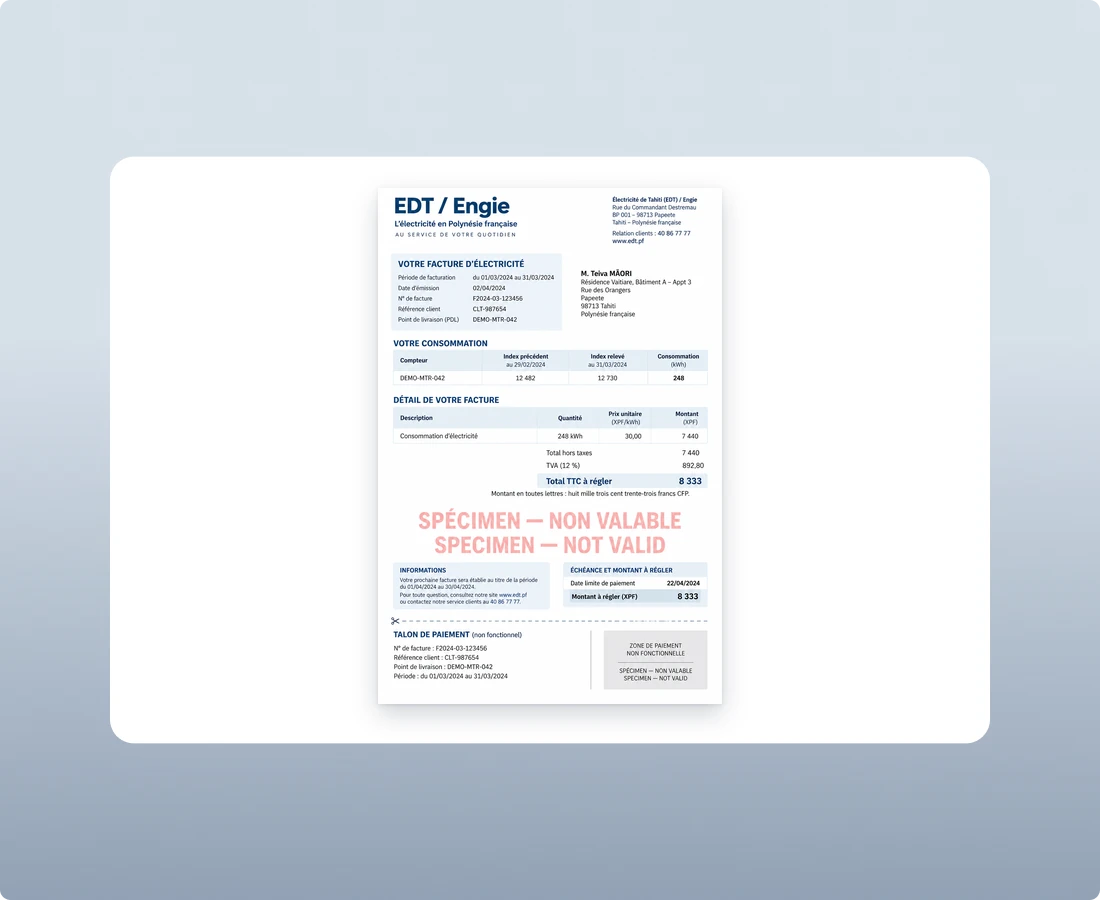
Proof of Address
Shufti reads EDT Engie electricity bills, OPT and Vini telecom bills, bank statements and DICP tax notices, and verifies the address in the same step as the identity document, so customers submit everything in one session.
Entity Identity
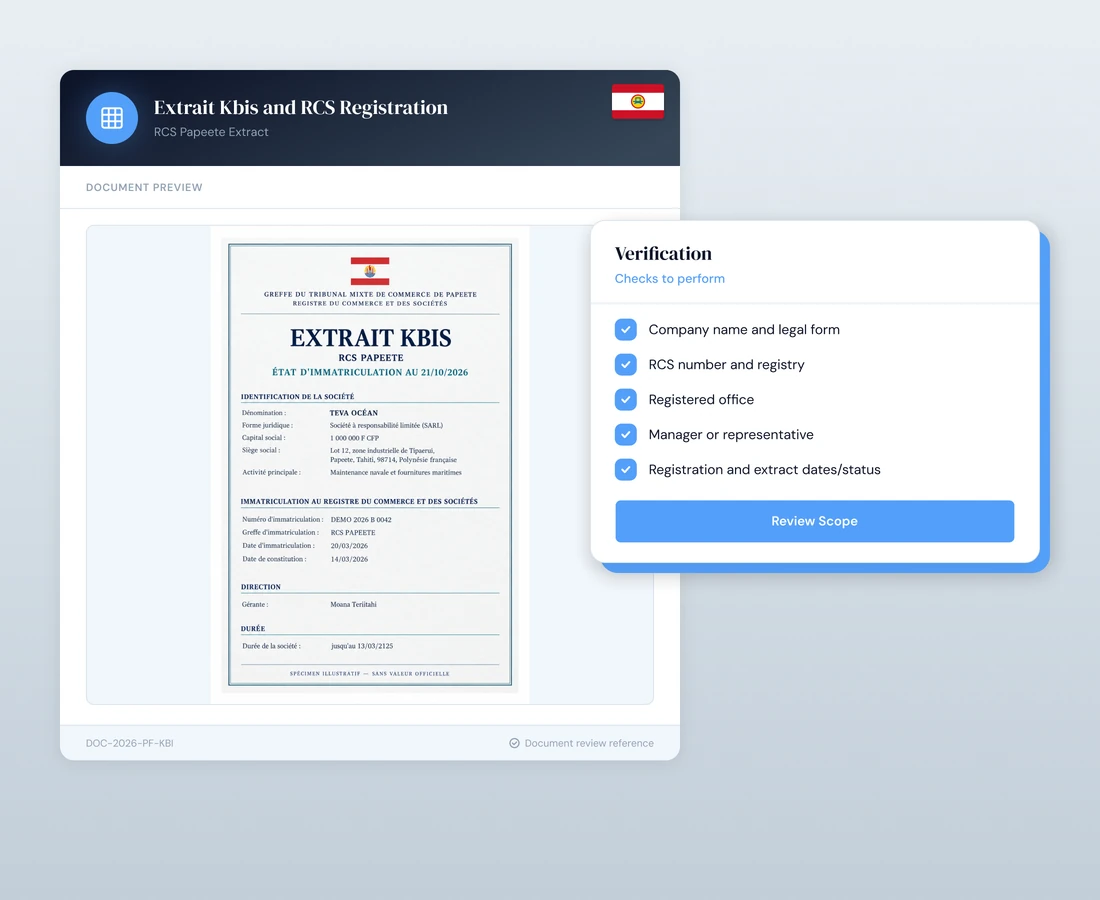
Extrait Kbis and RCS Registration
The greffe of the Tribunal mixte de commerce in Papeete keeps the RCS and issues the Kbis extract, returned through the CCISM business formalities centre. Shufti checks the company name, legal form, registered seat and officers on the extract against live registry data at every check.
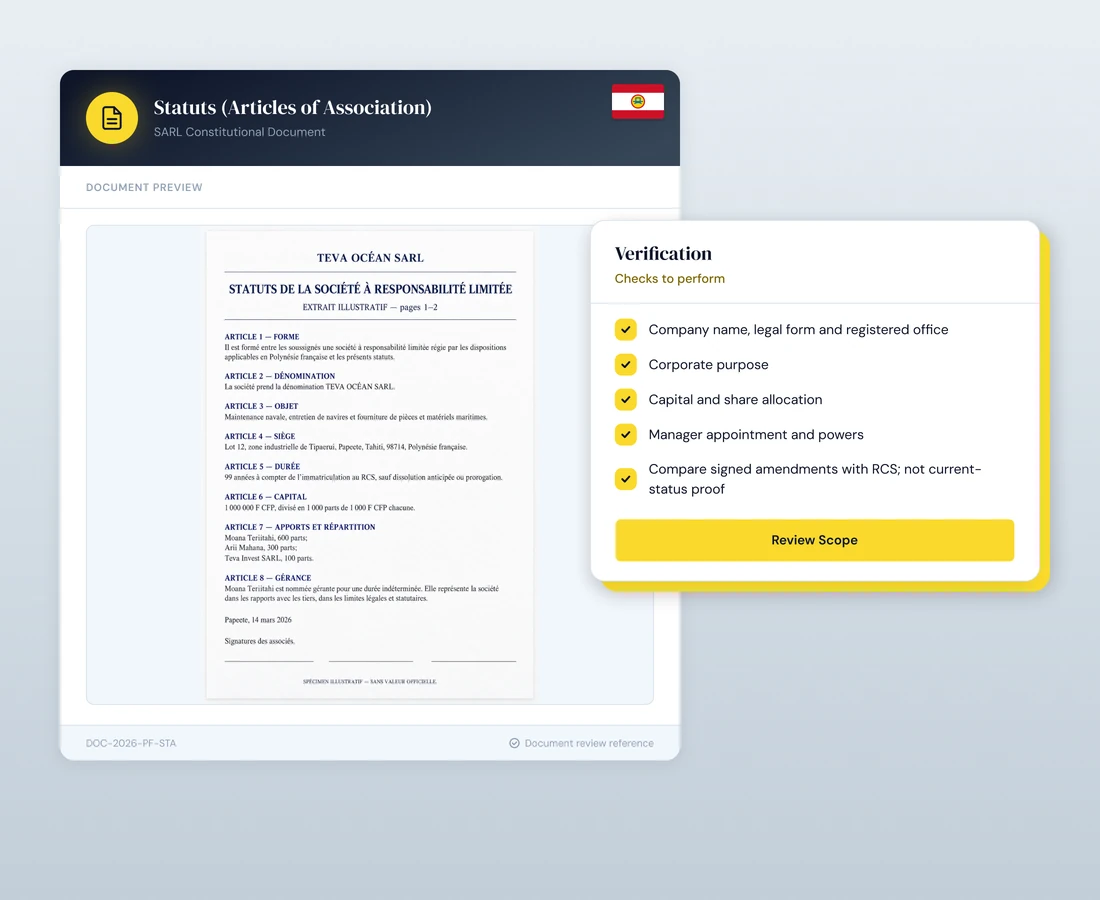
Statuts (Articles of Association)
The statuts set out who owns the company, its share capital and who can sign for it. Shufti's AI-OCR reads ownership, capital and signing authority from them and flags GAN-generated or edited pages before they reach a reviewer.
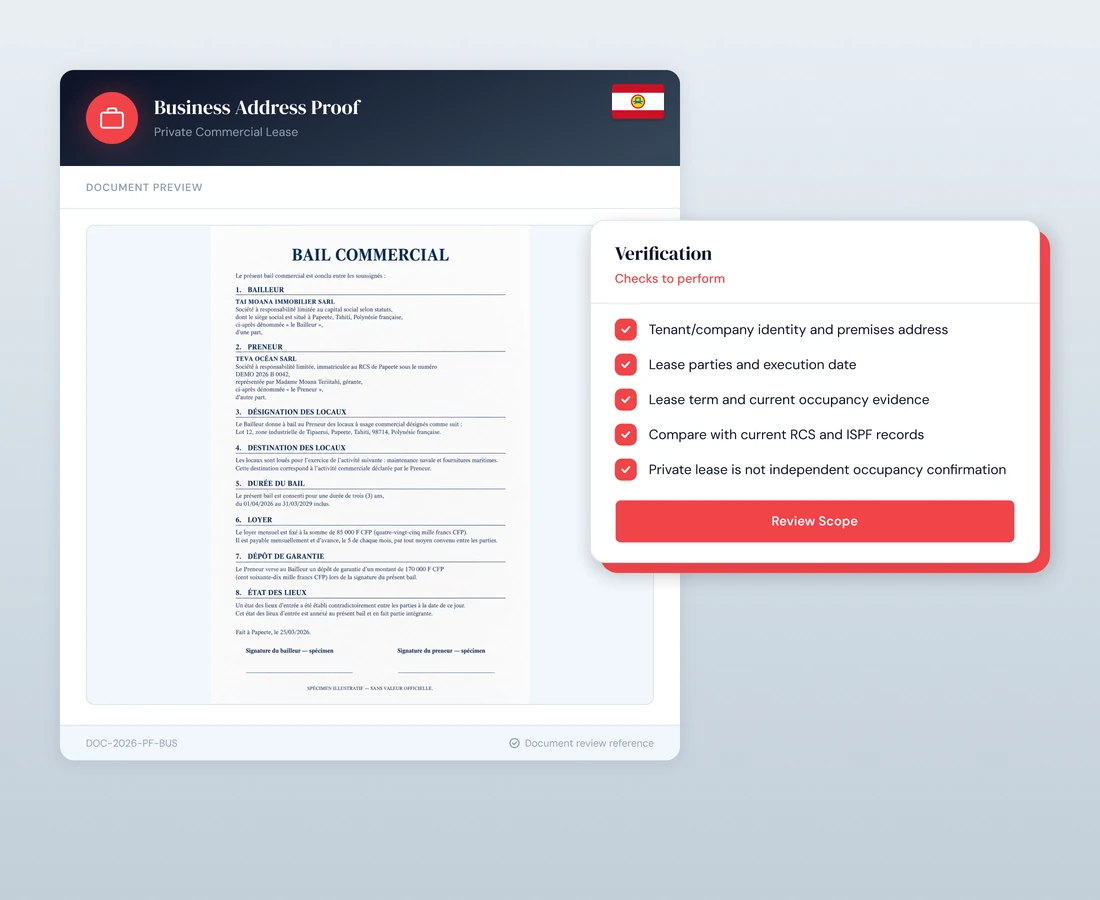
Business Address Proof
The registered seat on the Kbis has to match where the company actually operates. Shufti cross-checks it against lease agreements and utility bills issued in the company's name, so a mailbox address cannot stand in for real premises.
Tax Identity
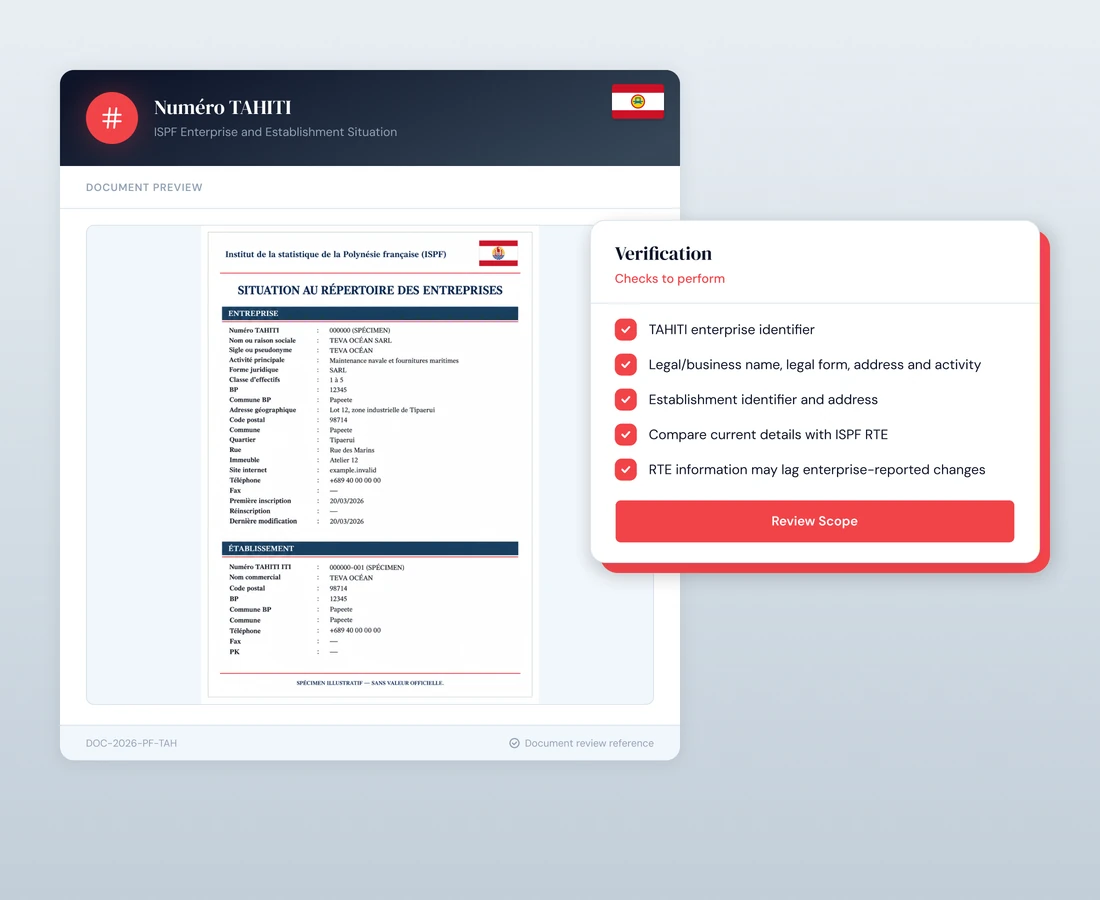
Numéro TAHITI
The ISPF assigns every Polynesian business a numéro TAHITI in the Répertoire territorial des entreprises, and the DICP uses it as the tax identifier for most businesses. Shufti extracts the number and matches it to the RCS record and Kbis extract.
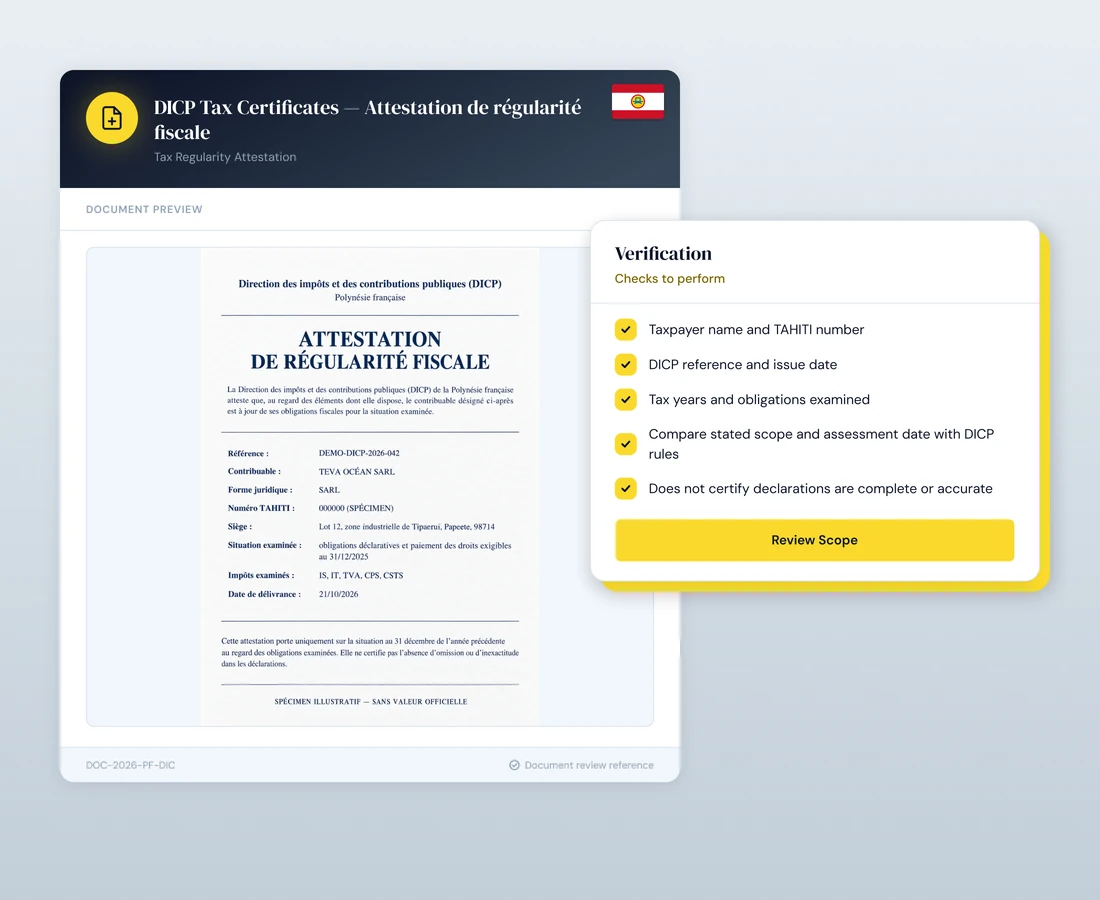
DICP Tax Certificates
The Direction des impôts et des contributions publiques issues the attestation de régularité fiscale and the attestation d'inscription aux rôles. Shufti reads both, checks the issue date and matches the company identifiers to the KYB file.
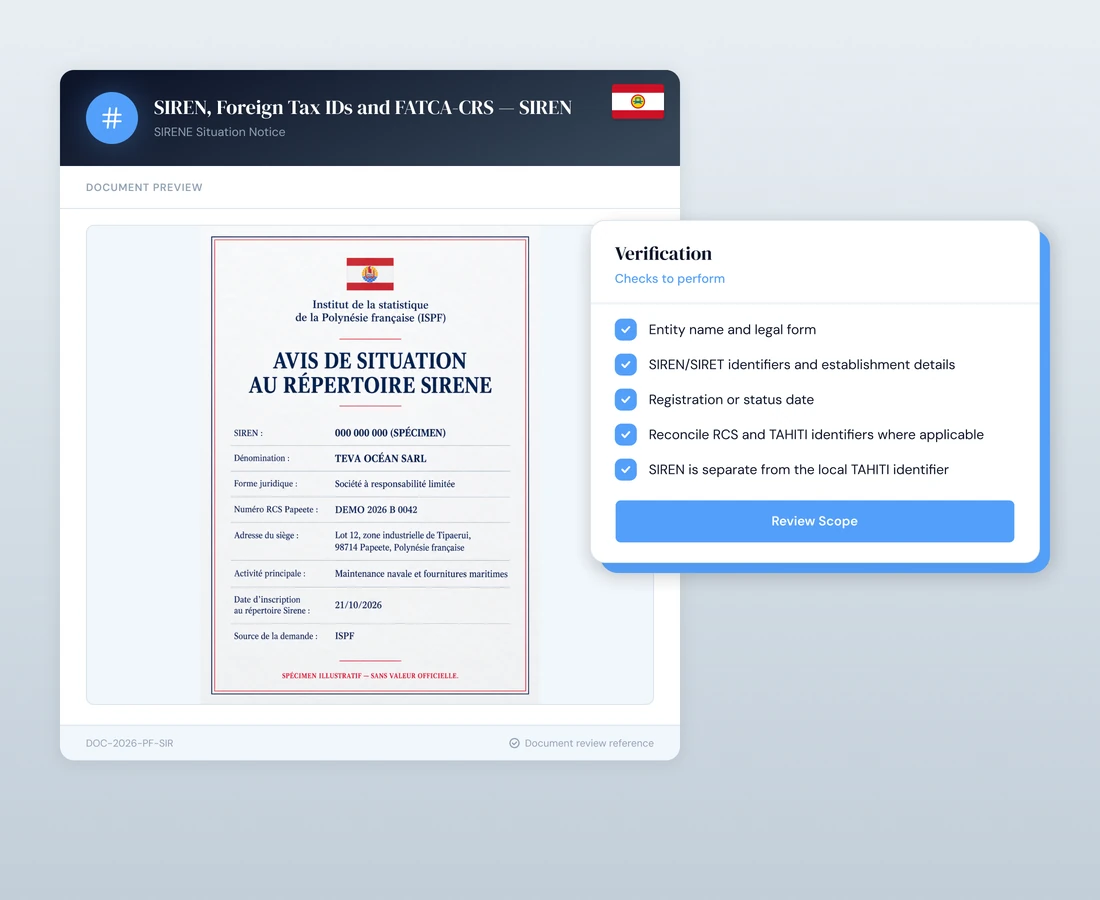
SIREN, Foreign Tax IDs and FATCA/CRS
Since October 2023, Polynesian companies registered with the RCS can also request a SIREN number through the ISPF. Shufti captures it alongside foreign tax registrations and FATCA/CRS self-certifications for cross-border entities.
Ownership and Control
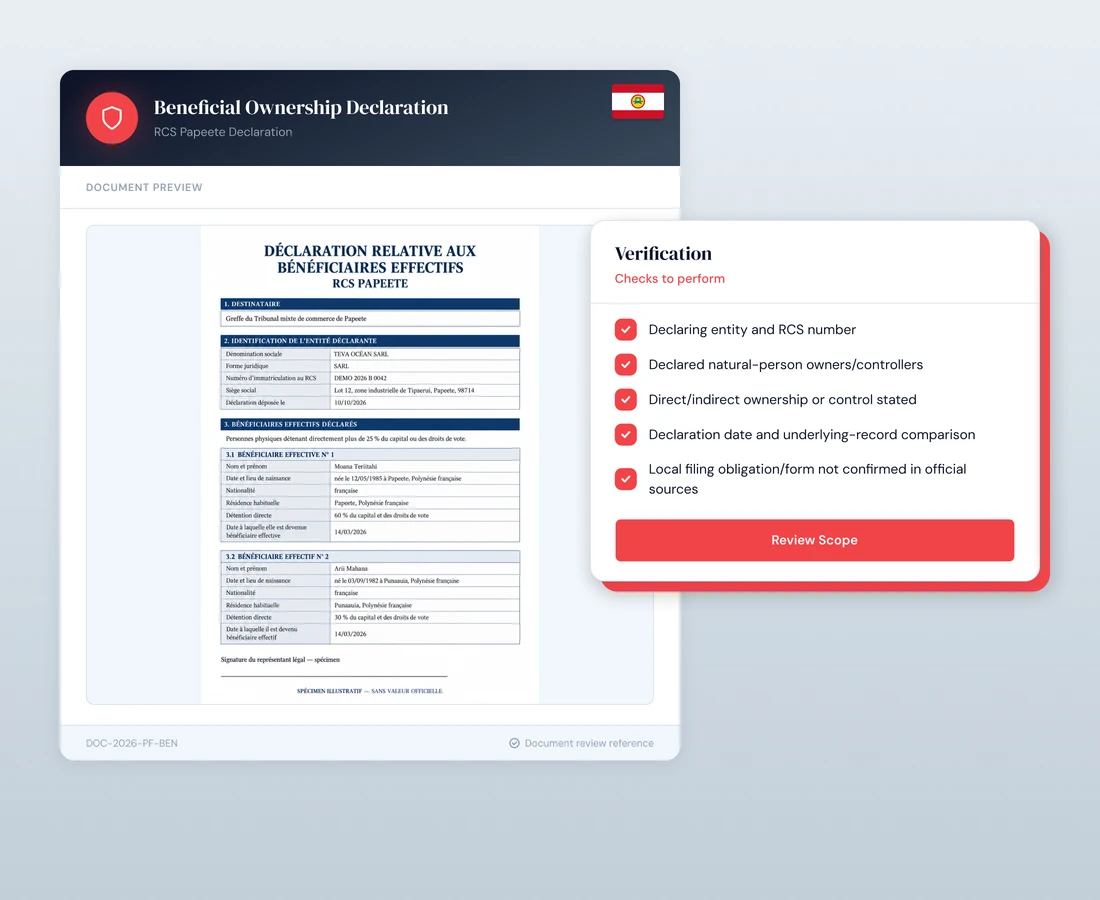
Beneficial Ownership Declaration
Under Article L561-46, applied in the territory by Article L774-42, Polynesian companies declare their beneficial owners to the RCS, and the greffe of the Tribunal mixte de commerce checks each declaration. Shufti extracts everyone holding more than 25% of capital or voting rights and screens them.
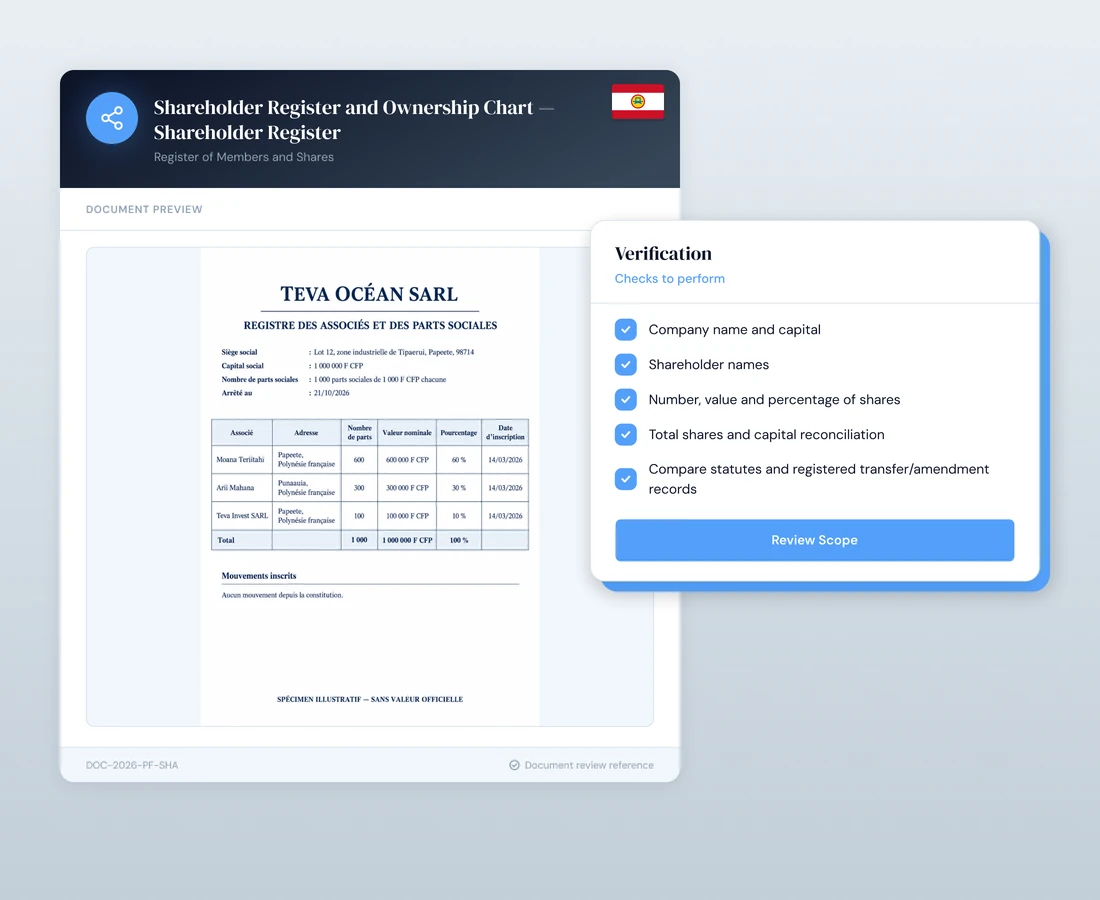
Shareholder Register and Ownership Chart
Shufti maps ownership through intermediate holding companies, resolves each layer to a natural person and screens every owner against the national asset-freeze register, UN lists and PEP data, flagging nominee arrangements for review.
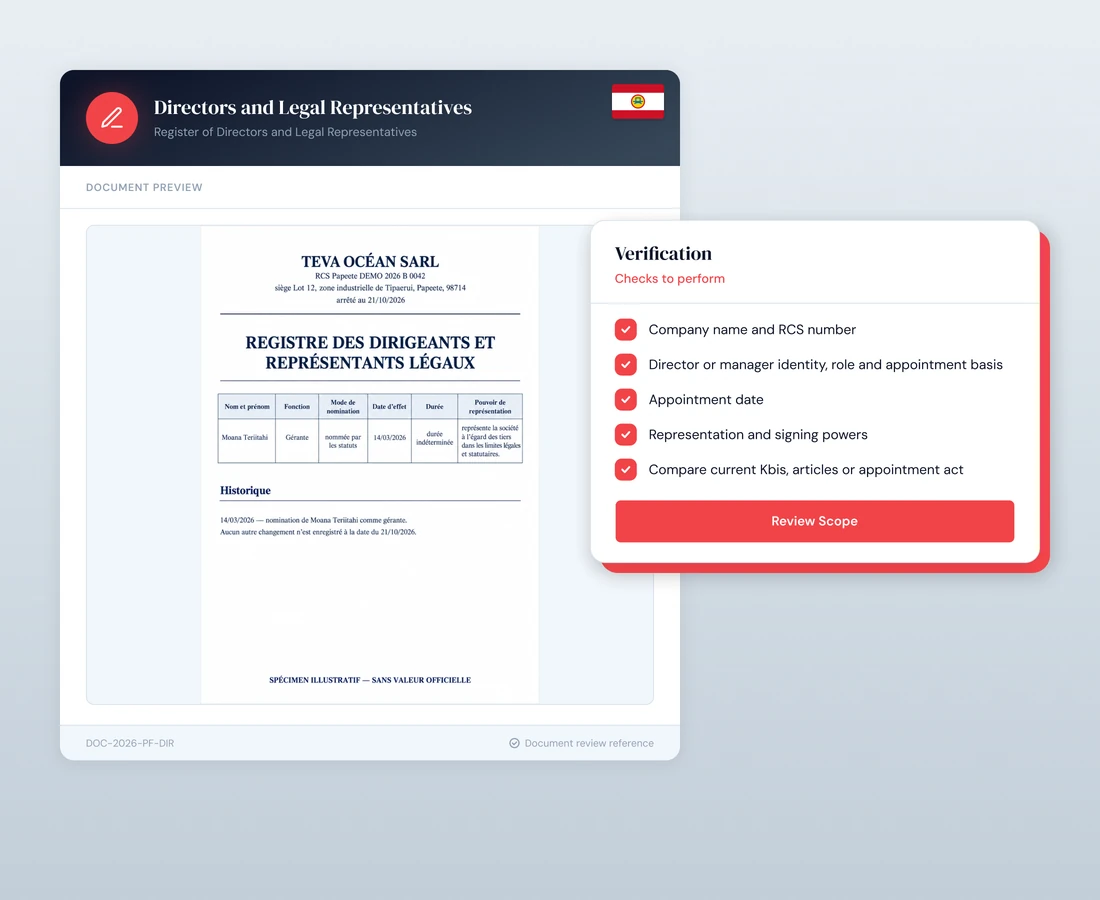
Directors and Legal Representatives
Gérants, présidents and other officers named on the Kbis go through ID verification and screening, and Shufti alerts your team when a board or officer change appears in the register.
Languages We Cover
French and Expat Document Parsing
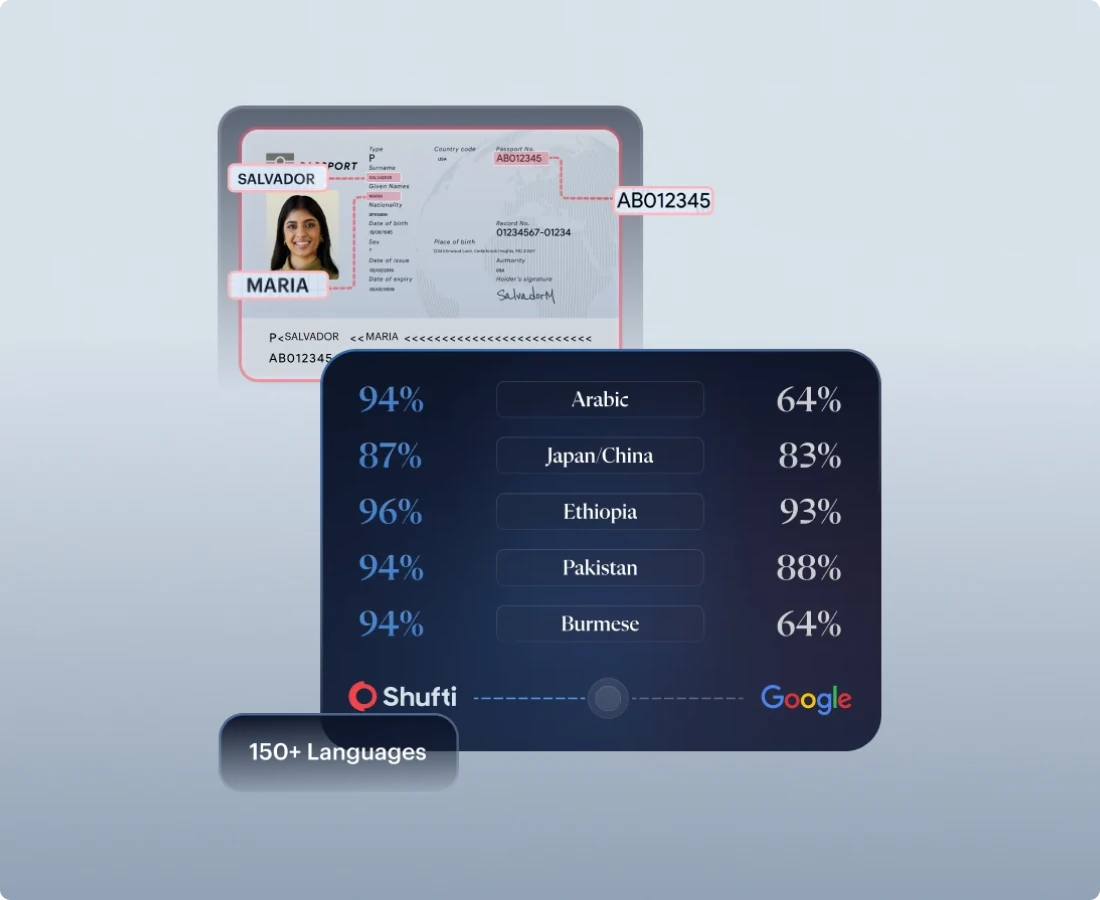
Identity documents used in French Polynesia are issued in French in Latin script, while visitor documents arrive in many scripts. Shufti's OCR reads 150+ languages and scripts at 99.7% accuracy and averages 93% against Google Vision's 78.4% across its published benchmark. Zero-shot document intelligence reads layouts it has never seen on first sight, so a visitor's document needs no template.
Polynesian Name Matching
Tahitian names written with or without glottal stops and macrons, and compound French surnames, are matched with phonetic and transliteration rules in sanctions and PEP screening.
Cross-Document Consistency Checks
Names, dates of birth and identifiers are reconciled across the CNI, passport, driving licence, Kbis extract and beneficial ownership declaration, so a mismatch is flagged before approval.
Independent Validation
Shufti's Recognition Across Independent Evaluations

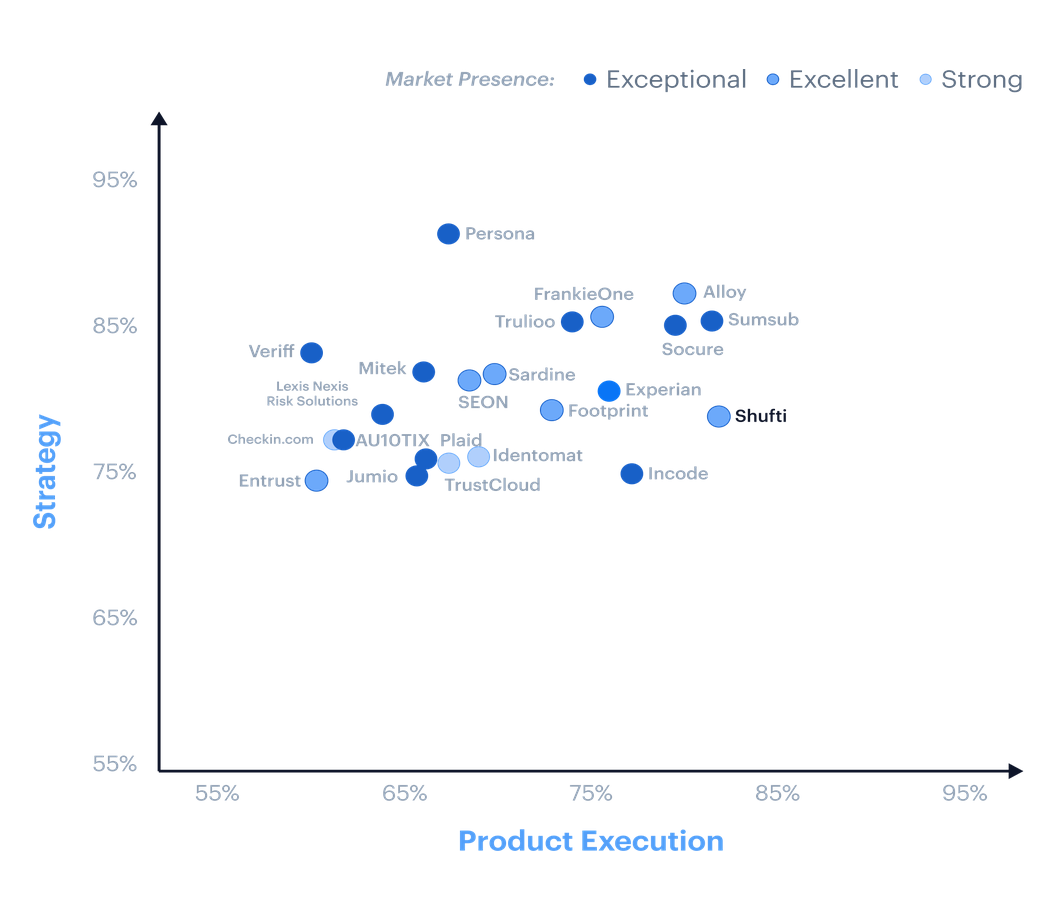
Ranked Exceptional in the Liminal Index 2026 for age estimation
View Report

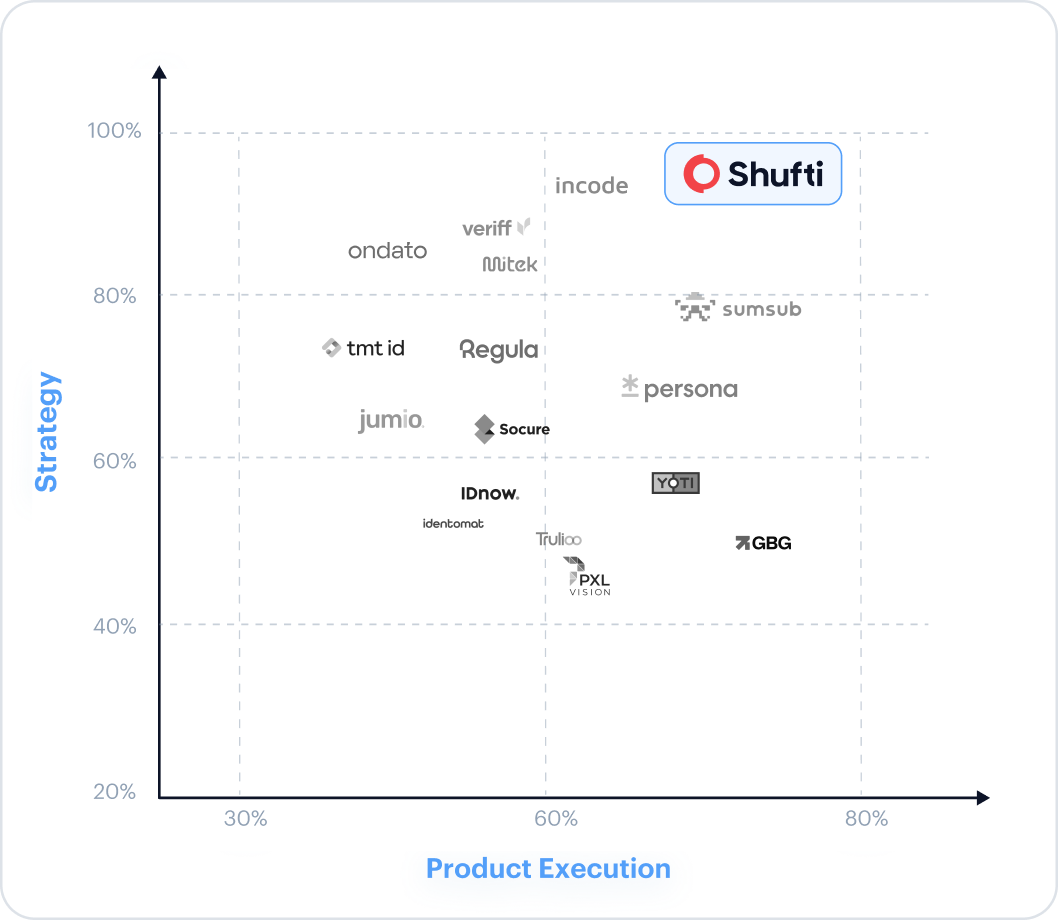
Differentiated by Gartner on document diversity and country coverage
Read more

Certified at iBeta Level 3 PAD with 0% APCER
Read more

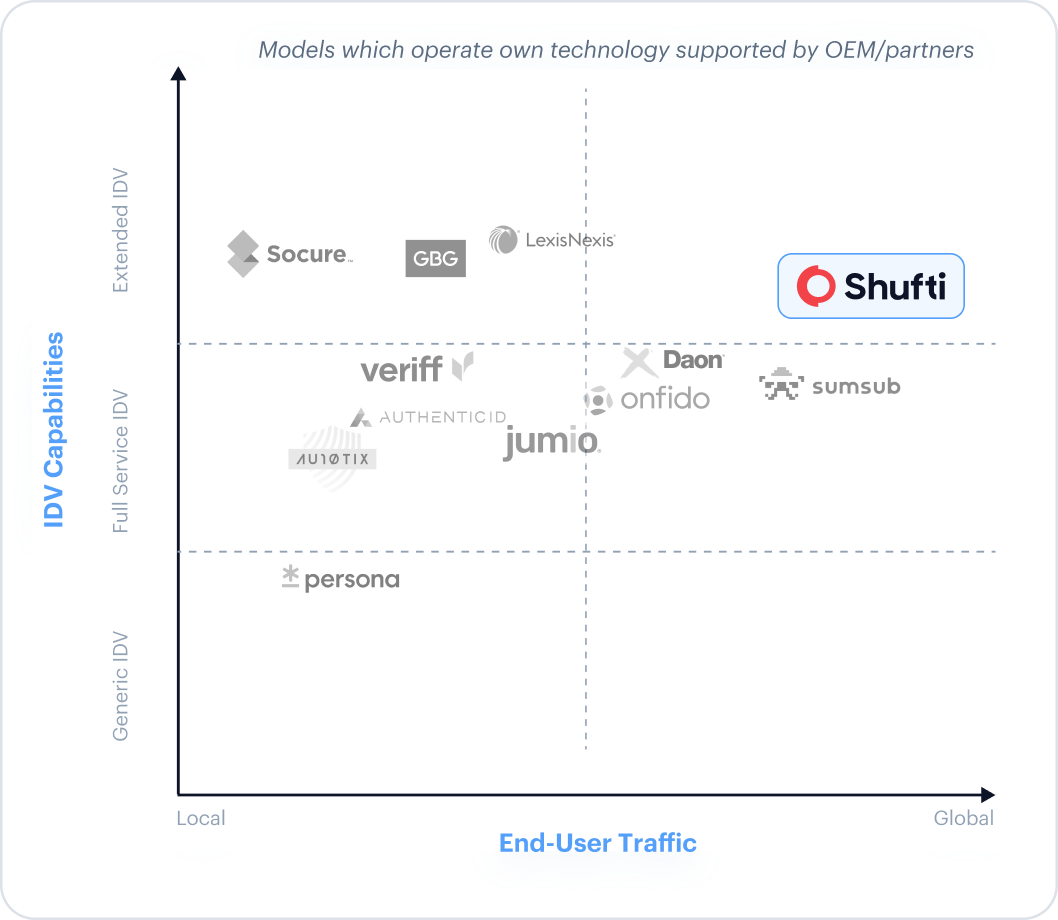
Broadest global reach in the 2025 KuppingerCole Extended IDV report
Download Report
Ranked Top 5 in the DHS RIVR 2025 for identity validation
Read Blog

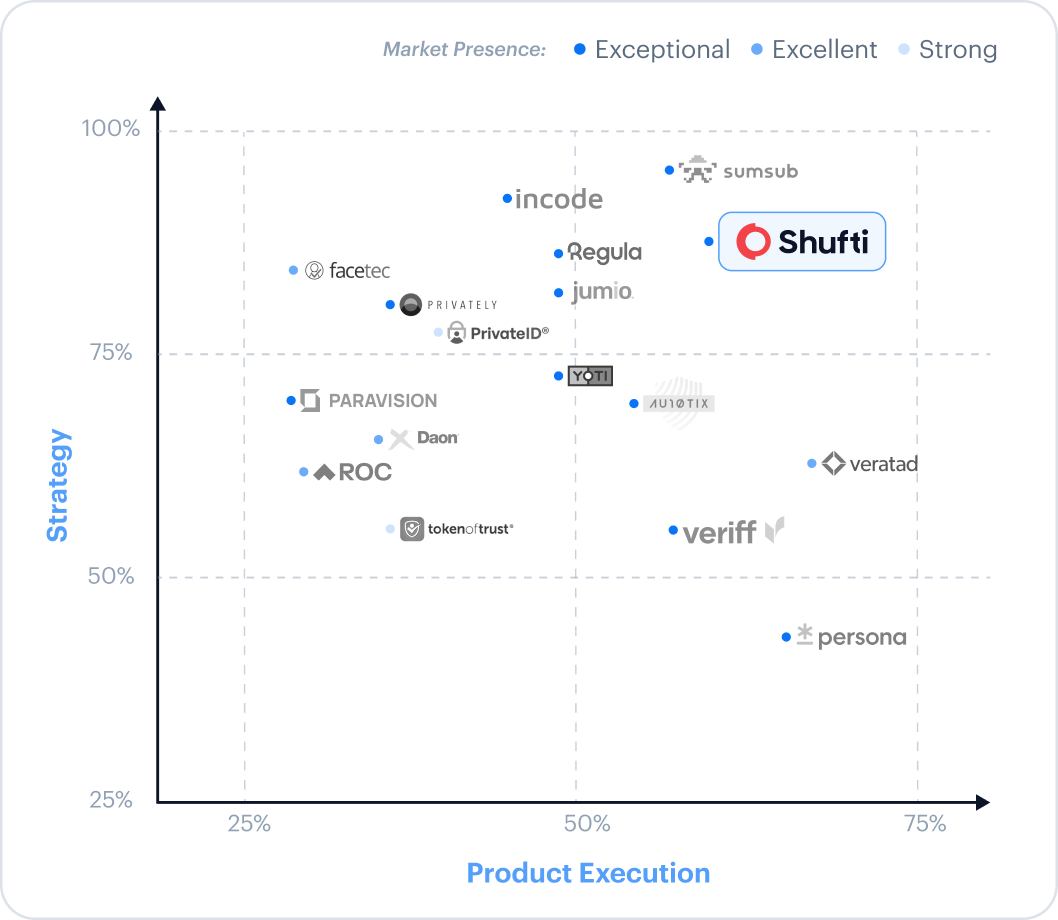
Top Vendor for Product Execution in the Liminal Index for KYC 2026
View Report

Ranked Exceptional for age verification by Liminal Index 2026
View Report
Recognised as a Leader in G2 Fall 2026 reports
Read More





Regulatory Update
Every Verification Route French Polynesia Firms Rely On, in One Platform
Article R561-5-1, applied in French Polynesia by Article R774-39, recognises in-person checks of an original photo ID and certified electronic identification. For every other customer, Article R561-5-2 sets complementary measures. Shufti supports them, plus chip, document and video routes for non-residents and customers without a card-format CNI.
Document and Face Biometric
LiveShufti verifies the CNI, passport, residence permit or driving licence and matches it to a live selfie with iBeta Level 3 liveness. It is the route most remote customers and non-residents take.
NFC Chip Verification
LiveCustomers holding a card-format CNI or a biometric passport tap the document to their phone, and Shufti reads the chip and checks its digital signature. It is the high-assurance route for remote residents and most foreign visitors.
Bank Account Confirmation
LiveArticle R561-5-2 accepts a first payment from an account in the customer's name as one complementary measure. Shufti confirms the account holder's name in real time and stores the result in the case file.
Video Identification
LiveAgent-led video calls, run in the language your customers use, verify the document and the person live, with the full session recorded as evidence. The route suits higher-risk customers and anyone who needs guided onboarding.
Fraud Prevention Across the French Polynesia Customer Journey
Reduce fraud losses and protect customer trust across onboarding, account access, and payments. Shufti connects identity, behavioral, device, network, and transaction intelligence to help French Polynesia businesses act on risk while keeping legitimate customers moving.
Governance & Controls
Audit-Ready Decisions, Lower Operational Drag
Fewer Avoidable Re-submissions
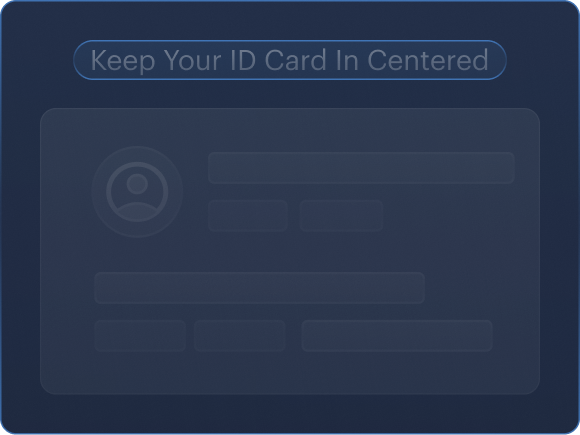
Capture guidance for the CNI, passports and residence permits cuts blurred, cropped and glare-hit images before they reach review, even on weaker island connections.
Cleaner Audit Trails
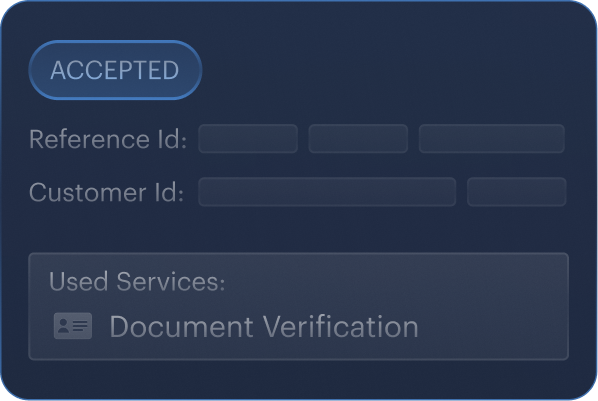
Shufti's case management records sources, results, timestamps, evidence, analyst notes, and decision history, packaged as report-ready bundles for STR filing through ERMES.
One Workflow, One Back Office
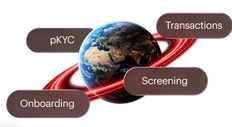
Unify KYC, KYB, AML screening and transaction monitoring in one case file, while perpetual KYC/KYB tracks ownership, director and transaction behavior changes.

CNI and Passport Chip-First Flow Design
Residents verify through the CNI or passport chip first, while visitors and foreign residents move to passport or permit verification in the same flow.
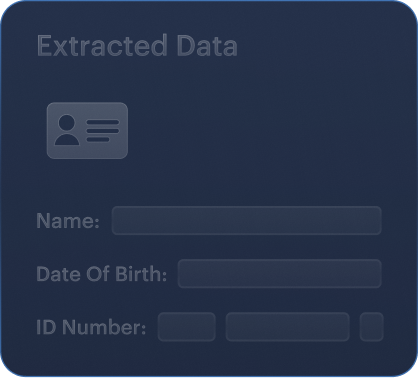
Shufti's IDV/KYC Solutions for French Polynesia
KYC Solutions
French Polynesia onboarding spans citizens holding the CNI, foreign residents with residence permits and visitors on foreign passports. One Shufti flow routes each by risk, so nobody faces checks they don't need.
Explore More
Face Verification
Customers on outer islands rarely visit a branch, so the selfie carries the identity check. Shufti matches the face to the CNI or passport photo with iBeta Level 3 liveness and deepfake defence, so a mask, replay or injected video fails.
.
Age Verification
Age-restricted products need a confirmed age before access is granted. Shufti estimates age from a selfie in under 5 seconds and falls back to the CNI or passport when the estimate sits close to the threshold, blocking 99.8% of underage attempts.
.
Bank Account Verification
Payouts and transfers in CFP francs fail or go astray when account details and names do not match. Shufti validates the account details and matches the account holder's name in real time, before the first payment leaves.
.
Address Verification
Proof of address arrives as utility bills, telecom bills and tax notices in different layouts. Shufti's layout-aware extraction and fuzzy matching read each format with a 99.3% pass rate and match each address to the identity document.
.
Document Verification
Forged and edited documents reach onboarding as photos and screenshots. Shufti runs nine forensic layers, including GenAI, screenshot and replay detection, on CNIs, passports, permits and licences, with a decision within seconds.
.
Identity Verification
Remote onboarding often needs several pieces of evidence for one customer. Shufti combines document, biometric, NFC, address and bank account checks in one API session, so every measure the Code monétaire et financier asks for lands in one case file.
.KYB Solutions
Polynesian companies register with the RCS in Papeete, carry a numéro TAHITI and declare their beneficial owners under Article L561-46. Shufti's live registry calls bring those records into one KYB check.
Explore More
Business Verification
Onboarding a Polynesian company means confirming its Kbis, numéro TAHITI, legal representatives and everyone who owns or controls more than 25%. Shufti's live registry call confirms the RCS record, and declared owners are checked against the beneficial ownership declaration and statuts the company provides.
.
Enhanced Due Diligence
Article L561-10 requires additional measures for politically exposed persons and for higher-risk products or operations. Shufti's branching questionnaires, configurable risk scoring and UBO verification links collect source-of-funds and ownership evidence in one place.
.AML Screening
A customer who is clean at onboarding can land on a list next week. Perpetual KYC rescreens every customer against 4,000+ watchlists, including the national asset-freeze register and UN lists, refreshed every 15 minutes, with each hit kept in one case file.
Explore More
Business AML Screening
A company's risk often sits with its owners and directors. Shufti screens every beneficial owner and legal representative against the national asset-freeze register, UN lists, PEP data and adverse media, then rescreens the whole portfolio through perpetual KYB.
.
Transaction Monitoring
Transfers in CFP francs, card payments and cash deposits each carry their own laundering patterns. Shufti's library of 500+ pre-built rules covering structuring, smurfing, and mule activity cuts false positives by 60% and produces report-ready case bundles for TRACFIN.
.
AI Compliance Co-Pilot
One common name can return 140+ screening hits. Shufti's AI Compliance Co-Pilot reviews each one, gives a confidence score and a written reason, and leaves the final call with your compliance officer.
.Built To Fit French Polynesia's Compliance Landscape
AML compliance in French Polynesia rests on the Code monétaire et financier, which applies its AML chapter in the territory, with the ACPR and AMF as supervisors, the IEOM as the local central bank and TRACFIN as the financial intelligence unit. Shufti maps its KYC, KYB, AML screening and transaction monitoring controls to every regime below, so one platform covers each licence your group holds.
Code monétaire et financier, Article L774-42
Article L774-42 applies the Code's AML chapter in French Polynesia and was last amended by Ordinance 2026-466 of 10 June 2026. Firms identify customers and beneficial owners before the relationship starts (L561-5), keep constant vigilance (L561-6) and retain records for five years after it ends (L561-12).

Autorité de contrôle prudentiel et de résolution (ACPR)
Under Article L561-36, the ACPR supervises AML/CFT compliance by credit, payment and e-money institutions operating in French Polynesia and can sanction breaches. Article L774-45 lets the inspection générale des finances refer AML failings by the OPT's financial services to the ACPR for sanction under Article L612-39.

Institut d'émission d'outre-mer (IEOM)
The IEOM is the central bank for French Polynesia, issues the CFP franc and relays the ACPR and AMF in the territory. Its AML and KYC work in French Polynesia includes an ACPR adviser who supports its AML/CFT mission and raises awareness among local financial institutions.

TRACFIN
TRACFIN is the national financial intelligence unit named in Article L561-23 and receives suspicious transaction reports from obliged entities in French Polynesia under Article L561-15 through ERMES. Article L774-42 also lets TRACFIN pass suspected local tax fraud to the territory's tax administration for follow-up.

Autorité des marchés financiers (AMF)
Under Article L561-36, the AMF supervises AML/CFT compliance by asset management companies, collective investment schemes, financial investment advisers and crowdfunding service providers, and it can sanction breaches. In French Polynesia, the IEOM carries out AML/CFT checks on financial investment advisers on the AMF's behalf.
Registre national des gels
Articles L562-1 to L562-15 on asset freezing apply in French Polynesia through Article L774-43. The Direction générale du Trésor publishes the national asset-freeze register, which consolidates the freezes in force, UN designations included, and firms must freeze listed persons' funds and make no funds available to them.

Agence nationale de la sécurité des systèmes d'information (ANSSI)
Article R561-5-1, as applied by Article R774-39, accepts electronic identification means that ANSSI certifies at a substantial or high assurance level. Article R561-5-2 also counts an identity proofing service ANSSI certifies at substantial level as one complementary measure for remote onboarding of customers who cannot attend in person.
French Polynesia Data Residency and Deployment
Firms that want identity data kept close can run Shufti on-premises inside French Polynesia, including air-gapped setups. Any other hosting location and transfer arrangement is defined in the agreement, so your compliance team signs off before any data moves.
Loi Informatique et Libertés (Law 78-17)
Article 125 applies Law 78-17 in French Polynesia, and Article 126 brings in the data protection rules in force nationally, with the CNIL as the enforcing authority. Shufti protects identity and biometric data with encryption, role-based access controls and retention periods you configure.
Biometric Data as a Special Category
Article 6 of Law 78-17 prohibits processing biometric data that identifies a person uniquely unless an exception applies, such as explicit consent. Shufti captures consent inside the verification flow and keeps biometric data tied to the verification purpose under your retention settings.
Retention Controls
The five-year AML minimum is a floor, not an automatic deletion date. Shufti configures retention by client and licence, applies legal holds when an investigation or court order requires it, and deletes data once each configured period ends, with every deletion logged.
Encryption and Security
Identity and biometric data stay encrypted in transit and at rest, with role-based access and audit logging on every action. ISO 27001:2022 certification and a SOC 2 Type 2 report give banks, payment institutions and their auditors the evidence they need for vendor assessments.
Automated Decisions and Biometric Data
Article 47 of Law 78-17 limits decisions based solely on automated processing, profiling included. Shufti returns verification results and supporting details through the API and back office, so support teams can explain outcomes and escalate disputed results to a human reviewer.
Scope of Our Role
Shufti processes personal data on the firm's instructions as a processor (sous-traitant) under Law 78-17. The regulated firm keeps responsibility for its AML and data protection duties, and Shufti's privacy notice identifies any activity where it acts as an independent controller.
Data Residency and Privacy Controls in French Polynesia
French Polynesia AML Sources That Strengthen Decisions

Traitement du Renseignement et Action contre les Circuits Financiers Clandestins (TRACFIN)

French Polynesia Customs Directorate
Autorité de contrôle prudentiel et de résolution (ACPR)

French Polynesia Directorate General for Economic Affairs (DGAE)
Directorate General of the Treasury (Direction générale du Trésor)

National Council of Judicial Administrators and Representatives (CNAJMJ)
Autorité des marchés financiers (AMF)
Institut d'émission d'outre-mer (IEOM)

High Authority for Audit (H2A)

Financial Action Task Force (FATF)

Egmont Group of Financial Intelligence Units
Agency for the Management and Recovery of Seized and Confiscated Assets (AGRASC)

UNODC Regional Office for Southeast Asia and the Pacific (ROSEAP)

Basel Committee on Banking Supervision (BCBS)

INTERPOL Financial Crime and Anti-Corruption Centre (IFCACC)
Turn French Polynesia Verification Requirements into a Smoother Customer Journey
Share your customer types, risk rules and current onboarding process. A Shufti specialist will show you how to connect identity verification, KYB and ongoing monitoring, reducing operational hand-offs while keeping decision evidence organised for compliance review.
INDEPENDENTLY AUDITED. GLOBALLY CERTIFIED.
Certified to Global Standards



PROVEN WORKFLOWS
Identity Verification Built Around Your Industry in French Polynesia
Remote Onboarding For Customers Across The Islands
Banks apply the customer due diligence rules of the Code monétaire et financier under ACPR supervision, while many of their customers live far from a branch. Shufti verifies CNI and passport chips remotely, screens customers against the national asset-freeze register and monitors CFP franc transactions in one case file.

Frequently Asked Questions
Can customers in French Polynesia be verified remotely, and what happens when they have no certified electronic ID?
Yes. Article R561-5-1 recognises certified electronic identification at a substantial or high level. Customers without one go through the complementary measures in Article R561-5-2, which Shufti combines in one flow through document checks, chip reads, selfie liveness and bank account confirmation.
Is scanning a CNI enough, or should verification include its chip?
A scan alone leaves room for edited or replayed copies. The card-format CNI carries a contactless chip, so Shufti reads it over NFC, compares the chip data with the printed fields and matches the photo to a live selfie with iBeta Level 3 liveness.
Can Shufti verify foreign documents or identity formats it has not encountered before?
Yes. Visitors and foreign residents bring documents from many countries, and Shufti's zero-shot AI learns a new format in minutes. Each document still passes through nine forensic layers, MRZ and data checks, then biometric matching against the holder's live selfie.
How does Shufti OCR compare with Google OCR for French Polynesia identity documents?
Identity documents used in French Polynesia are printed in French in Latin script, which Shufti's ID-trained OCR extracts field by field. For expat documents, Shufti's published benchmark shows it averaging 93% accuracy against Google Vision's 78.4%, so mixed portfolios stay consistent.
How does Shufti verify ownership when a Polynesian company has several corporate layers?
Shufti maps each layer through shareholder registers, Kbis extracts and the beneficial ownership declaration held by the RCS, until it reaches the natural persons holding more than 25% or exercising control under Article R561-1. Each owner is then verified and screened.
Does Shufti's ongoing monitoring cover more than sanctions screening?
Yes. Article L561-6 requires constant vigilance over transactions throughout the relationship. Shufti monitors transactions against each customer's profile, rescreens customers and owners as lists change, and flags registry, director and ownership changes through perpetual KYC and KYB, so each profile stays current.
How does Shufti keep screening current and handle Polynesian name variations?
Watchlists, including the national asset-freeze register and UN lists, refresh every 15 minutes. Phonetic and transliteration rules match Tahitian names written with or without glottal stops and macrons, and compound French surnames, so spelling differences neither hide a match nor flood analysts.
Can we choose local hosting or run verification inside our own infrastructure?
Yes. Shufti can run on-premises inside French Polynesia, including air-gapped setups with no outside connection. The agreement fixes any other hosting location and any transfer arrangements, so your compliance and data protection teams approve them first.
What controls help us protect identity and biometric data?
Shufti encrypts data in transit and at rest, limits access by role, logs every action and applies the retention you configure. Biometric data stays tied to the verification purpose, and ISO 27001:2022 and SOC 2 Type 2 support your vendor assessment under Law 78-17.
Can we configure different retention periods for different French Polynesia licences?
Yes. Retention is set per client, licence and data type, starting from the five-year AML minimum in Article L561-12. Legal holds pause deletion during investigations, and records are deleted once each configured period ends, with every action logged for audit.
What does Shufti provide when our compliance team needs to prepare a TRACFIN report?
Shufti assembles a report-ready bundle with identity evidence, screening hits, transaction history, analyst notes and the decision trail. Your compliance officer reviews it and files the suspicious transaction report with TRACFIN through ERMES, drawing on one consistent record instead of scattered files.
Can we add verification checks without rebuilding our onboarding journey?
Yes. Shufti's AI Journey Builder adds or reorders checks by product, customer type and risk tier without new code. A bank can add chip reading for remote customers or a bank account check as a complementary measure while everything else stays the same.
How does Shufti make verification queries easier for our customer support team?
Each verification shows the result, the checks run and the reason for any decline in the back office and through the API. Support teams can explain a failed CNI capture or a selfie mismatch, request a new attempt and escalate disputed results to a reviewer.
Let’s Build Trust Into Your Business
1B+Verifications Processed
240+Regions Actively Processed
99.7%Accuracy Rate
Samer Al Tamimi
CEO of Safwa Bank

“We take our client’s privacy very seriously and always look for new innovative solutions to ensure a safe banking experience. Working with Shufti feels like a breath of fresh air, as their 100% in-house tech keeps our customer’s data free from vulnerabilities and fully safe and protected.”
Trusted. Compliant. Certified



Explore Shufti For Your Business
Get a personalised demo from our experts.
PROVEN PLAYBOOKS
Explore Practical KYC & AML Resources
19 June, 2026
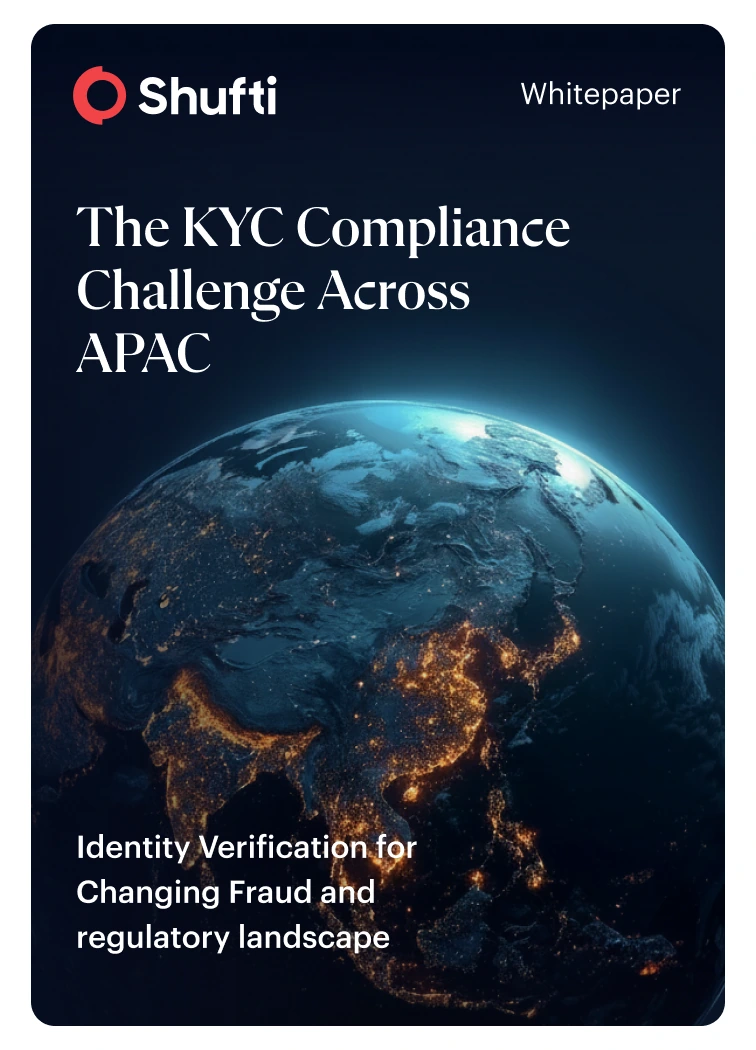
KYC Compliance and Identity Fraud Challenge Across APAC
Shufti's own verification data shows fraud climbing alongside digital growth across APAC. Where that pressure lands, and what the leading markets are doing about it.
Whitepaper